Basic Addition Skills Building Vocabulary Worksheets for Ages 3-6
5 filtered results
-
From - To
Introduce your little mathematician to our "Basic Addition Skills Building Vocabulary Worksheets for Ages 3-6"! These expertly designed worksheets combine basic math with engaging vocabulary activities, making learning fun and interactive. Perfect for preschoolers and kindergarteners, they help boost numeracy and literacy simultaneously. Bright visuals and simple exercises ensure kids will enjoy mastering addition while expanding their vocabulary. Supporting early learners in developing essential skills, these printable worksheets are an excellent resource for parents and teachers looking to create a strong educational foundation. Unlock your child's potential with our creative approach to learning!
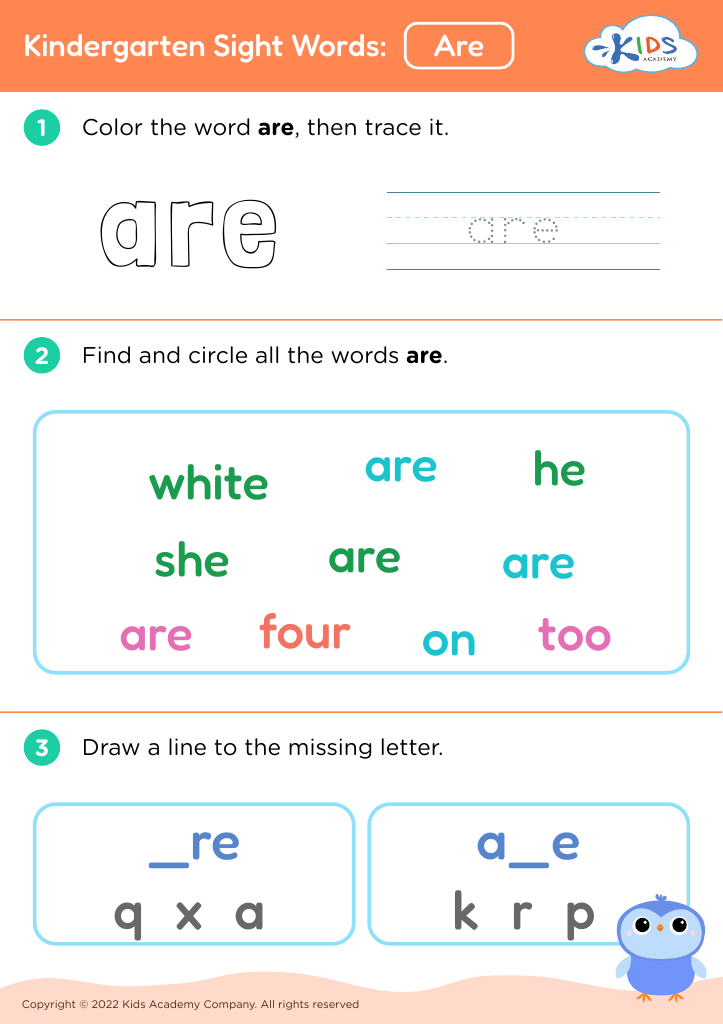











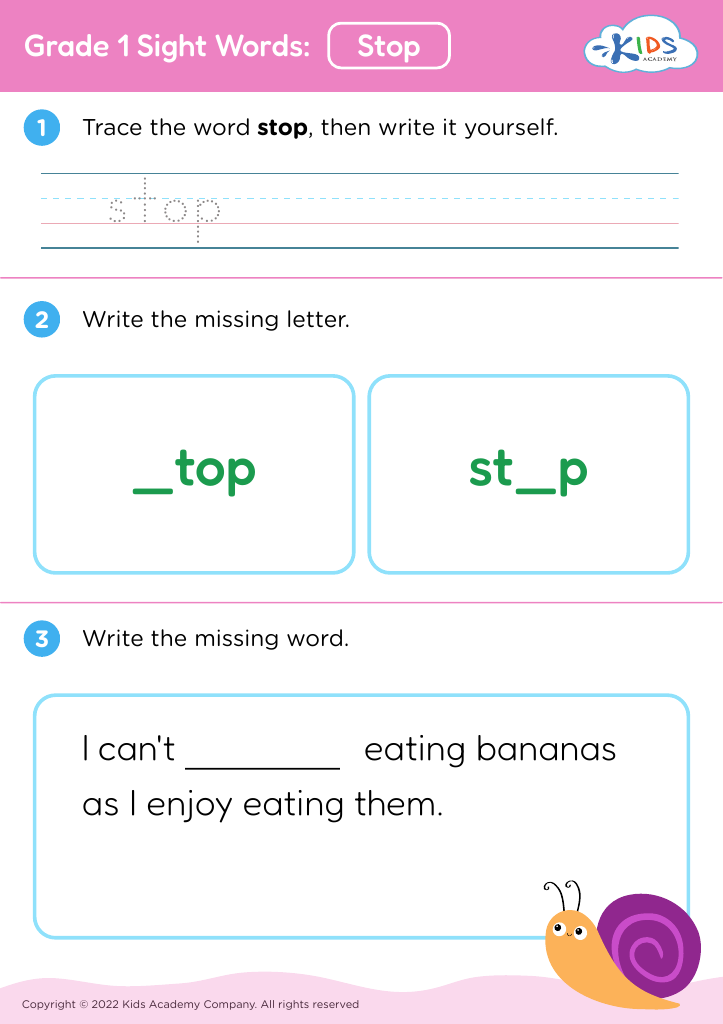
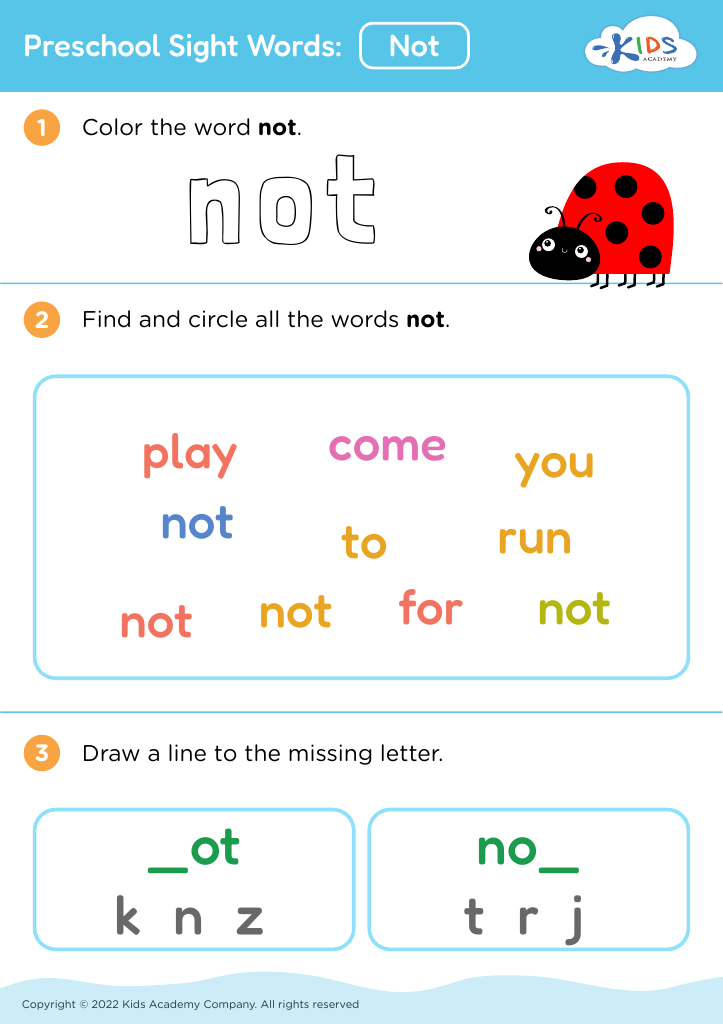
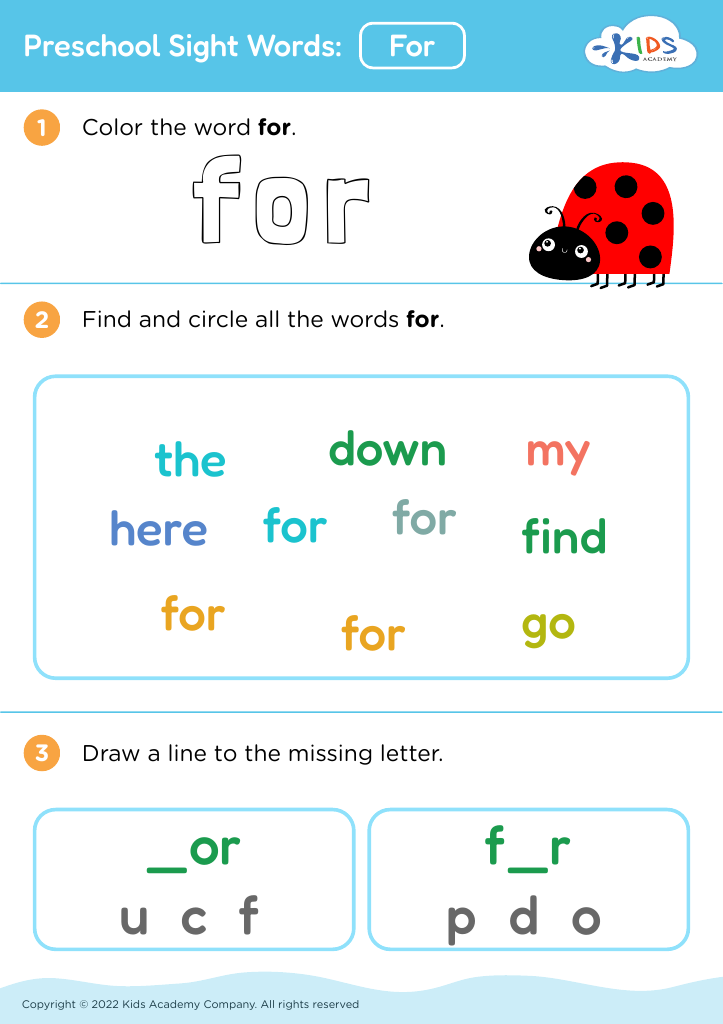
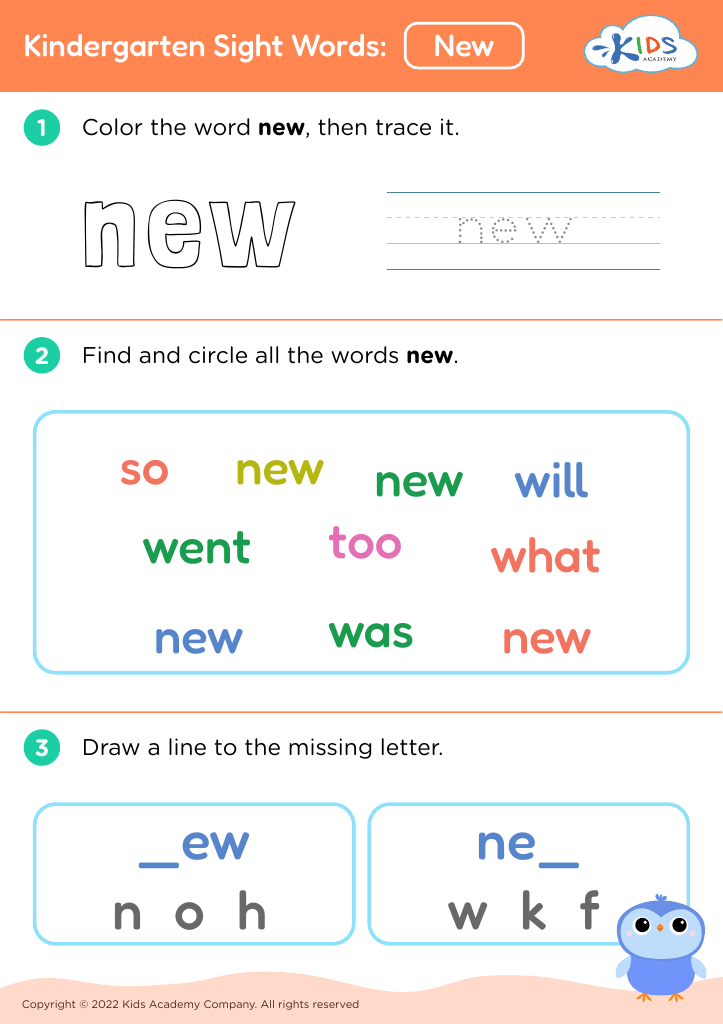








Basic addition skills and vocabulary development are fundamental for young children aged 3-6 as they lay the groundwork for more complex mathematical concepts and everyday problem-solving. At this developmental stage, kids are highly receptive, and their brains are exceptionally pliable for absorbing new information. Introducing basic addition helps foster a number sense—a key component that supports future learning in math. This tactile and visual interaction with numbers can make abstract concepts tangible.
Building a robust vocabulary around addition further enriches this learning process. Terms like "sum," "more than," and "count on" enable children to articulate their thought processes and understand instructions clearly. It also aids in bridging cross-curricular connections, linking math with language arts, and enhancing overall academic success.
Parents and teachers need to recognize the cumulative benefits that manifest later. Proficient early math skills correlate with better performance in school, cultivating confidence, critical thinking, and analytical skills. When caregivers and educators invest in these foundational skills through interactive and fun methods—like games, stories, and songs—they engage children's natural curiosity and make learning enjoyable. Consequently, cultivating basic addition skills and vocabulary early opens doors for intellectual growth and lays a solid foundation for lifelong learning experiences.








