Color Identification Building Vocabulary Worksheets for Ages 3-6
4 filtered results
-
From - To
Enhance your little one's vocabulary with our "Color Identification Building Vocabulary Worksheets" specially designed for ages 3-6. These fun and engaging worksheets encourage children to identify and name colors while promoting language development. Featuring vibrant illustrations and interactive activities, kids will learn to associate colors with objects, improving their discrimination skills and enhancing their learning experience. Our resources cater to early childhood education, making learning enjoyable and effective. Perfect for parents and teachers alike, these worksheets are a valuable tool to foster creativity, boost confidence, and support your child's growth in communication skills. Get started today and watch your child's vocabulary thrive!
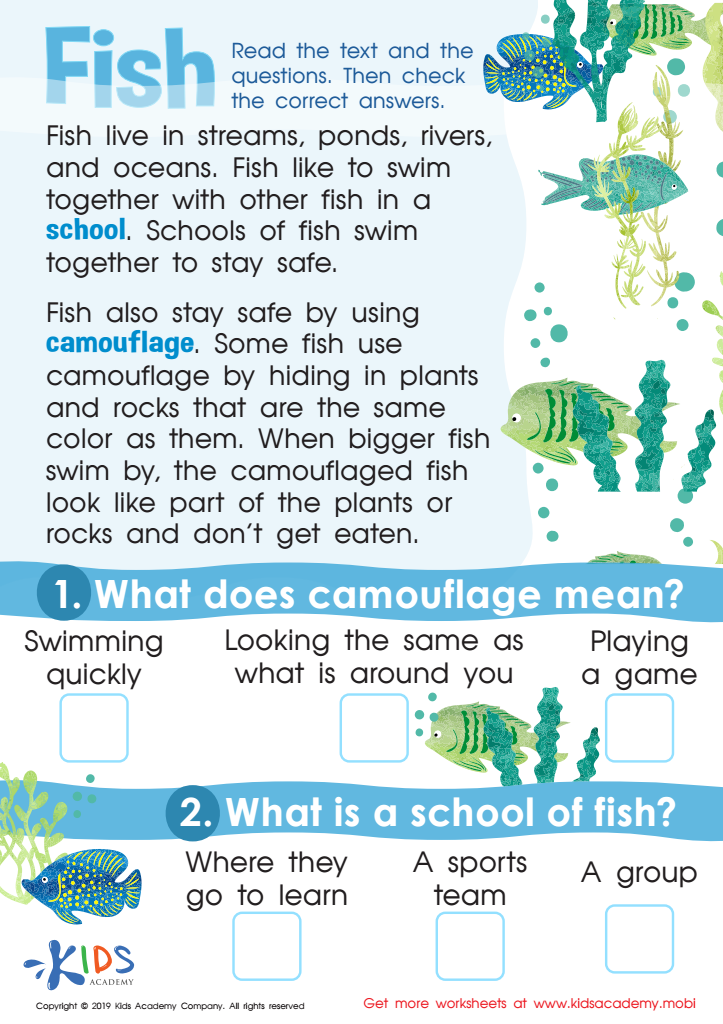
Fish Worksheet
 Assign to My Students











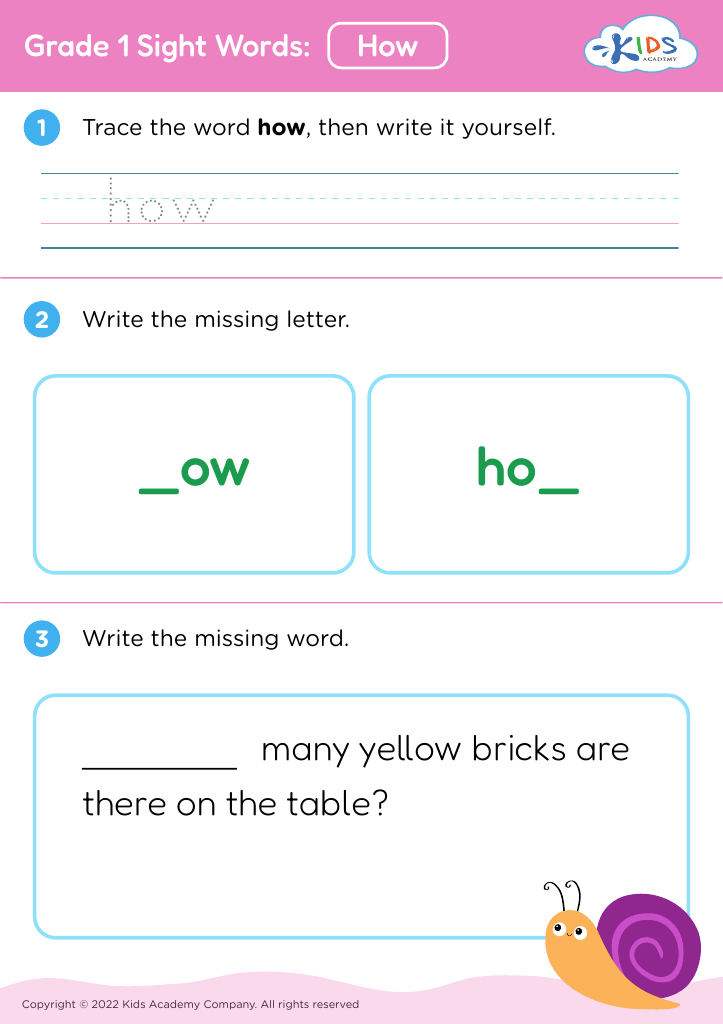
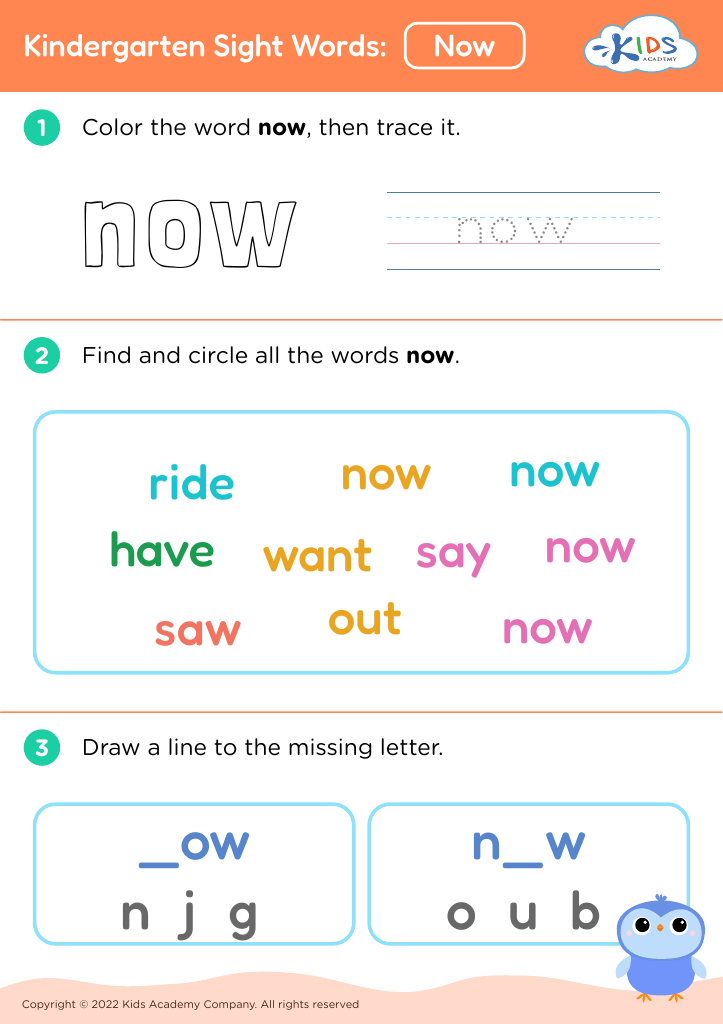
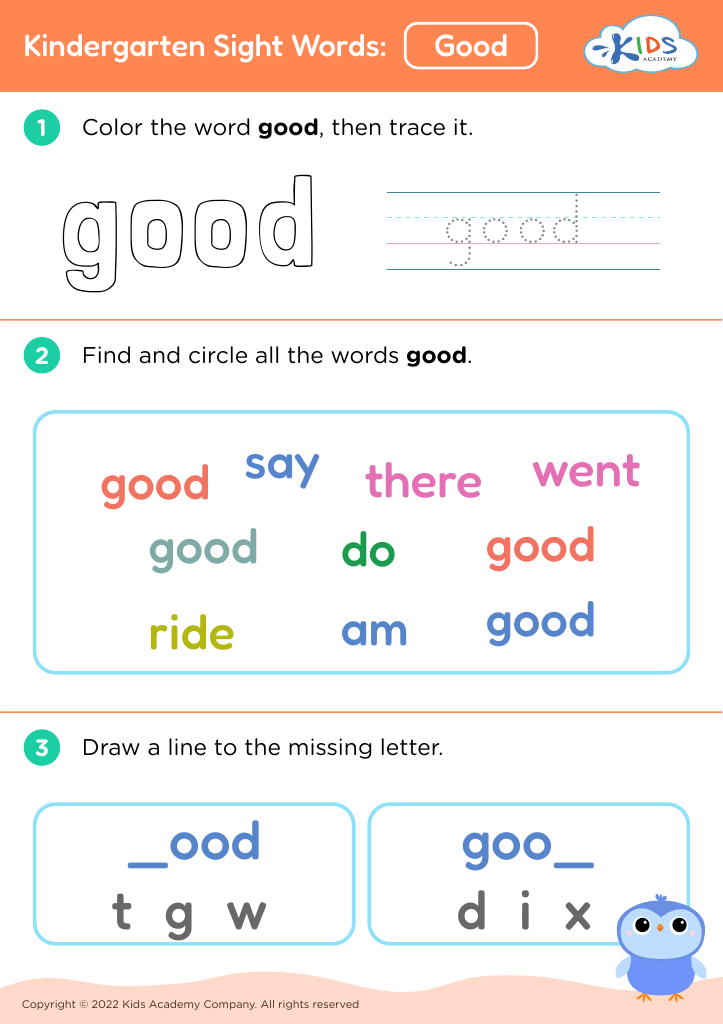







.jpg)
Color identification is a crucial aspect of early childhood education, with deep implications for vocabulary building and cognitive development. For children aged 3-6, understanding colors is not just about recognizing hues; it’s an early step in language acquisition. When children learn to identify colors, they also learn to describe variations in their environment, which enhances their expressive vocabulary.
Engaging in activities that promote color identification helps children connect words with the objects they describe. For example, naming the color of a ball or a flower allows children to use adjectives effectively, enriching their language skills. Furthermore, color vocabulary acts as a foundation for more complex language structures later on.
Additionally, color identification gathers children's attention and encourages observation in their surroundings, fostering experiential learning. By recognizing and categorizing colors, students develop critical thinking and classification skills, which are essential in early problem solving and reasoning.
For teachers and parents, supporting color identification means investing in a fundamental building block of communication and cognitive development. This knowledge not only enhances a child’s academic readiness but also boosts their confidence in interacting with others, laying the groundwork for successful future learning experiences.








