Discover our engaging "Comparing Fractions Building Vocabulary Worksheets" designed specifically for children ages 3-6! These interactive resources help young learners develop a foundational understanding of fractions while enhancing their vocabulary skills. Through fun activities, kids will compare fractions using visual aids, words, and playful exercises that foster curiosity and critical thinking. Our worksheets are easy to follow, ensuring that elementary concepts are grasped with confidence. Perfect for use at home or in the classroom, these materials encourage exploration and learning through hands-on experience. Start your child's journey to mastering comparisons and build essential skills that will last a lifetime!

Check out this FREE Trial Lesson on Building Vocabulary for age 3-6!

Sorting Objects into 3 Categories

Favorites
With answer key
Interactive
  • 3-6
  • Comparing Fractions
  • Building Vocabulary
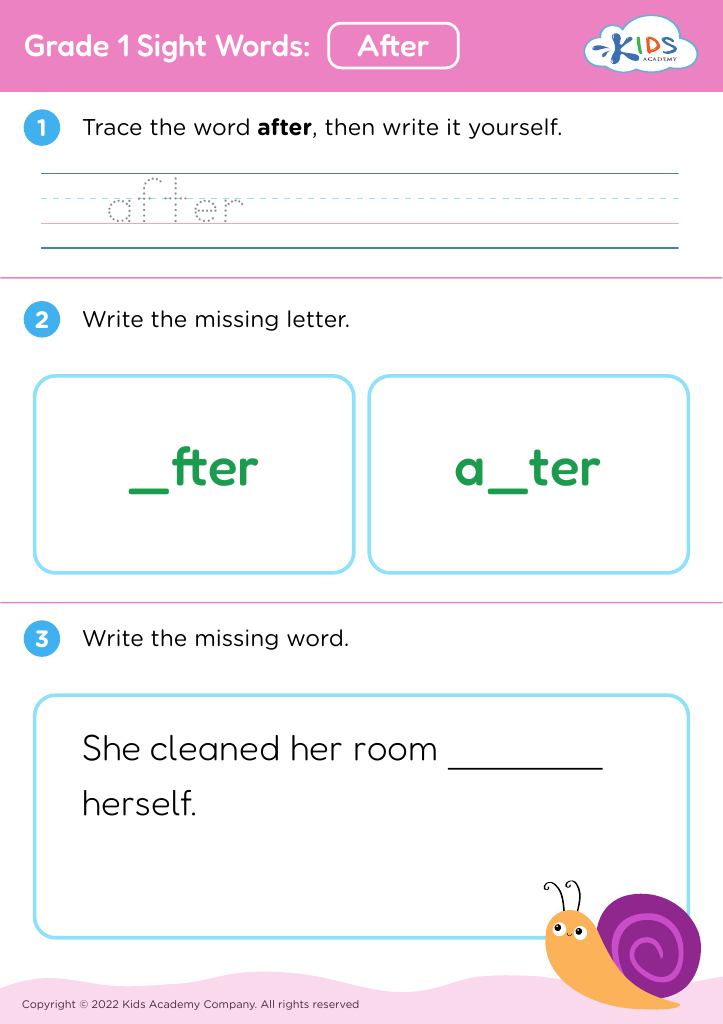
Grade 1 Sight Words: After

Grade 1 Sight Words: After

Grade 1 Sight Words: After
Worksheet
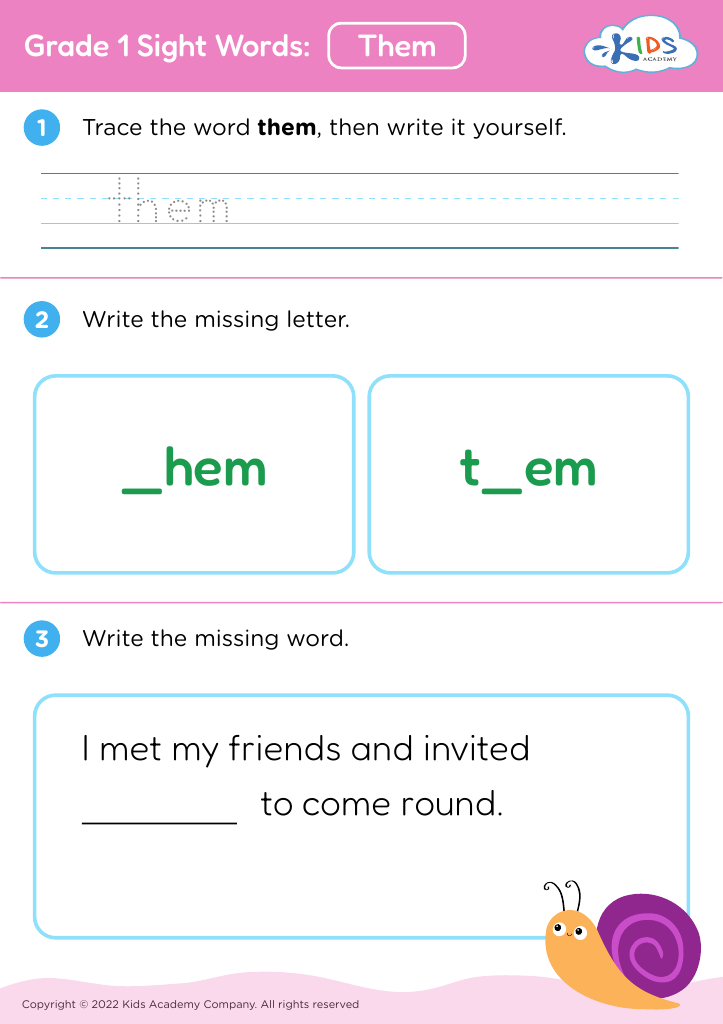
Grade 1 Sight Words: Them

Grade 1 Sight Words: Them

Grade 1 Sight Words: Them
Worksheet
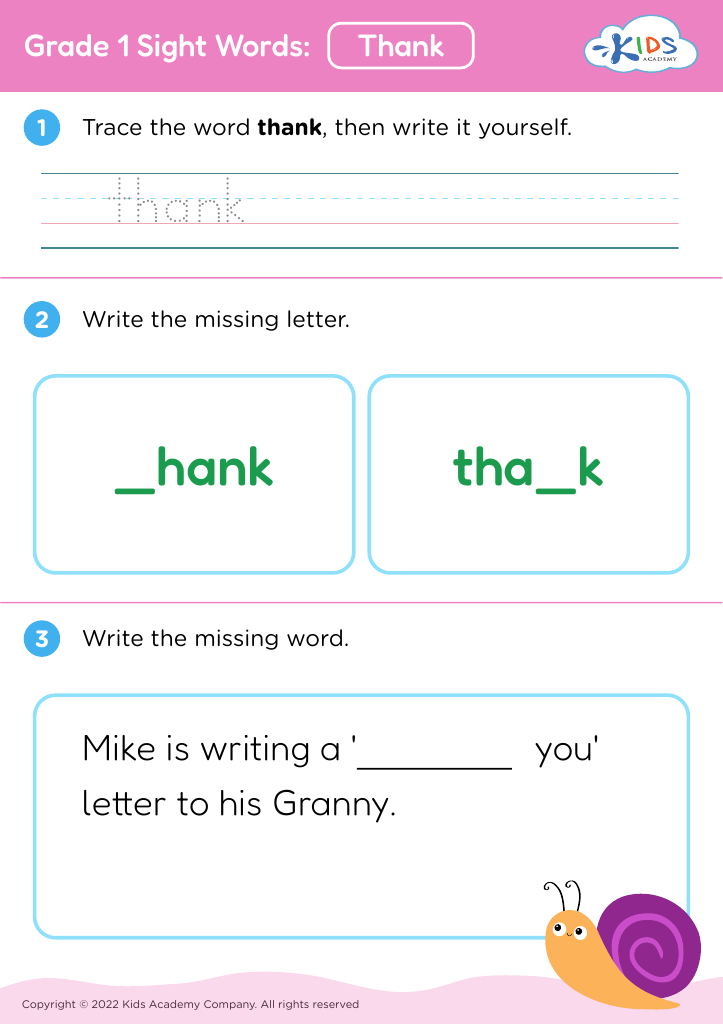
Grade 1 Sight Words: Thank

Grade 1 Sight Words: Thank

Grade 1 Sight Words: Thank
Worksheet
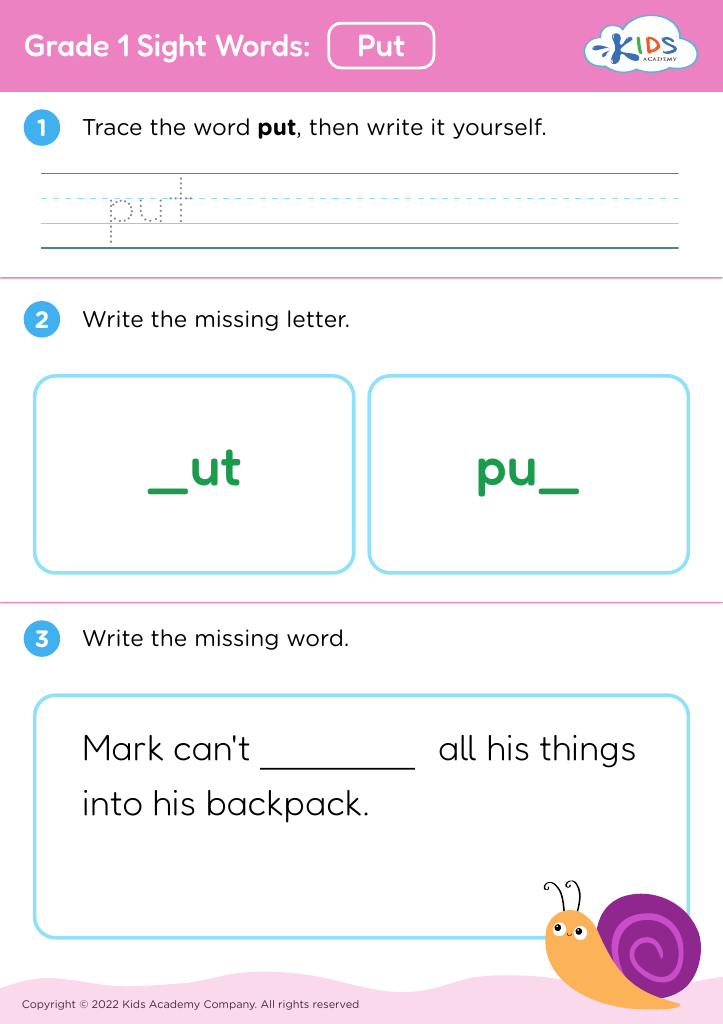
Grade 1 Sight Words: Put

Grade 1 Sight Words: Put

Grade 1 Sight Words: Put
Worksheet
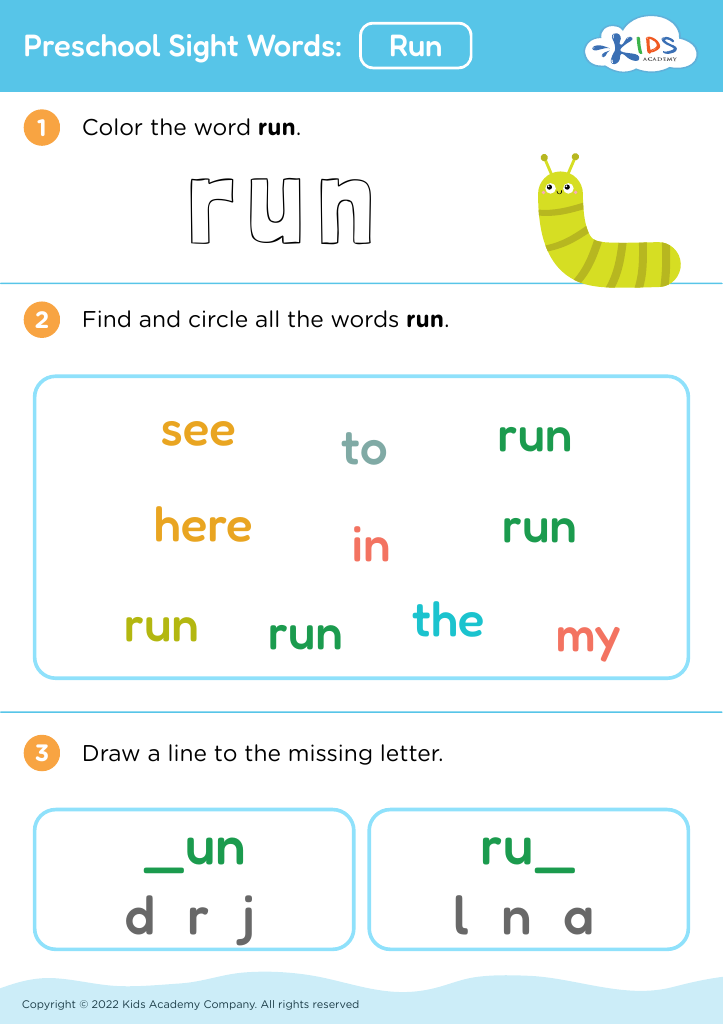
Preschool Sight Words: Run

Preschool Sight Words: Run

Preschool Sight Words: Run
Worksheet
Preschool Sight Words: One

Preschool Sight Words: One

Preschool Sight Words: One
Worksheet
Grade 1 Sight Words: Old

Grade 1 Sight Words: Old

Grade 1 Sight Words: Old
Worksheet
Preschool Sight Words: In

Preschool Sight Words: In

Preschool Sight Words: In
Worksheet
Preschool Sight Words: Here

Preschool Sight Words: Here

Preschool Sight Words: Here
Worksheet
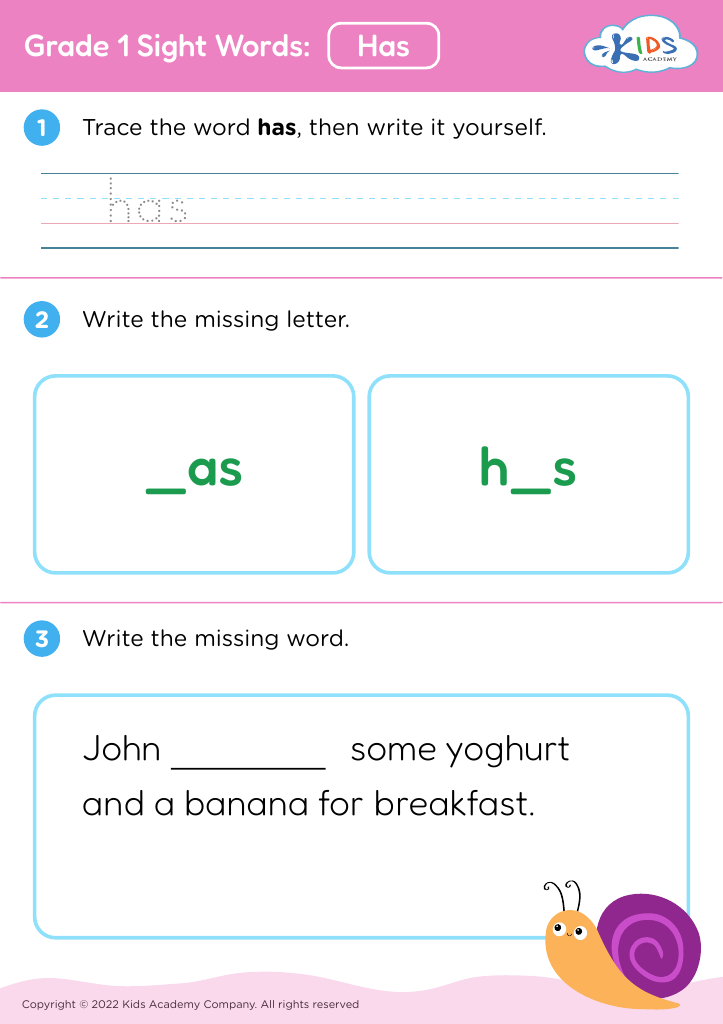
Grade 1 Sight Words: Has

Grade 1 Sight Words: Has

Grade 1 Sight Words: Has
Worksheet
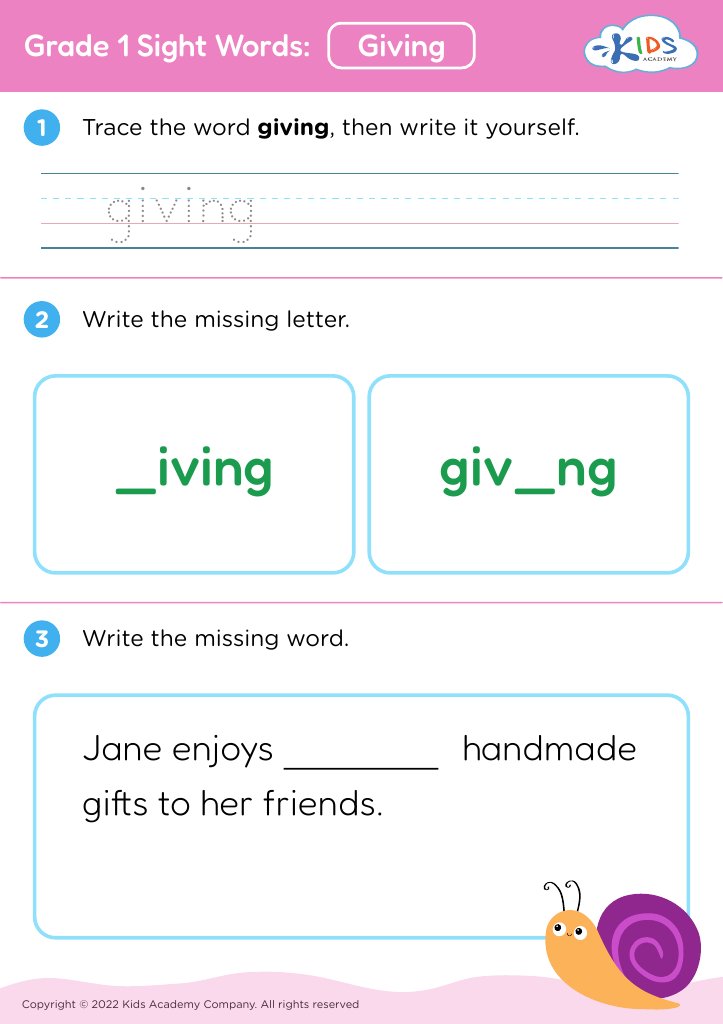
Grade 1 Sight Words: Giving

Grade 1 Sight Words: Giving

Grade 1 Sight Words: Giving
Worksheet
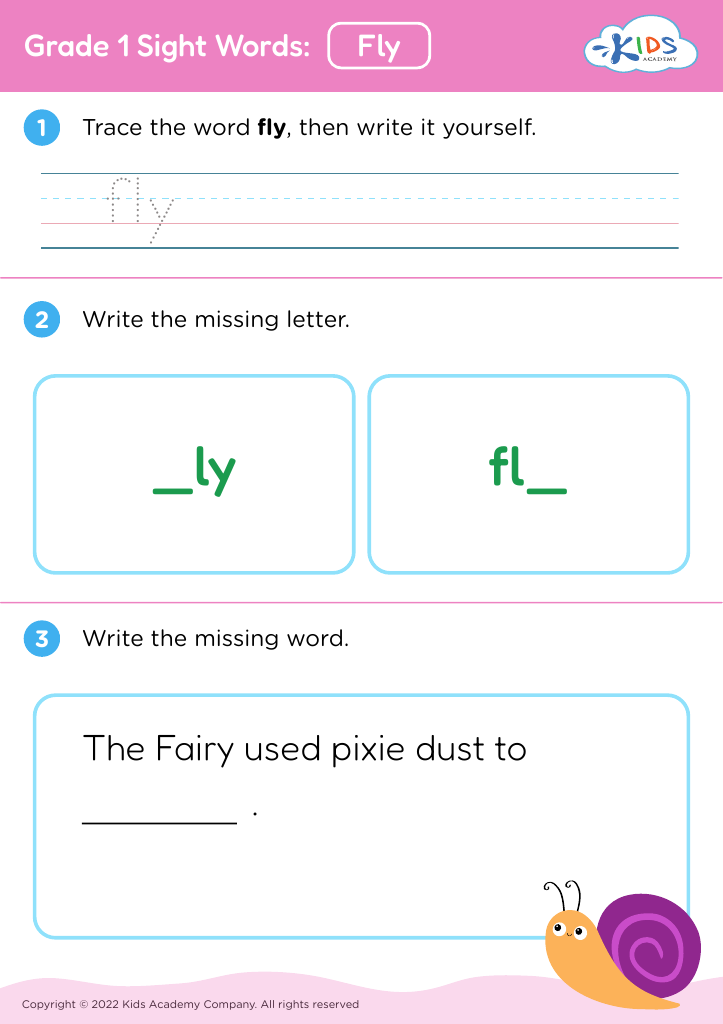
Grade 1 Sight Words: Fly

Grade 1 Sight Words: Fly

Grade 1 Sight Words: Fly
Worksheet
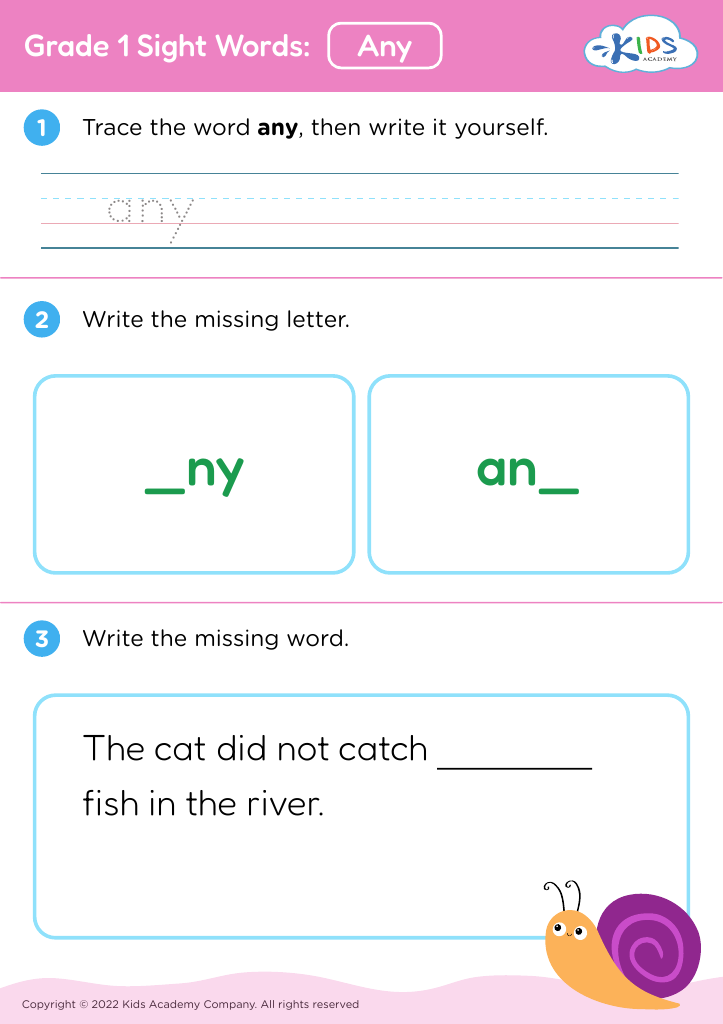
Grade 1 Sight Words: Any

Grade 1 Sight Words: Any

Grade 1 Sight Words: Any
Worksheet
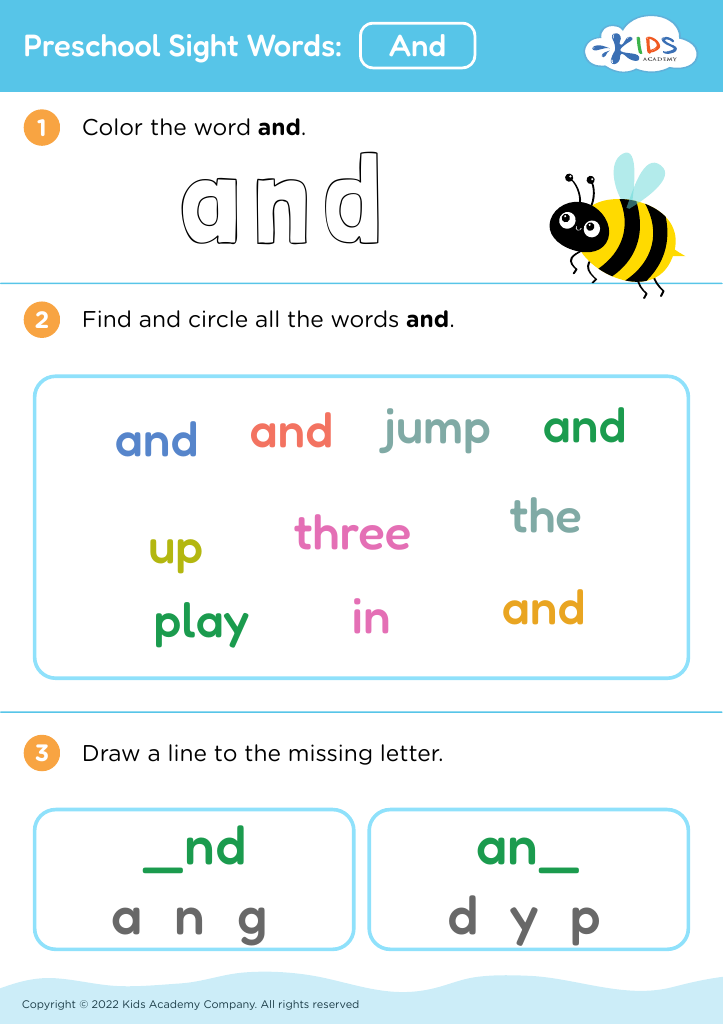
Preschool Sight Words: And

Preschool Sight Words: And

Preschool Sight Words: And
Worksheet
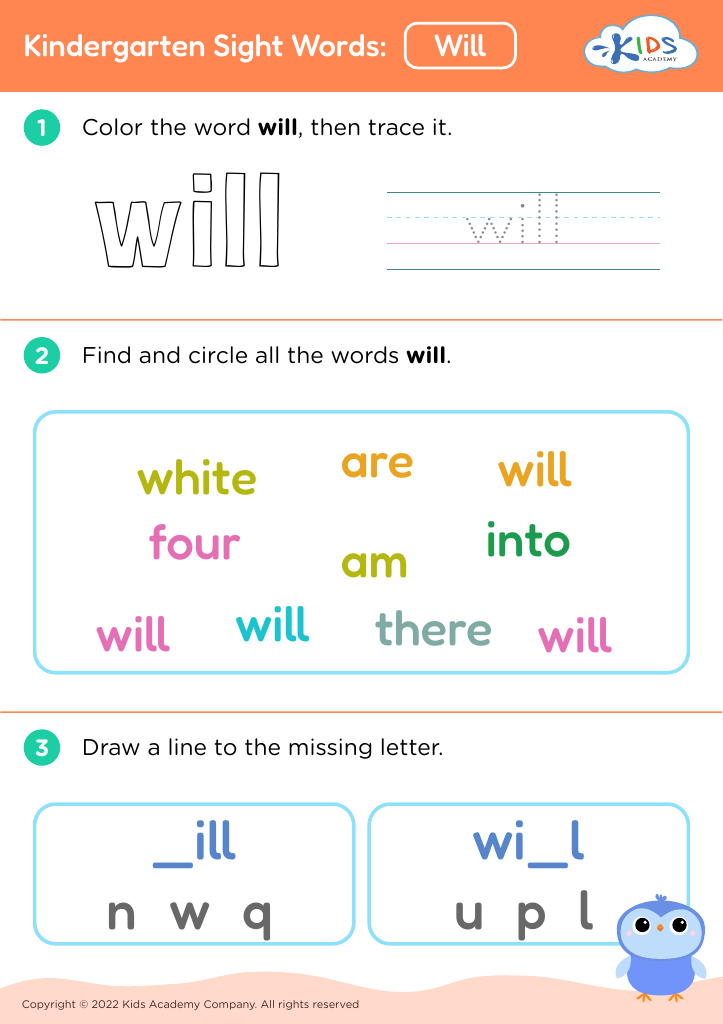
Kindergarten Sight Words: Will

Kindergarten Sight Words: Will

Kindergarten Sight Words: Will
Worksheet
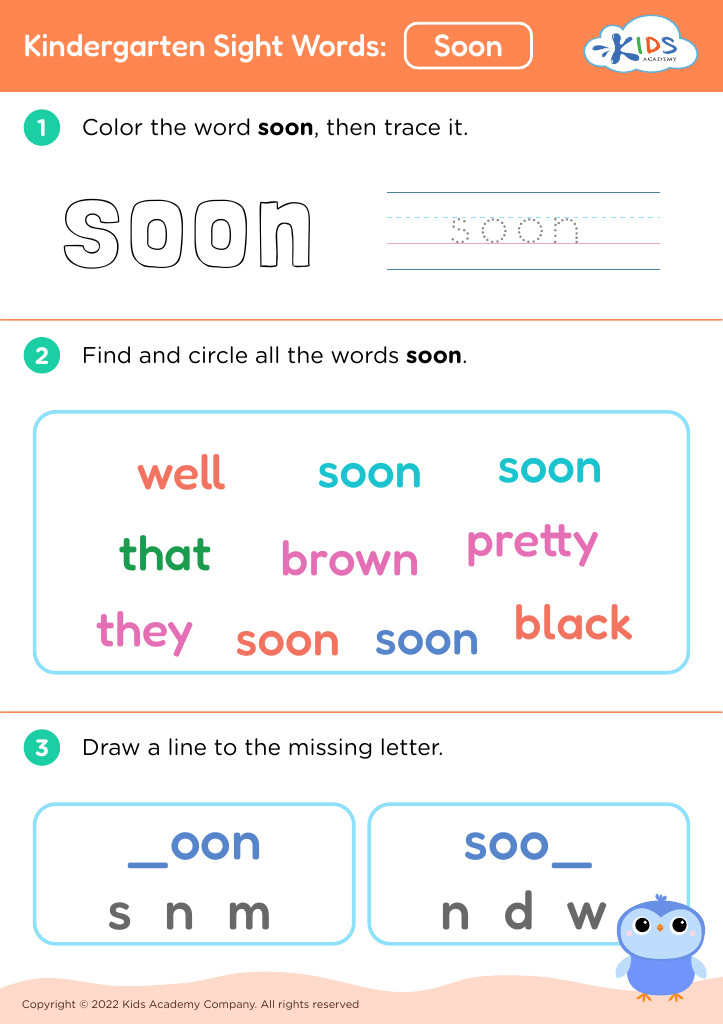
Kindergarten Sight Words: Soon

Kindergarten Sight Words: Soon

Kindergarten Sight Words: Soon
Worksheet
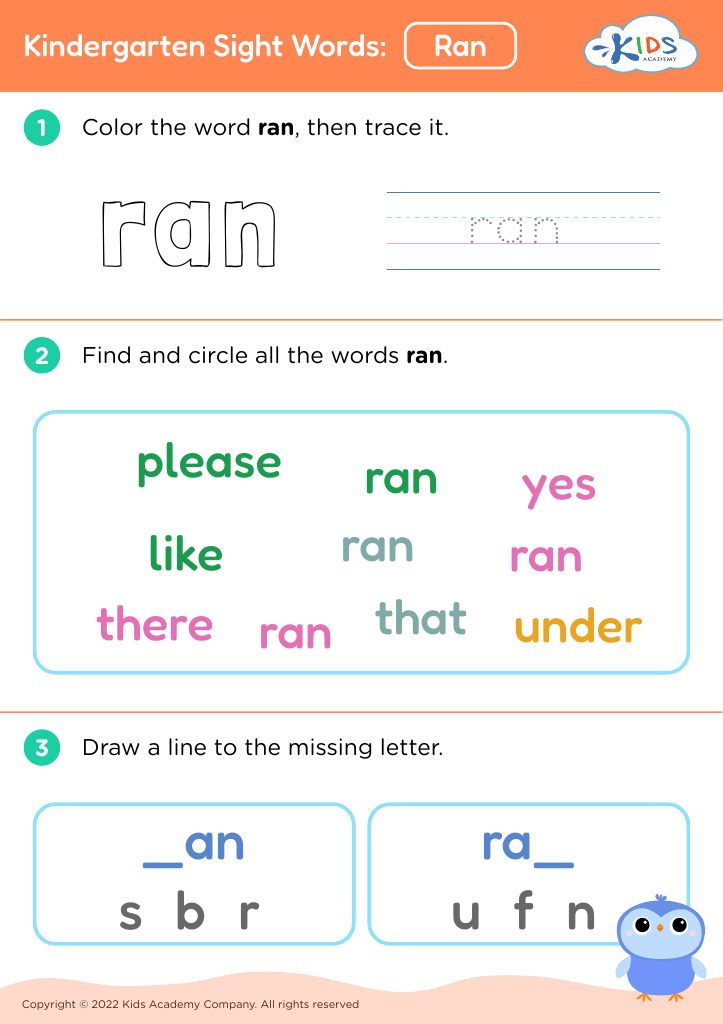
Kindergarten Sight Words: Ran

Kindergarten Sight Words: Ran

Kindergarten Sight Words: Ran
Worksheet
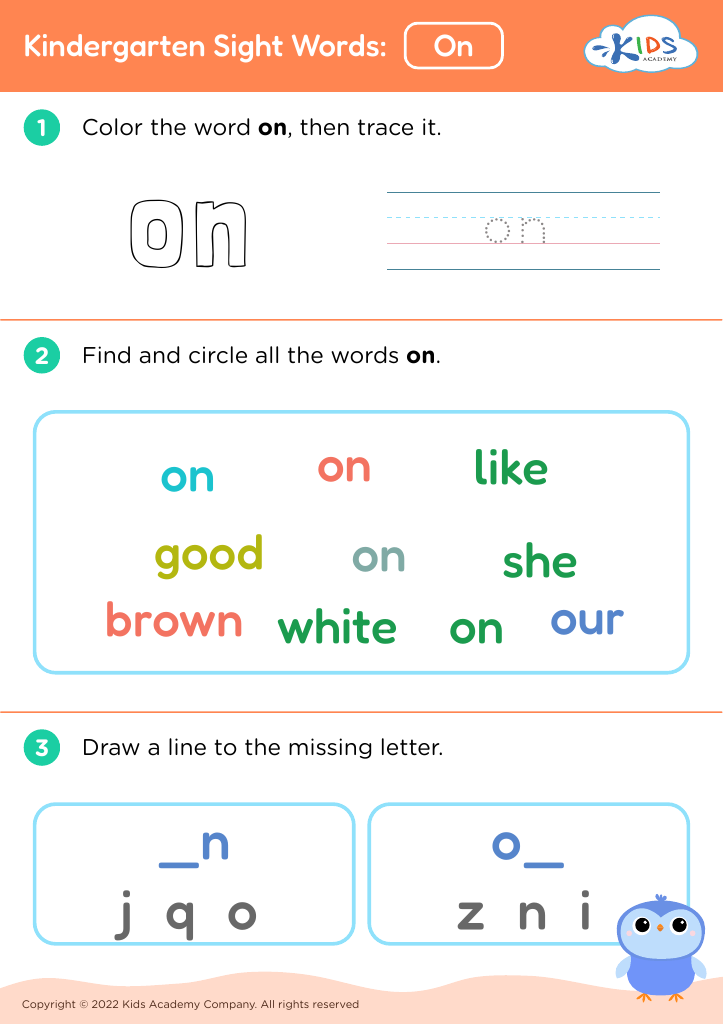
Kindergarten Sight Words: On

Kindergarten Sight Words: On

Kindergarten Sight Words: On
Worksheet
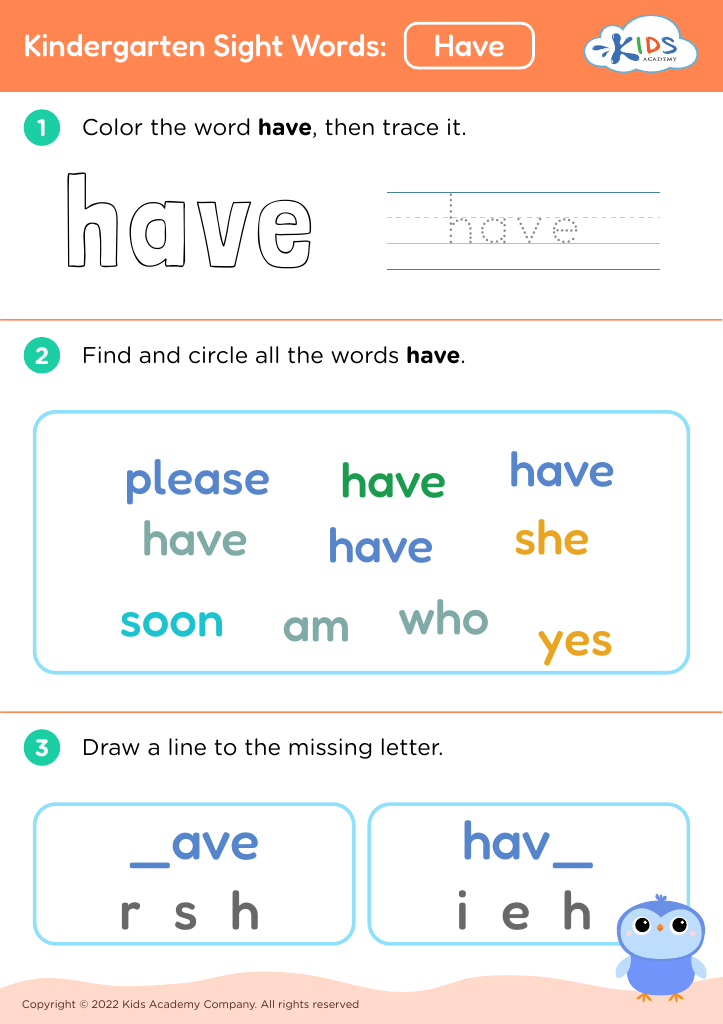
Kindergarten Sight Words: Have

Kindergarten Sight Words: Have

Kindergarten Sight Words: Have
Worksheet
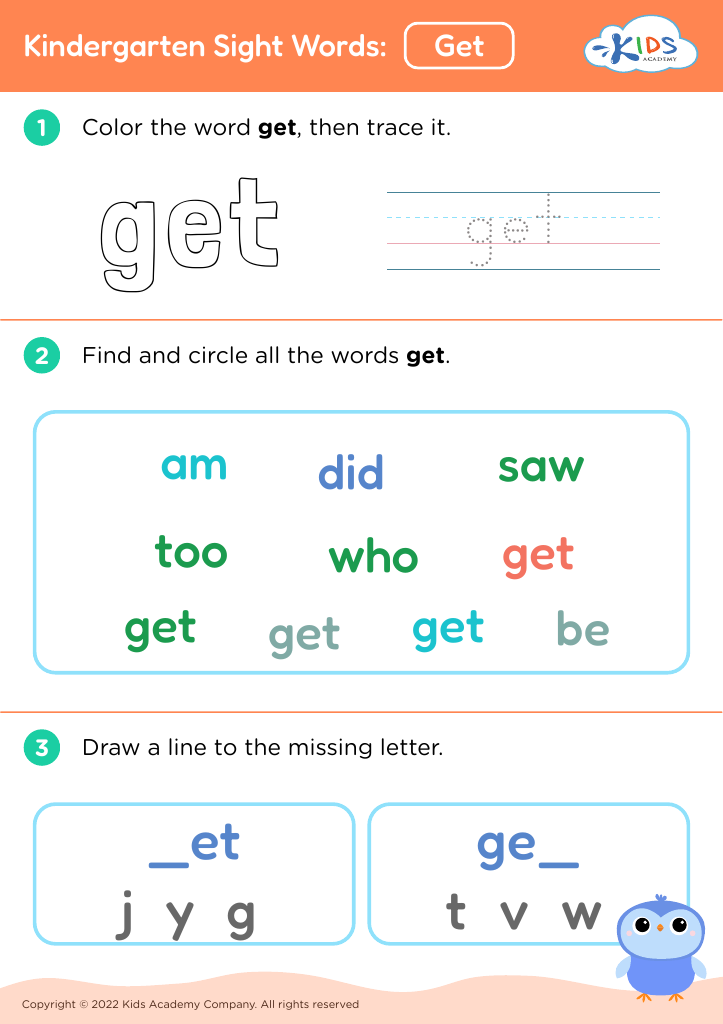
Kindergarten Sight Words: Get

Kindergarten Sight Words: Get

Kindergarten Sight Words: Get
Worksheet
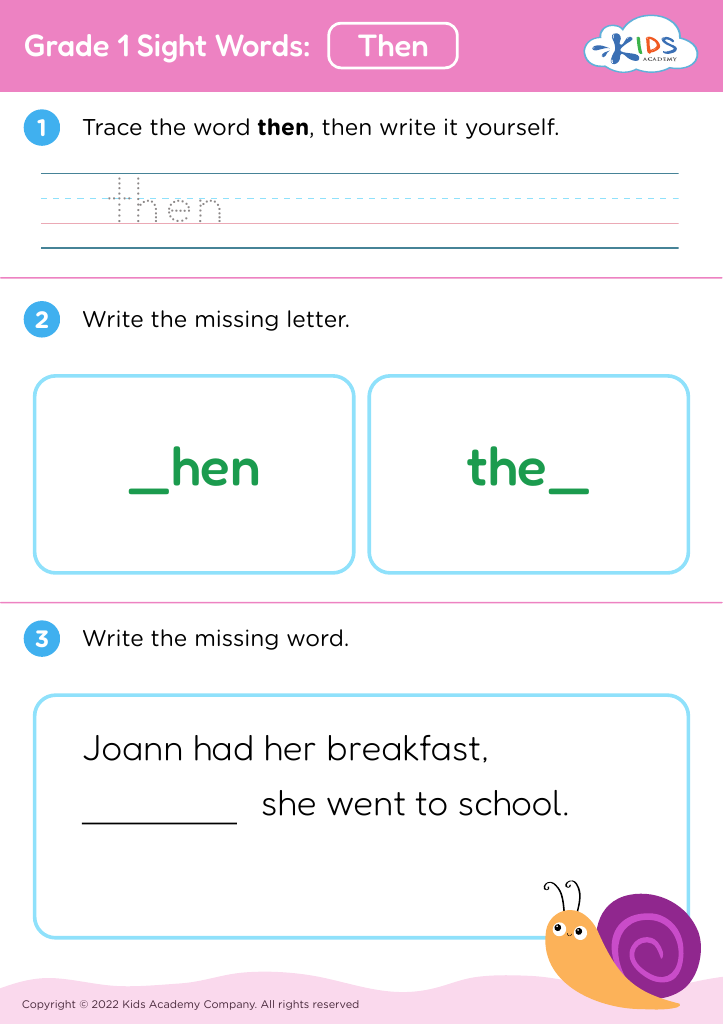
Grade 1 Sight Words: Then

Grade 1 Sight Words: Then

Grade 1 Sight Words: Then
Worksheet
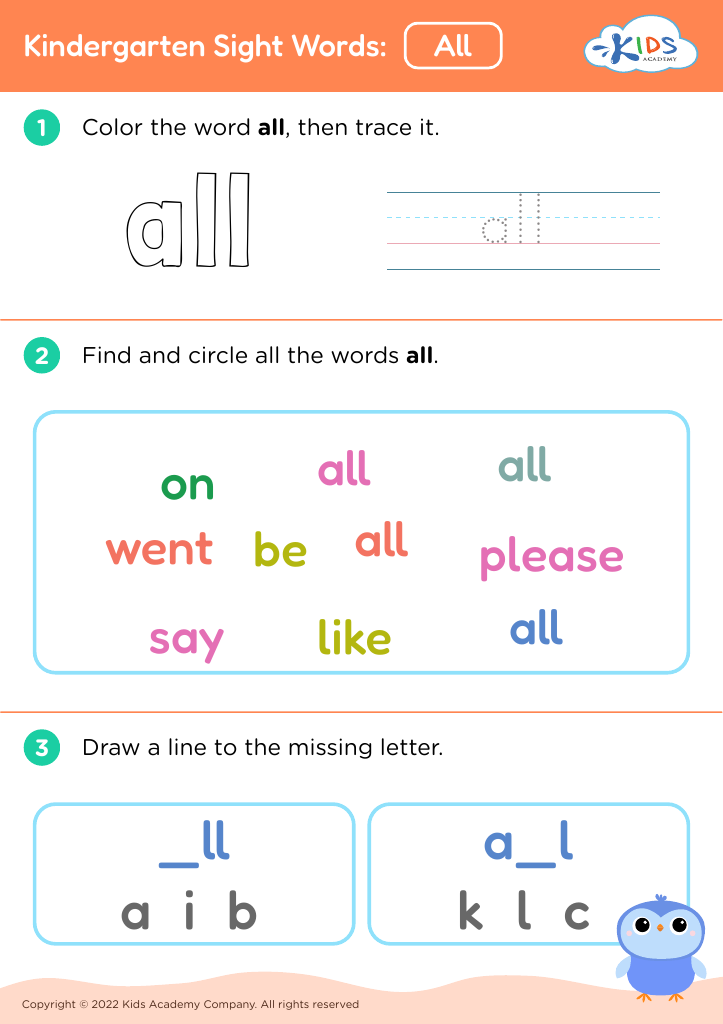
Kindergarten Sight Words: All

Kindergarten Sight Words: All

Kindergarten Sight Words: All
Worksheet


Parents and teachers should prioritize the development of vocabulary related to comparing fractions for children aged 3-6 because early mathematical language lays the foundation for stronger mathematical skills in later years. Learning the specific terms associated with fractions, such as “equal,” “greater than,” “less than,” and “whole,” helps children articulate their thoughts and reasoning processes. This vocabulary enriches their mathematical understanding, allowing them to grasp essential concepts such as part-whole relationships more effectively.

Furthermore, introducing these concepts in a relatable and engaging manner fosters a positive attitude toward math. When children understand basic fraction vocabulary, they can confidently participate in activities and discussions, enhancing their communication skills and promoting collaborative learning experiences. Understanding fractions enhances critical thinking and problem-solving, skills essential for academic success.

Additionally, engaging language aids in the retention of mathematical concepts. Utilizing visual aids, manipulatives, and storytelling can make learning fractions enjoyable and accessible. As children begin to encounter more complex mathematical concepts in subsequent grades, a strong foundation in vocabulary and understanding of comparing fractions will empower them to tackle new challenges with confidence. In short, investing time in building this vocabulary is critical for nurturing young learners' cognitive development and mathematical fluency.