Filters

19 filtered results

Clear all filters
Favorites
With answer key
Interactive

19 filtered results

Difficulty Level

Grade


Discover our engaging Counting Skills Building Vocabulary Worksheets designed specifically for children aged 3-6! These fun and interactive worksheets help young learners combine essential counting skills with vocabulary enhancement. Through colorful visuals and hands-on activities, your child will not only master counting numbers but also develop a rich vocabulary, laying a strong foundation for future learning. Our worksheets encourage creative thinking and reinforce number recognition through delightful games and exercises. Perfect for preschool and kindergarten settings, our resources will keep your little ones excited about learning as they embark on an educational journey filled with numbers and words. Start exploring today!

Check out this FREE Trial Lesson on Building Vocabulary for age 3-6!

Distinguish Between Similarly Spelled Words

Favorites
With answer key
Interactive
  • 3-6
  • Counting skills
  • Building Vocabulary
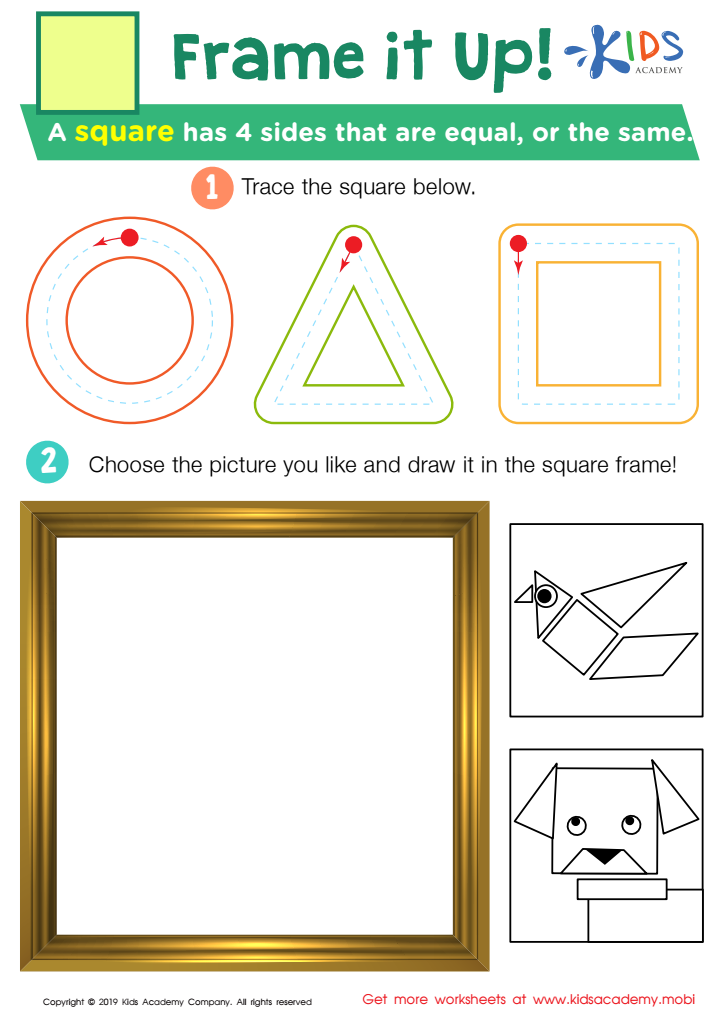
Frame it Up Worksheet

Frame it Up Worksheet

This worksheet helps kids learn the difference between squares and other shapes. It guides them to trace a square and draw a picture inside it. Examples of shapes-based drawings are included. Kids will have fun and clear up any confusion about squares.
Frame it Up Worksheet
Worksheet
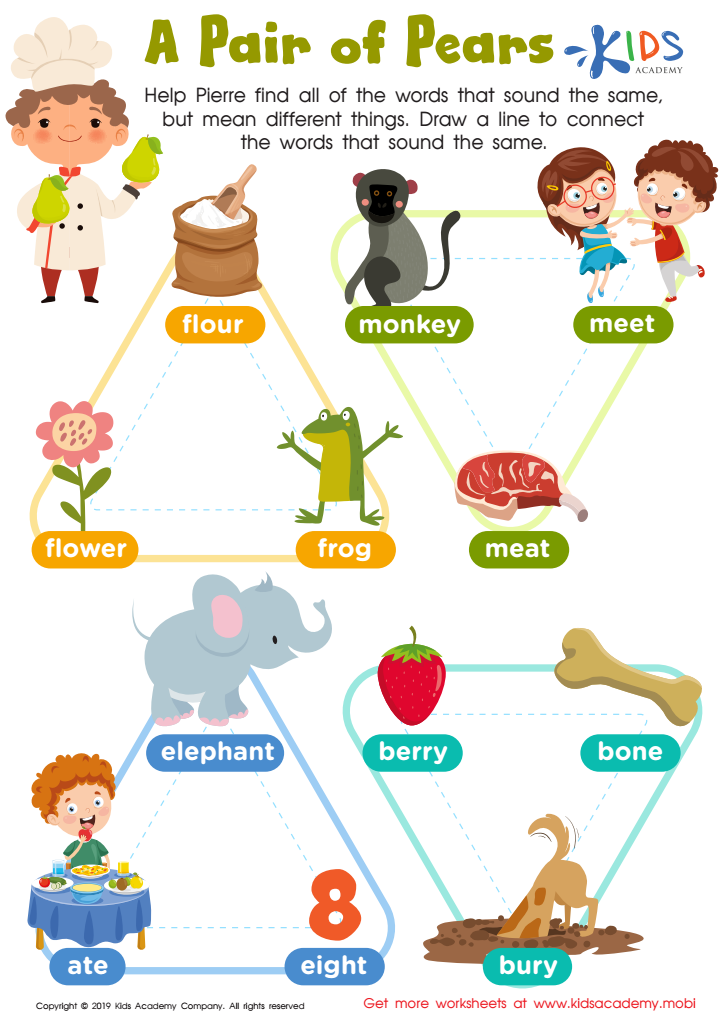
Pair Pears Worksheet
Pair Pears Worksheet
Young readers can have difficulty knowing when to use the right homophone. This free worksheet helps them use familiar imagery to understand better by connecting words that sound similar but are spelled and mean different things. Students will trace the lines to form a picture and have a reference image to differentiate between the different homophones.
Pair Pears Worksheet
Worksheet
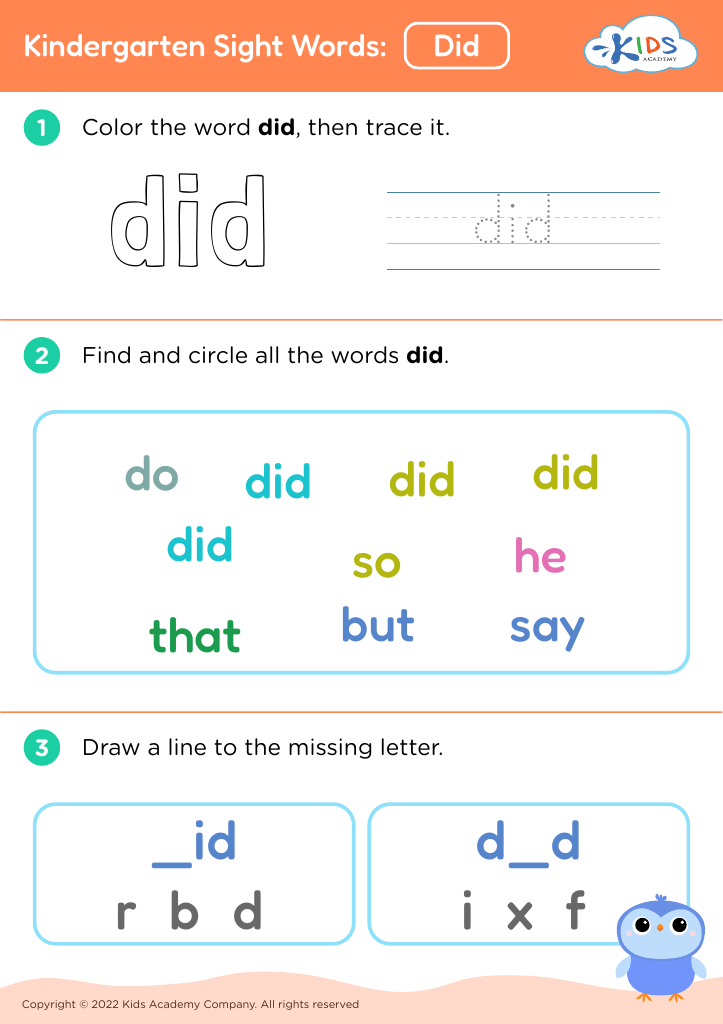
Kindergarten Sight Words: Did

Kindergarten Sight Words: Did

Kindergarten Sight Words: Did
Worksheet
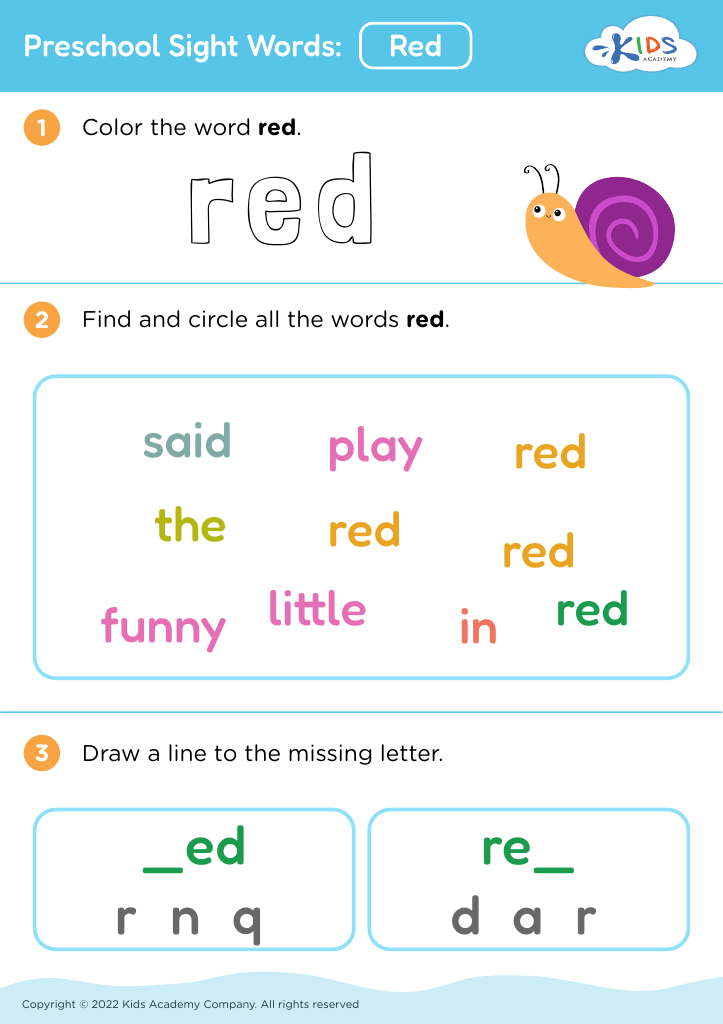
Preschool Sight Words: Red

Preschool Sight Words: Red

Preschool Sight Words: Red
Worksheet
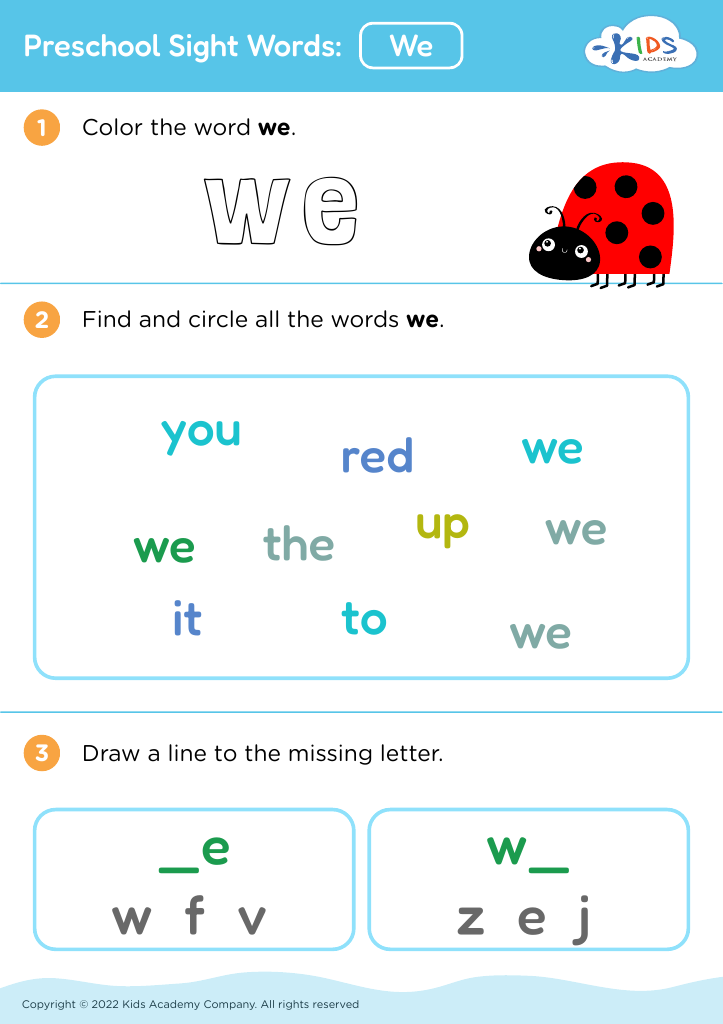
Preschool Sight Words: We

Preschool Sight Words: We

Preschool Sight Words: We
Worksheet
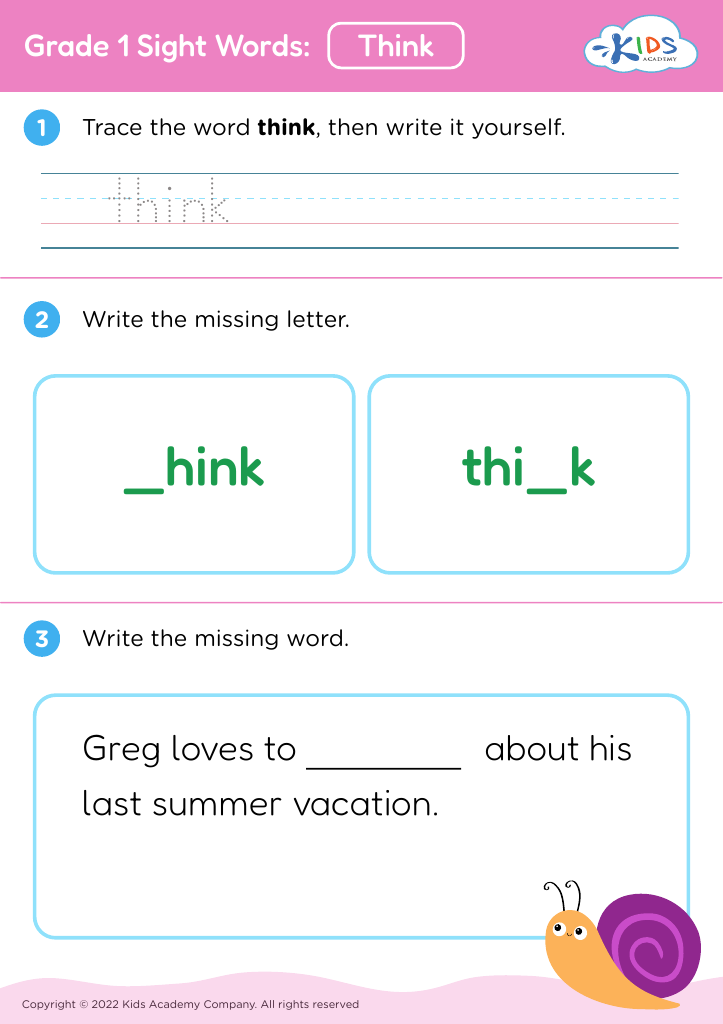
Grade 1 Sight Words: Think

Grade 1 Sight Words: Think

Grade 1 Sight Words: Think
Worksheet
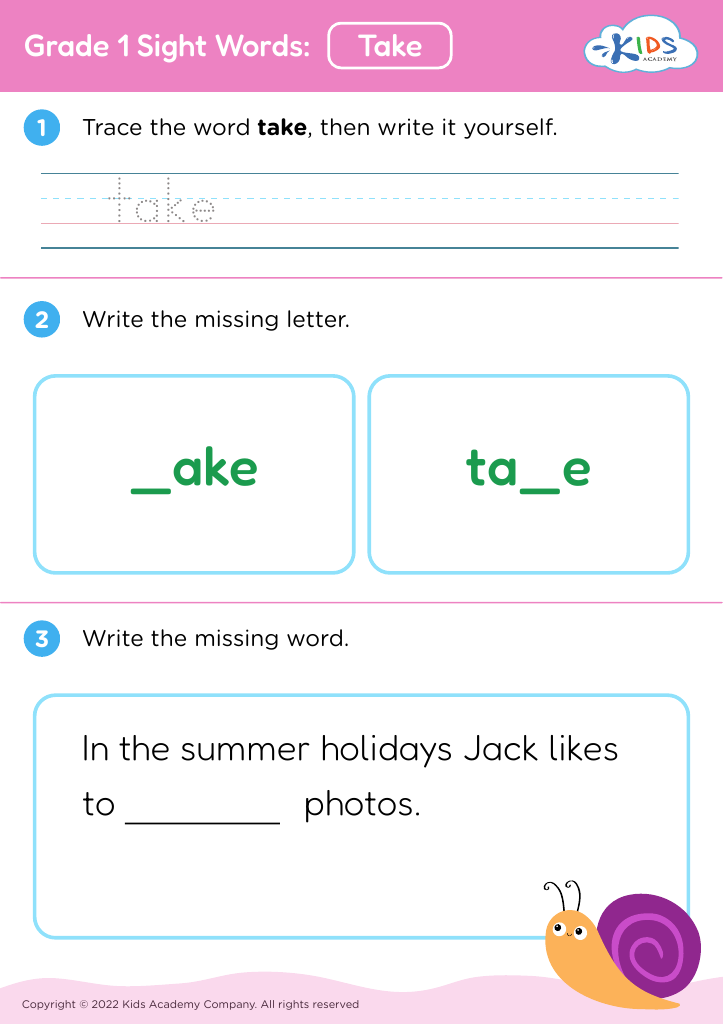
Grade 1 Sight Words: Take

Grade 1 Sight Words: Take

Grade 1 Sight Words: Take
Worksheet
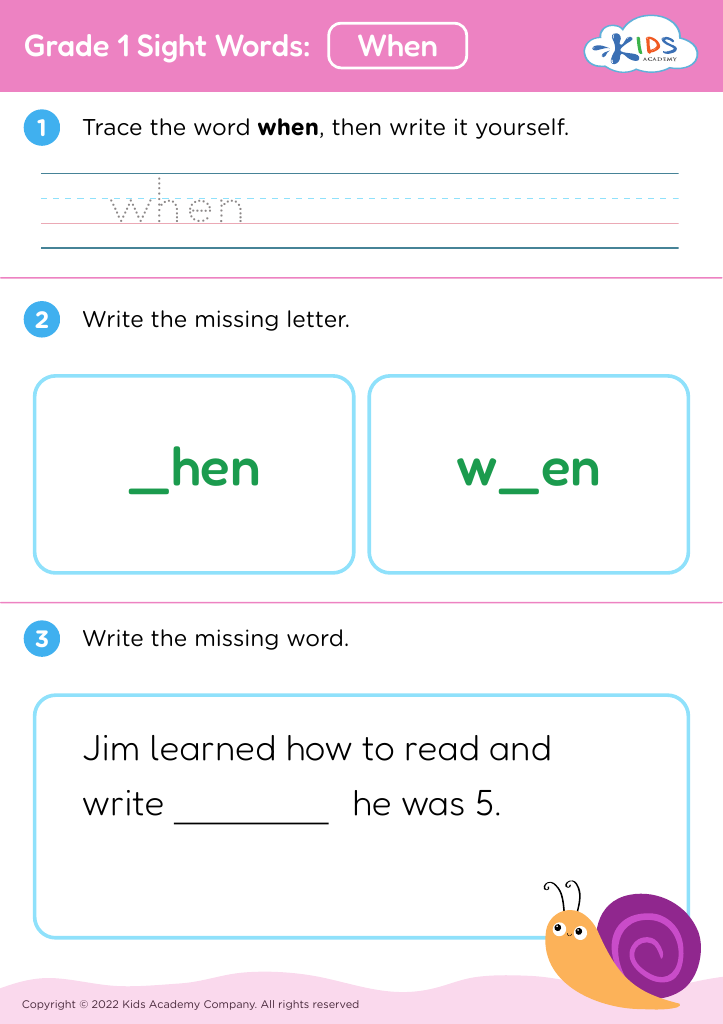
Grade 1 Sight Words: When

Grade 1 Sight Words: When

Grade 1 Sight Words: When
Worksheet
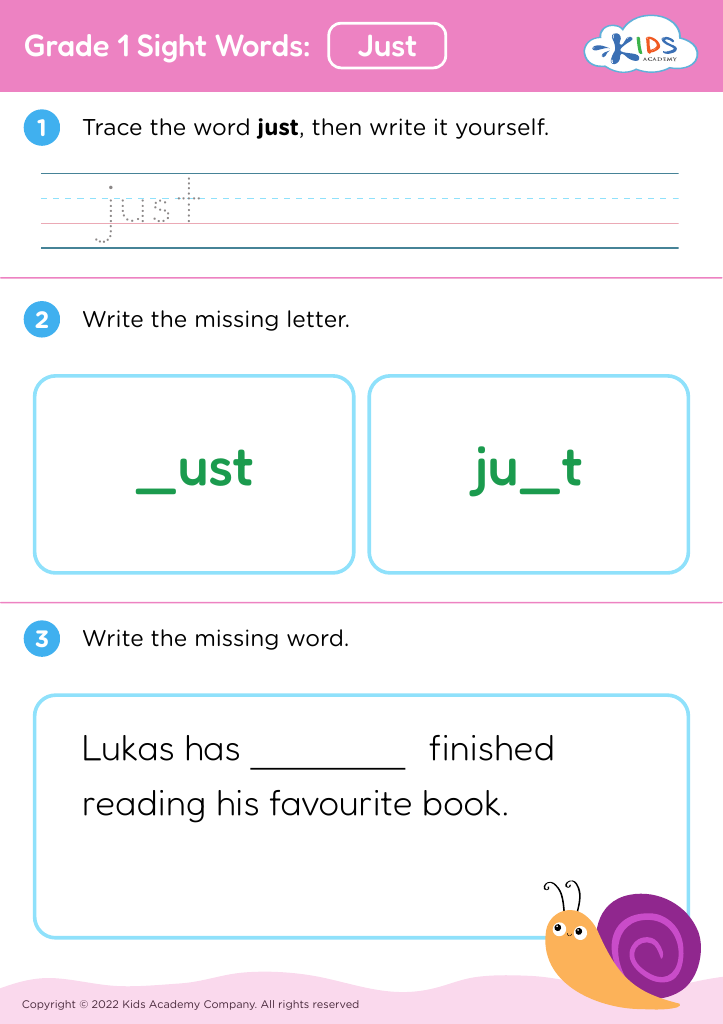
Grade 1 Sight Words: Just

Grade 1 Sight Words: Just

Grade 1 Sight Words: Just
Worksheet
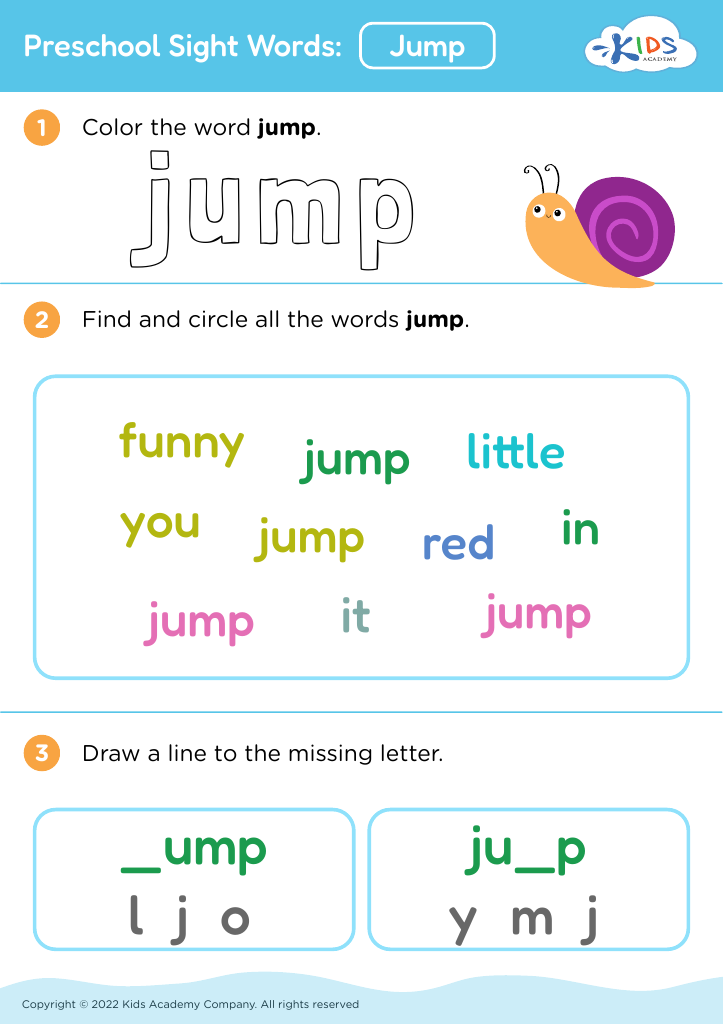
Preschool Sight Words: Jump

Preschool Sight Words: Jump

Preschool Sight Words: Jump
Worksheet
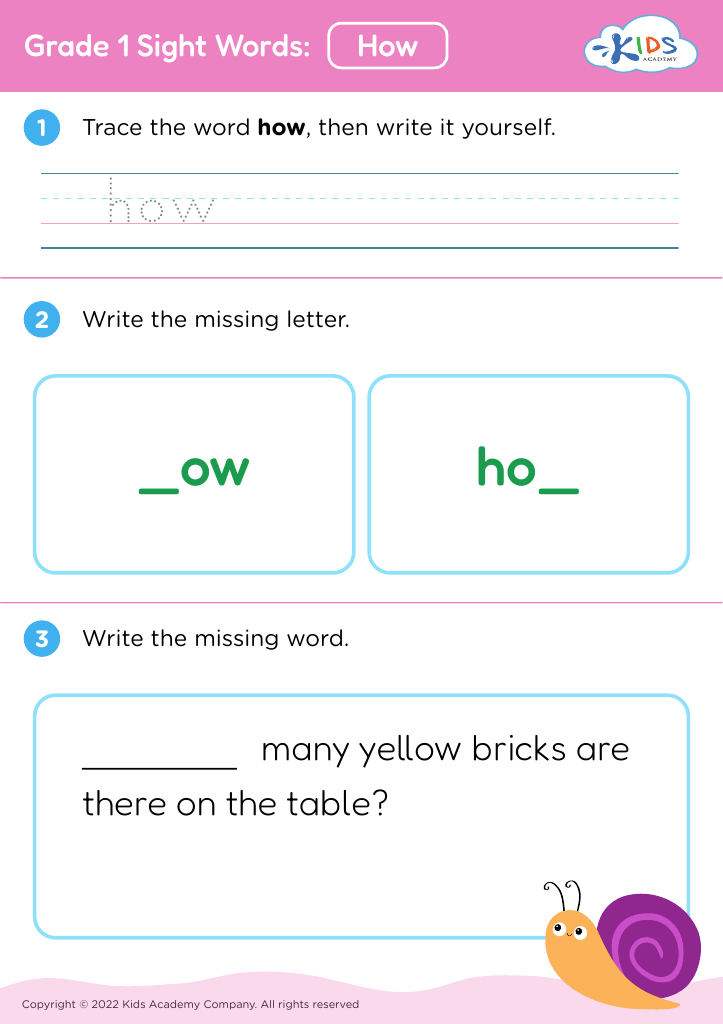
Grade 1 Sight Words: How

Grade 1 Sight Words: How

Grade 1 Sight Words: How
Worksheet
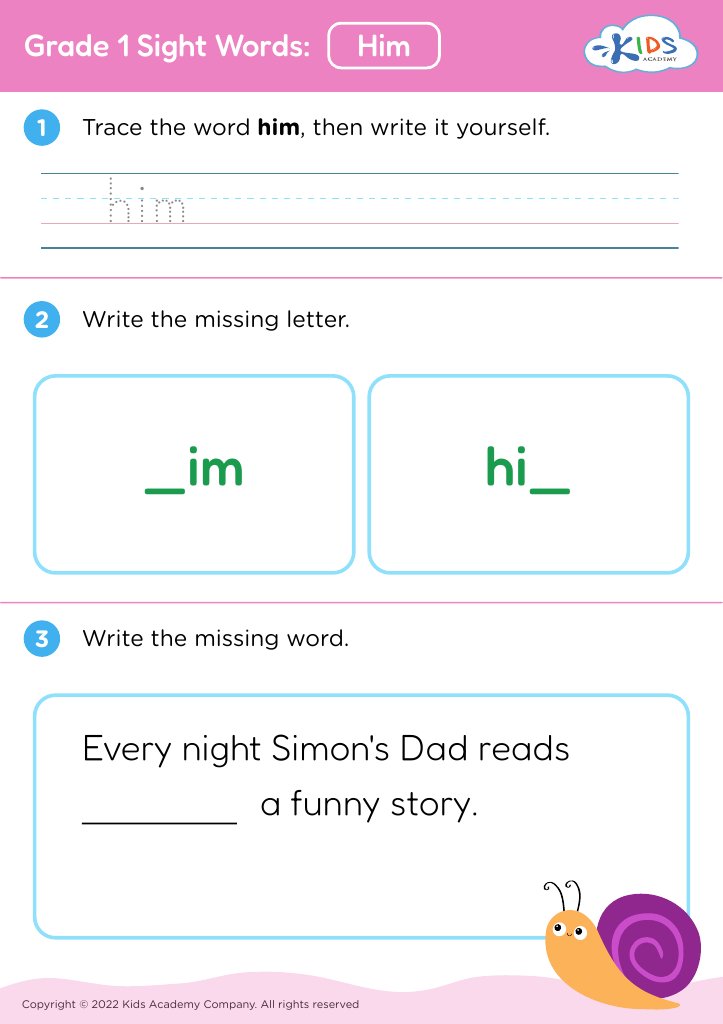
Grade 1 Sight Words: Him

Grade 1 Sight Words: Him

Grade 1 Sight Words: Him
Worksheet
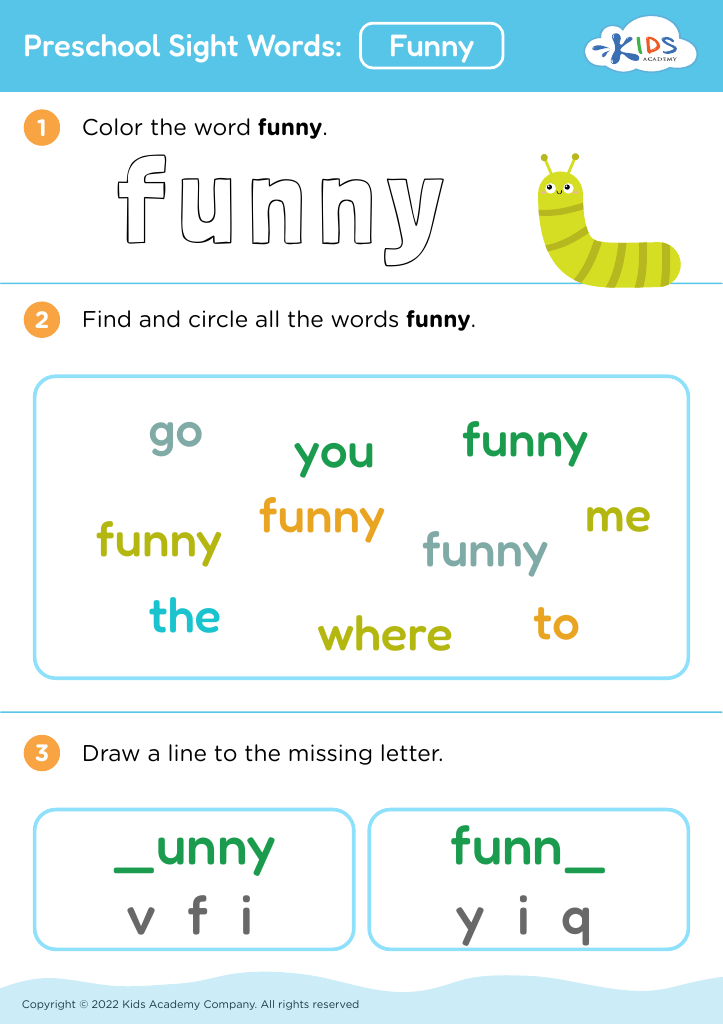
Preschool Sight Words: Funny

Preschool Sight Words: Funny

Preschool Sight Words: Funny
Worksheet
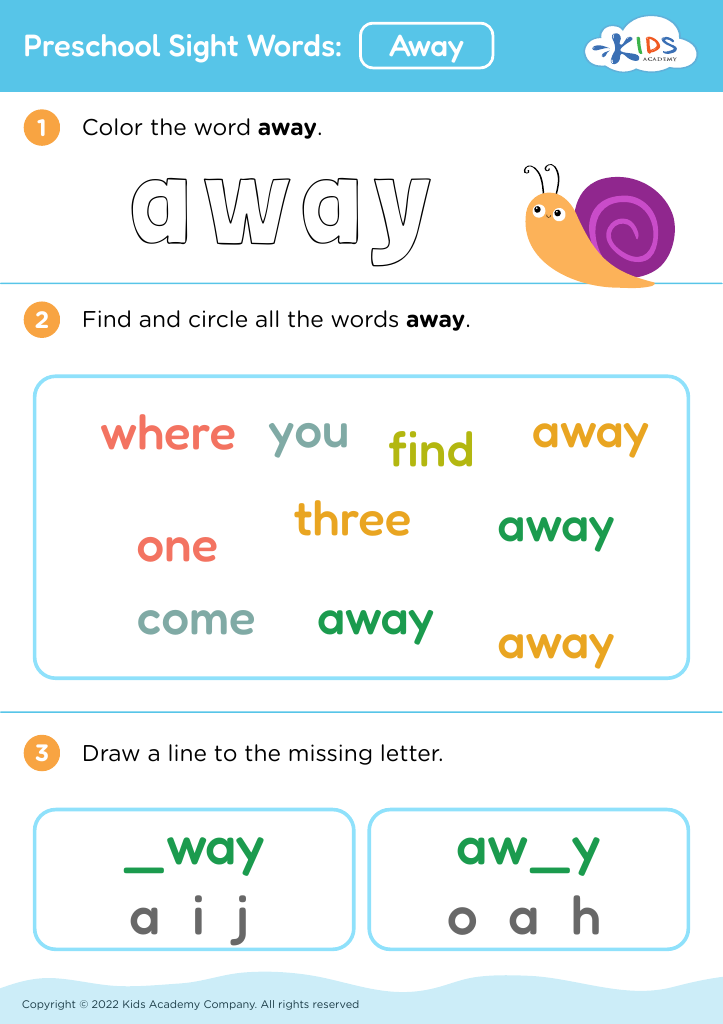
Preschool Sight Words: Away

Preschool Sight Words: Away

Preschool Sight Words: Away
Worksheet
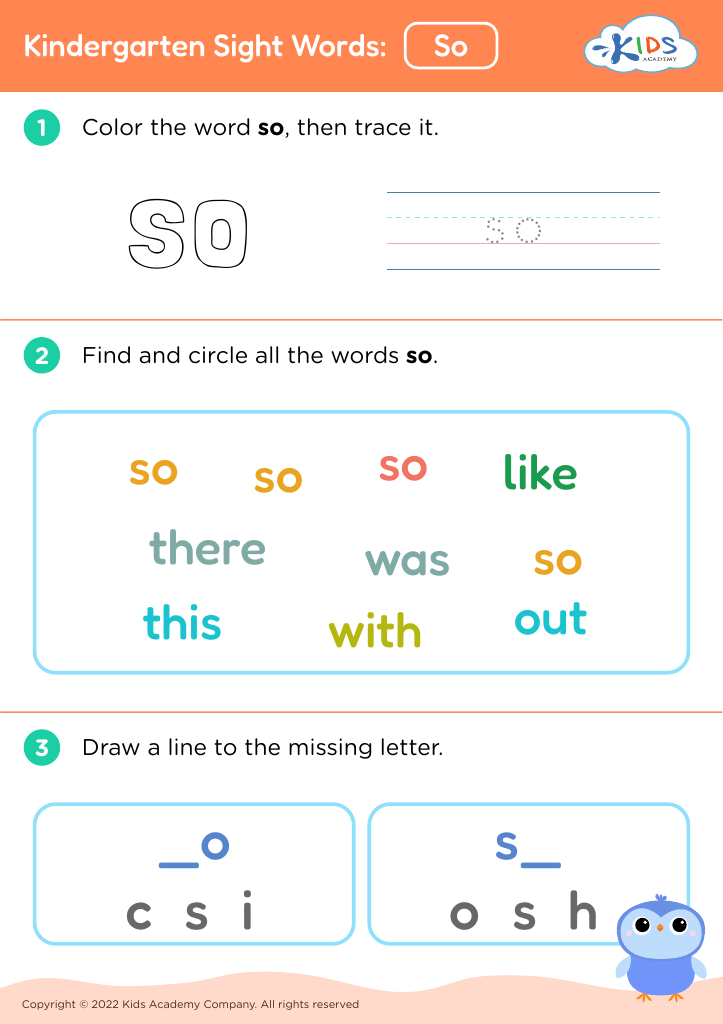
Kindergarten Sight Words: So

Kindergarten Sight Words: So

Kindergarten Sight Words: So
Worksheet
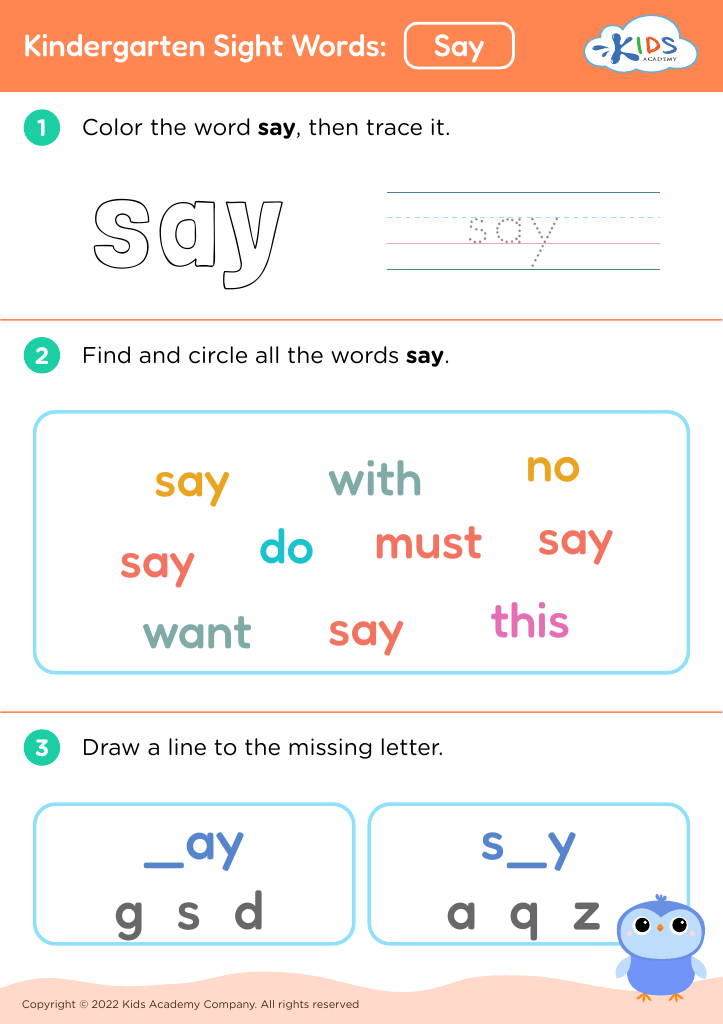
Kindergarten Sight Words: Say

Kindergarten Sight Words: Say

Kindergarten Sight Words: Say
Worksheet
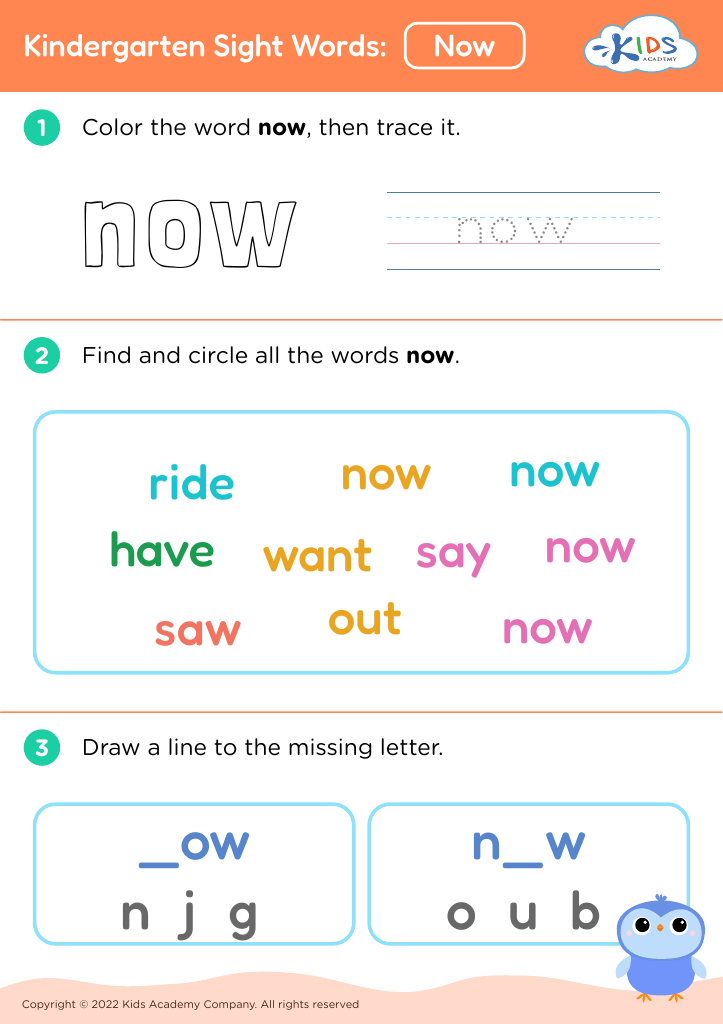
Kindergarten Sight Words: Now

Kindergarten Sight Words: Now

Kindergarten Sight Words: Now
Worksheet
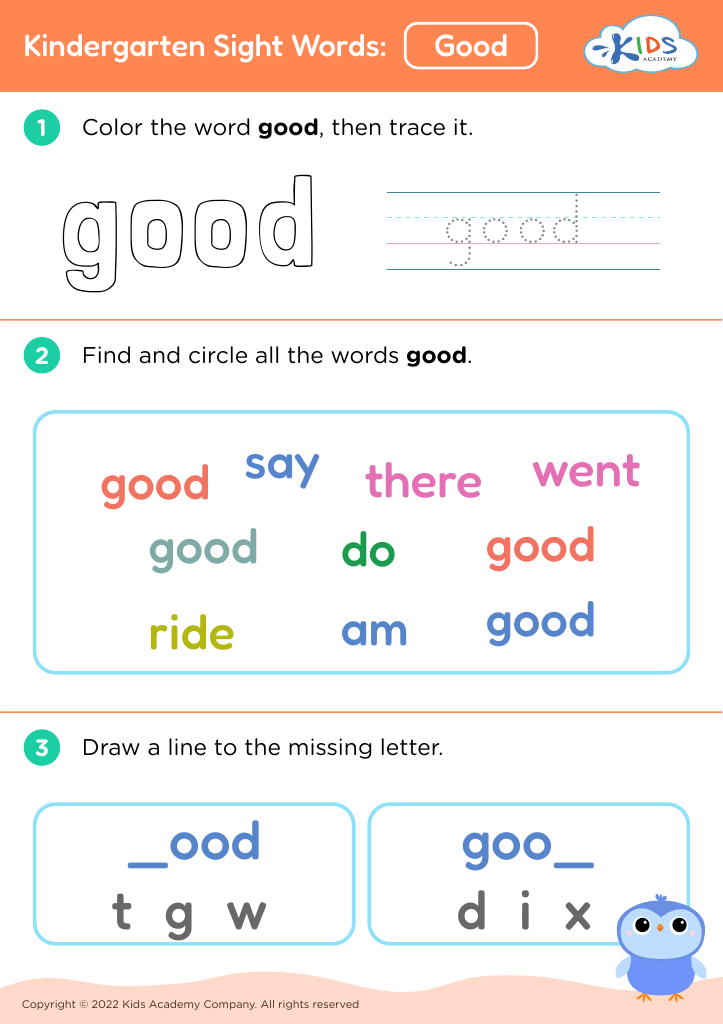
Kindergarten Sight Words: Good

Kindergarten Sight Words: Good

Kindergarten Sight Words: Good
Worksheet
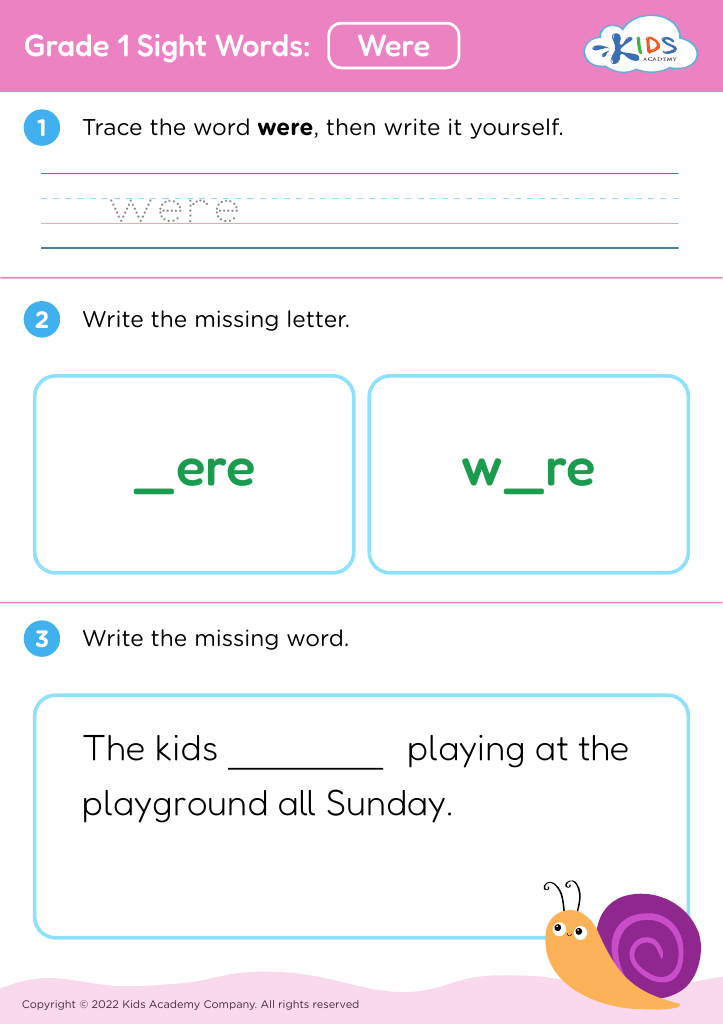
Grade 1 Sight Words: Were

Grade 1 Sight Words: Were

Grade 1 Sight Words: Were
Worksheet


Counting skills and vocabulary development are crucial components of early childhood education that warrant attention from both parents and teachers. For children aged 3-6, these skills form the foundation for academic success and everyday functioning.

Firstly, counting skills enhance numerical literacy, enabling children to understand basic math concepts. This early exposure to counting can ease transitions into more complex mathematical operations later on, fostering confidence and easing anxiety around numbers.

Simultaneously, building vocabulary supports language development, essential for effective communication and comprehension across subjects. A rich vocabulary allows children to express their thoughts and emotions, understand instructions, and engage in social interactions, laying the groundwork for literacy skills.

Moreover, there is a strong link between counting skills and vocabulary. For example, when children learn to count objects, they also encounter new words that describe those objects, enriching their language skills.

Investing in both areas not only benefits cognitive and language development but also encourages a love for learning. As children engage with numbers and words in playful, interactive ways, they become more curious and eager to explore their world. Therefore, prioritizing counting skills and vocabulary development is essential for nurturing well-rounded, capable learners.