Fraction simplification Building Vocabulary Worksheets for Ages 3-6
7 filtered results
-
From - To
Introduce young learners to the exciting world of fractions with our engaging Fraction Simplification Building Vocabulary Worksheets. Designed specifically for children ages 3-6, these worksheets foster early math skills while enhancing vocabulary in a fun, interactive way. Kids will enjoy colorful illustrations and hands-on activities that simplify abstract concepts through relatable visuals. Each worksheet encourages critical thinking and reinforces essential mathematical vocabulary, laying a strong foundation for future learning. Perfect for preschoolers and kindergarteners, our resources cater to diverse learning styles, making math enjoyable and accessible. Download today to empower your little learners as they embark on their fraction journey!











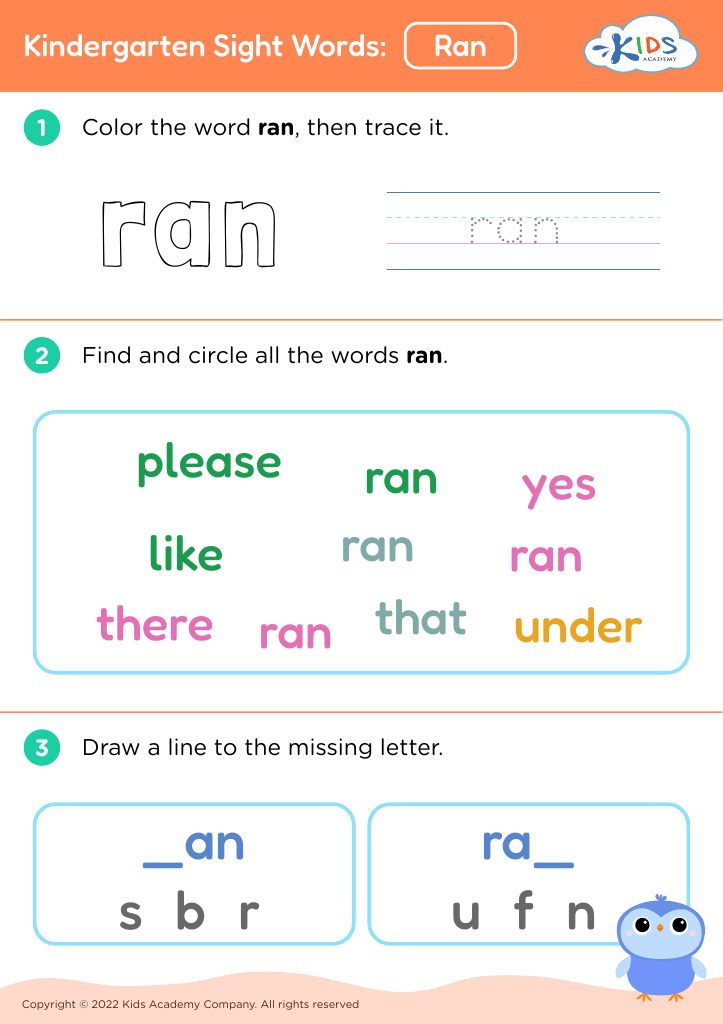
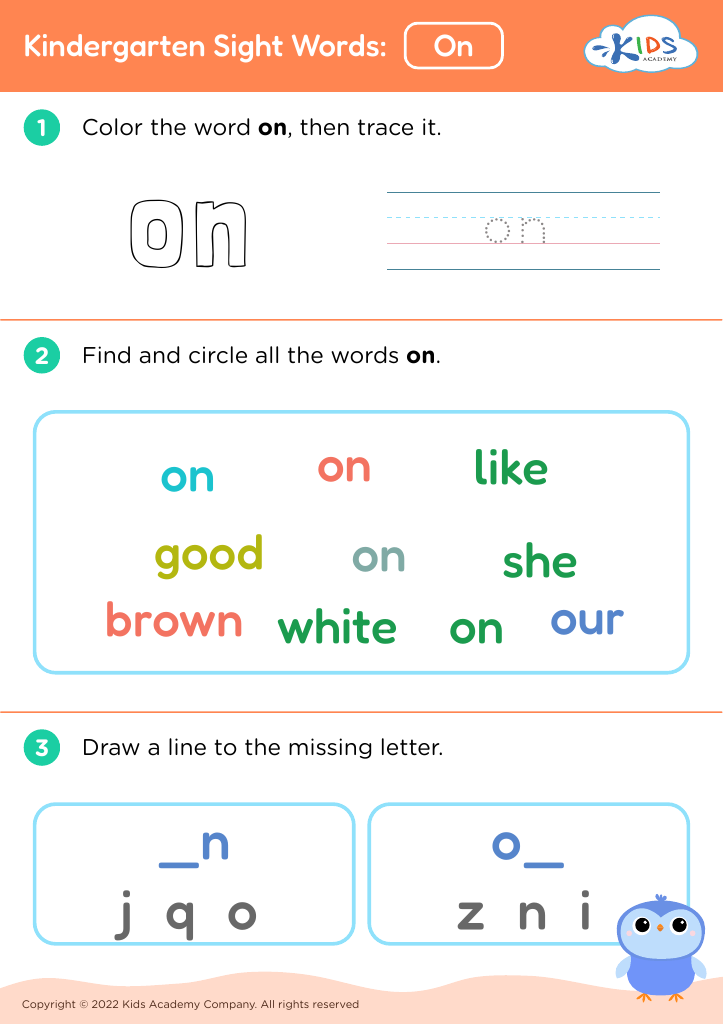
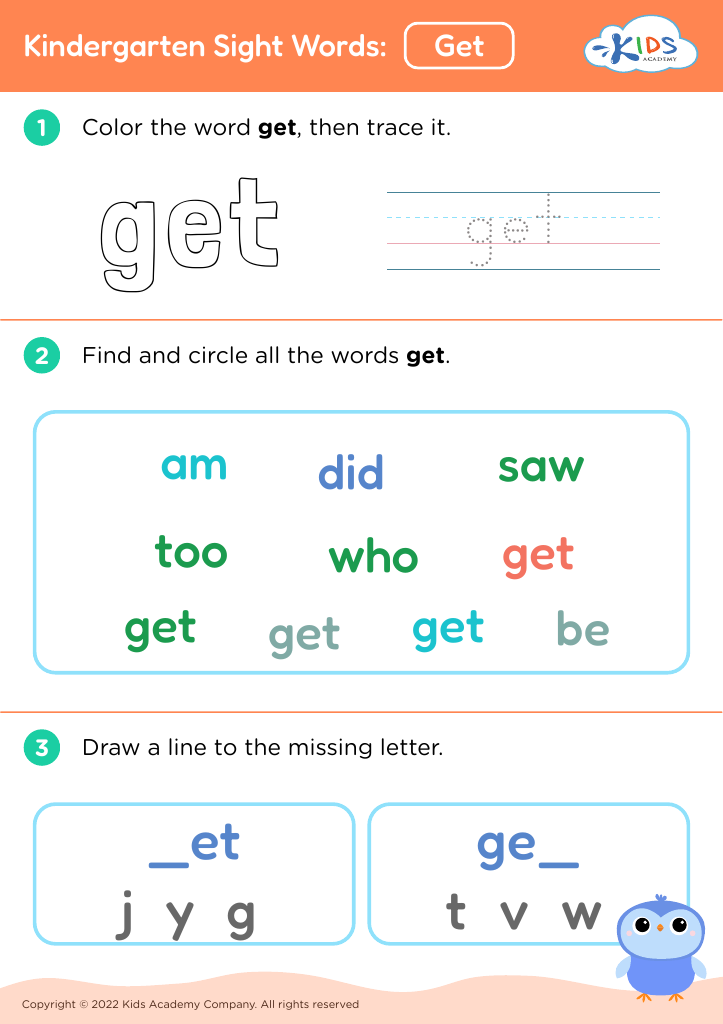








Parents and teachers should care about fraction simplification and building vocabulary for children aged 3-6 because these concepts lay the foundation for early mathematical understanding and effective communication. At this age, children are particularly receptive to learning through play and everyday experiences. Introducing simple fractions through relatable contexts, such as sharing snacks or dividing toys, nurtures their ability to comprehend division and equal parts.
Building vocabulary around fractions, such as words like "half," "quarter," and "whole," empowers children to articulate their thoughts. This extends their language skills and aids in their overall cognitive development. Dual focus on simplification — teaching children to recognize and name fractions — helps them to internalize these ideas, fostering confidence in their mathematical abilities.
Furthermore, early exposure to fractions and terminology supports critical thinking and problem-solving. As they learn to simplify fractions, children also engage in logical reasoning, which is essential for future math learning. Ultimately, a strong grasp of these foundational concepts will not only benefit children academically but will lessen math anxiety in later years, instilling a lifelong appreciation for math and learning. Therefore, supporting fraction simplification and vocabulary building is essential for fostering rounded development in young learners.








