Identifying shapes Building Vocabulary Worksheets for Ages 3-6
7 filtered results
-
From - To
Explore our engaging "Identifying Shapes Building Vocabulary Worksheets" designed specifically for children aged 3-6! These printable resources are perfect for enhancing your little ones' understanding of basic shapes while expanding their vocabulary. Through fun activities and colorful illustrations, kids will confidently recognize and name various shapes such as circles, squares, and triangles. Each worksheet is crafted to promote creative learning and to develop essential pre-reading skills. Ideal for classroom settings or home practice, our worksheets provide a wonderful way to make learning enjoyable and interactive. Encourage your child's early literacy journey by incorporating these valuable tools today!
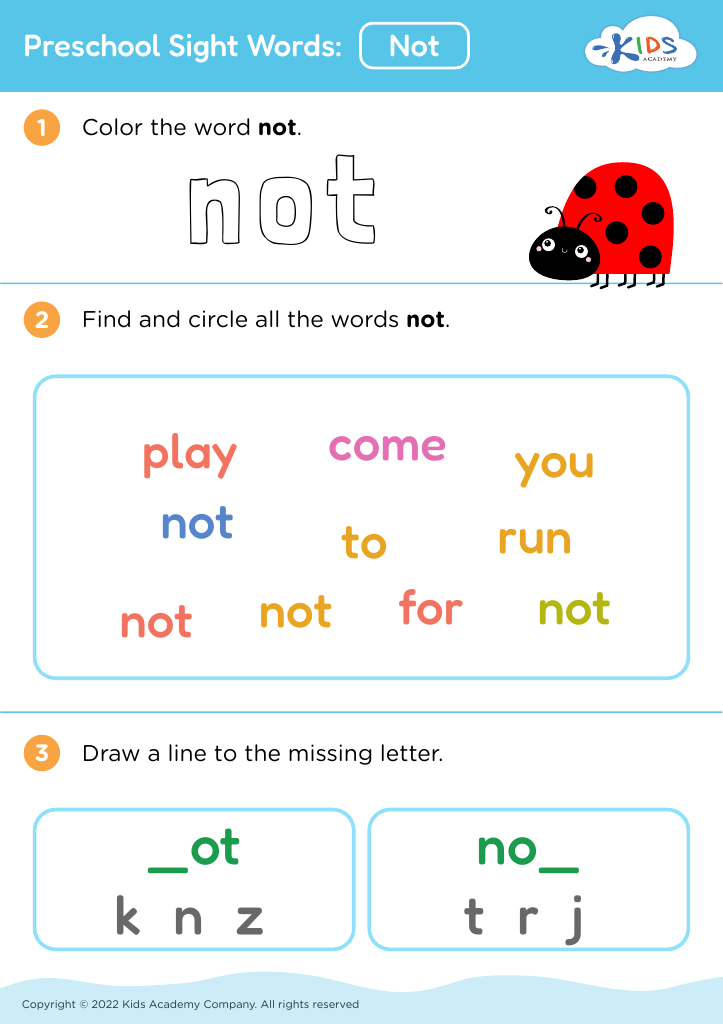











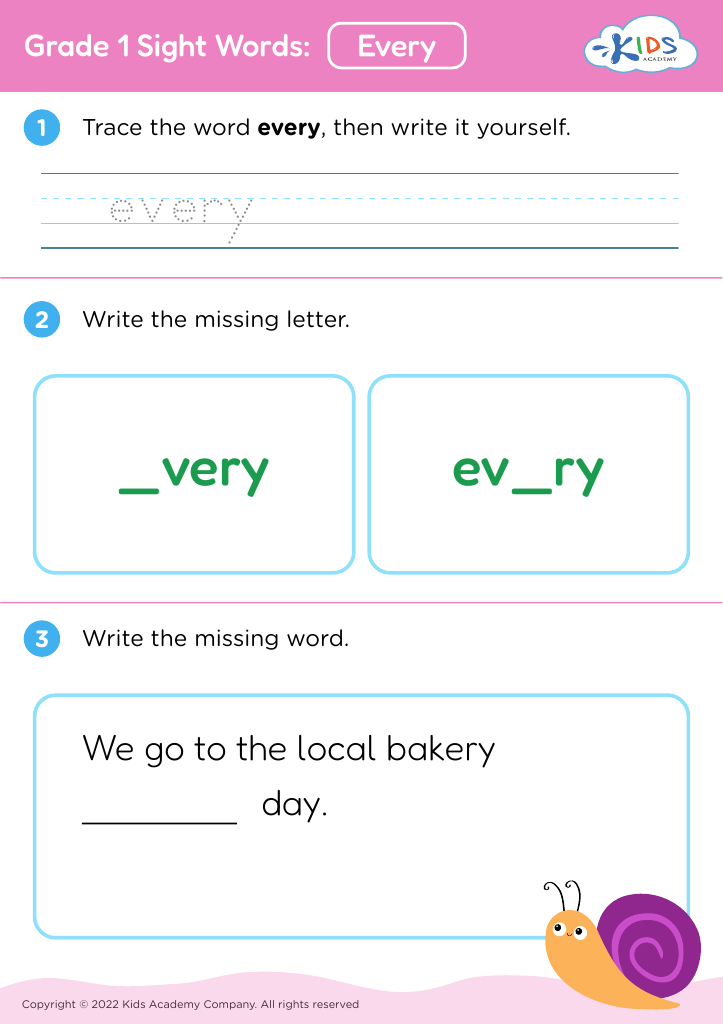
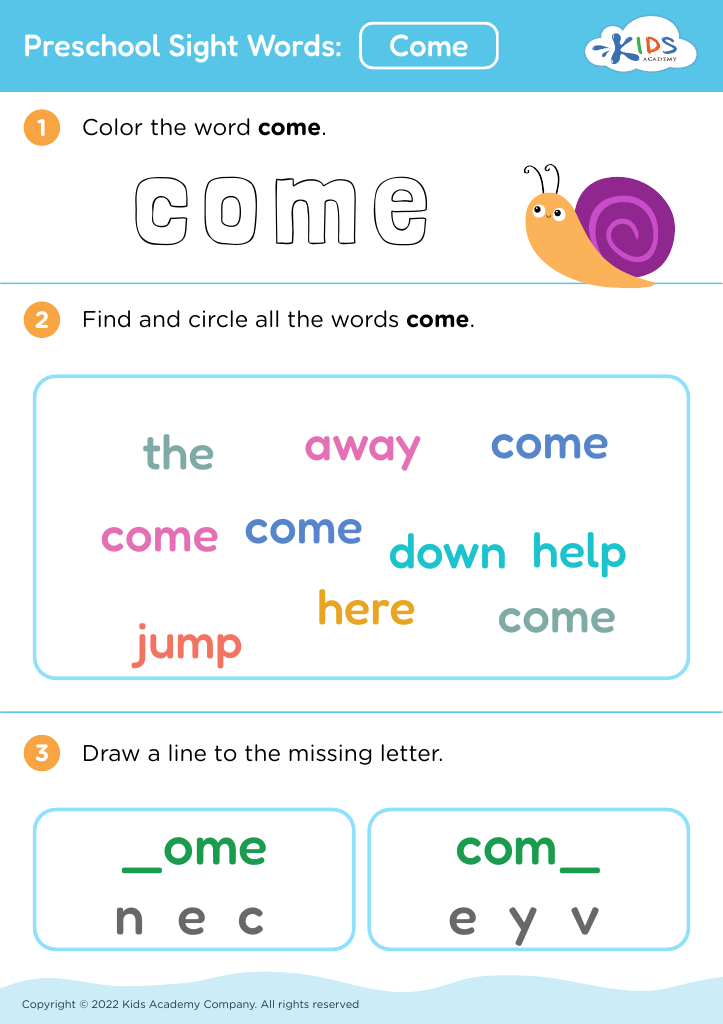
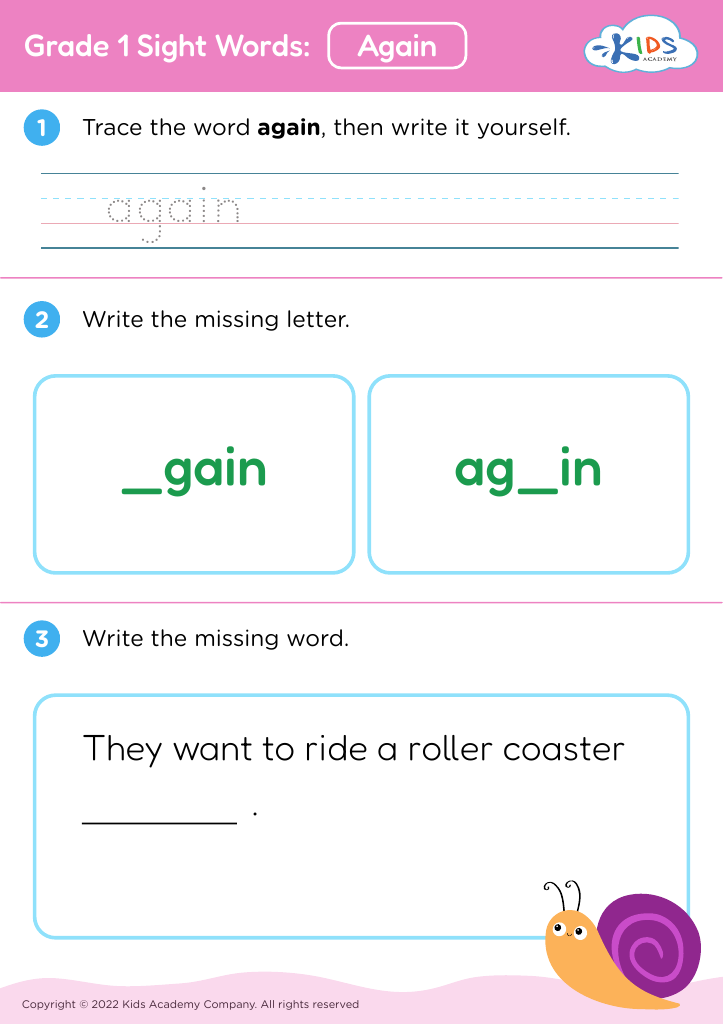
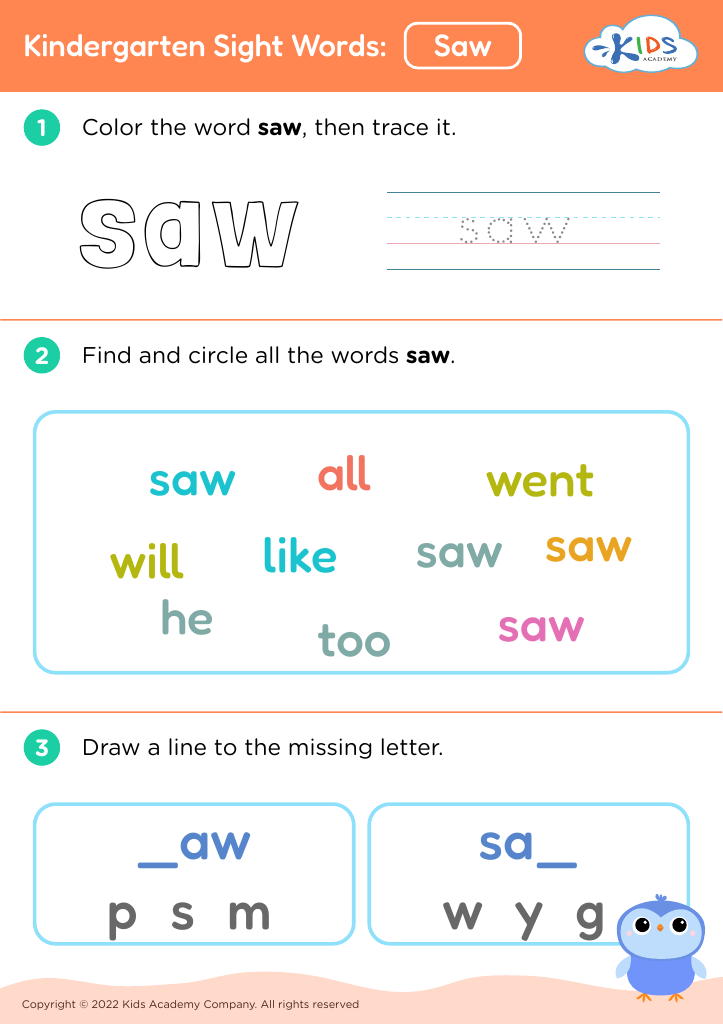
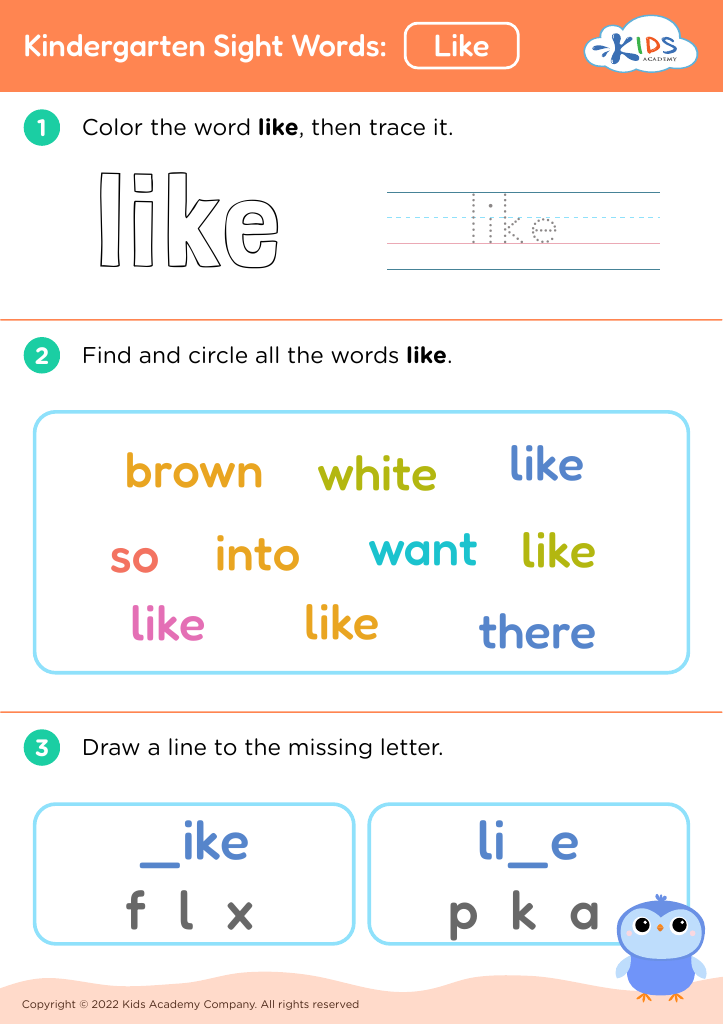
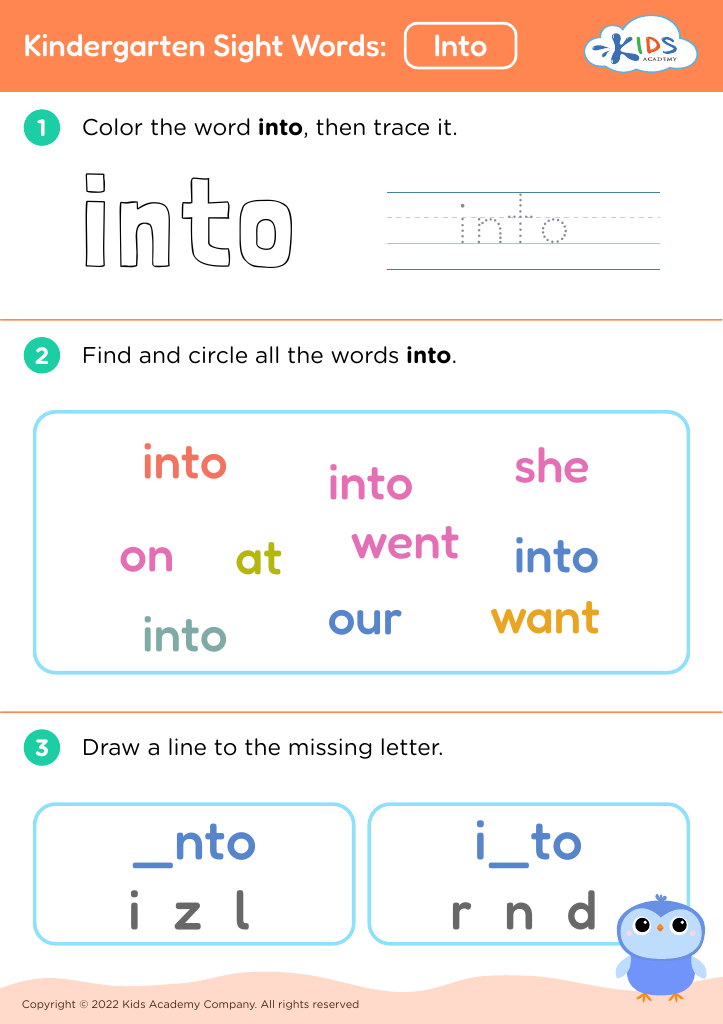







Identifying shapes and building vocabulary are crucial components of early childhood development, particularly for children aged 3-6. During this formative period, children are naturally curious and eager to learn about the world around them. Recognizing shapes helps them develop spatial awareness and improves their ability to comprehend more complex mathematical concepts later in life. For example, differentiating between circles, squares, and triangles lays the groundwork for understanding patterns, symmetry, and geometry.
In tandem, building vocabulary expands children's linguistic skills, enabling them to express their thoughts and feelings more effectively. A robust vocabulary not only aids in communication but also enhances cognitive skills by allowing children to articulate their understanding of shapes and other concepts. This connection fosters critical thinking and problem-solving abilities.
Furthermore, when parents and teachers engage with children in shape identification and vocabulary-building activities, they create rich learning environments that nurture creativity and exploration. Structured play, discussions, and storytelling can reinforce these important skills in enjoyable, interactive ways, fostering a love for learning.
Ultimately, prioritizing shape identification and vocabulary development in early education can lead to academic success, social competence, and lifelong learning habits. Investing in these foundational skills is key to preparing young children for future challenges.








