Mathematical reasoning Building Vocabulary Worksheets for Ages 3-6
5 filtered results
-
From - To
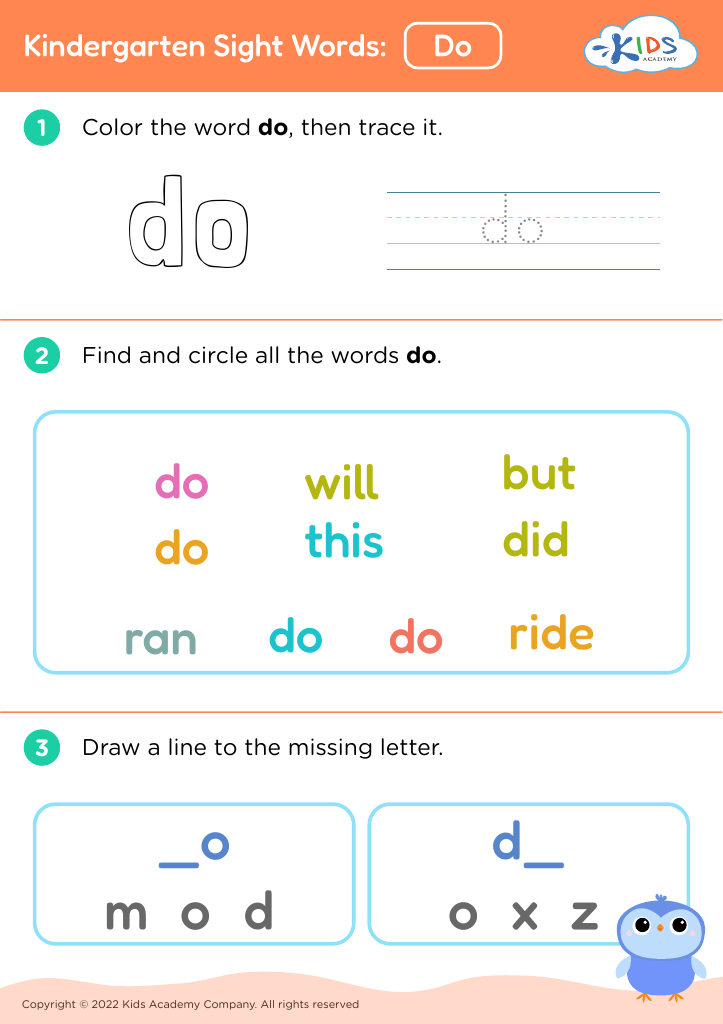
Enhance your child's early learning experience with our engaging Mathematical Reasoning Building Vocabulary Worksheets for ages 3-6! Designed to foster essential math skills and vocabulary development, these worksheets provide fun activities that encourage critical thinking and problem-solving. Children will explore numbers, shapes, and patterns while building language proficiency in a playful context. Tailored to meet the cognitive needs of young learners, our materials support foundational math understanding through interactive exercises and enjoyable challenges. Unleash the potential of your little ones with our vibrant and educational resources, making math and language learning a delightful adventure. Explore now and watch their skills blossom!
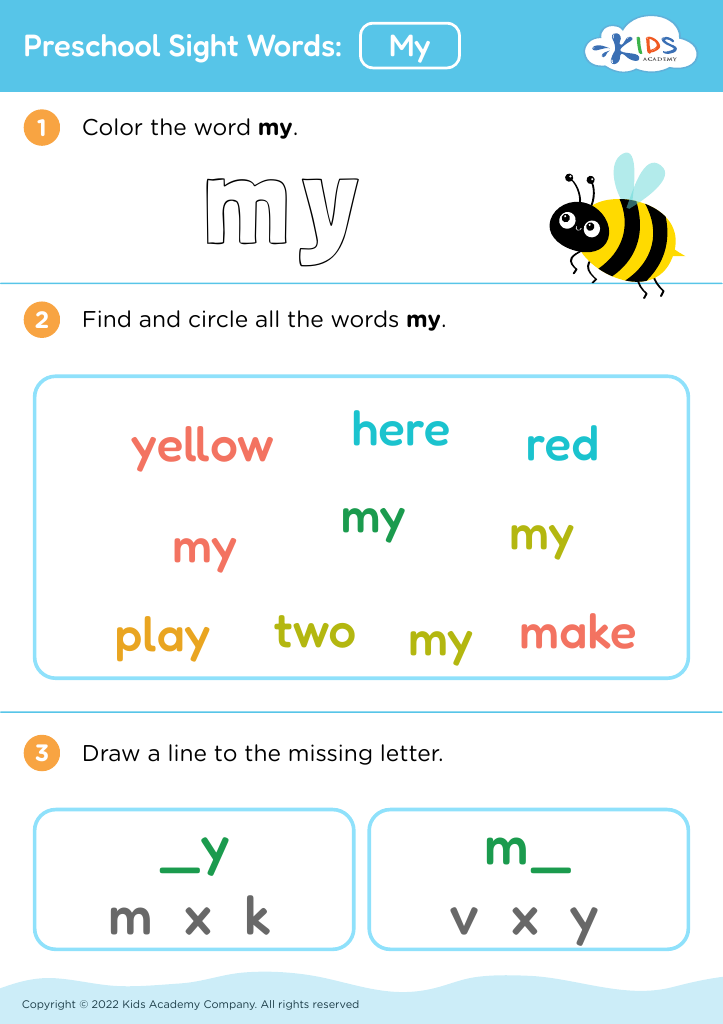











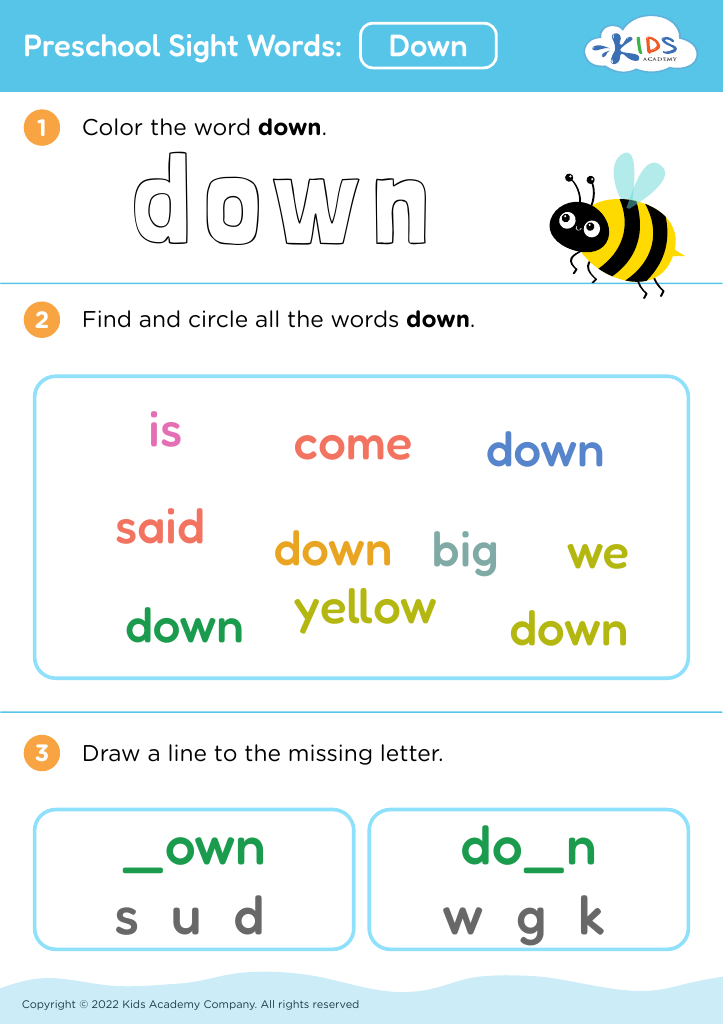
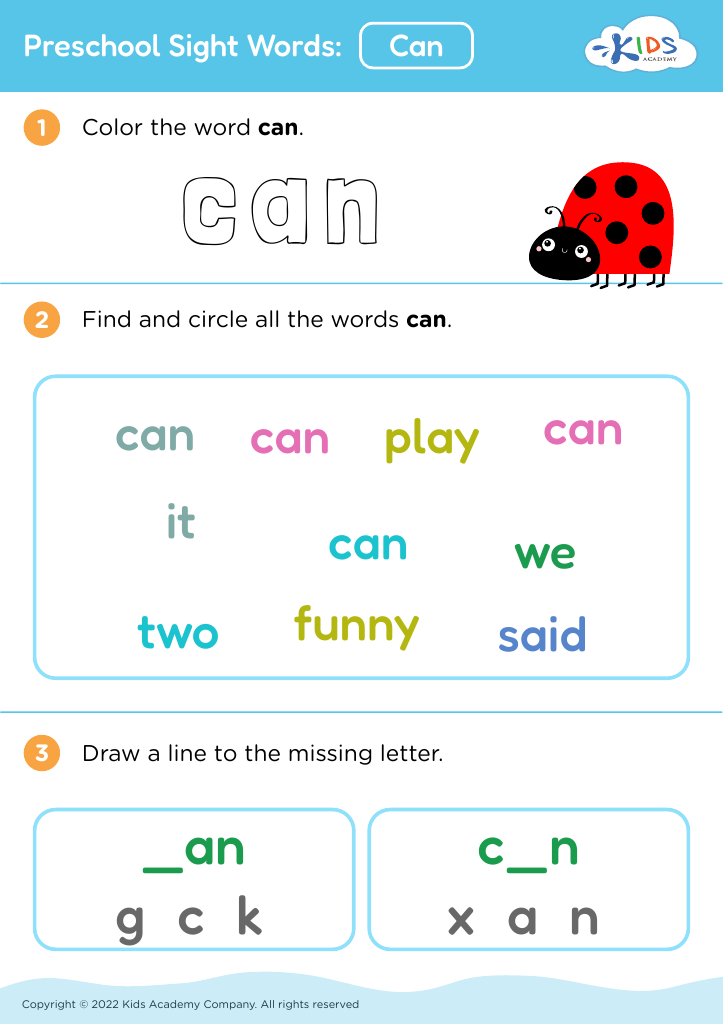
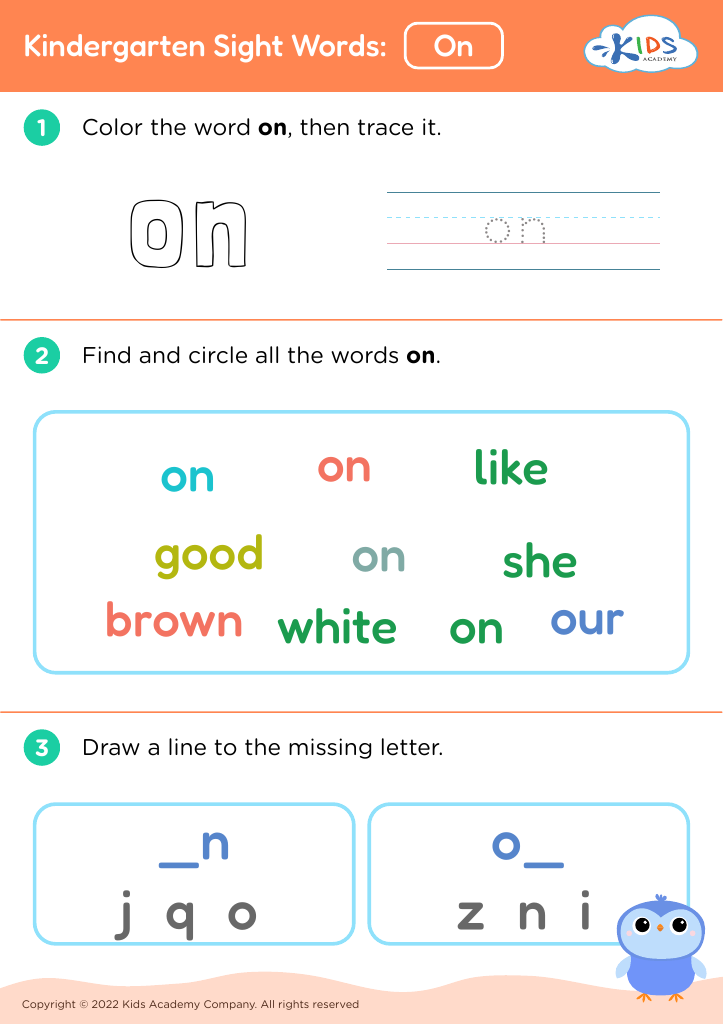







.jpg)
Mathematical reasoning and vocabulary development are crucial components in the early education of children aged 3-6. During these formative years, children develop essential cognitive skills that lay the groundwork for future academic success. Encouraging mathematical reasoning helps young learners understand relationships, patterns, and problem-solving techniques, fostering critical thinking abilities. It enables them to mentally manipulate numbers and concepts, preparing them for more complex mathematical tasks in later years.
Moreover, building a robust mathematical vocabulary is equally important. Words like "addition," "subtraction," "more," "less," and "equal" help children articulate their thoughts and understand mathematical processes. This vocabulary not only enhances comprehension but also boosts confidence, allowing children to engage more fully in learning experiences.
When parents and teachers prioritize these components, they create a rich learning environment that supports exploration and inquiry. Activities that incorporate math into daily settings enable young learners to see practical applications of concepts, making learning relevant and engaging. Ultimately, fostering mathematical reasoning and vocabulary leads to improved academic achievements and a lifelong appreciation for mathematics, equipping children with vital skills necessary for their future educational journeys and daily life challenges.








