Problem-Solving Skills Building Vocabulary Worksheets for Ages 3-6
22 filtered results
-
From - To
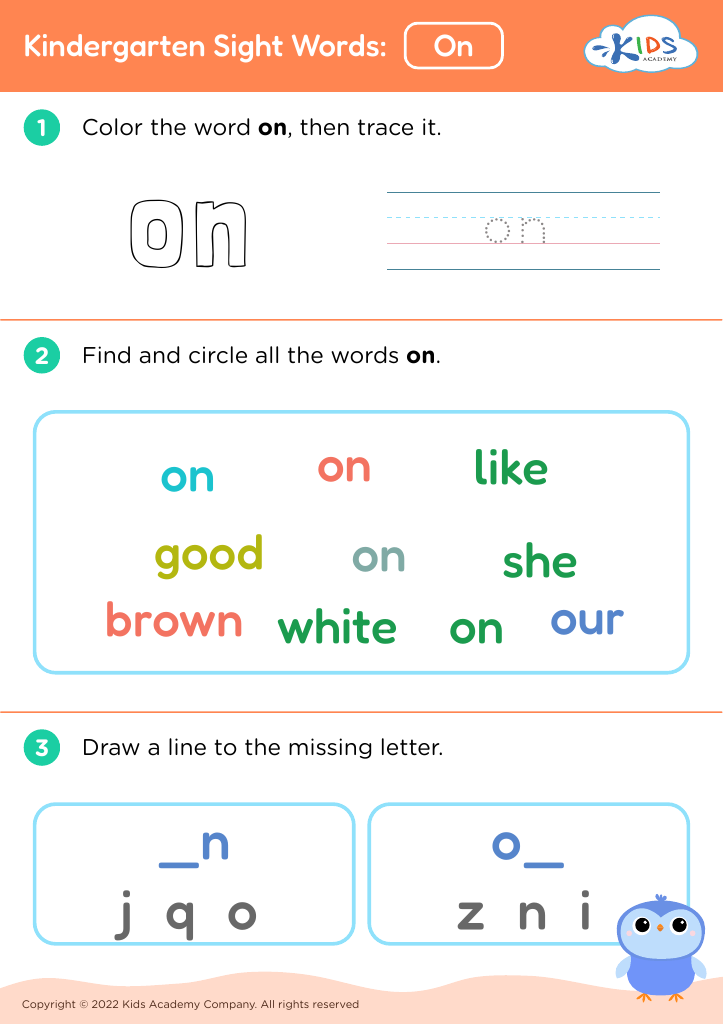
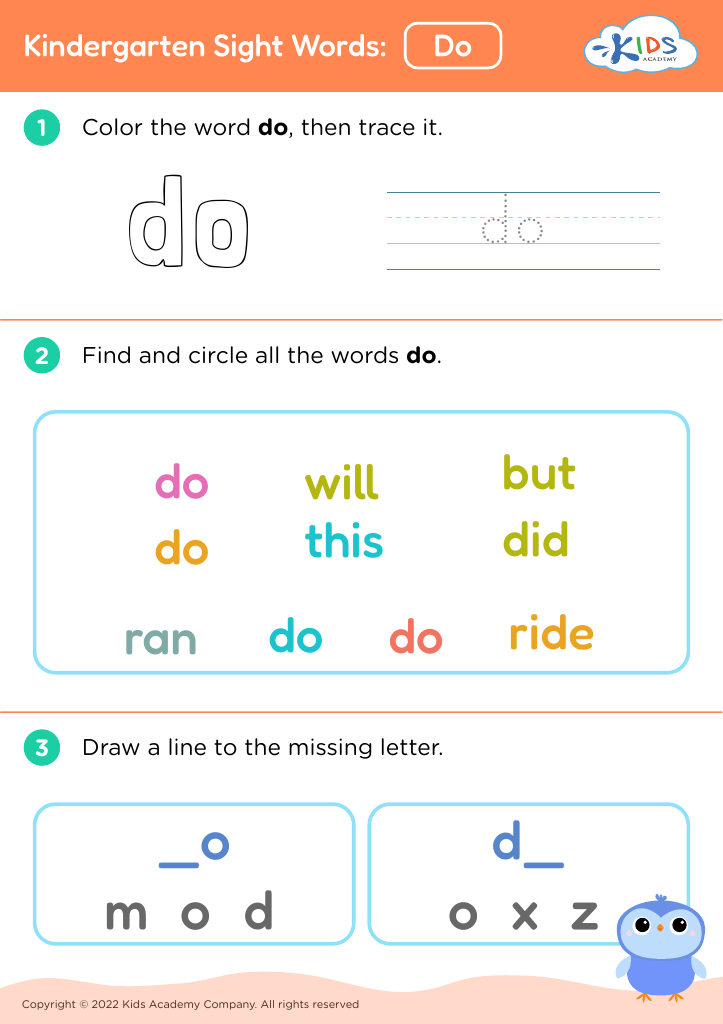
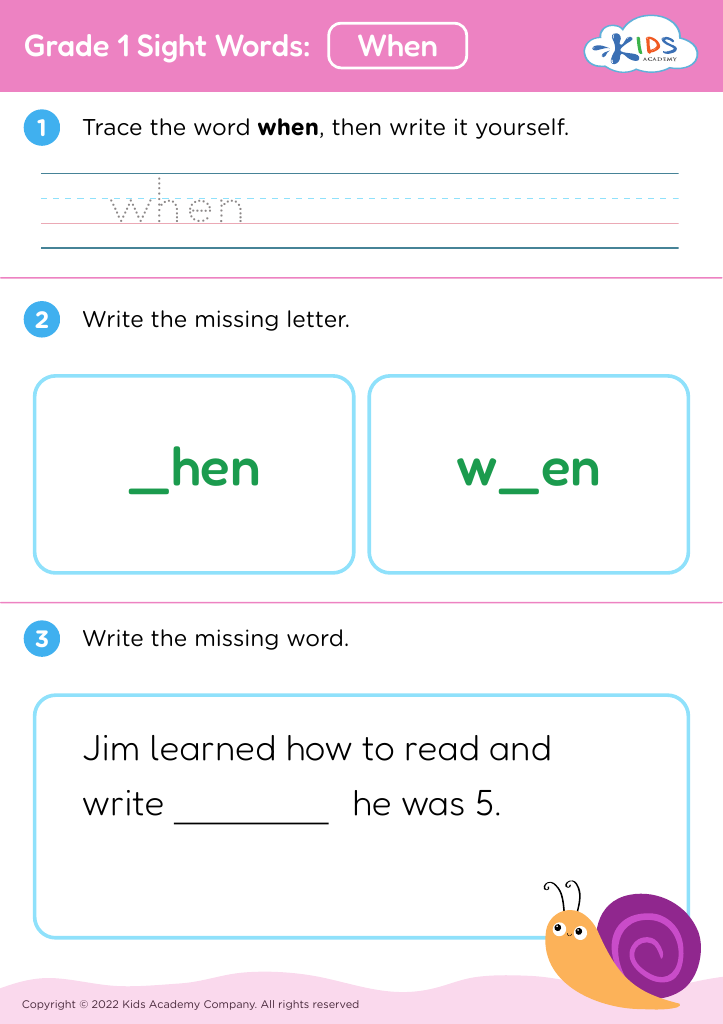
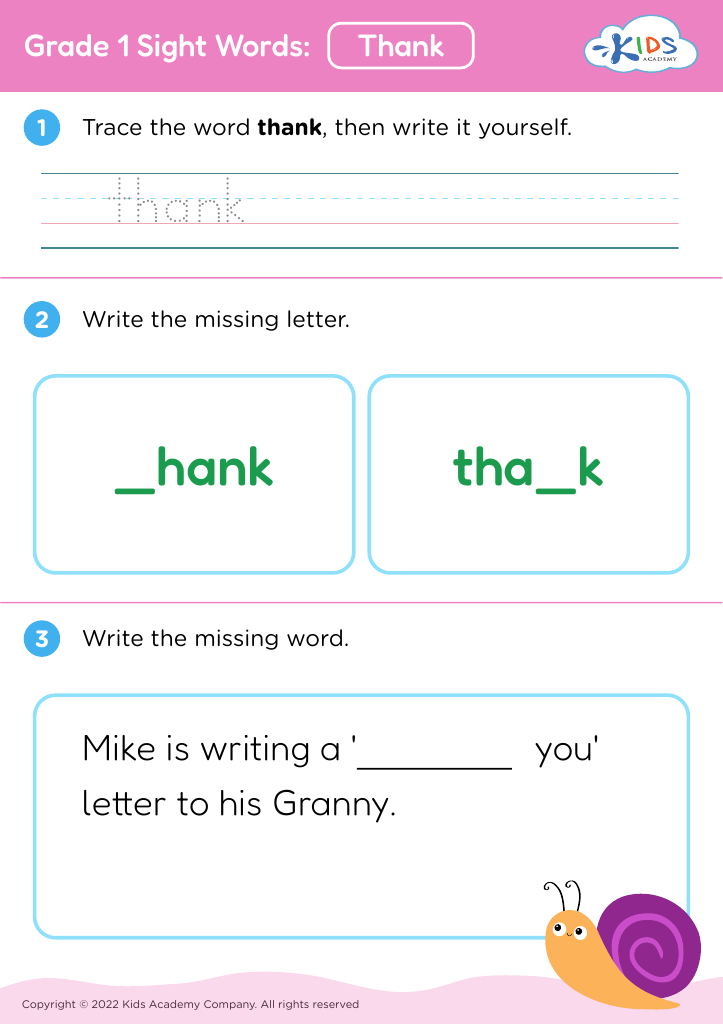
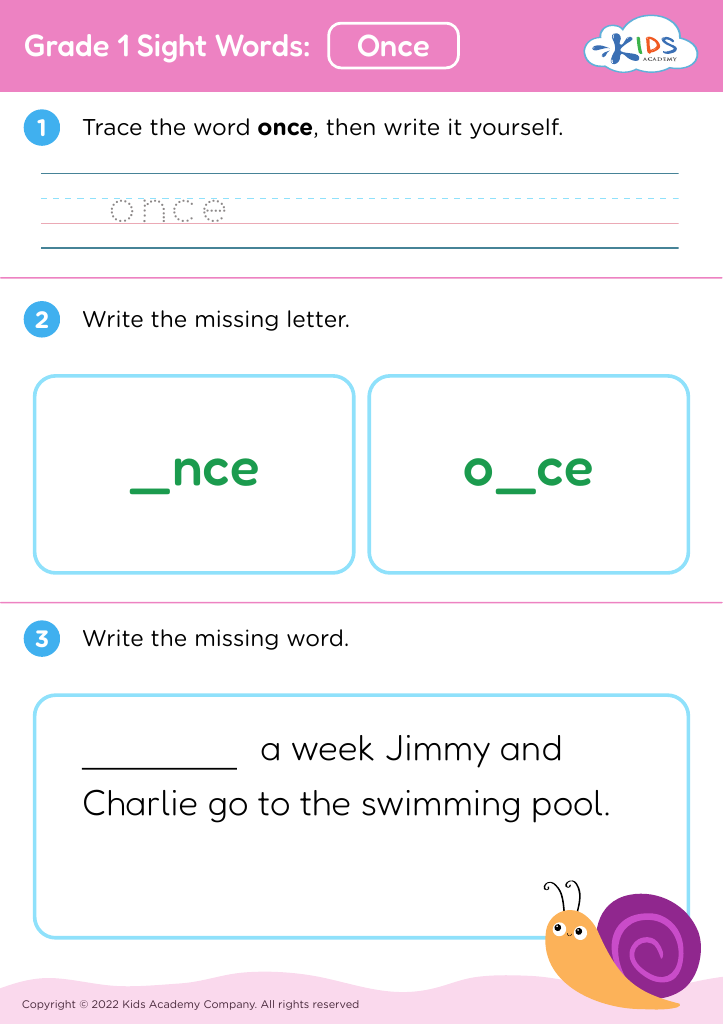
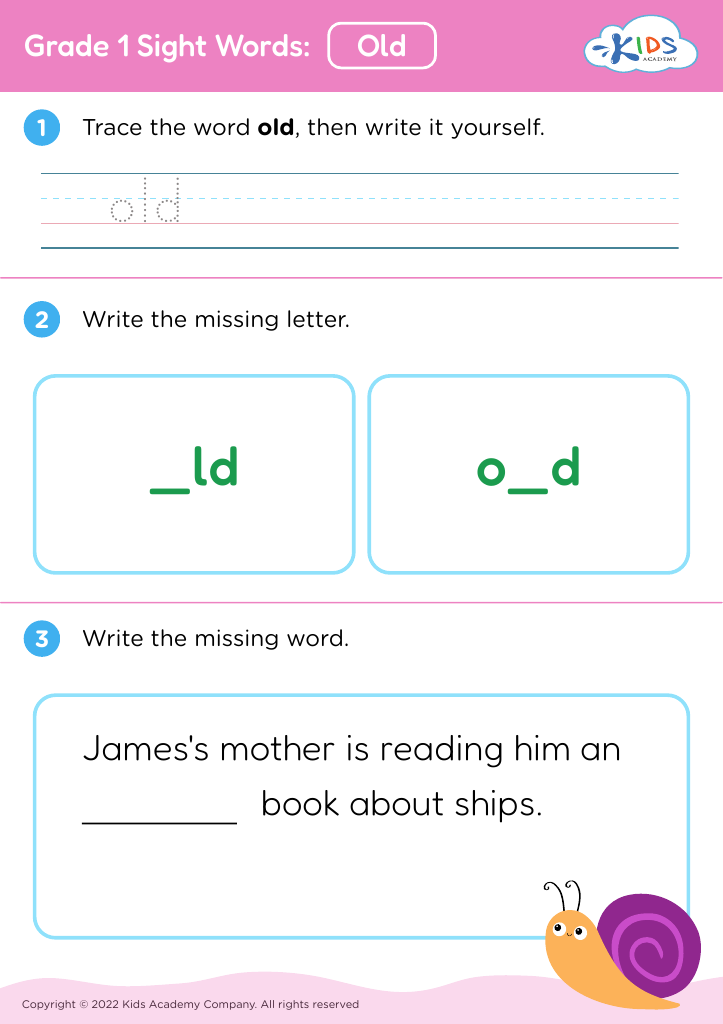
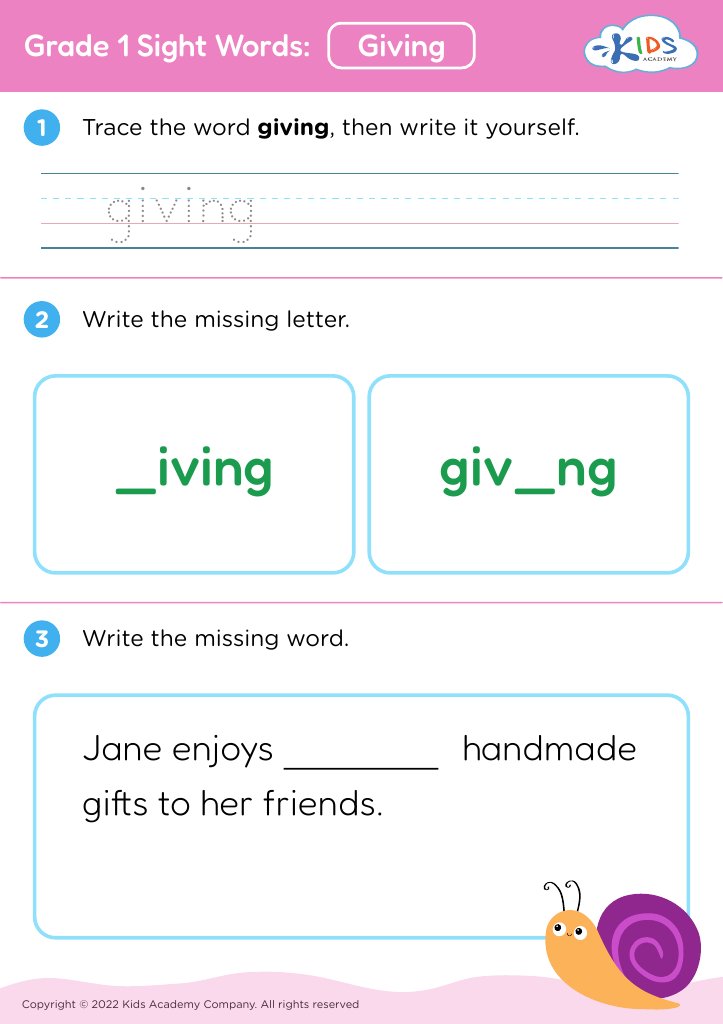
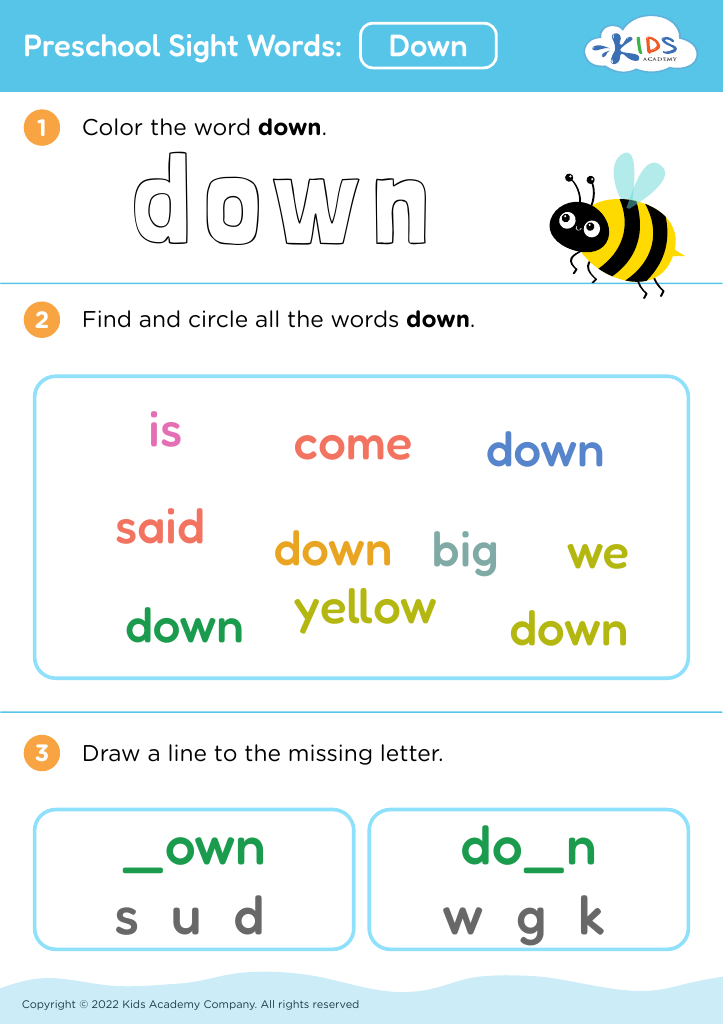
Enhance your child's problem-solving skills with our engaging vocabulary worksheets designed for ages 3-6. Our carefully crafted activities not only boost vocabulary but also foster critical thinking abilities. Each worksheet encourages young learners to identify, analyze, and solve age-appropriate problems through fun scenarios and interactive exercises. These resources aim to build a solid foundation for lifelong learning, helping your child develop confidence and creativity. Perfect for at-home learning or classroom use, our worksheets combine play with essential skills. Explore our collection today and watch your child thrive as they tackle challenges while expanding their vocabulary!
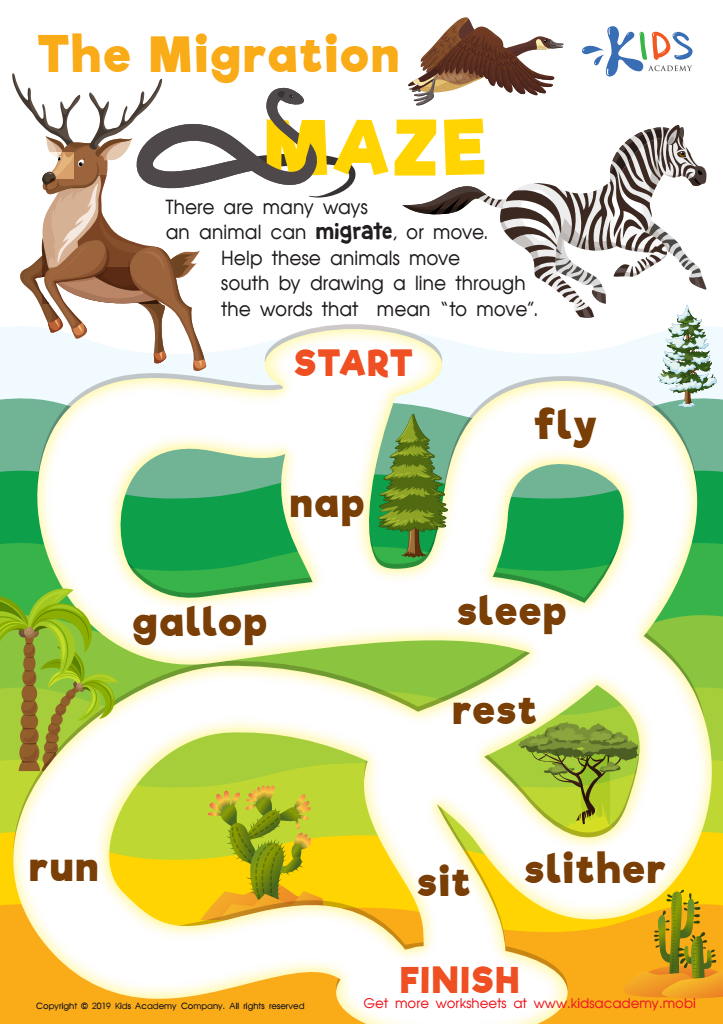
The Migration Maze Worksheet
 Assign to My Students











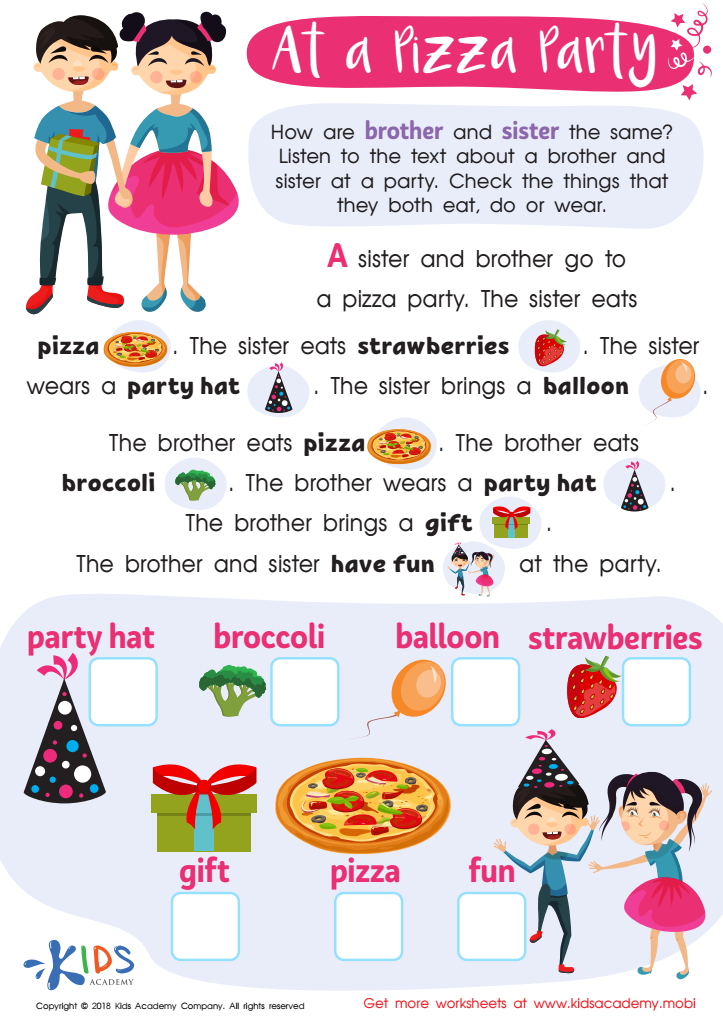
At a Pizza Party Worksheet
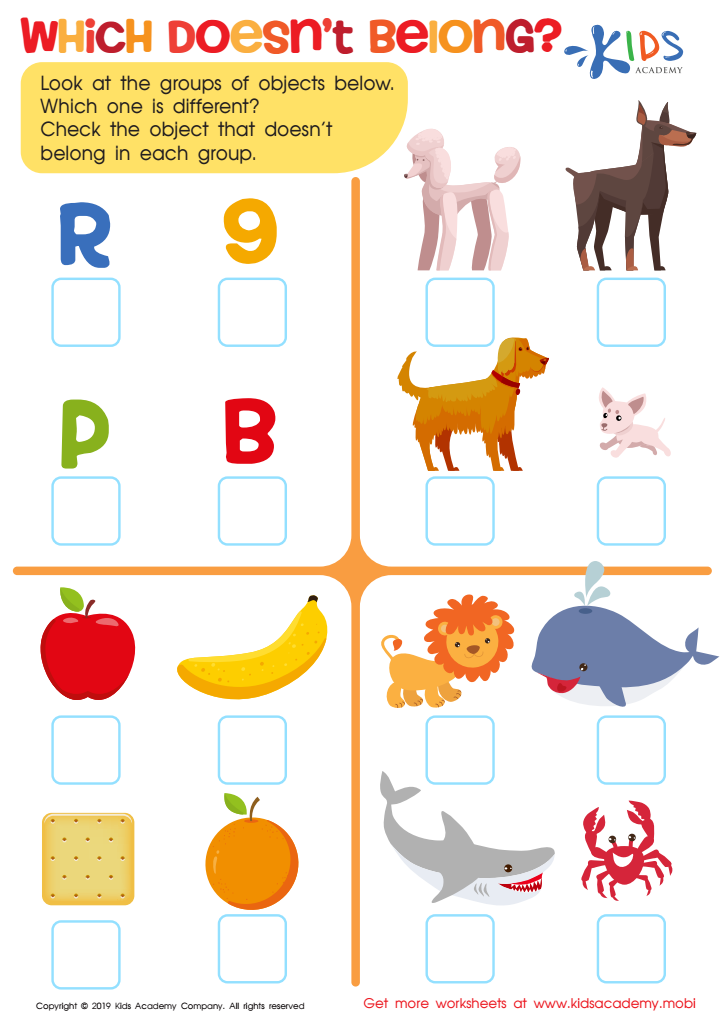
Which Doesn't Belong? Worksheet
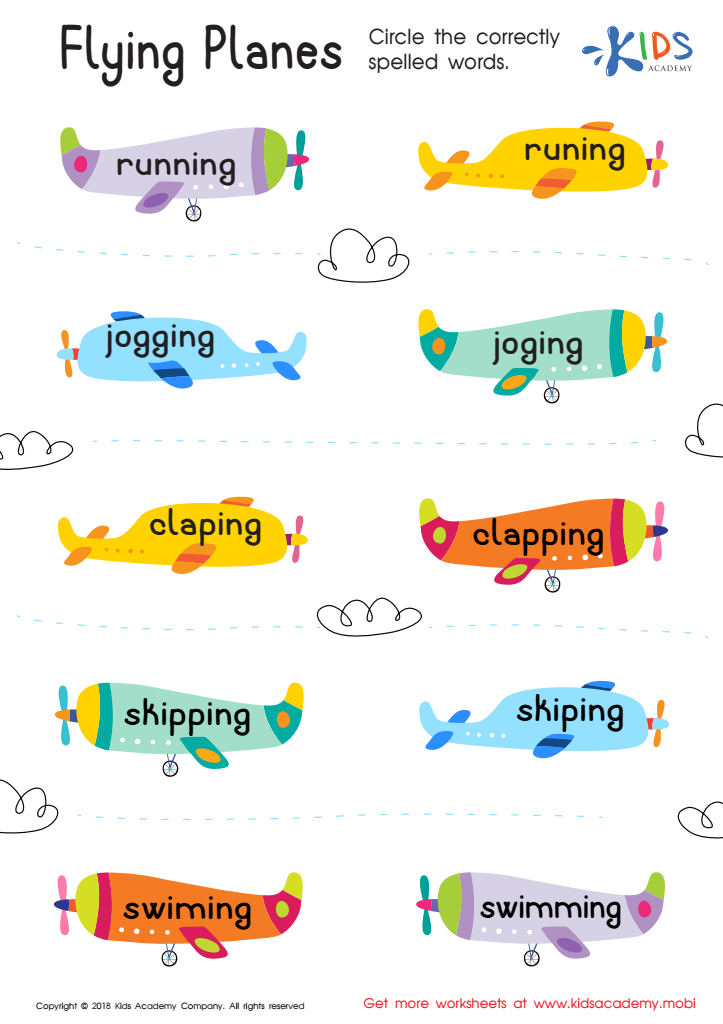
Flying Planes Worksheet
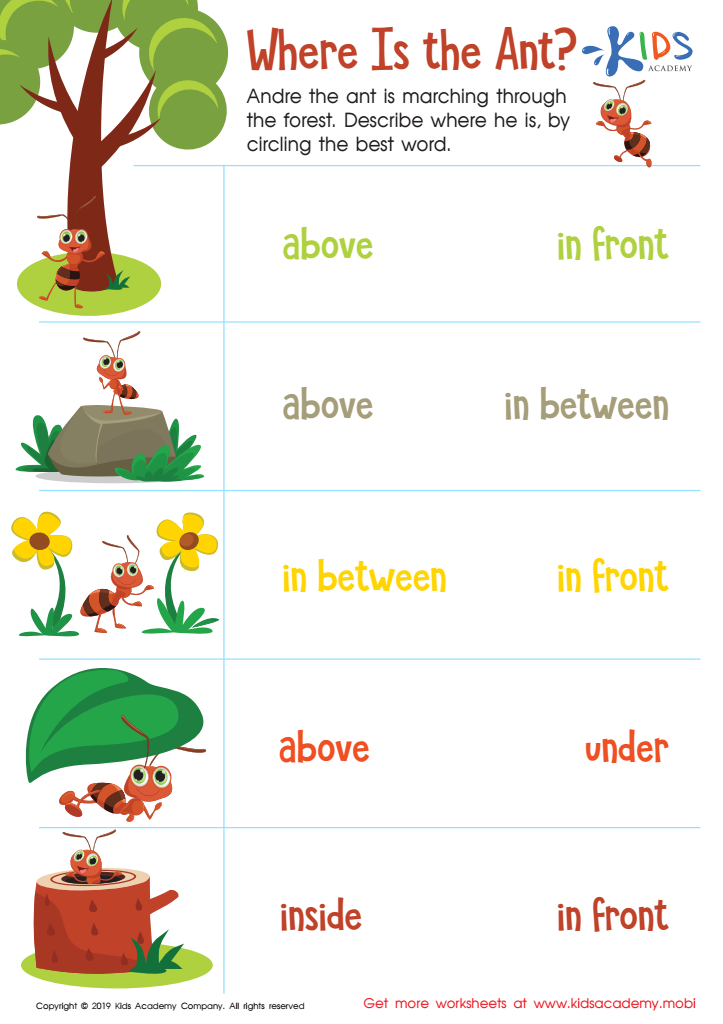
Where Is the Ant? Worksheet
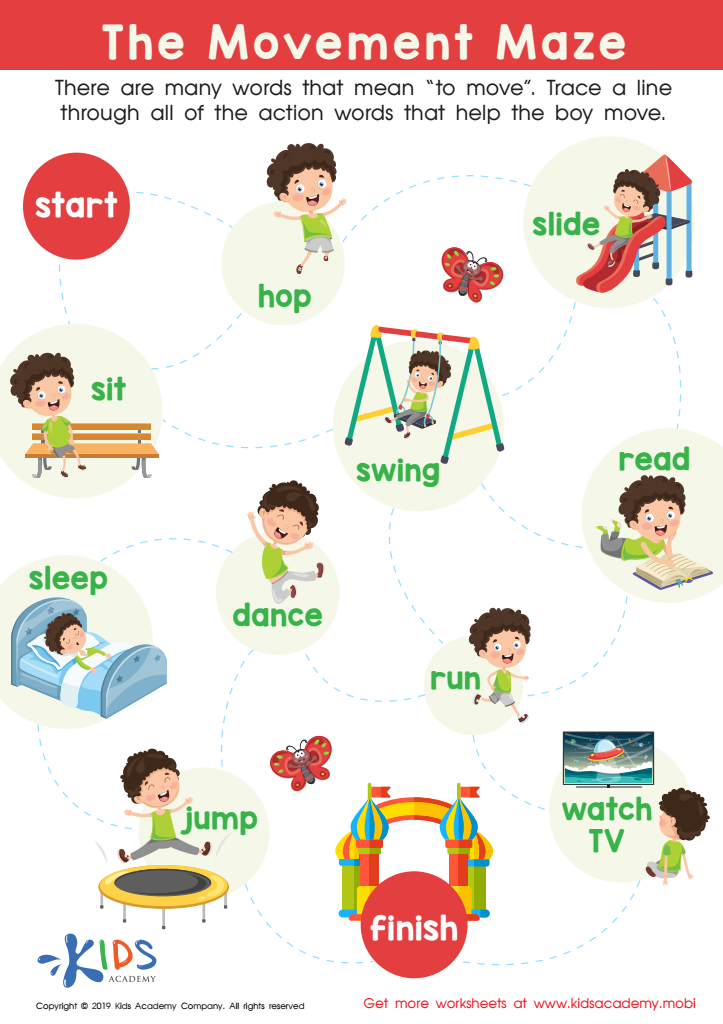
The Movement Maze Worksheet
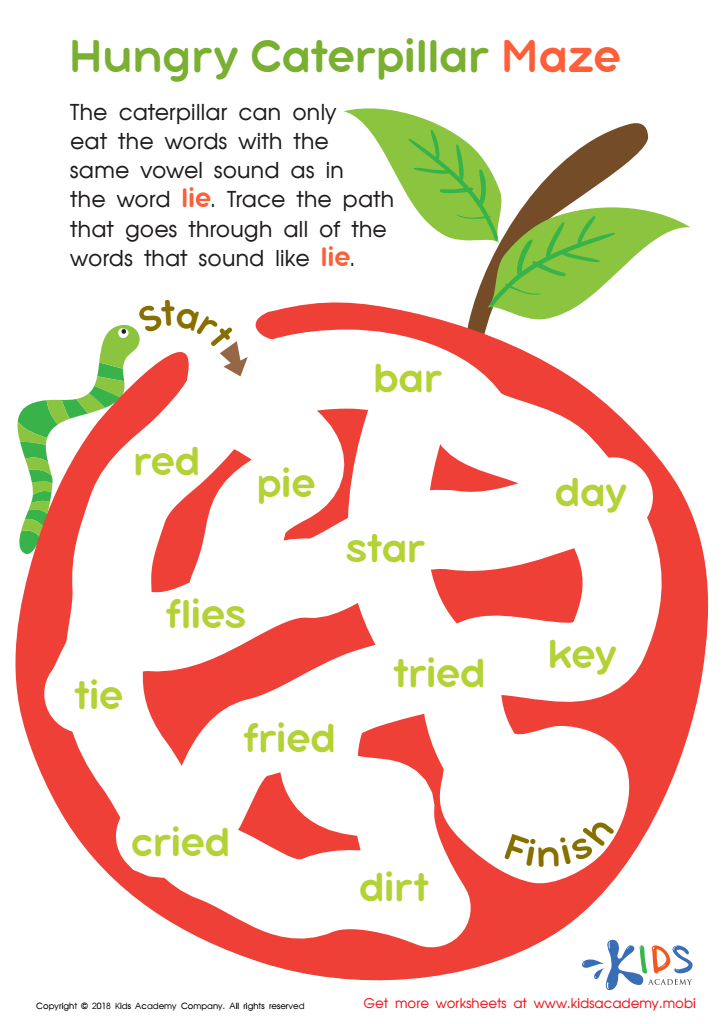
Hungry Caterpillar Maze Worksheet
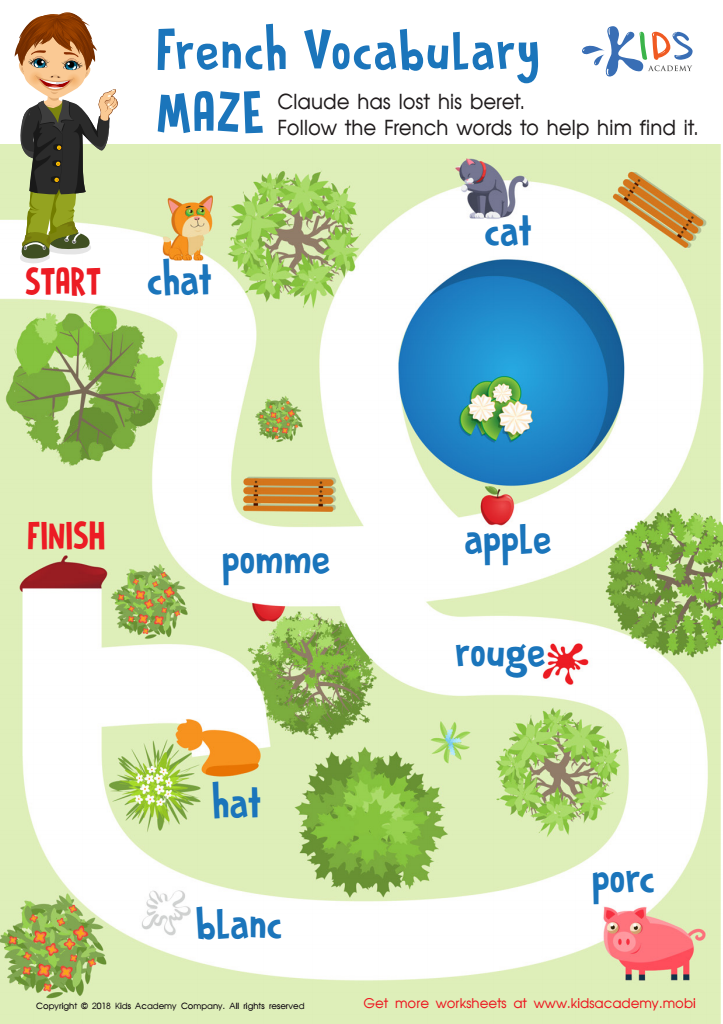
French Vocabulary Maze Worksheet
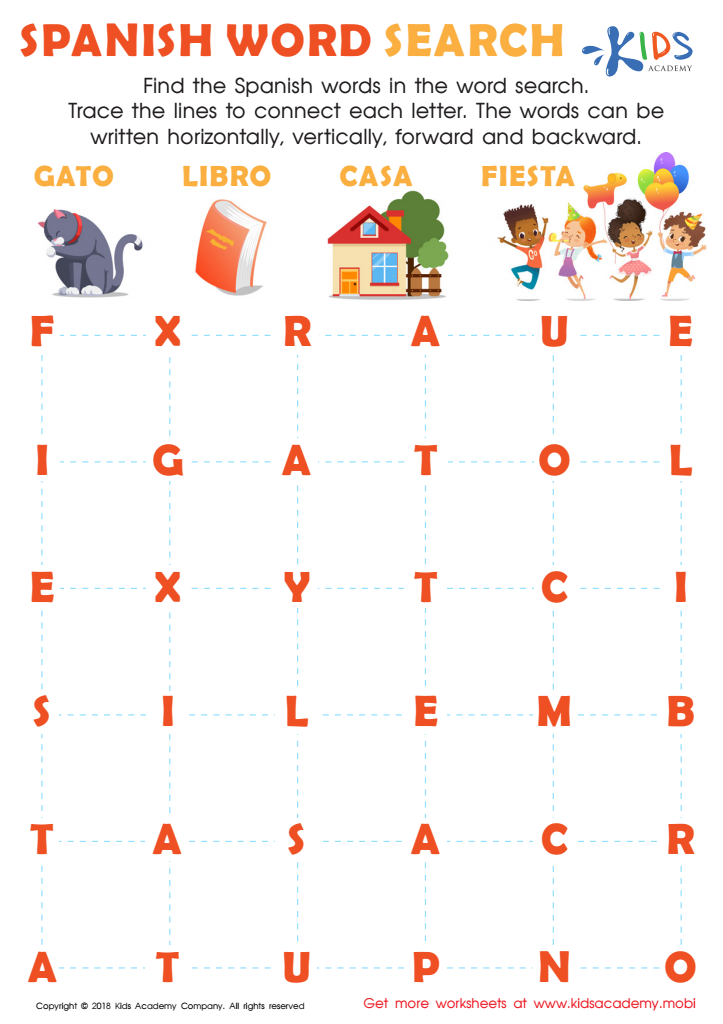
Spanish Word Search Worksheet


.jpg)

.jpg)



Problem-solving skills and vocabulary development are crucial for children aged 3-6, serving as the foundation for lifelong learning. During these formative years, children's brains undergo rapid development, making it the perfect time to cultivate cognitive abilities. When parents and teachers prioritize problem-solving skills, children learn to navigate challenges, think critically, and approach obstacles with resilience. Such skills not only prepare them for academic tasks but also equip them to handle real-life situations confidently and independently.
Simultaneously, building vocabulary enhances children's communication abilities. A rich vocabulary allows them to express their thoughts, feelings, and ideas clearly. As they articulate their problem-solving processes, they deepen their understanding and sharpen their reasoning skills. Moreover, a strong vocabulary is linked to better reading comprehension, essential for future academic success.
Additionally, engaging in problem-solving activities fosters social interaction, teamwork, and collaborative skills among peers. Both vocabulary and problem-solving proficiency are essential for emotional expression and building relationships. Parents and educators who focus on these areas are investing in a child’s holistic development, leading to empowered, confident individuals ready to tackle the complexities of the world. Prioritizing these skills ensures children grow into competent learners and effective communicators, setting them up for future achievements.








