
Recognizing Patterns Building Vocabulary Worksheets for Ages 3-6
3 filtered results
Difficulty Level
Grade
Age
-
From - To
Subject
Activity
Standards
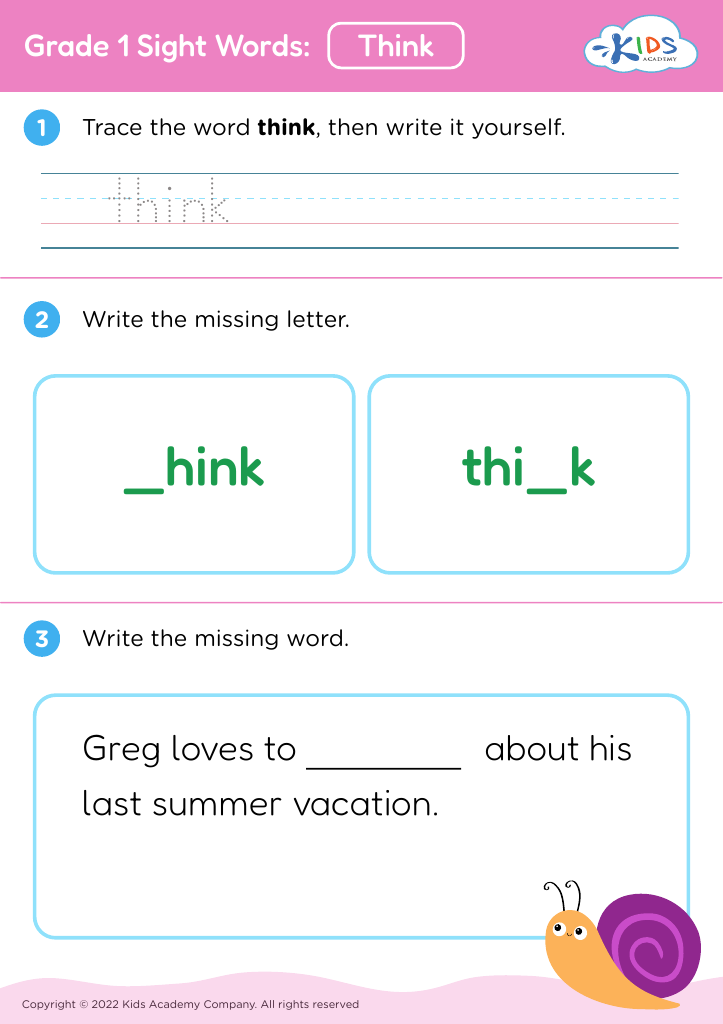
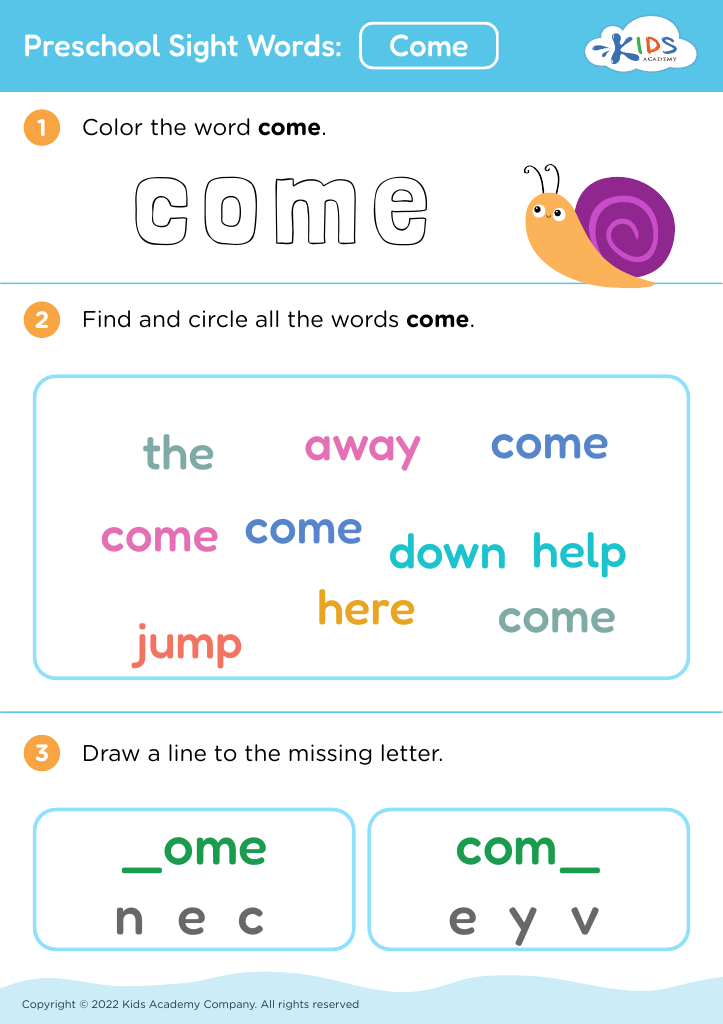
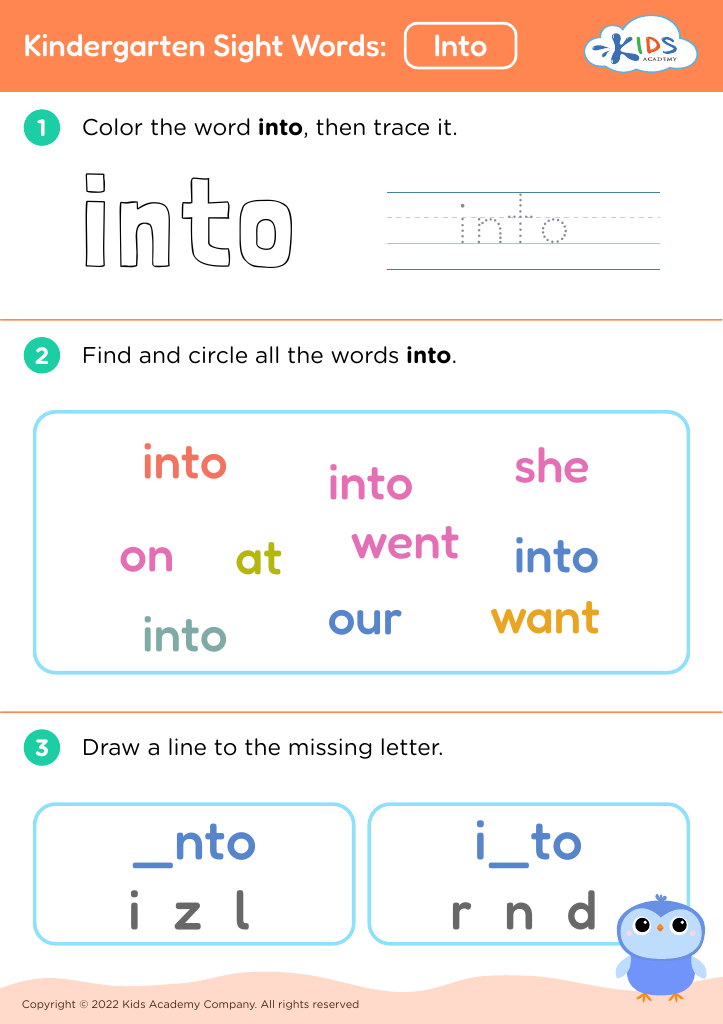
Unlock your child's potential with our "Recognizing Patterns Building Vocabulary Worksheets for Ages 3-6". These specially designed worksheets combine fun pattern recognition exercises with engaging vocabulary-building activities, tailored for early learners. Kids will develop critical thinking and language skills while identifying patterns in pictures, sequences, and words. Perfect for preschool to kindergarten-aged children, these worksheets boost cognitive development through playful scenarios that capture young imagination. Easy to download and print, our resources provide an excellent foundation for reading readiness and enriched vocabulary. Start your child’s learning adventure today and witness their progress in recognizing patterns and words effortlessly!
Favorites
With answer key
Interactive











Join Kids Academy for Free
Who is primarily going to use this learning content?




.jpg)



Recognizing patterns and building vocabulary are foundational skills for children aged 3-6 and play a crucial role in their cognitive and language development. Firstly, recognizing patterns helps young minds make sense of their environment. Patterns provide a structure that children use to predict and understand sequences and relationships, promoting critical thinking and problem-solving abilities. This skill is intrinsic to mathematics and science learning, and it enhances memory, attention, and the ability to categorize information.
Building vocabulary during these formative years is equally vital. A rich vocabulary is the bedrock of effective communication and literacy. Children with a robust vocabulary are better equipped to express themselves clearly and confidently. Additionally, a strong vocabulary boosts comprehension skills and is directly linked to academic success. Children who have an extensive vocabulary are generally better readers and writers, and they can understand and engage with complex concepts more easily.
Parents and teachers should actively encourage these skills through playful activities, reading, and interactive games. Conversations, storytelling, and inquiry-based learning help in pattern recognition and vocabulary development. These early investments pay off significantly as children who master these skills early are better prepared for future learning, both in school and in life. Recognizing the importance of these foundational skills ensures children are equipped with the tools they need for successful academic and social development.








