Shape identification Building Vocabulary Worksheets for Ages 3-6
4 filtered results
-
From - To
Our "Shape Identification Building Vocabulary Worksheets for Ages 3-6" are designed to create a fun and engaging learning experience for young minds. Through vibrant illustrations and interactive activities, children can master shape recognition while building essential vocabulary. Perfectly tailored for preschool to early elementary kids, these worksheets enhance cognitive development and linguistic skills, making learning both enjoyable and effective. Each worksheet introduces new shapes and terms, encouraging hands-on practice and reinforcing knowledge retention. Ideal for parents and educators alike, these resources provide a solid foundation for future academic success in a playful manner.
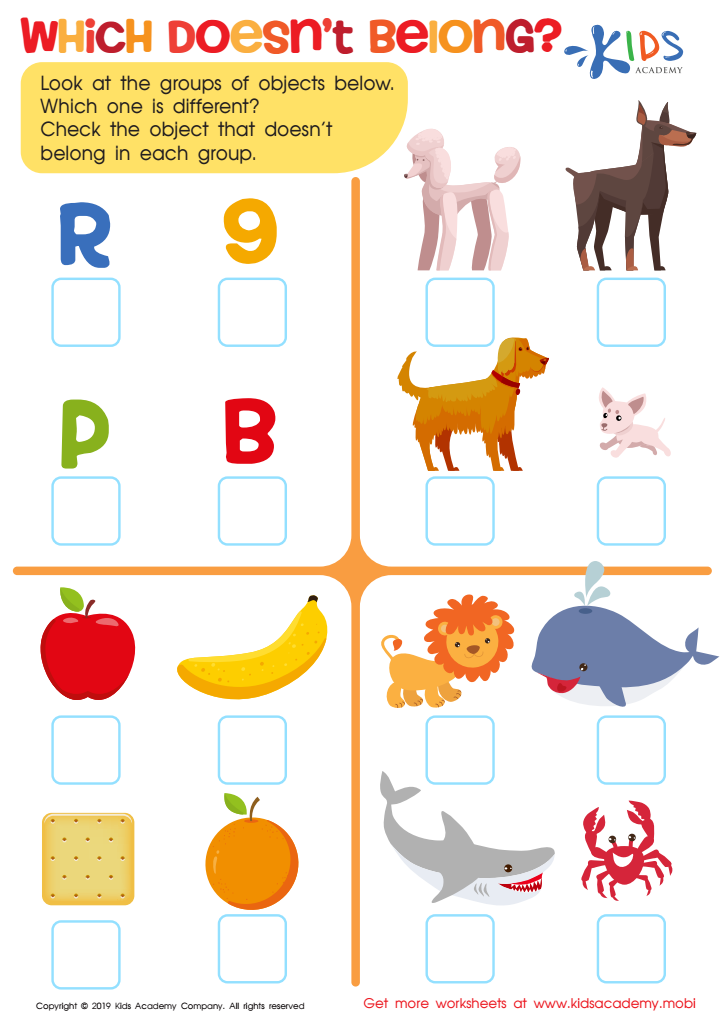
Which Doesn't Belong? Worksheet
 Assign to My Students











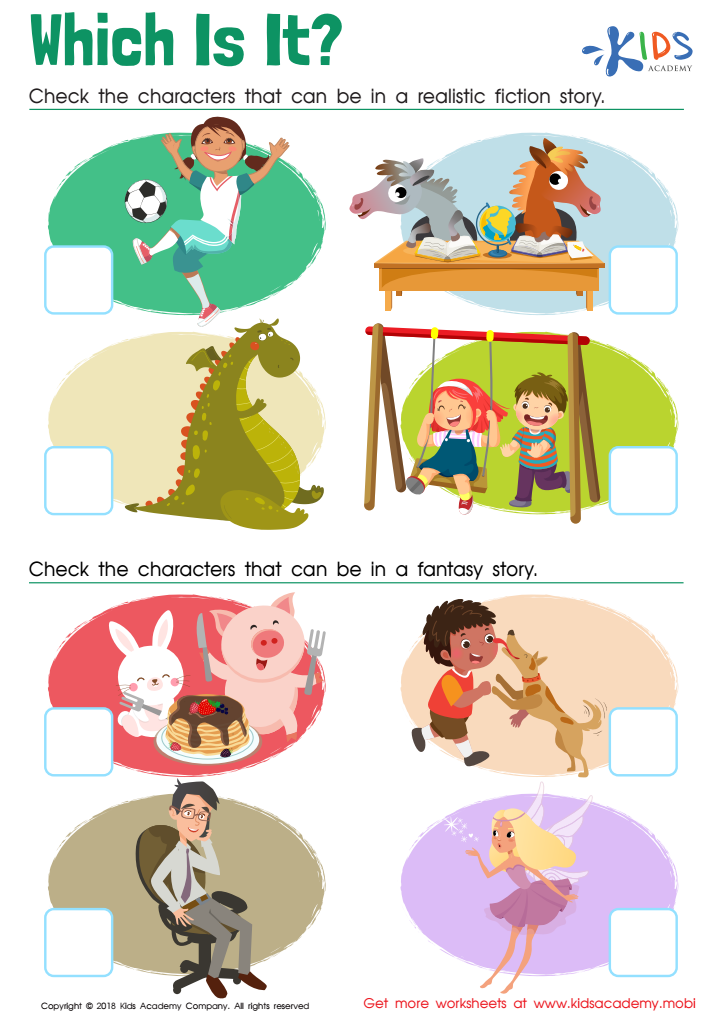
Which Is It? Worksheet
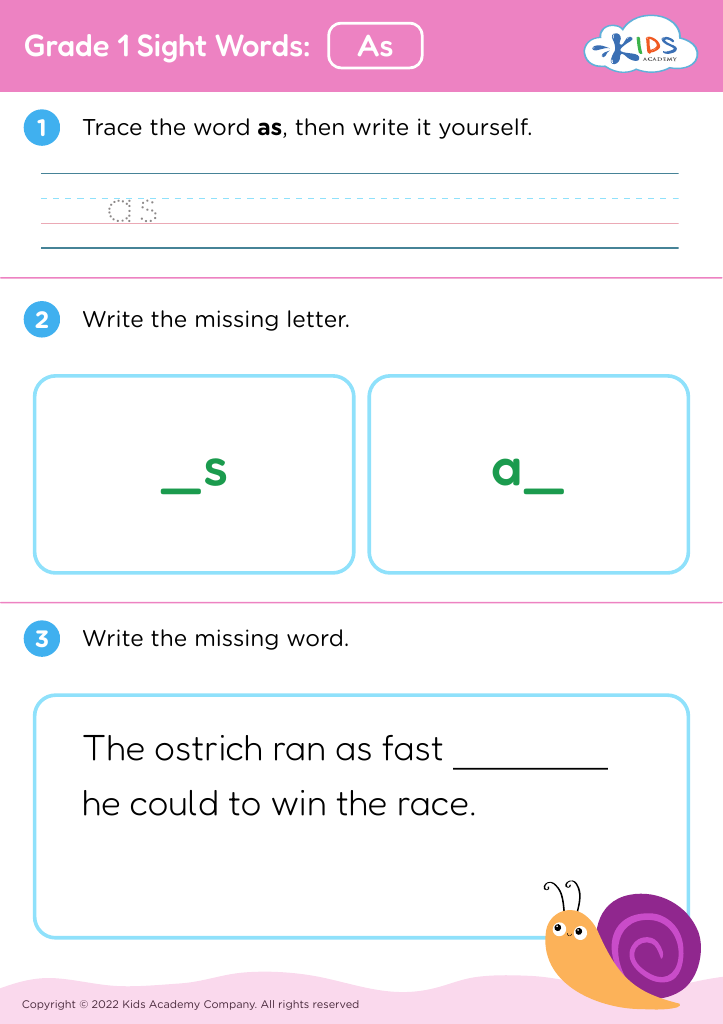
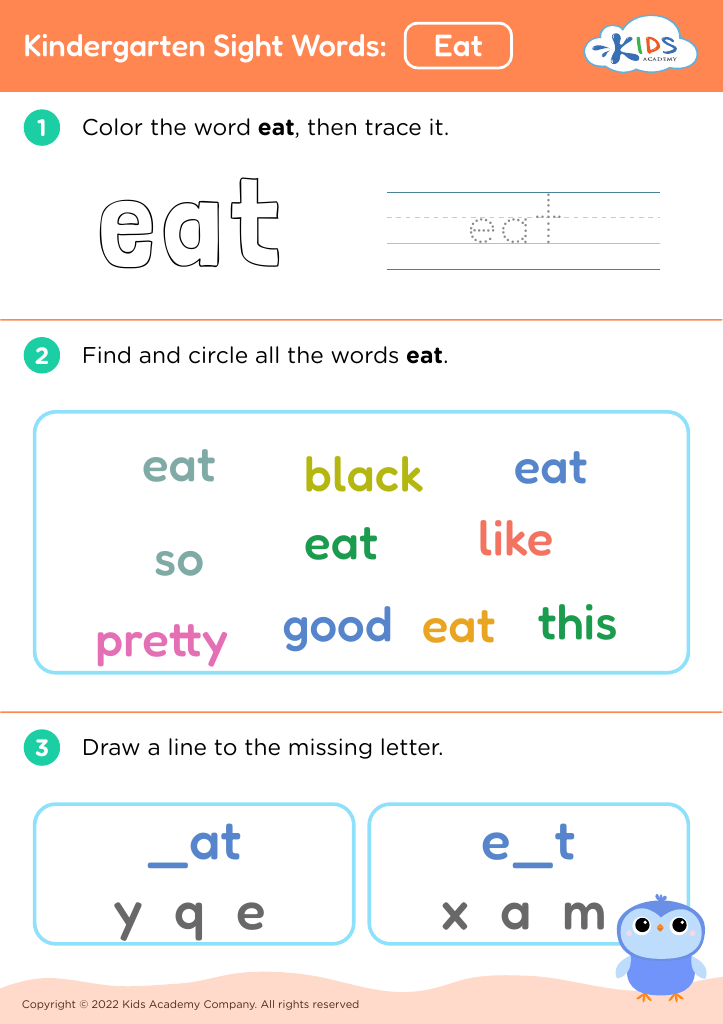








Shape identification and building vocabulary are fundamental skills for children aged 3-6. Understanding shapes forms the basis for recognizing letters and numbers, as both often consist of simple geometric shapes. Early proficiency in distinguishing circles, squares, triangles, and other shapes enhances visual-spatial skills, crucial for subjects like mathematics and art.
Connecting shapes to vocabulary builds cognitive and language development. As children learn to identify and name shapes, they expand their vocabulary and improve their ability to communicate. Labels like "circle," "triangle," and "rectangle" are more than mere words; they represent concepts that help kids categorize and make sense of their environment.
Moreover, shape identification is often a child's first step into the world of geometry, laying the groundwork for more complex mathematical reasoning. Recognizing shapes in everyday objects fosters an early interest in learning and exploration. Activities involving shapes can also develop fine motor skills, important for writing and other tasks.
Teachers and parents should invest in shape-related learning because these skills are foundational. Engaging children in activities like sorting, drawing, or finding shapes in their surroundings makes learning interactive and enjoyable, benefiting their overall academic growth and problem-solving abilities. Encouraging shape identification from an early age sets the stage for a successful educational journey.








