
Understanding bar graphs Building Vocabulary Worksheets for Ages 3-6
3 filtered results
Difficulty Level
Grade
Age
-
From - To
Subject
Activity
Standards
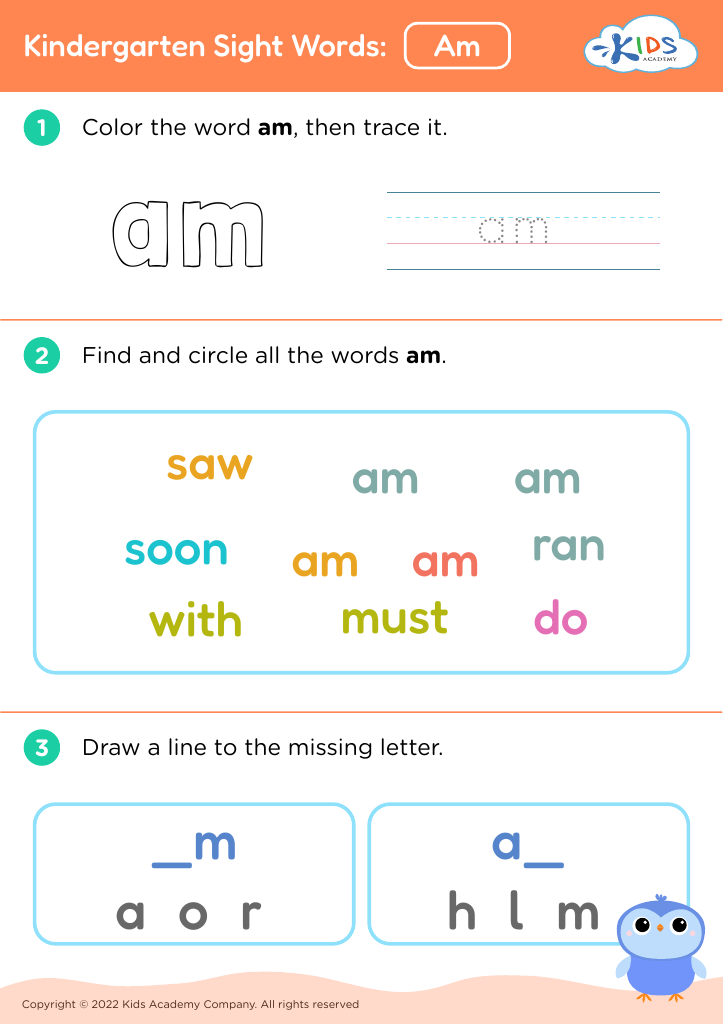
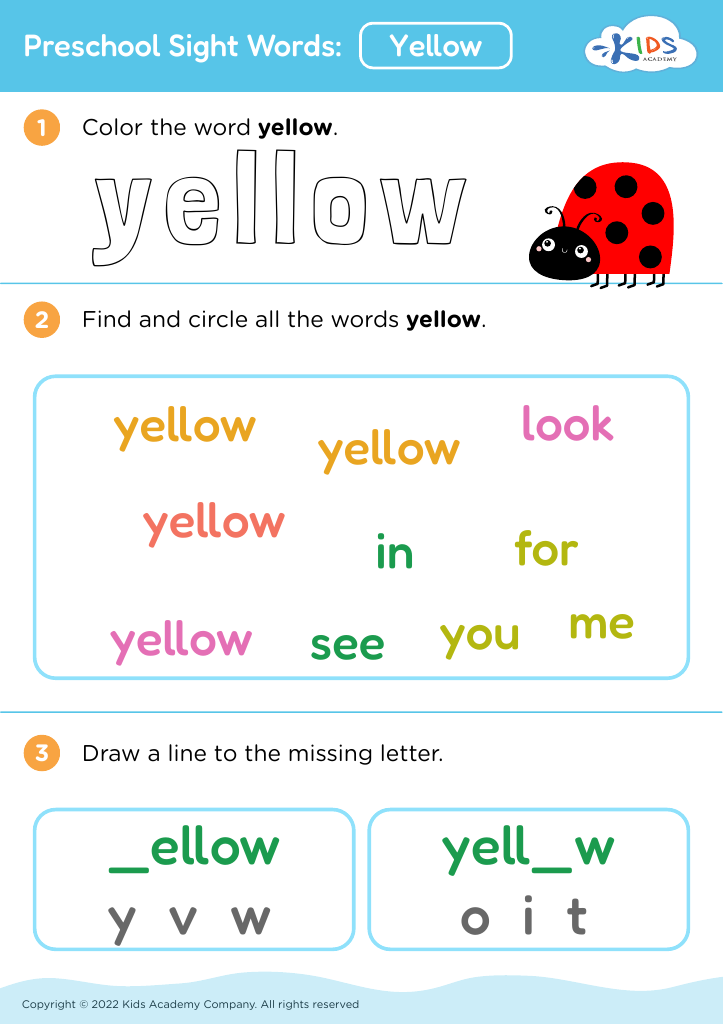
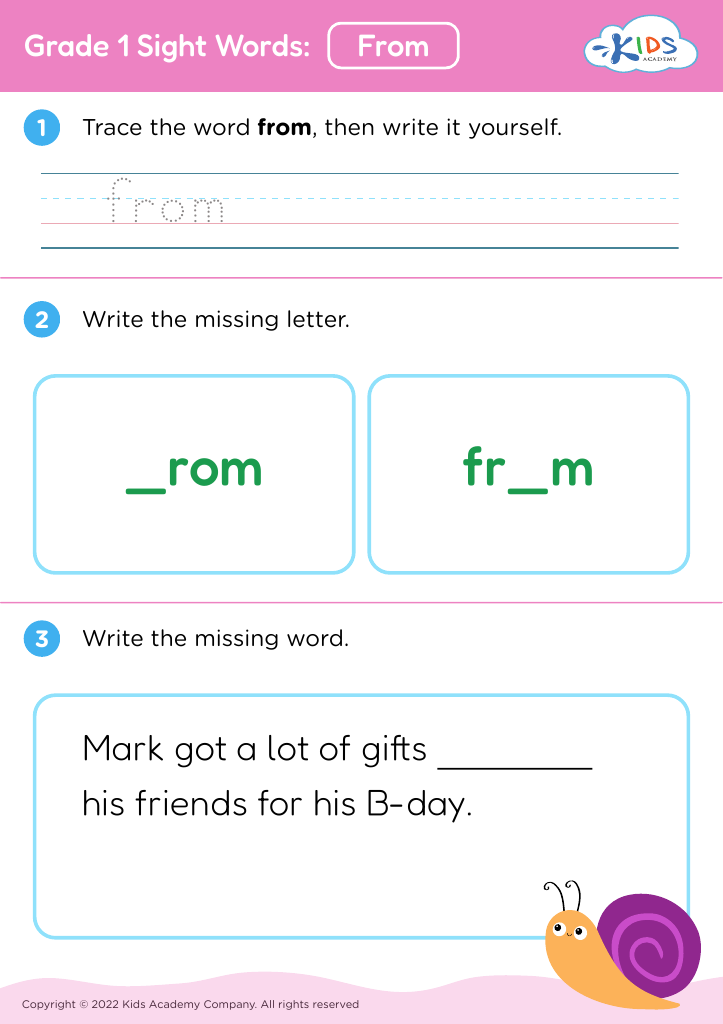
Unlock your child’s potential in data interpretation with our "Understanding Bar Graphs Building Vocabulary Worksheets" designed for ages 3-6. Our fun and engaging worksheets introduce young learners to bar graphs while enriching their vocabulary. Through colorful visuals and simple exercises, kids easily grasp basic graph concepts and learn important terms. These worksheets support the development of critical thinking and foundational math skills, making learning both enjoyable and meaningful. Perfect for early learners, parents, and teachers, our resources build confidence and cultivate a love for learning. Propel your child's educational journey with our expertly crafted tools!
Favorites
With answer key
Interactive











Join Kids Academy for Free
Who is primarily going to use this learning content?








Understanding bar graphs and building vocabulary are crucial developmental milestones for children aged 3 to 6, and parents and teachers play a vital role in fostering these skills.
Bar graphs introduce young children to the basics of data interpretation and mathematical reasoning. By teaching them how to read and create these simple visual charts, parents and teachers help children develop important analytical skills, such as comparing quantities and recognizing patterns. This early exposure lays a foundation for more complex mathematics and logical thinking required in later stages of education.
Building vocabulary, on the other hand, is essential for effective communication and comprehension. A rich vocabulary allows children to express their thoughts, needs, and emotions clearly, which enhances social interactions and emotional intelligence. Vocabulary-building activities like reading stories, engaging in conversation, and introducing new words through play boost literacy skills and prepare children for successful reading and writing in school. Extensive vocabulary can significantly impact future academic success, as children with strong language skills can better understand instructions, ask questions, and participate fully in classroom activities.
In summary, parents and teachers should care about these aspects because they are critical for cognitive development, laying the groundwork for children’s future academic achievements and effective communication skills. Investing time and effort in these areas during early childhood sets a strong foundation for lifelong learning.








