Understanding fractions Building Vocabulary Worksheets for Ages 3-6 - Page 2
35 filtered results
-
From - To
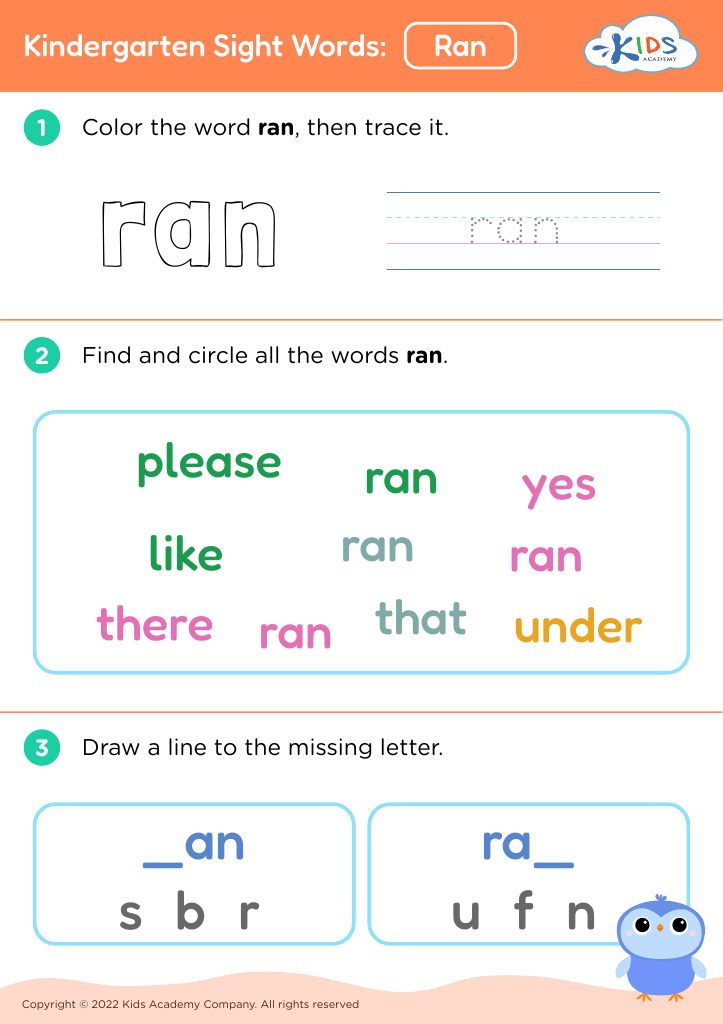











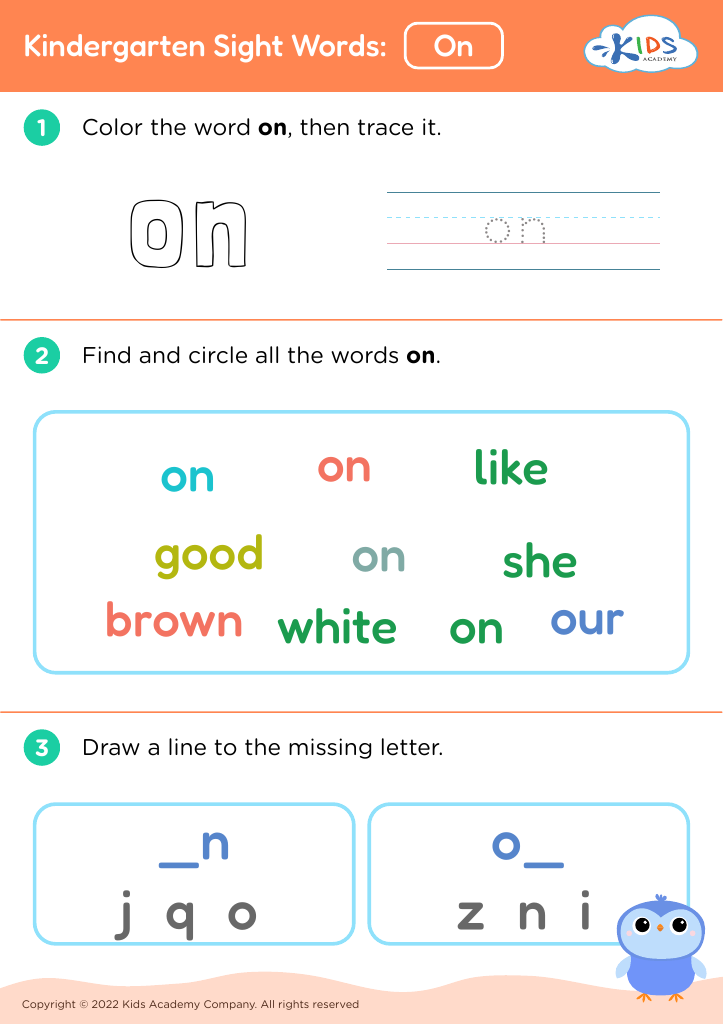
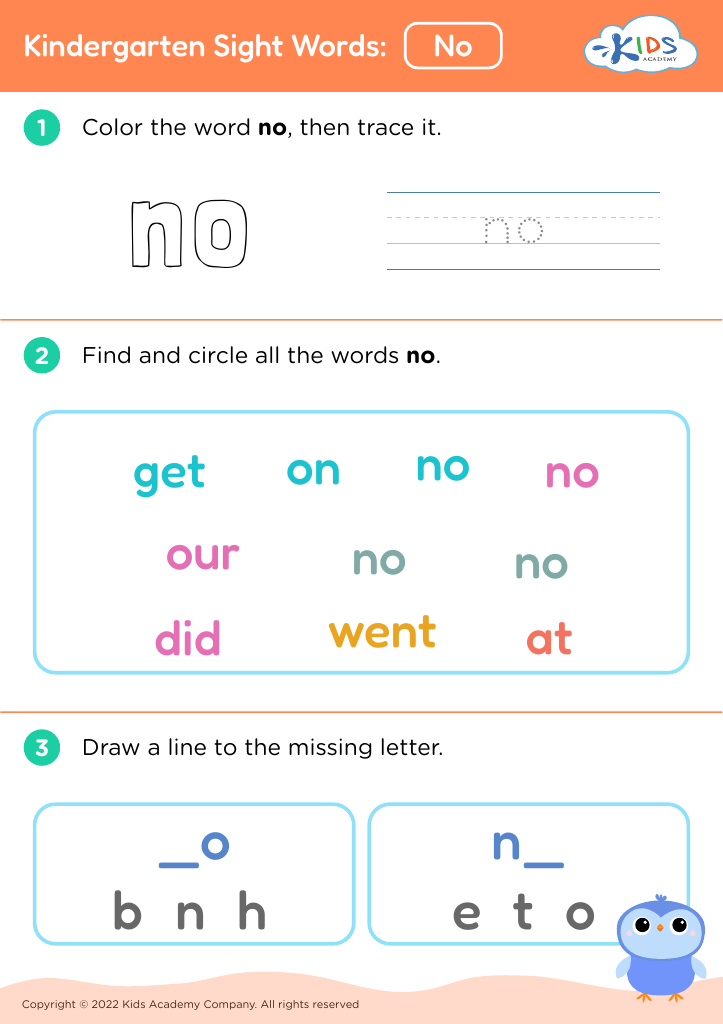
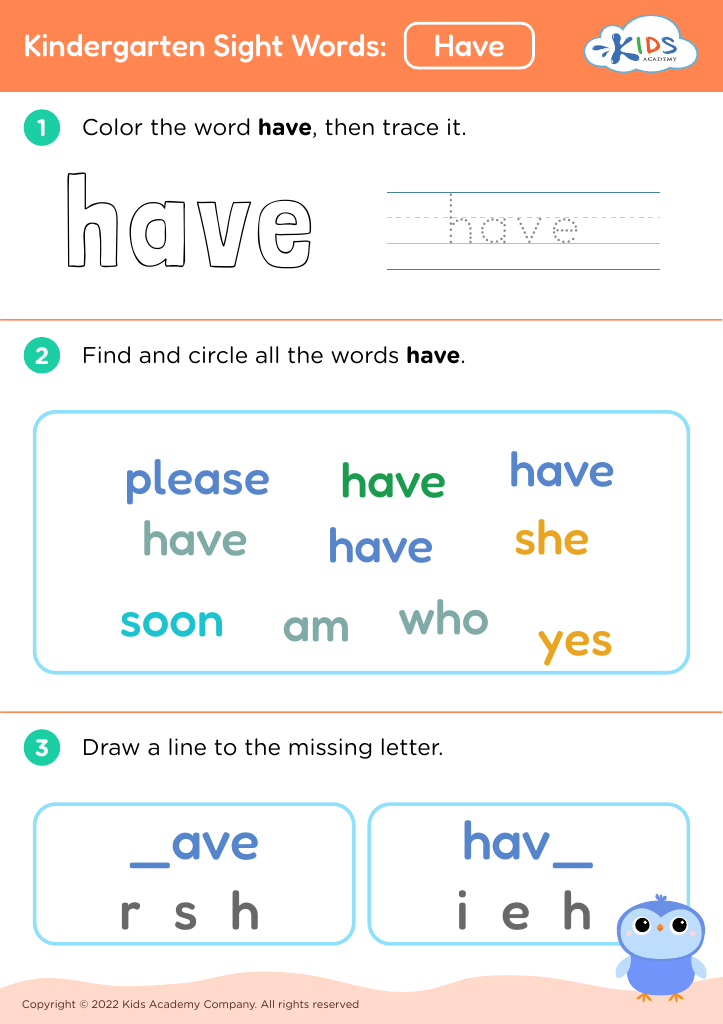
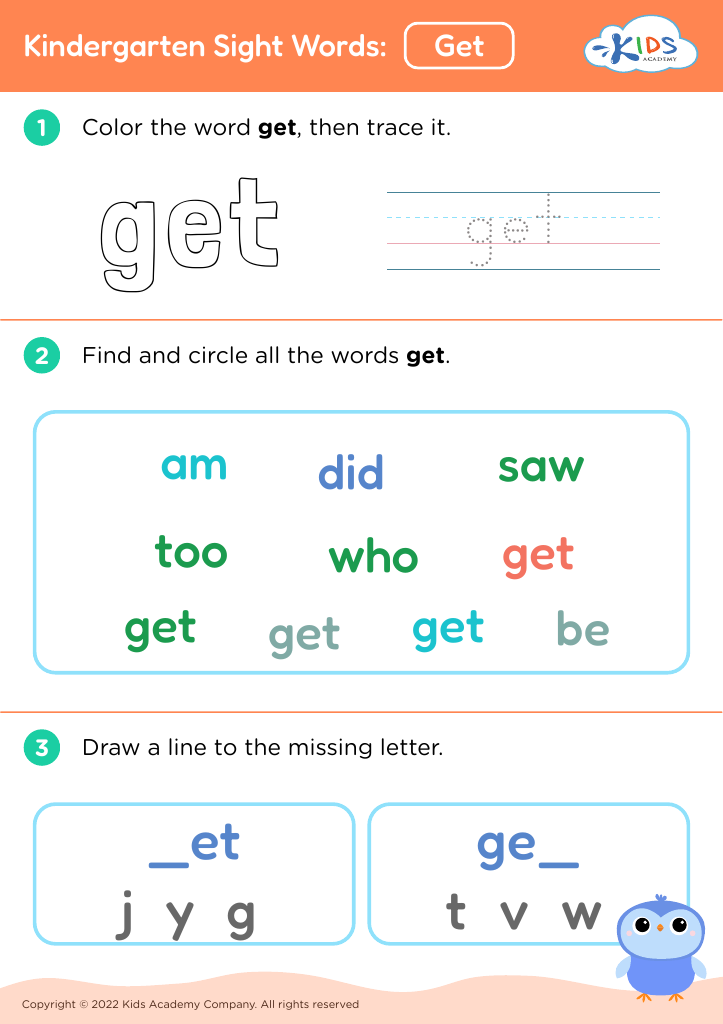
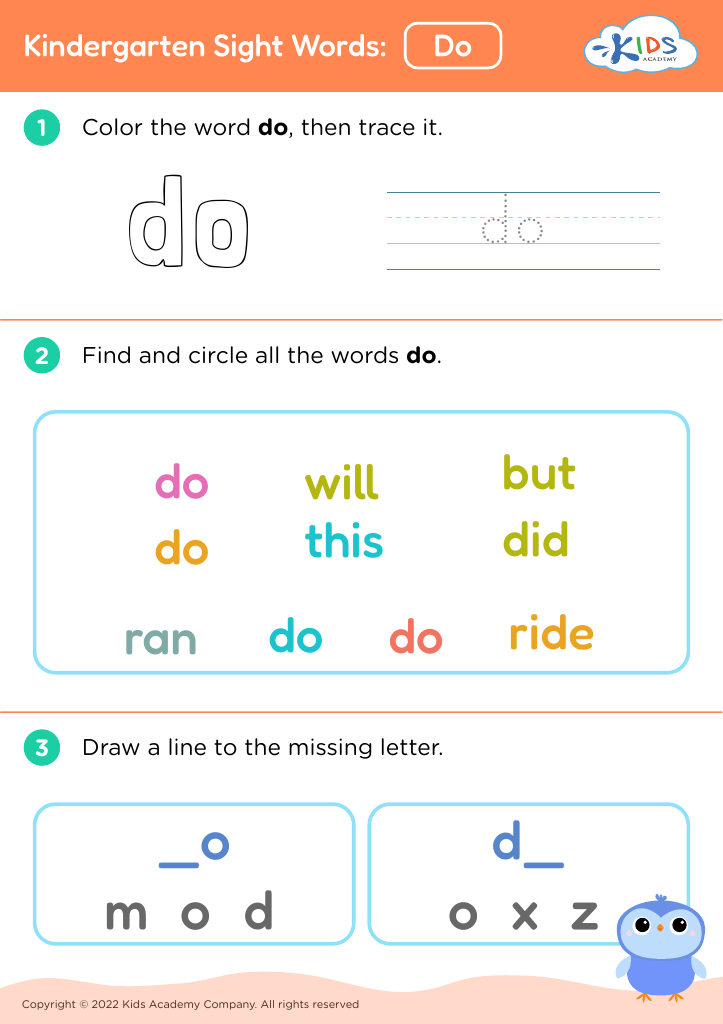
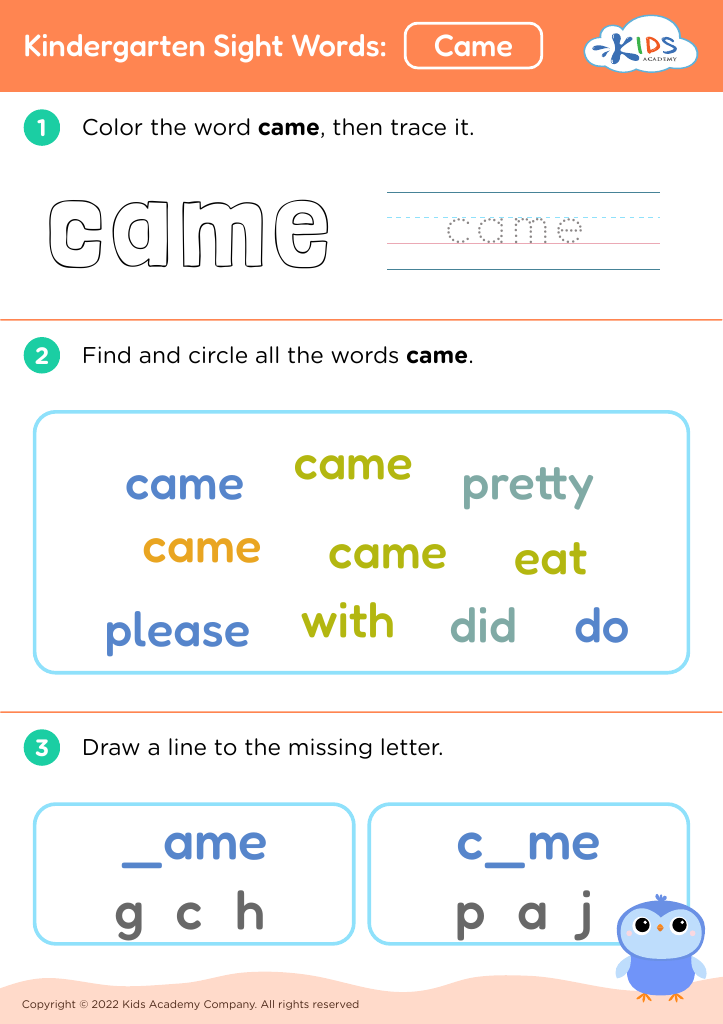
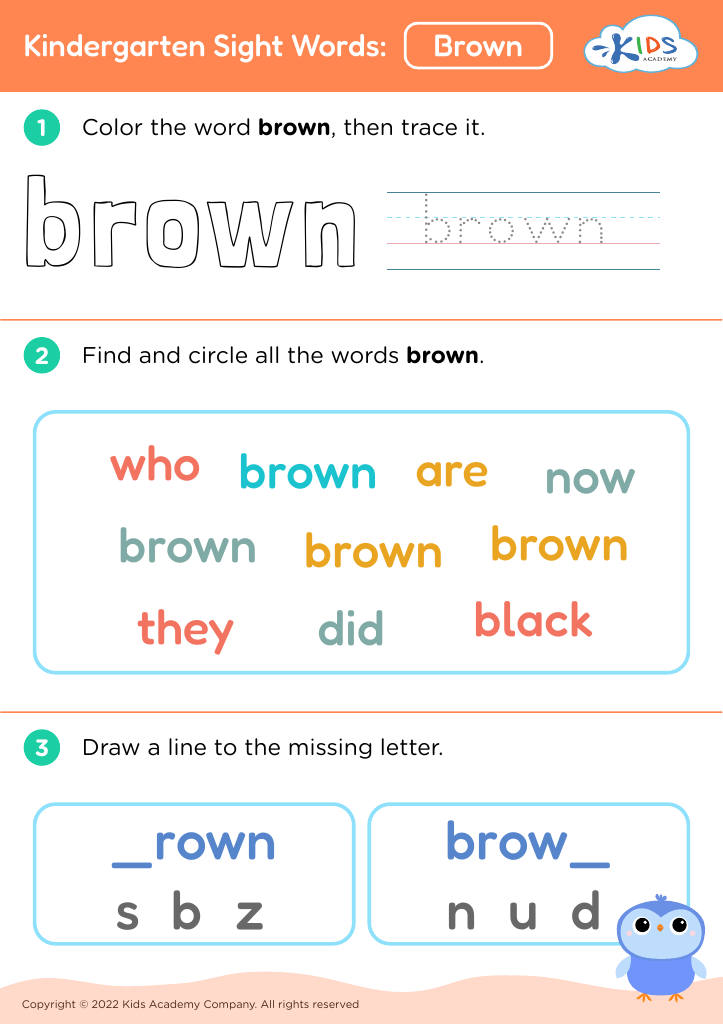
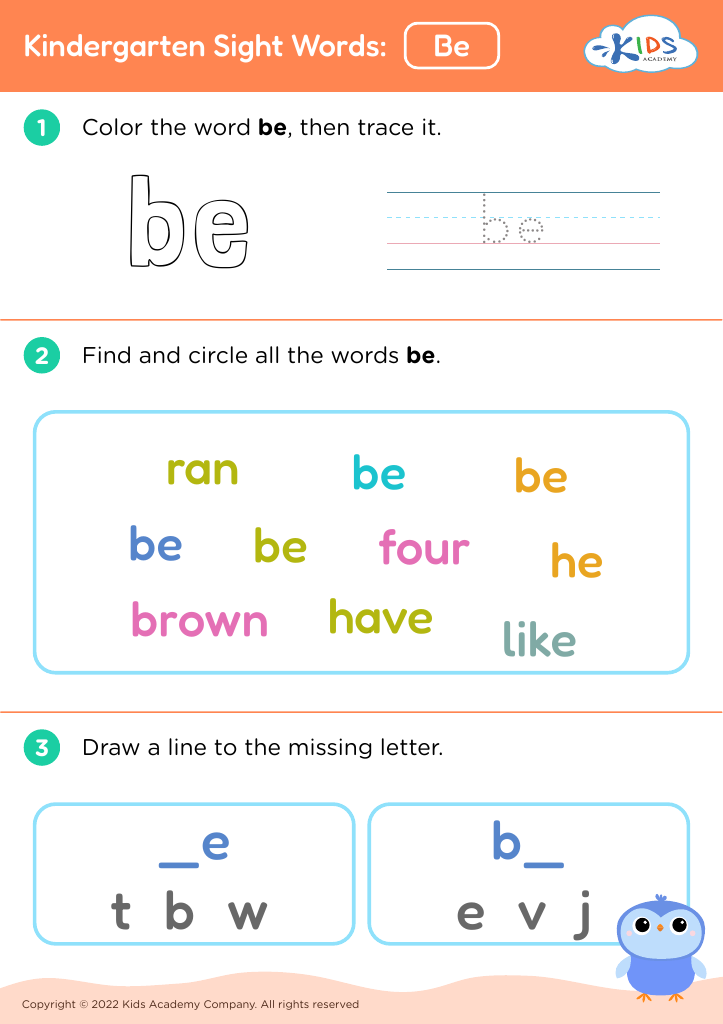
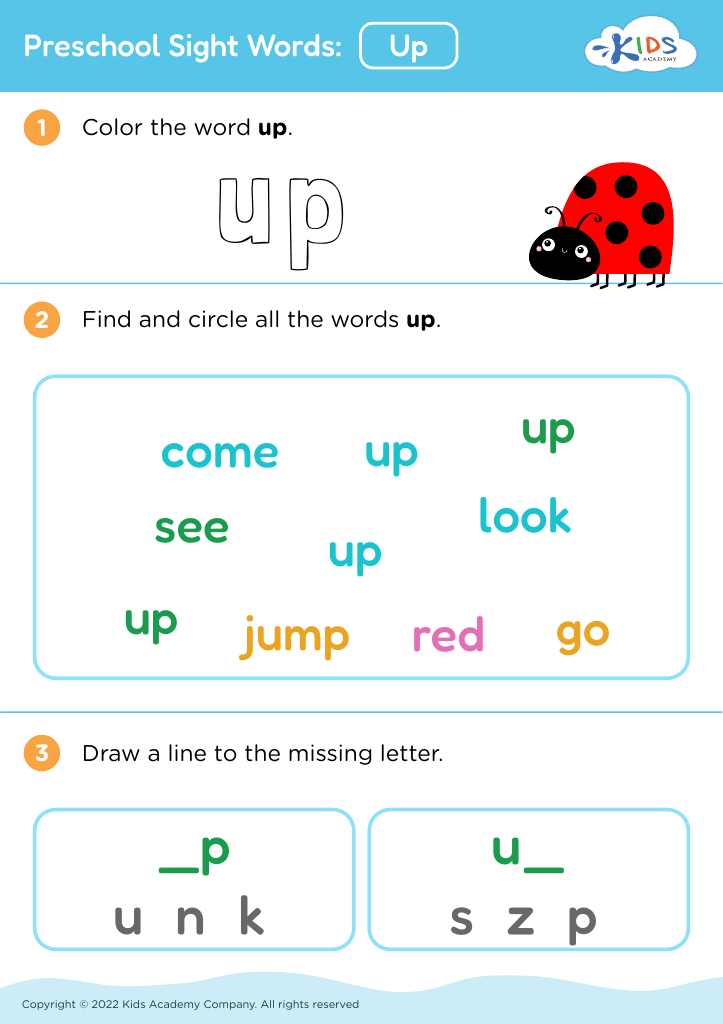
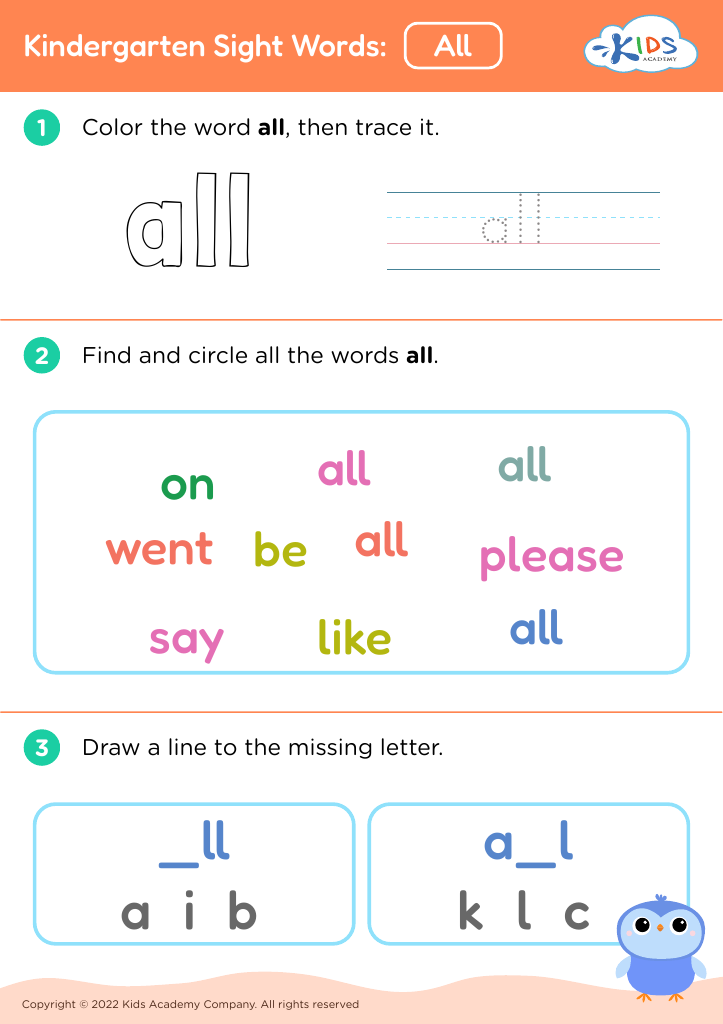








Understanding fractions and building vocabulary are two foundational skills that parents and teachers should prioritize for children aged 3 to 6 because these skills set the groundwork for future academic success and lifelong learning.
First, understanding fractions introduces young children to essential mathematical concepts. While kids at this age may not fully master fractions, early exposure through play and simple activities can help them grasp the ideas of parts and wholes, sharing, and proportion. This foundational understanding contributes to their confidence in tackling more complex math concepts later on, fostering a positive attitude towards mathematics.
Second, building vocabulary during this critical developmental period has a profound impact on a child's cognitive development and literacy skills. A rich vocabulary enhances comprehension, communication, and the ability to express ideas clearly. Engaging in conversations, reading books, and exploring new words through daily activities enriches a child's language skills, which are crucial for successful reading and writing as they enter formal schooling.
Both skills—fractions and vocabulary—are interconnected and critical for cognitive development. By fostering these skills early, parents and teachers can help children develop critical thinking abilities, problem-solving skills, and effective communication, setting them on a path toward academic achievement and personal growth.








