Understanding habitats Building Vocabulary Worksheets for Ages 3-6
3 filtered results
-
From - To
Discover the engaging "Understanding Habitats Building Vocabulary Worksheets" designed for children ages 3-6. These interactive worksheets introduce young learners to different habitats, including forests, oceans, and deserts, while enhancing their vocabulary skills. Each exercise promotes exploration and critical thinking as children connect words to real-life environments. Ideal for home or classroom use, these worksheets foster a love for nature while helping kids understand the importance of diverse habitats. Encourage curiosity and language development through fun, informative activities that will support early literacy. Start building essential vocabulary skills today with our captivating materials!
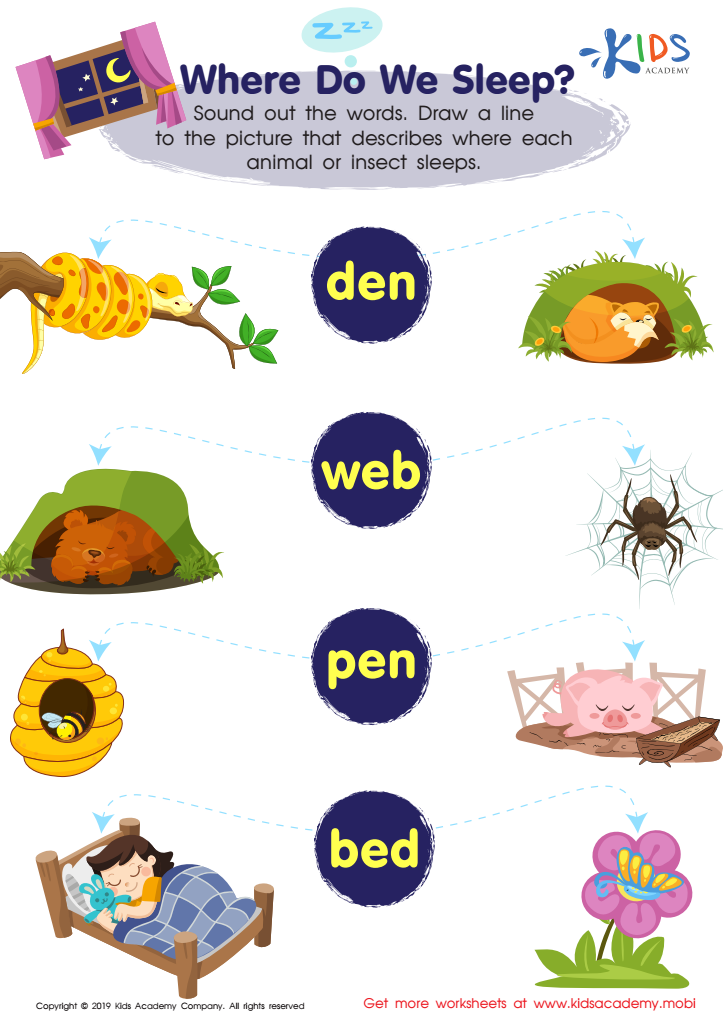
Where Do We Sleep Worksheet
 Assign to My Students











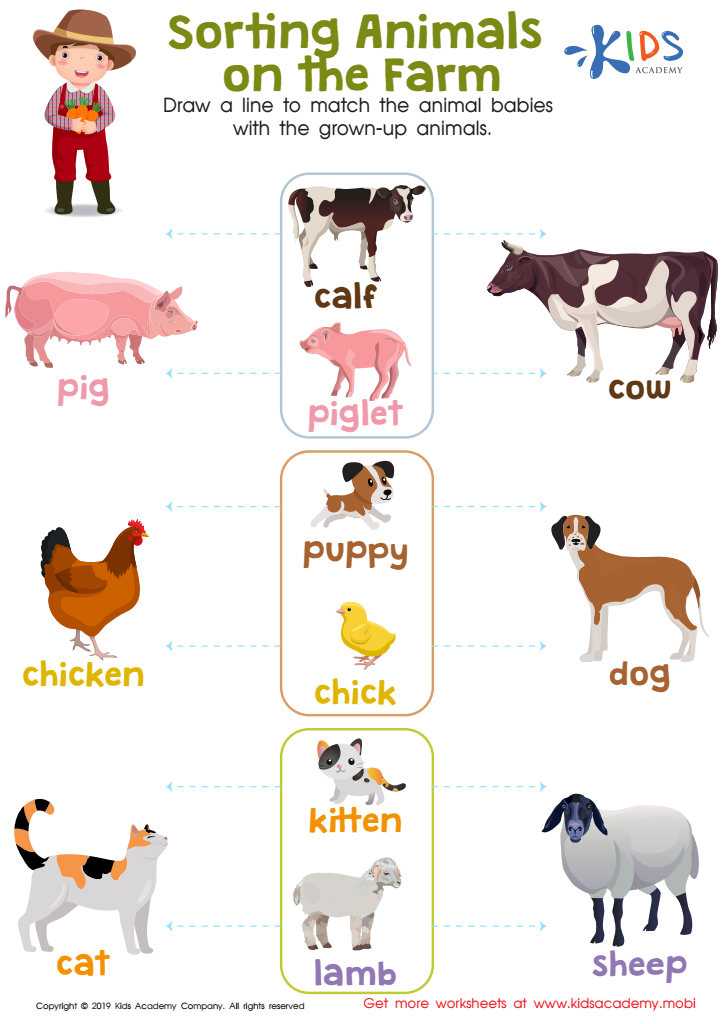
Sorting Animals on the Farm Worksheet
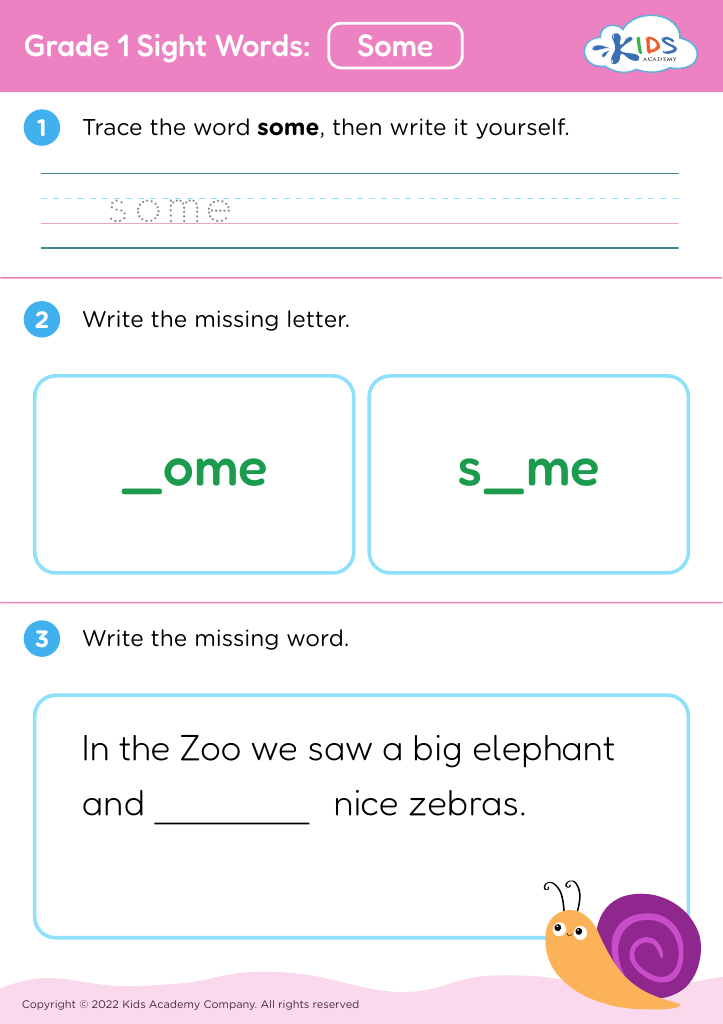




.jpg)



Understanding habitats and building vocabulary within ages 3-6 is crucial for a child’s development. During these formative years, children are incredibly curious, eager to learn about the world around them. Teaching them about habitats—such as forests, oceans, and deserts—fosters a sense of environmental awareness and helps them appreciate biodiversity. When children identify different animals and plants within these ecosystems, they begin to understand the interconnections in nature, paving the way for a sustainable future.
Furthermore, building vocabulary during this time is essential for cognitive and communication development. As children learn new words associated with habitats, they expand their linguistic skills, enabling them to express their thoughts and feelings more effectively. A strong vocabulary enhances their reading and writing activities later in life, making academic success more attainable.
Additionally, engaging children with habitat-related stories and activities promotes critical thinking and imaginative play, enriching their overall learning experience. By fostering an early appreciation for nature and encouraging the expansion of their vocabulary, parents and teachers are equipping children with the tools they need for lifelong learning and the ability to contribute positively to society. Emphasizing these concepts creates a strong foundation for a child's holistic development.








