
Understanding patterns Building Vocabulary Worksheets for Ages 3-6
6 filtered results
Difficulty Level
Grade
Age
-
From - To
Subject
Activity
Standards
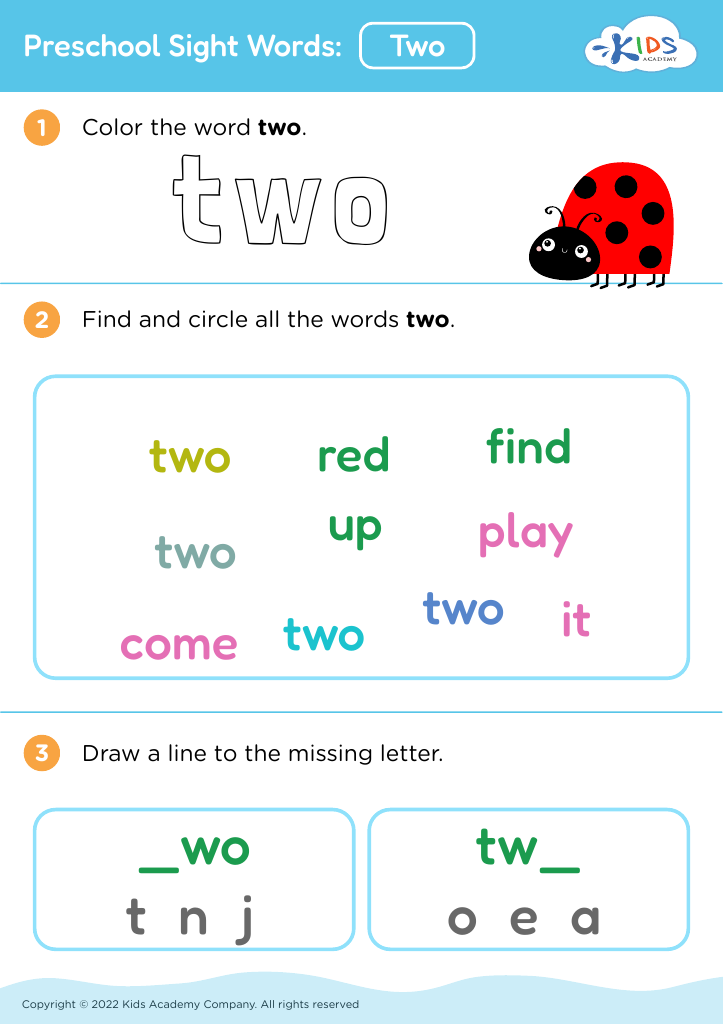
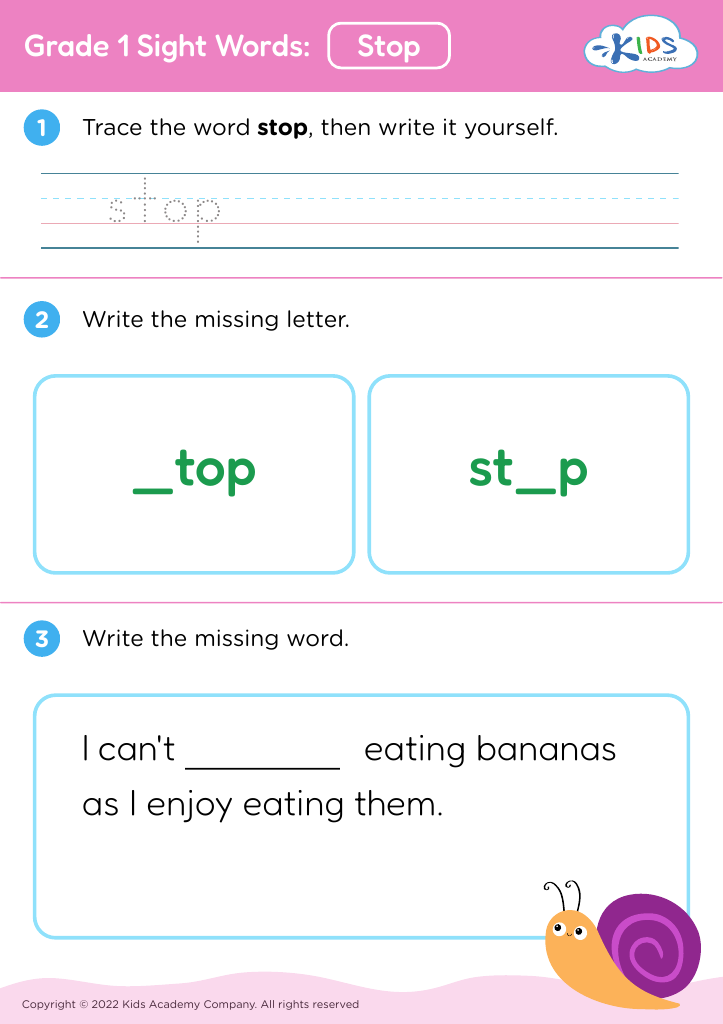
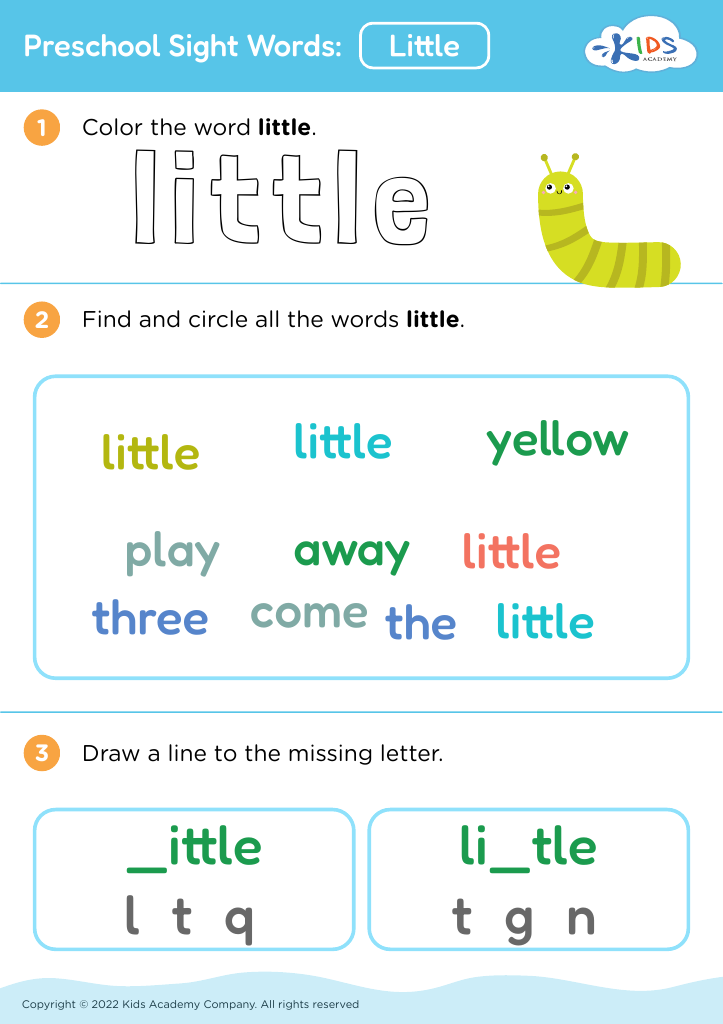
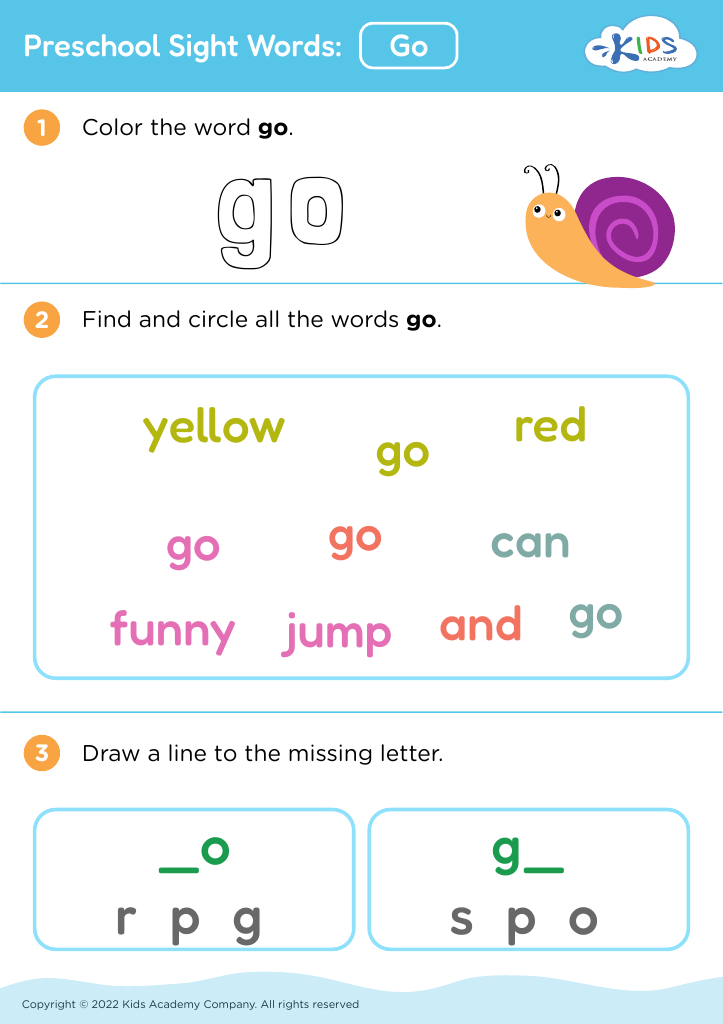
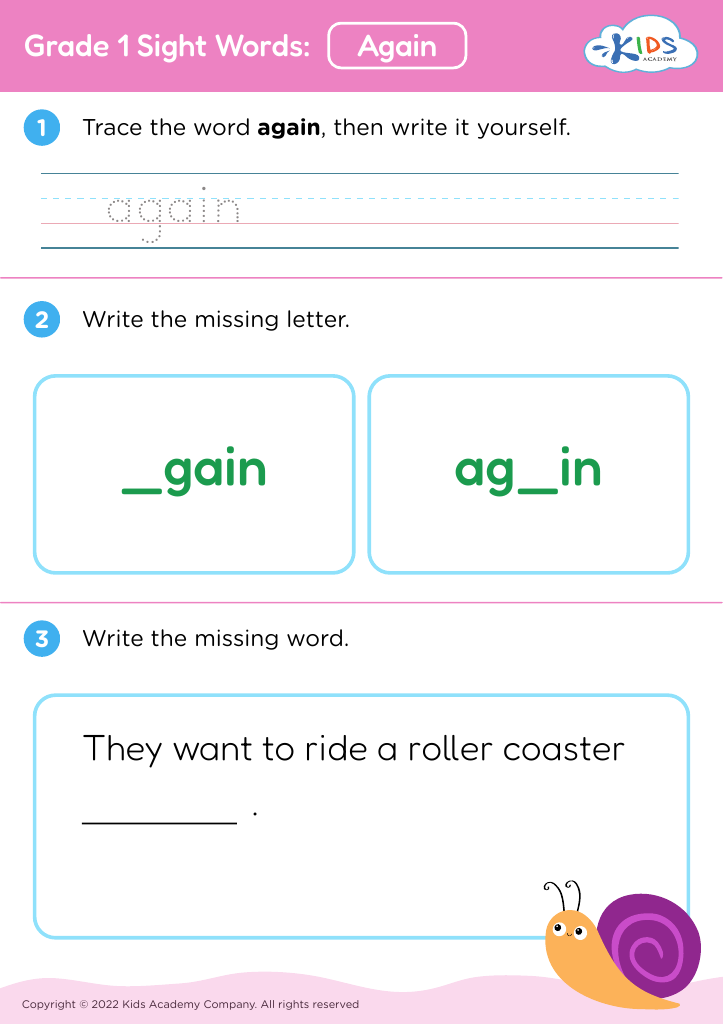
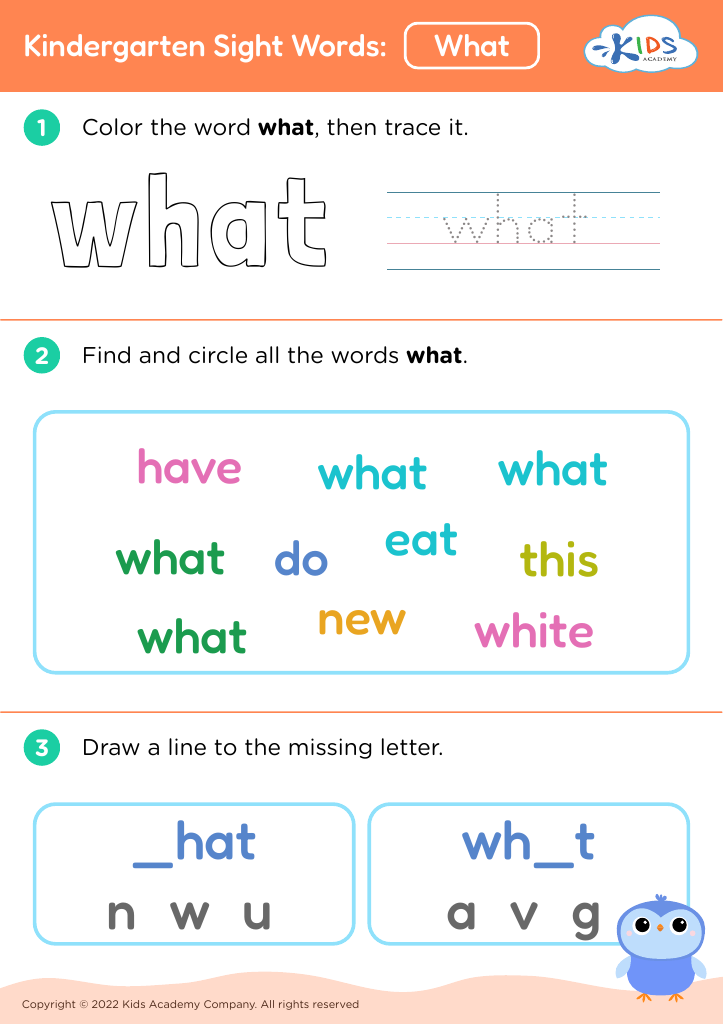
Discover the joy of learning with our "Understanding Patterns: Building Vocabulary Worksheets for Ages 3-6." Designed to help your child recognize and interpret patterns, these engaging worksheets blend fun with education. Perfect for early learners, each activity aims to enhance vocabulary and critical thinking skills through spotting and completing patterns. Bright visuals and simple instructions make it easy for young minds to grasp and enjoy. Equip your child with essential skills that lay the foundation for future academic success, fostering both confidence and a love for learning. Start exploring these effective, child-friendly resources today!
Favorites
With answer key
Interactive











Join Kids Academy for Free
Who is primarily going to use this learning content?


.jpg)





Understanding patterns and building vocabulary are fundamental skills that significantly impact a child's cognitive and linguistic development between the ages of 3-6. Patterns are not just sequences but the building blocks of logic and critical thinking. By recognizing and predicting patterns, children develop essential math skills and improve their ability to solve problems. This early exposure nurtures their analytical abilities and sets the stage for understanding more complex concepts in the future.
Building vocabulary, on the other hand, is crucial for communication and literacy development. A robust vocabulary allows children to express themselves more effectively, comprehend instructions, and engage meaningfully in conversations. It enhances their reading and comprehension skills, making it easier for them to decode new words and understand stories. The benefits are long-term, impacting academic success and social interactions.
For parents and teachers, fostering a child's understanding of patterns and building vocabulary during these formative years is essential. Engaging children in activities that highlight patterns and introduce new words can be fun and rewarding. It prepares them for kindergarten and beyond, laying a solid foundation for future educational achievements. By actively participating in these aspects of early development, parents and teachers help cultivate innovative thinking, effective communication, and a lifelong love for learning.








