Addition Practice Reading Worksheets for Ages 3-6
5 filtered results
-
From - To
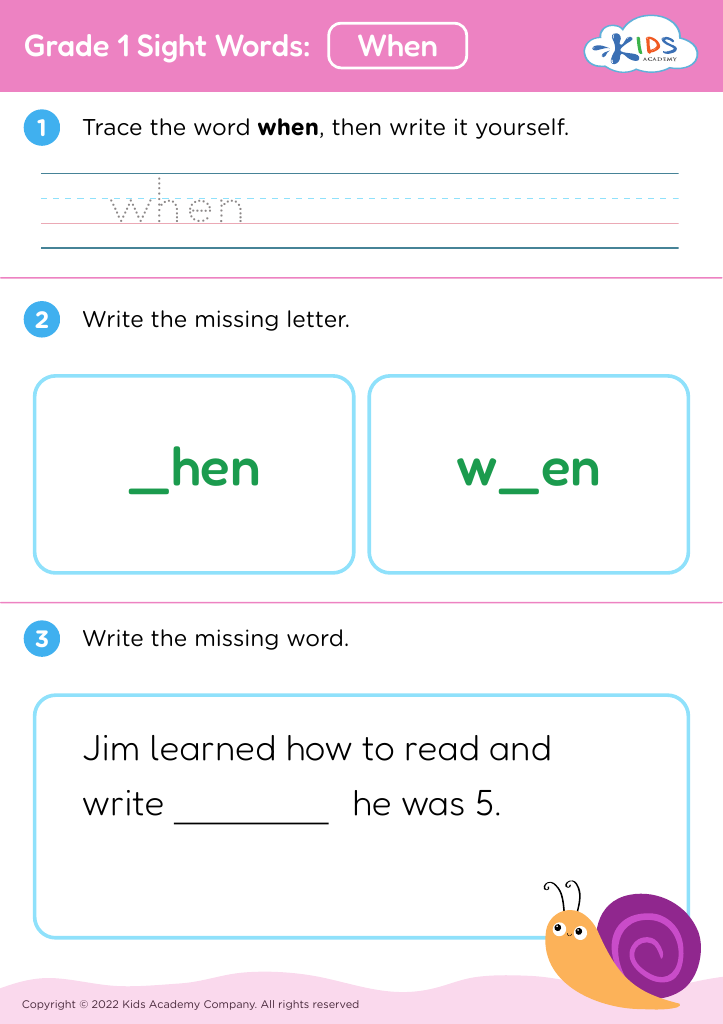
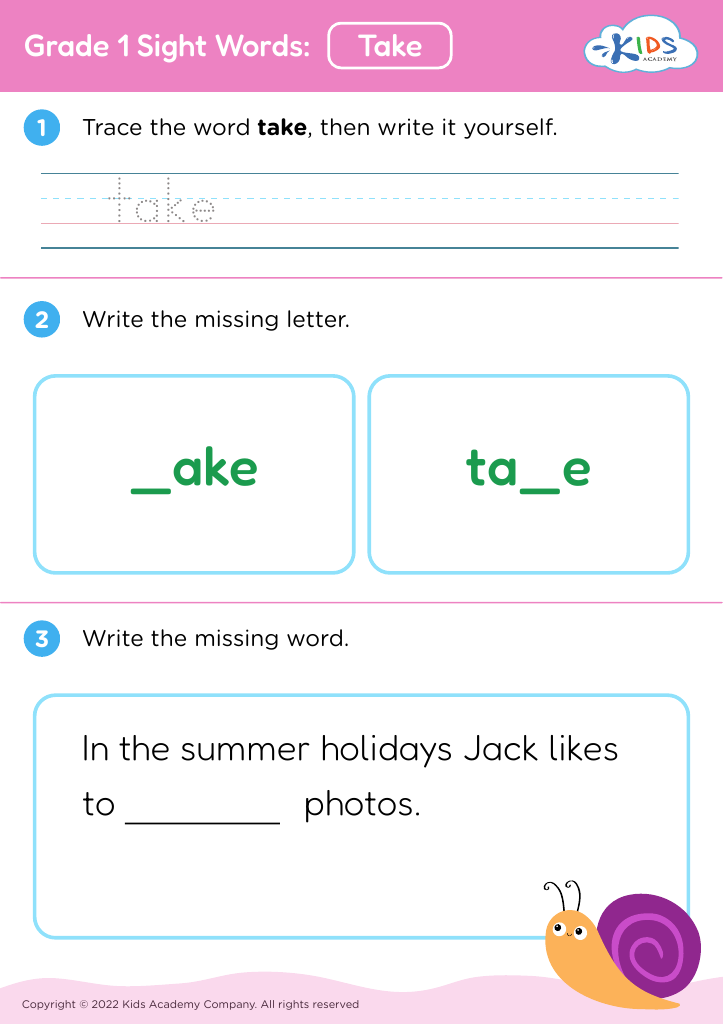
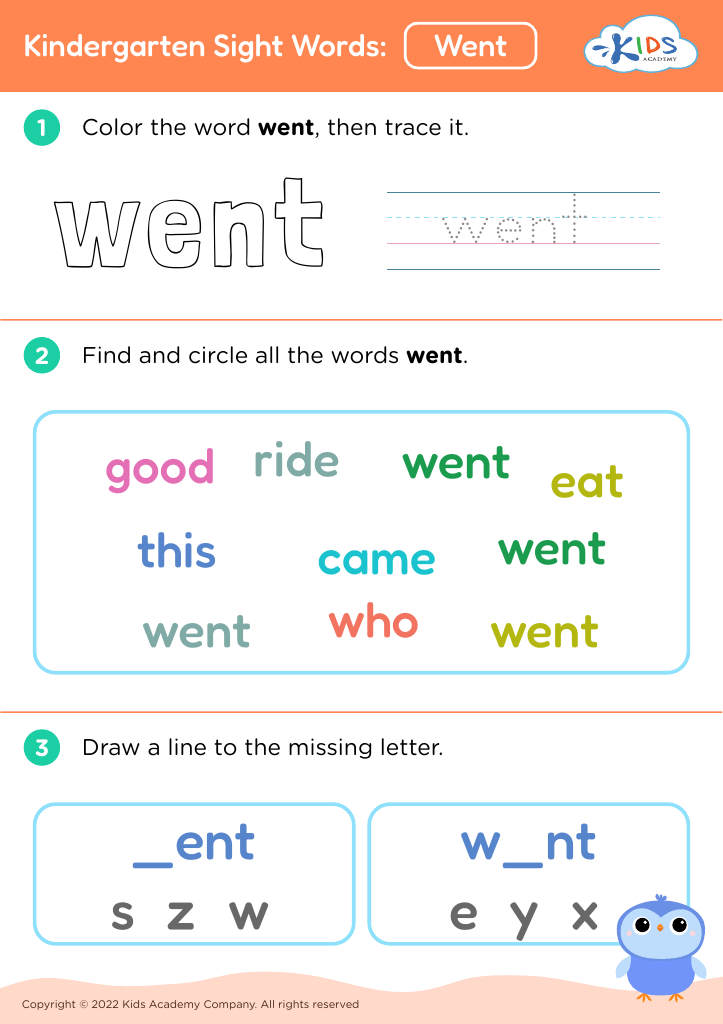
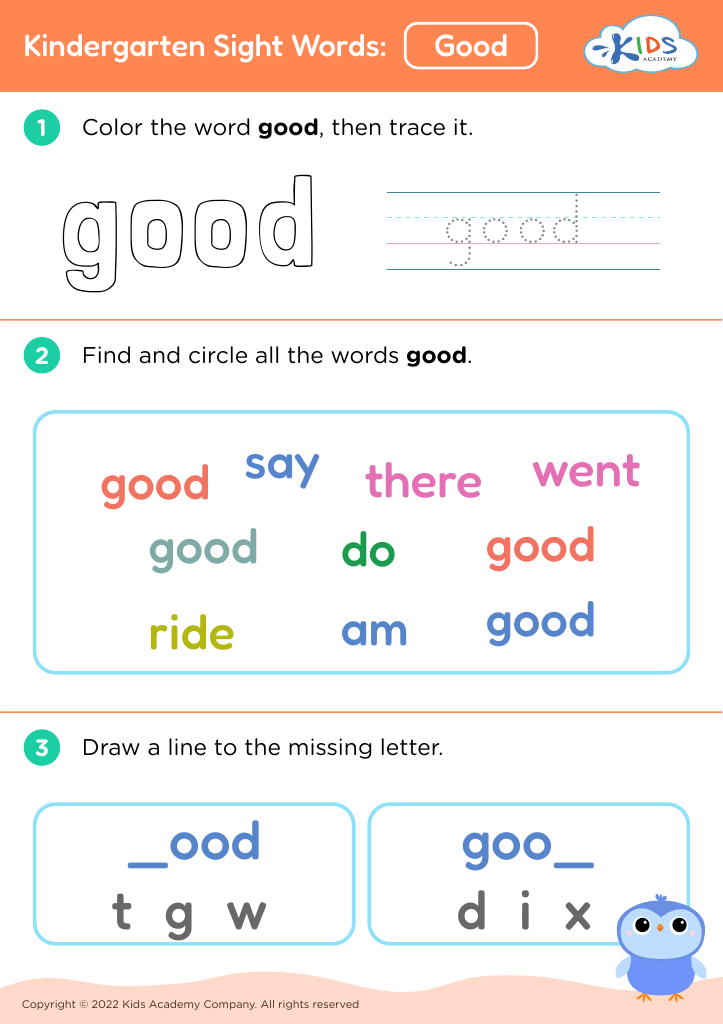
Boost your child's math and reading skills with our engaging Addition Practice Reading Worksheets for ages 3-6. These worksheets combine fun stories with simple addition problems to make learning enjoyable for young minds. Perfectly designed for preschool and kindergarten students, our resources help improve reading comprehension while introducing basic math concepts. Kids will love solving colorful puzzles and counting exercises, which foster a love for learning. Easy to download and print, our Addition Practice Reading Worksheets are an excellent tool for parents and teachers seeking a comprehensive educational experience. Inspire early academic success with these kid-friendly activities today!
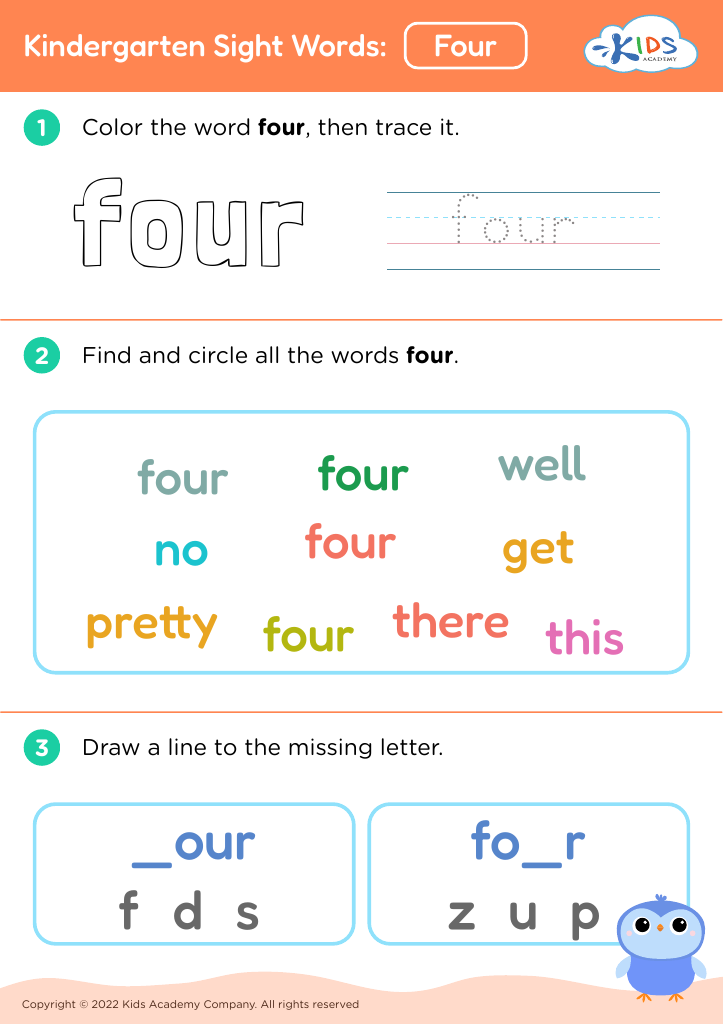






Parents and teachers should prioritize addition practice and reading for children aged 3-6 because these early skills serve as fundamental building blocks for future academic success. At this developmental stage, young brains are exceptionally adaptable and capable of rapid learning. Incorporating addition practice helps children develop early math skills, such as number recognition, counting, and basic problem-solving. These skills are crucial for their future understanding of more complex mathematical concepts.
Additionally, early reading practices enhance language development, vocabulary, and comprehension abilities. Engaging in reading activities also fosters a love for reading, which can lead to improved literacy skills and academic performance in the long run. When children experience success in these areas early on, it builds their confidence and promotes a positive attitude toward learning.
Research consistently shows that early math and literacy proficiency are strong predictors of later academic achievement. By incorporating both addition and reading practice into daily routines, parents and teachers can create a balanced and enriched learning environment. This not only prepares children for the academic challenges ahead but also enables them to enjoy and find satisfaction in their educational journey. Overall, investing time in these foundational skills paves the way for well-rounded, confident, and competent learners.








