
Coloring skills Reading Worksheets for Ages 3-6
4 filtered results
Difficulty Level
Grade
Age
-
From - To
Subject
Activity
Standards
Enhance your child's learning experience with our engaging Coloring Skills Reading Worksheets designed for ages 3-6! These worksheets combine the joy of coloring with essential literacy skills, making reading fun and interactive. Kids will practice letter recognition, vocabulary development, and fine motor skills while bringing vibrant images to life. Perfect for home or classroom use, our resources foster creativity and boost confidence through enjoyable activities tailored to young learners. Discover a range of themes and challenges that promote early reading skills, inspire imagination, and set the foundation for a lifelong love of learning. Start your colorful journey today!
Favorites
With answer key
Interactive
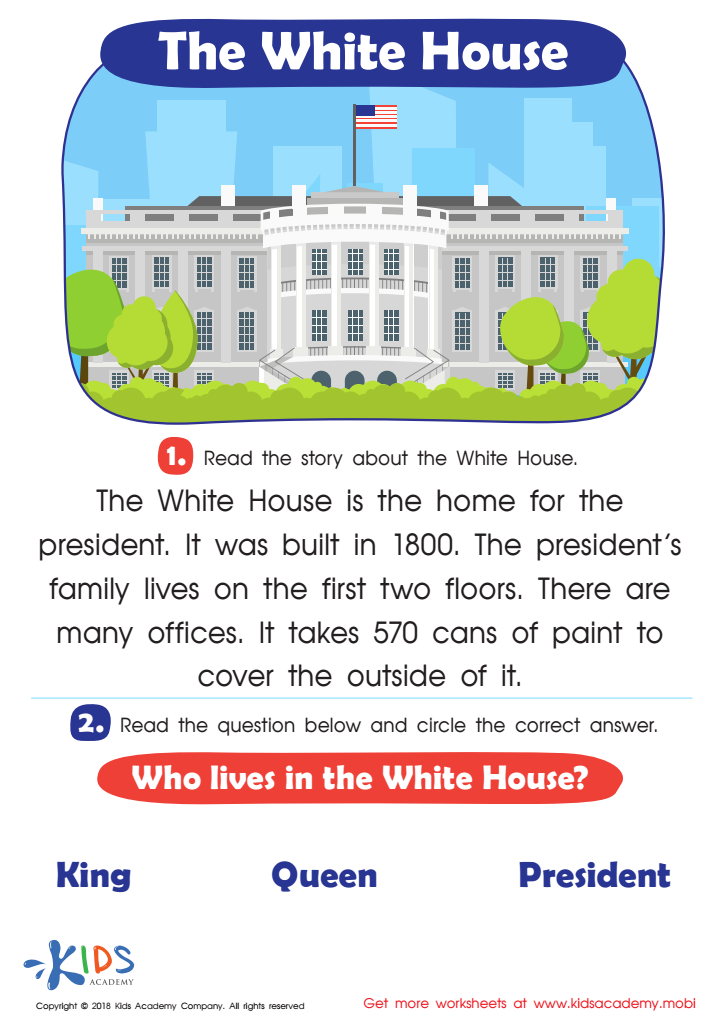
White House Worksheet
Read stories to your students to teach them new words, and about the White House. Before reading, ask your kindergartners what they already know. Then read short sentences for them to learn about the building the U.S President resides in.
White House Worksheet
Worksheet
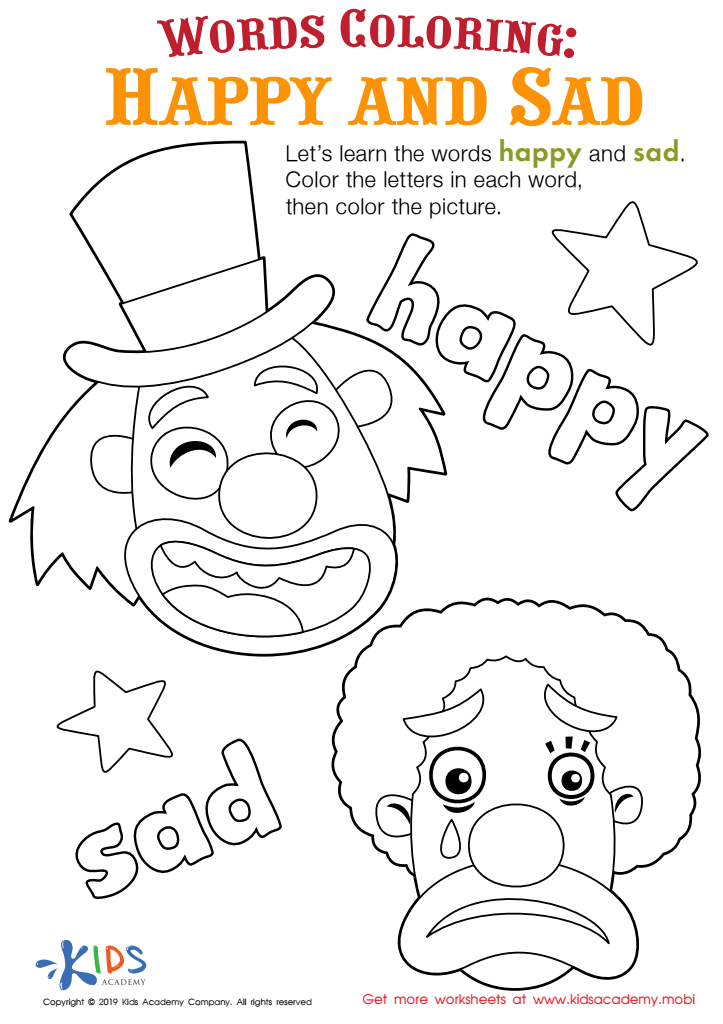
Happy and Sad Words Coloring Worksheet
Help students understand emotions by using this fun worksheet. It features smiling and sad clowns and the words 'happy' and 'sad'. Read the words with your students, then have them color the clowns and the emotion words. This PDF is an effective way to teach kids how to express how they feel.
Download (PDF)
 Assign to My Students
Assign to My Students
Happy and Sad Words Coloring Worksheet
Worksheet
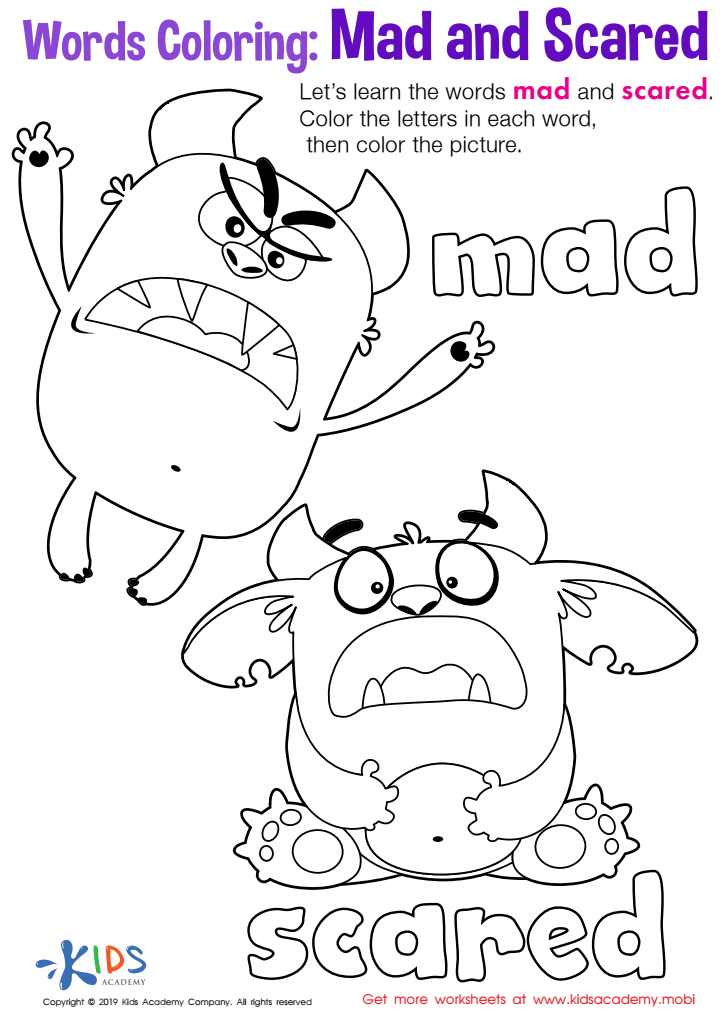
Mad and Scared Words Coloring Worksheet
This worksheet teaches "mad" and "scared" with fun monster pictures to color. Helping students learn by sight, it encourages sharing what makes them feel those strong emotions. Perfect for social studies, it expands student's vocabulary in an entertaining way.
Download (PDF)
Assign to My Students
Assign to My Students
Mad and Scared Words Coloring Worksheet
Worksheet
Join Kids Academy for Free
Who is primarily going to use this learning content?


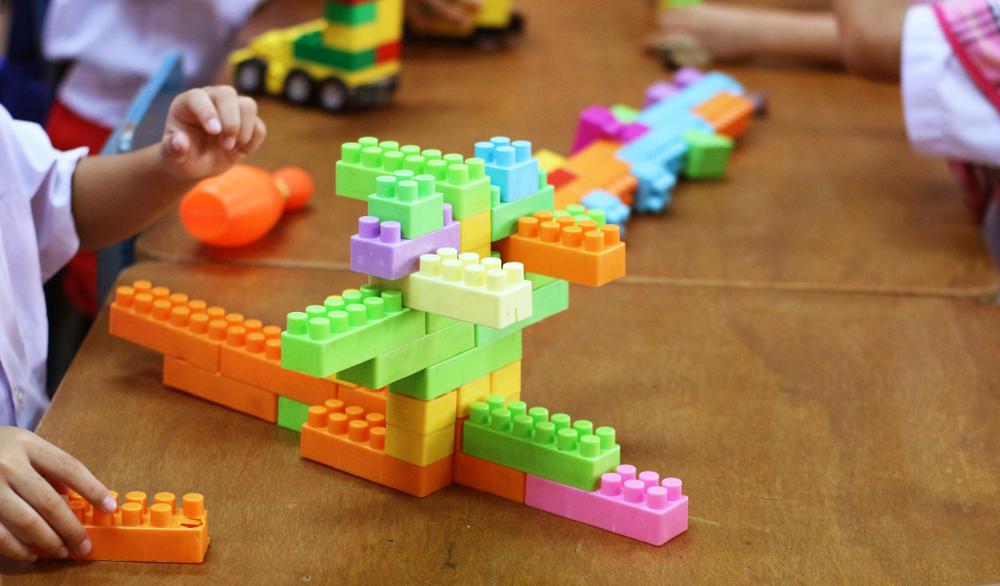





Coloring skills at ages 3-6 play a crucial role in early childhood development, blending creativity with foundational skills essential for reading and writing. Engaging in coloring helps young children develop fine motor skills, hand-eye coordination, and control over writing instruments, which directly supports their ability to write letters and form words when they begin reading.
Additionally, coloring promotes cognitive development. As children choose colors and apply them to specific areas, they enhance their decision-making skills and learn about spatial awareness. This practice also stimulates their creativity, encouraging imaginative thinking, which is vital for storytelling—a key reading component.
Moreover, coloring can serve as a calming tool, helping children manage their emotions and focus, which fosters a conducive learning environment. Introducing coloring around storybooks can create meaningful connections between visual arts and text, making reading more enjoyable and interactive. As children explore letters, shapes, and characters through coloring, they build vocabulary and comprehension skills in a playful context.
Ultimately, parents and teachers should prioritize coloring skills because they lay a strong foundation for literacy development, bolster emotional well-being, and position children for academic success as they transition into more structured learning environments.








