Enhancing Counting Skills Reading Worksheets for Ages 3-6
3 filtered results
-
From - To
Discover the perfect resource for nurturing foundational counting skills in young learners ages 3 to 6! Our "Enhancing Counting Skills" reading worksheets blend education and fun, making counting an enjoyable adventure for children. Each worksheet features engaging illustrations and simple activities designed to reinforce number recognition, one-to-one correspondence, and basic arithmetic. Tailored for early learners, these printable worksheets provide a variety of exercises that inspire curiosity and creativity while promoting crucial early math skills. Equip your classroom or homeschooling toolkit with these dynamic resources to foster a love for learning and set the stage for future mathematics success! Perfect for teachers and parents alike!
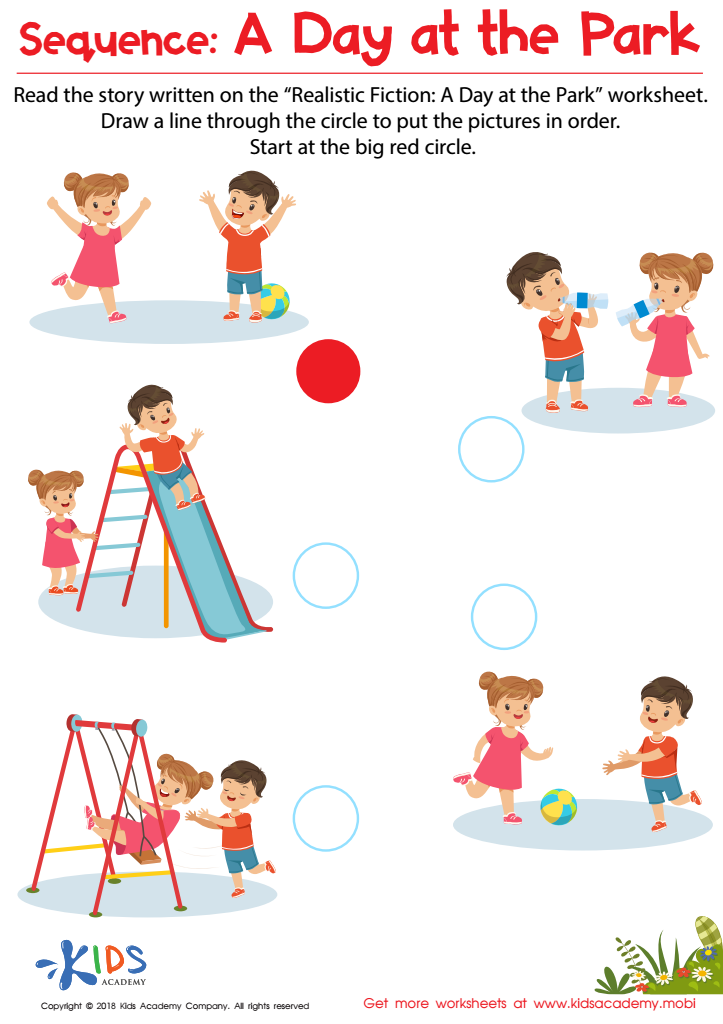
Sequence: A Day at the Park Worksheet
 Assign to My Students
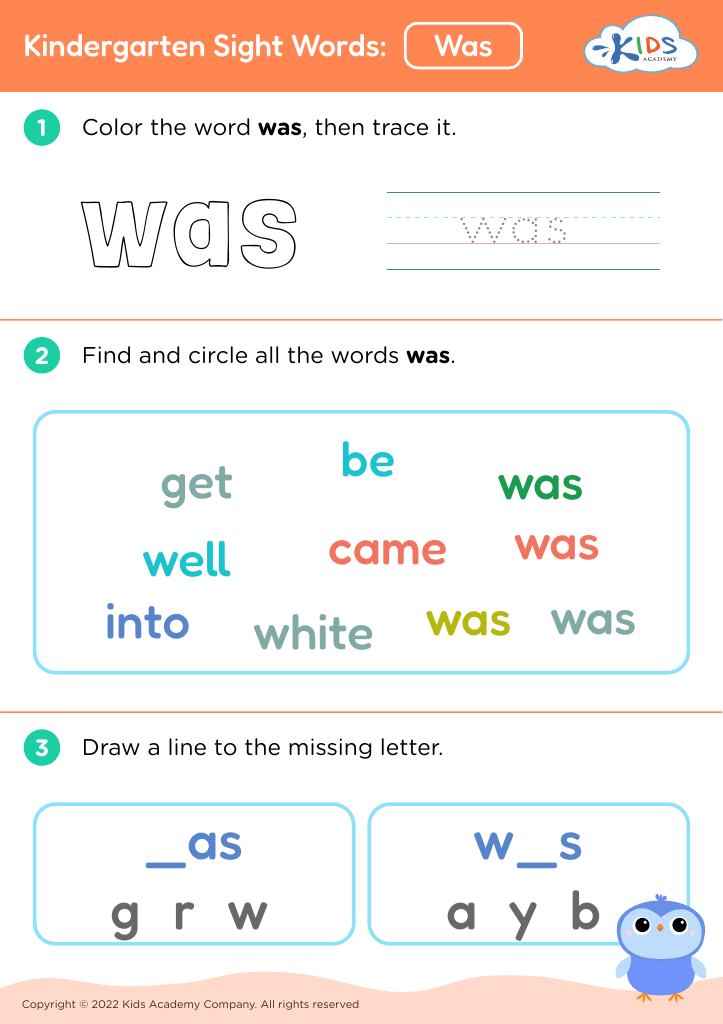
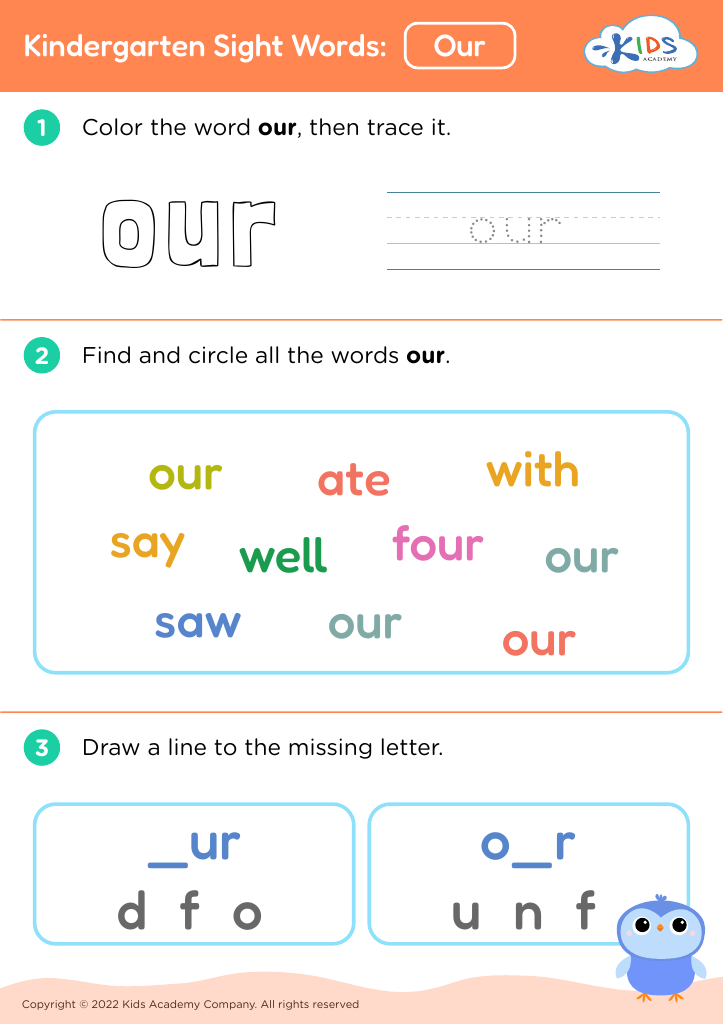







Enhancing counting skills in children aged 3-6 is crucial for their overall cognitive development and future academic success. At this early stage, children develop foundational skills that will shape their understanding of mathematics, language, and problem-solving. Fostering counting skills not only supports numeracy but also boosts critical thinking and reasoning abilities.
Parents and teachers play pivotal roles in creating engaging learning environments where counting can be integrated into everyday activities. Simple activities—like counting toys, snacks, or steps—encourage children to visualize and understand numbers in a practical context. By incorporating counting into storytelling or song, children also enhance their language skills, as they learn to associate numbers with concepts and stories.
Moreover, strong counting skills lay the groundwork for more advanced math concepts like addition, subtraction, and patterns. They also nurture confidence, nurturing a positive attitude toward learning which can last a lifetime. When parents and teachers actively promote counting skills, they enable children to build a strong academic foundation, encouraging curiosity and enthusiasm in learning. Ultimately, investing in counting skills during these formative years contributes to a child's lifelong journey of discovery and achievement in various subjects.








