Recognizing numbers Reading Worksheets for Ages 3-6
3 filtered results
-
From - To
Unlock your child's potential with our Recognizing Numbers Reading Worksheets, specially designed for ages 3-6. These engaging worksheets help young learners develop essential number recognition skills through fun activities and colorful visuals. With a variety of exercises, children can practice identifying numbers, counting, and matching numerals to quantities. Ideal for parents and educators, our printable resources make learning a joyful experience, enhancing your child's confidence and readiness for future math skills. Spark curiosity and promote early literacy with these dynamic worksheets, perfect for home or classroom use. Equip your little ones with the tools they need for success in their educational journey!
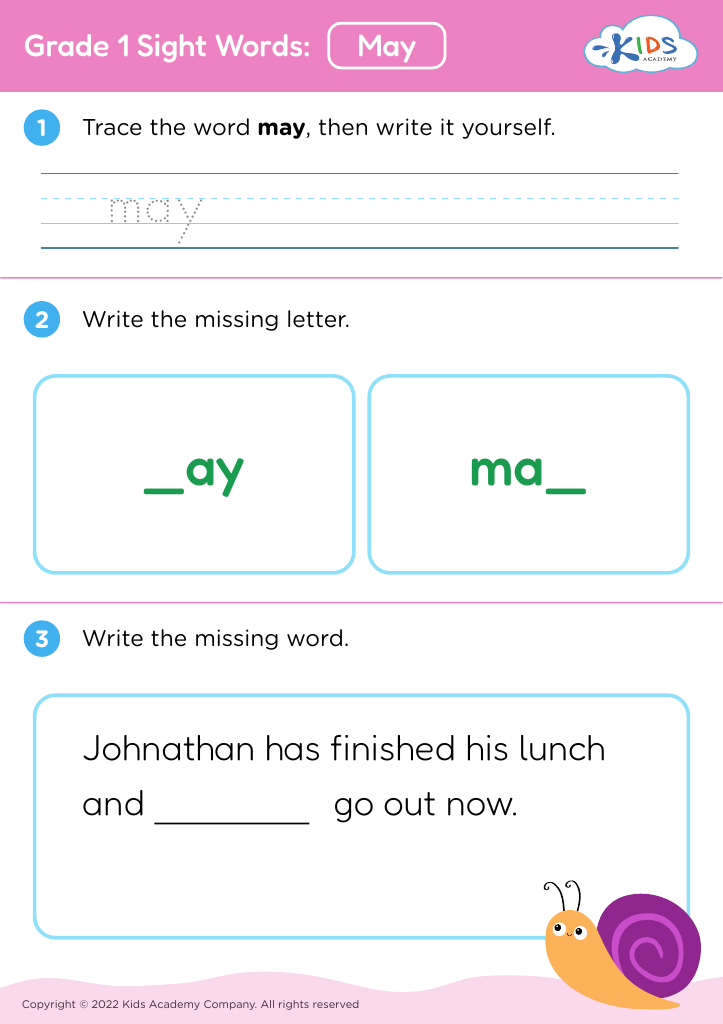
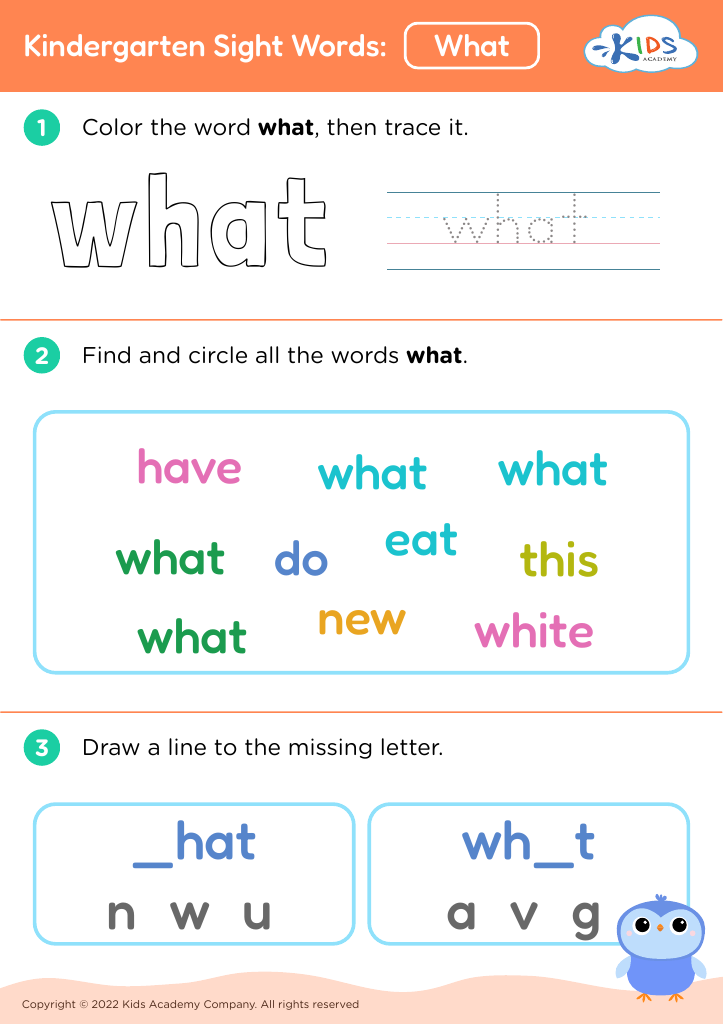
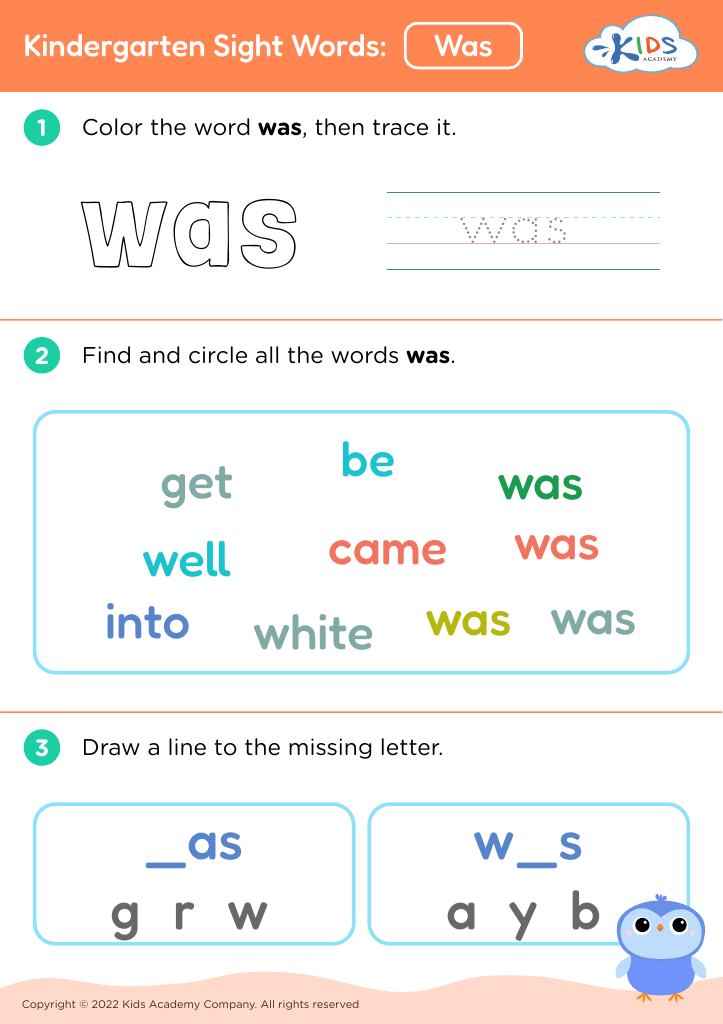








Recognizing numbers is fundamental for children aged 3-6, laying the groundwork for mathematical skills essential in later life. During these formative years, children's brains are exceptionally receptive to learning through play and exploration. By introducing number recognition early, parents and teachers can spark curiosity and foster a love for math, which can pave the way for a positive attitude toward learning throughout their education.
Additionally, early number recognition helps to enhance key cognitive skills such as counting, sorting, and pattern recognition, which are critical for problem solving and critical thinking. Understanding numbers aids in developing competencies in everyday situations, such as telling time, measuring, and handling money, ultimately fostering independence and confidence in young learners.
Moreover, strong foundational skills in number recognition can mitigate the risk of mathematical difficulties later in school. Engaging children in creative and interactive activities that involve numbers can create a stimulating learning environment where they feel valued and encouraged to ask questions and explore their interests. Therefore, by prioritizing number recognition in young children, parents and teachers not only prepare them for academic success but also equip them with essential life skills.








