Understanding symmetry Reading Worksheets for Ages 3-6
3 filtered results
-
From - To
Discover our "Understanding Symmetry Reading Worksheets" designed specifically for children aged 3-6! These engaging worksheets provide a playful introduction to the fundamental concept of symmetry, helping young learners recognize patterns and shapes in an enjoyable way. Each activity incorporates vibrant visuals and interactive exercises that encourage kids to identify mirrored objects, complete patterns, and explore the beauty of balanced designs. Perfect for early learners, our toolbox of educational resources fosters critical thinking and strengthens foundational reading skills while promoting creativity. Download these fun worksheets today to inspire a love for learning and enhance your child's understanding of symmetry in the world around them!
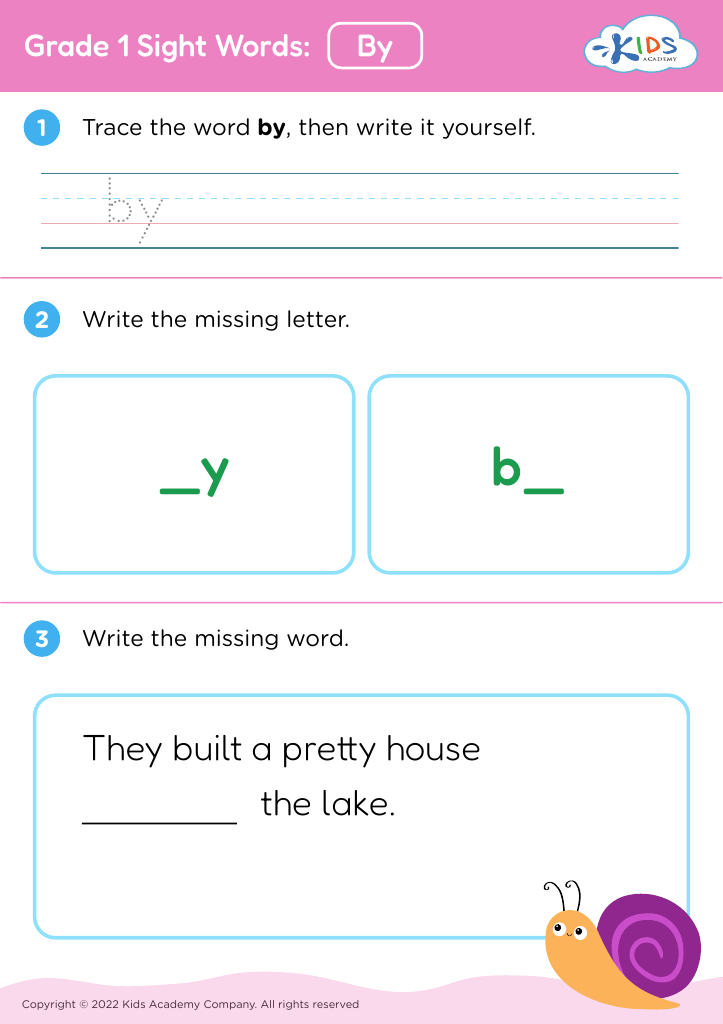
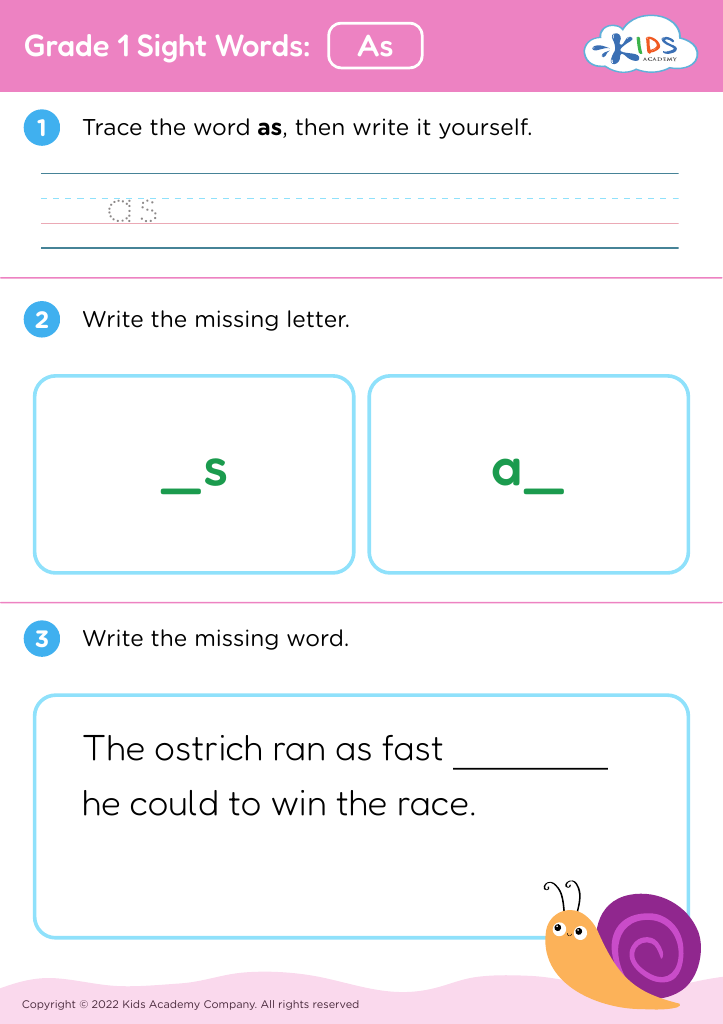
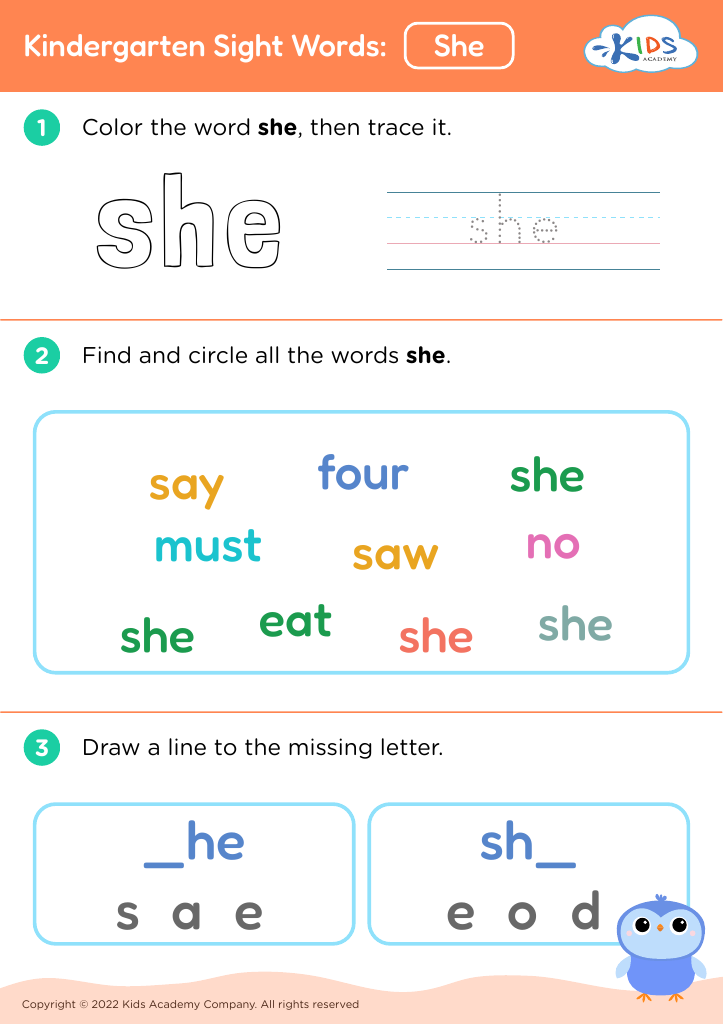








Understanding symmetry is crucial for young children's cognitive and educational development, particularly for those aged 3-6. During these formative years, children begin to make sense of the world around them, and symmetry plays a fundamental role in helping them recognize patterns and structures in their environment. Teaching concepts of symmetry improves spatial awareness, an essential skill for developing mathematical understanding.
Parents and teachers should prioritize symmetry reading as it fosters critical thinking skills. Engaging with symmetrical shapes, objects, and patterns encourages children to observe, classify, and predict, forming a foundation for未来 learning in math and science. Moreover, symmetry incorporates language development when discussing and describing shapes and patterns, enhancing vocabulary and comprehension.
Additionally, activities involving symmetry has a playful, artistic element, making learning enjoyable. This engagement can spark creativity and bolster fine motor skills through activities like drawing, folding, and crafting symmetrical art. Ultimately, prioritizing symmetry in early education equips children with essential skills that support their academic journey while instilling a sense of curiosity and exploration about the world. By nurturing these foundational concepts, parents and teachers play a pivotal role in shaping children's future learning experiences.








