Understanding context Reading Comprehension Worksheets for Ages 3-6
5 filtered results
-
From - To
Discover the perfect tool to spark your child’s reading journey with our "Understanding Context Reading Comprehension Worksheets" for ages 3-6. Designed to enhance early literacy skills, these worksheets help young learners grasp the meaning of words and phrases using context clues. Each engaging activity fosters a deeper understanding of the text, enriching vocabulary, and promoting critical thinking. Interactive and age-appropriate, our worksheets turn reading lessons into fun and educational adventures. Equip your preschooler or kindergartener with essential reading skills and watch their confidence grow as they become proficient, enthusiastic readers. Download now and start learning today!
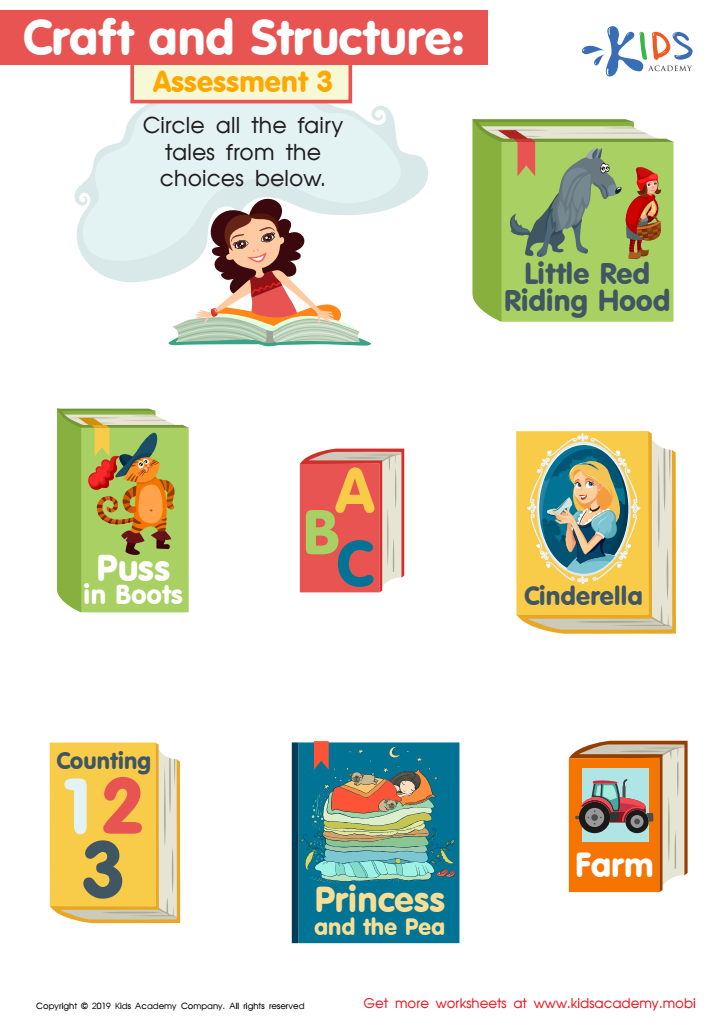
Craft and Structure: Assessment 3 Worksheet
 Assign to My Students
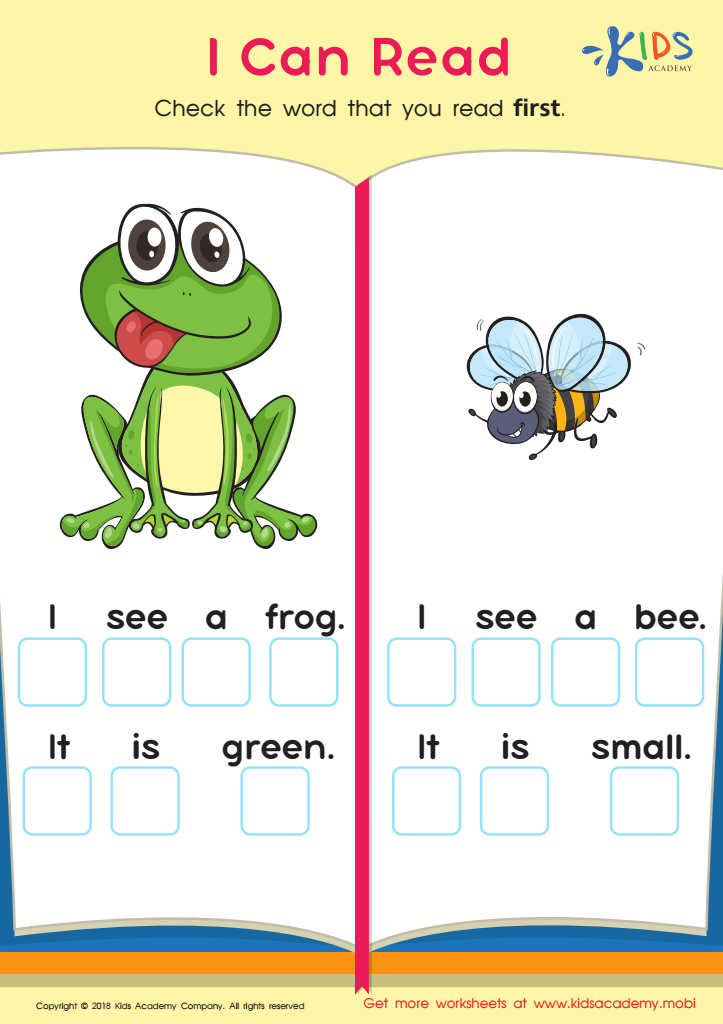
I Can Read Worksheet
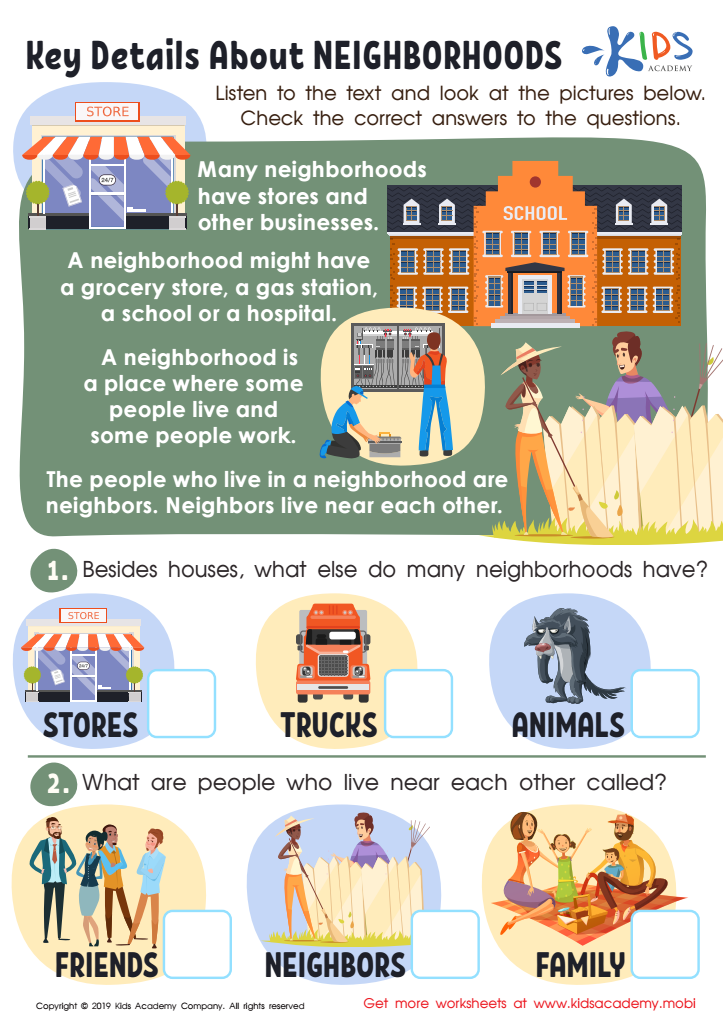
Key Details Neighborhoods Worksheet
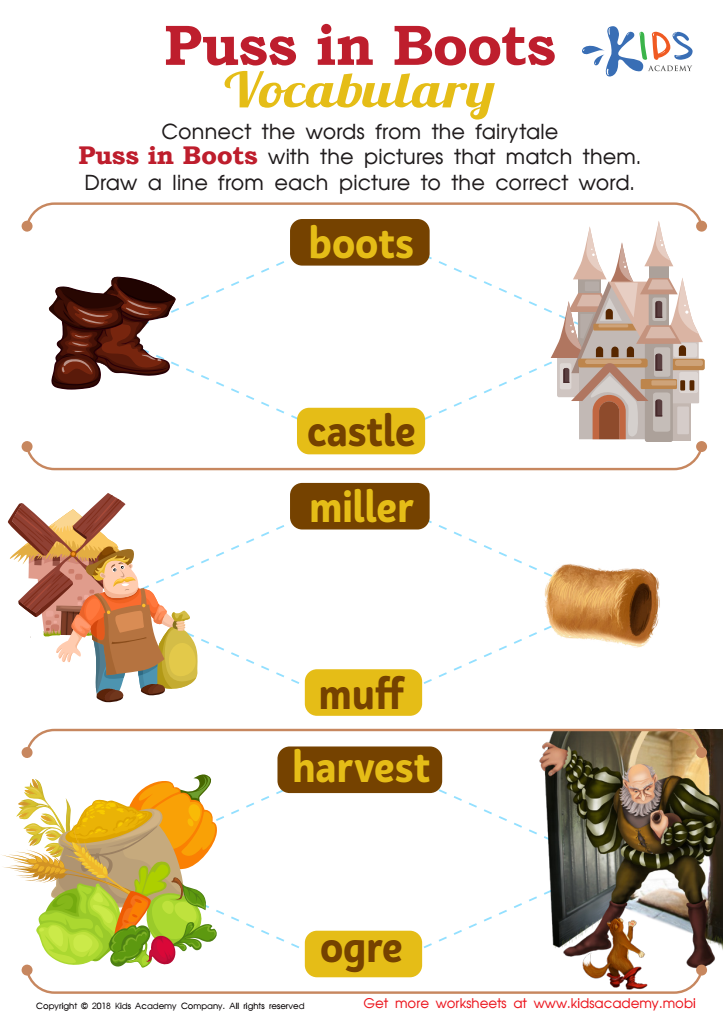
Puss in Boots Vocabulary Worksheet
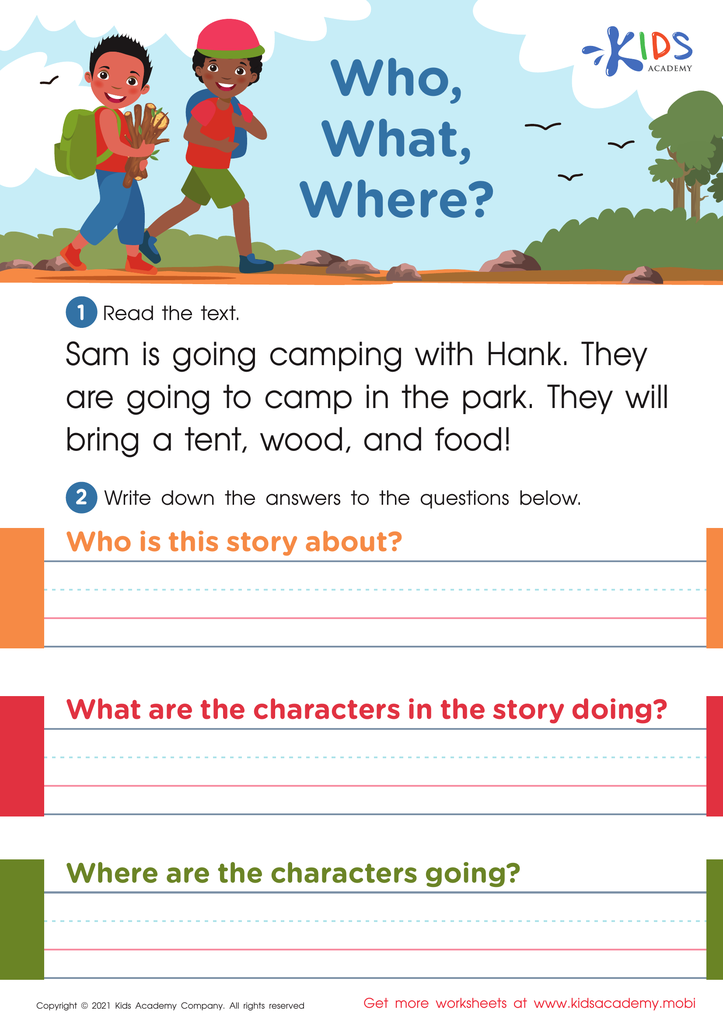
Who, What, Where? Worksheet





.jpg)


Understanding context in reading comprehension is crucial for children aged 3-6 as it lays the foundation for their future language and cognitive development. At this age, children's brains are highly receptive, and they are rapidly acquiring vocabulary and language skills. When parents and teachers focus on teaching children to understand context, they help the youngsters gain a deeper grasp of the words and stories they encounter. This is not just about understanding isolated words but also about recognizing how these words fit into a broader narrative or situation—skills that are essential for effective communication and literacy.
Children who learn to comprehend context find it easier to make sense of new vocabulary, infer meaning, and relate what they read to their own experiences. This enhances their overall learning, boosts their confidence, and prepares them for more complex texts in later years. Additionally, context comprehension in reading encourages critical thinking, allowing children to analyze and draw connections, which are valuable skills across all subjects.
When parents and teachers focus on contextual reading comprehension for young children, they also foster a love of reading by providing meaningful and engaging experiences. This early positive association with reading can lead to lifelong habits of continuous learning and curiosity, which are vital in an ever-changing world. In summary, understanding the context enriches children's language abilities, critical thinking, and love for learning, making it an essential focus in early education.








