Color recognition Reading Fiction Worksheets for Ages 3-6
6 filtered results
-
From - To
Welcome to our Color Recognition Reading Fiction Worksheets, designed specifically for children aged 3-6! These engaging worksheets combine the joy of storytelling with essential color recognition skills. Our carefully crafted activities help young learners identify and understand colors through fun fictional narratives and vibrant illustrations. Each worksheet promotes early literacy while fostering creativity and imagination. Perfect for home or classroom use, these resources support foundational learning in a playful way. Enhance your child’s reading experience while boosting their color recognition abilities today! Explore our collection and watch your little ones learn and grow with confidence!
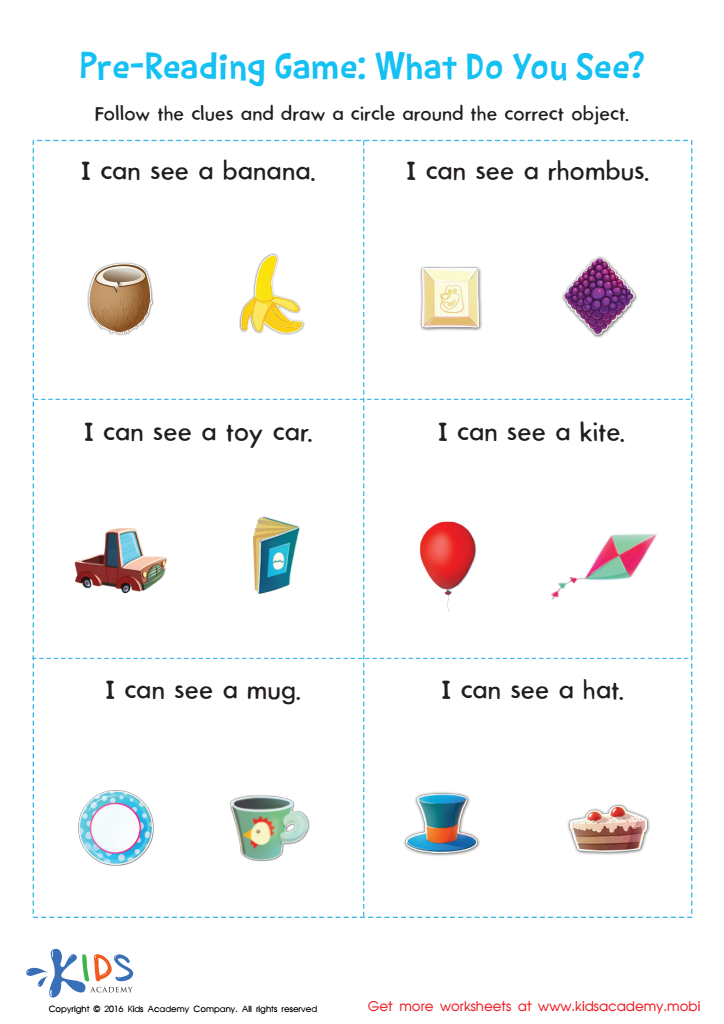
Pre–reading Worksheet: What Do You See?
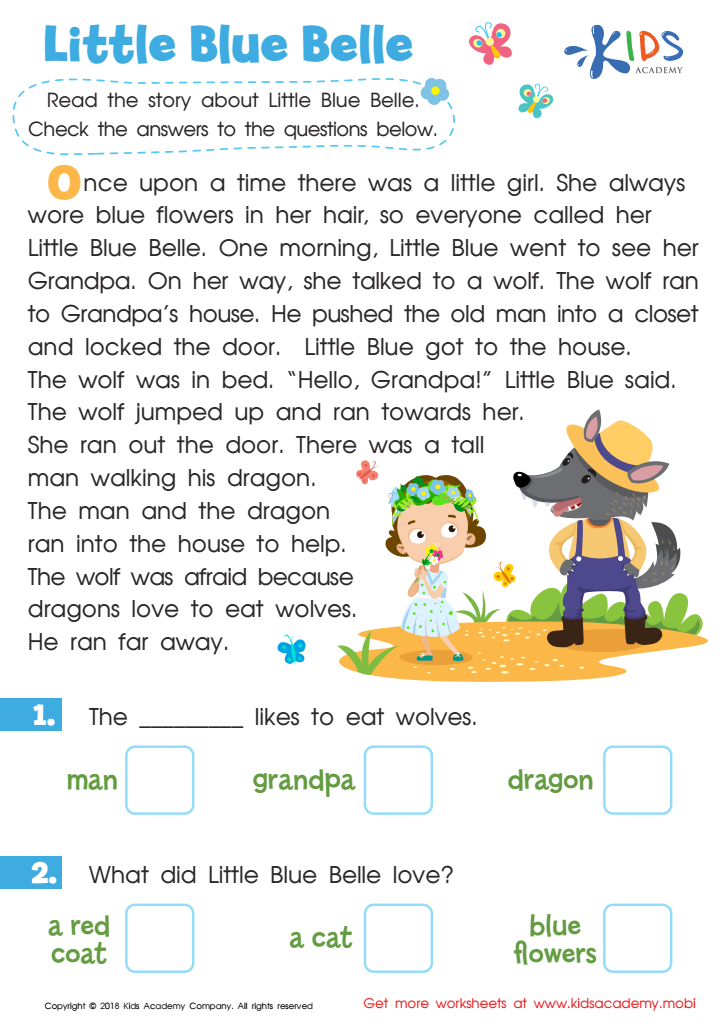
Little Blue Belle Worksheet
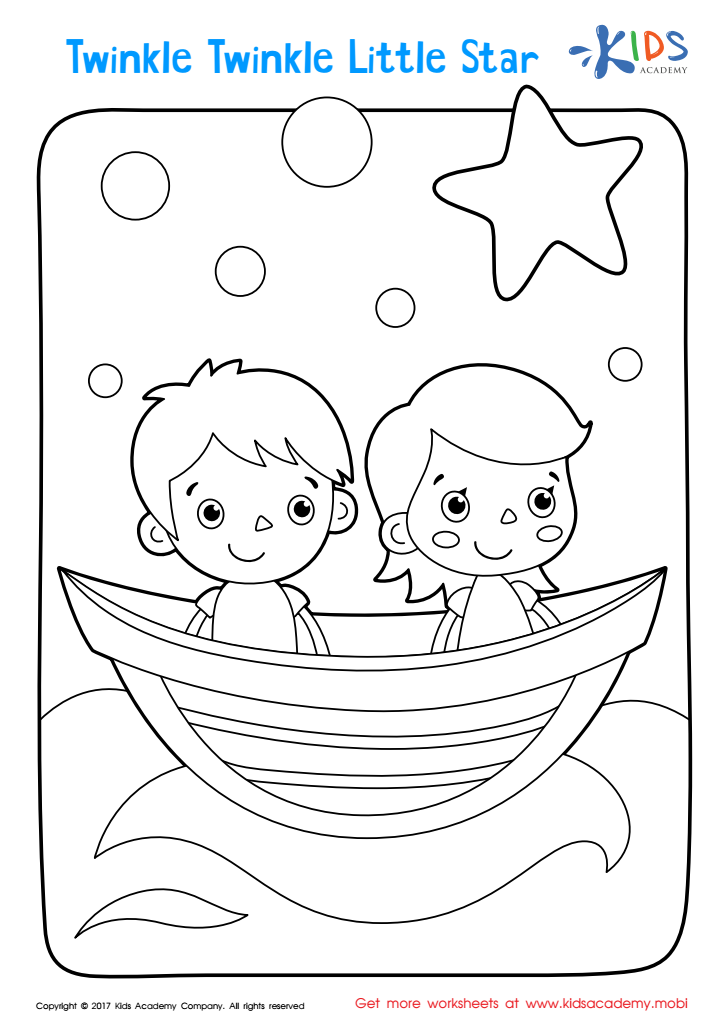
Twinkle Twinkle Little Star Coloring Page
 Assign to My Students
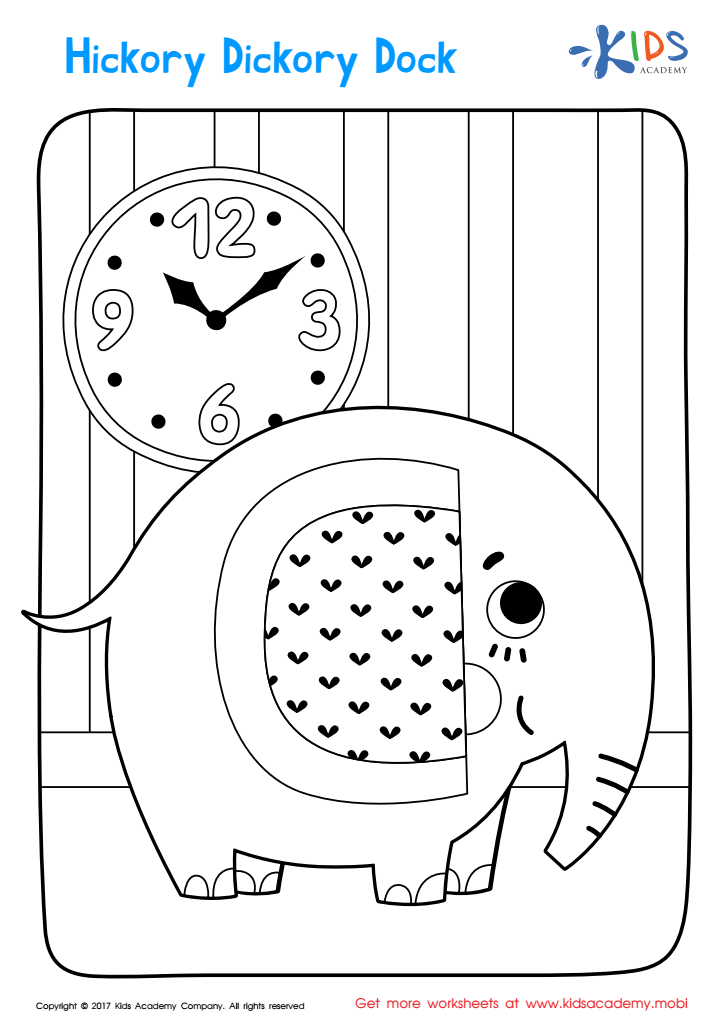
Hickory Dickory Dock Coloring Page
Assign to My Students
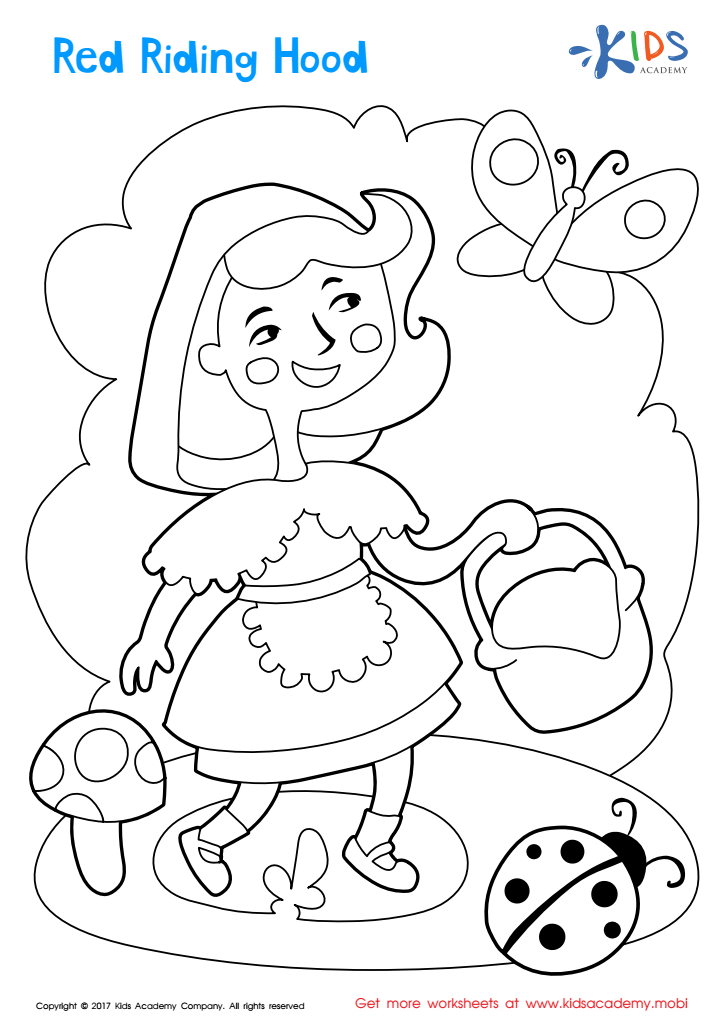
Red Riding Hood Coloring Page
Assign to My Students
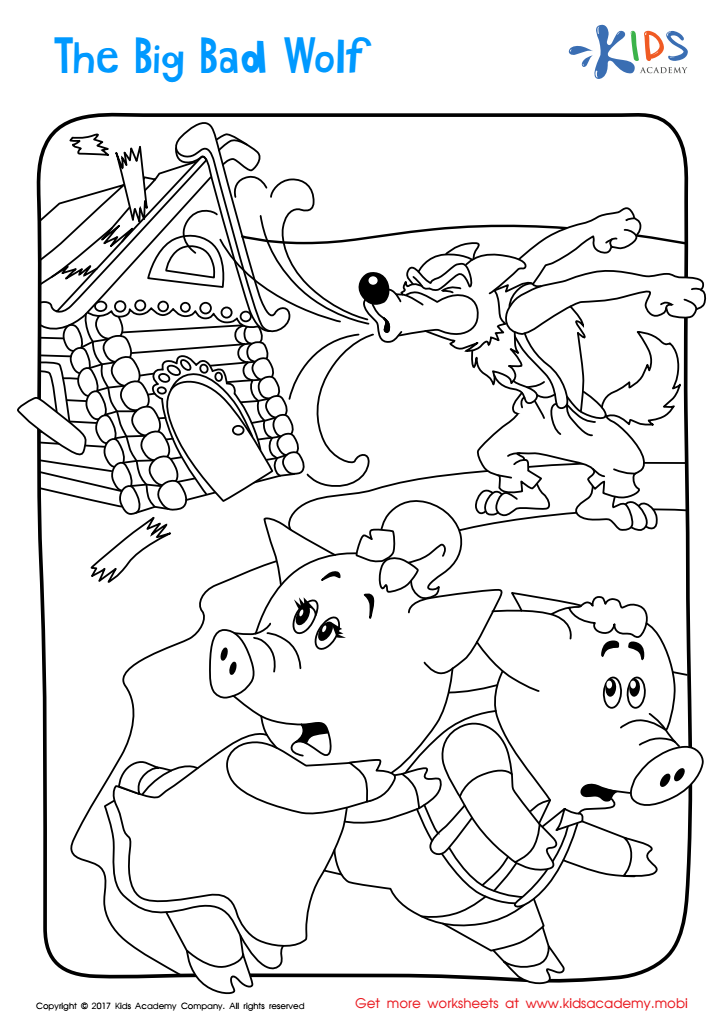
Big Bad Wolf Printable Coloring Page
Assign to My Students







Color recognition is a fundamental early skill that enhances cognitive development, particularly in children aged 3 to 6. Understanding colors lays the groundwork for crucial learning milestones, including reading and language acquisition. By recognizing colors, children begin to connect words with meanings, fostering their vocabulary and enhancing communication skills.
Incorporating color recognition in the context of reading fiction adds another layer of engagement. Stories filled with vibrant illustrations capture children’s attention, making reading more interactive and enjoyable. As parents and teachers emphasize color recognition in reading, they create opportunities for discussions about the narrative, images, and emotions associated with colors. This practice cultivates critical thinking, comprehension, and storytelling abilities.
Moreover, recognizing colors through fiction promotes artistic expression, as children may relate storytelling to their understanding of color in the world around them. Educators and parents should integrate colorful books into daily routines, utilizing them as tools for both learning and bonding. Engaging with color-rich stories supports a child's literacy and allows parents and teachers to introduce more complex concepts in the future, ensuring a comprehensive foundation for lifelong learning. Therefore, recognizing colors through reading fiction is key to fostering curiosity and a love for learning in young children.








