Contextual understanding Reading Fiction Worksheets for Ages 3-6
3 filtered results
-
From - To
Enhance your child’s reading experience with our Contextual Understanding Reading Fiction Worksheets, specially designed for ages 3-6. These engaging worksheets help young learners develop critical comprehension skills by analyzing story context, character motivations, and plot details. Each worksheet is crafted to stimulate imagination while encouraging children to make connections between the text and their own experiences. Ideal for classrooms or home learning, our resources promote interactive learning through fun activities and vivid illustrations. Foster a love for reading and build foundational skills that will serve your child well in their academic journey. Explore our collection today to inspire young readers!
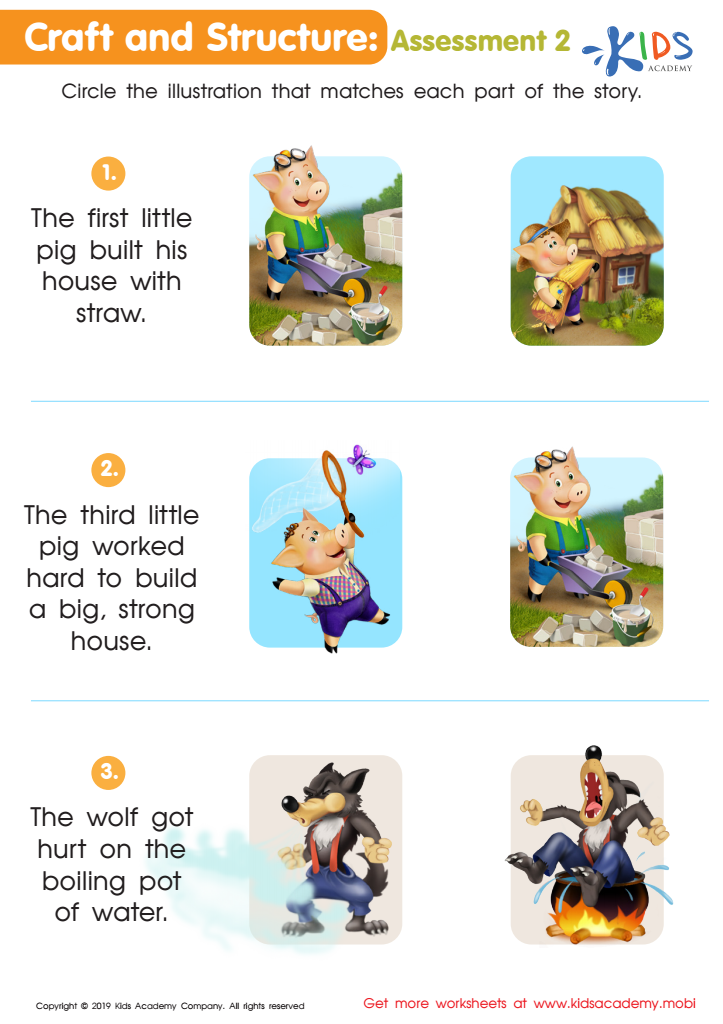
Craft and Structure: Assessment 2 Worksheet 2
 Assign to My Students
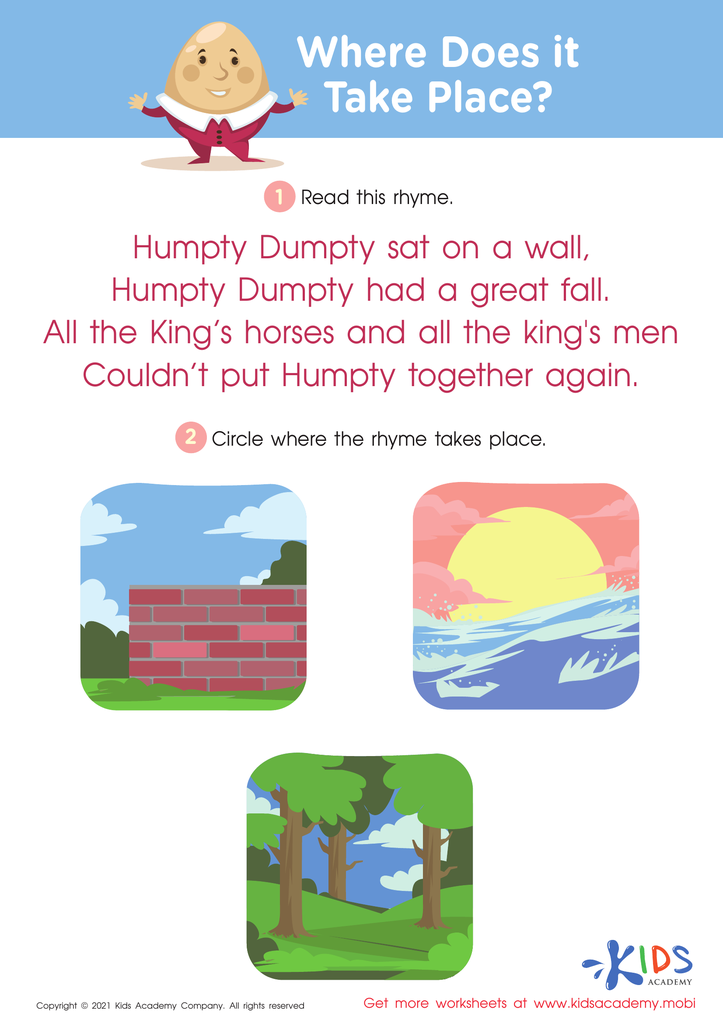
Where Does It Take Place? Worksheet
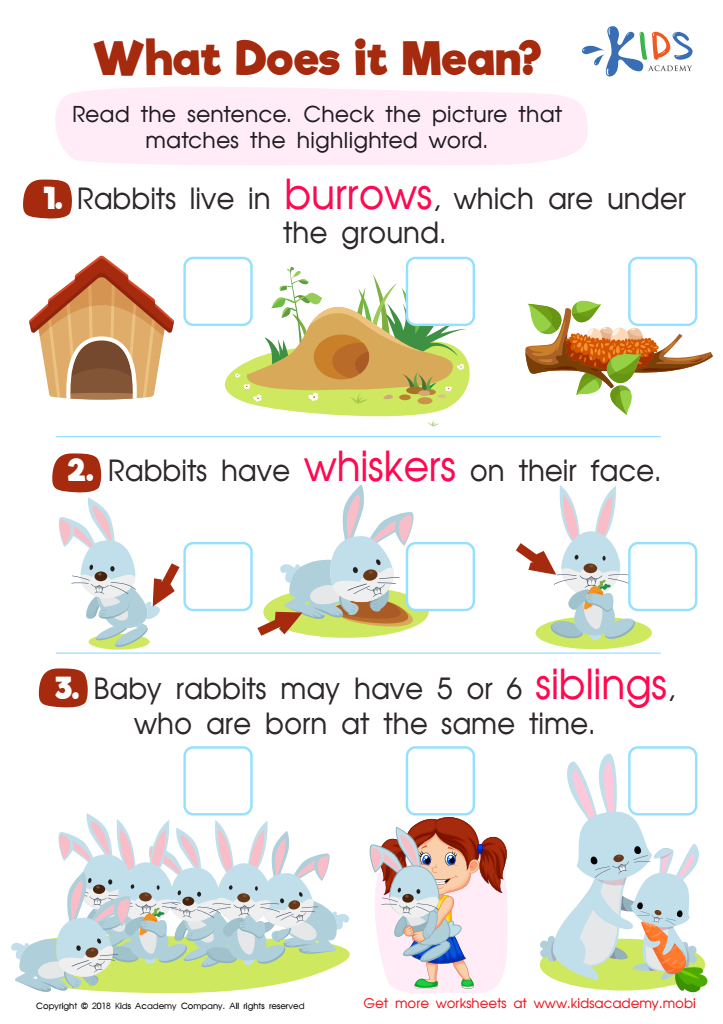
What Does It Mean? Worksheet


.jpg)




Contextual understanding in reading fiction is crucial for children aged 3-6 as it dramatically enhances their language development, comprehension skills, and empathy. At this formative age, children are absorbing language and developing their understanding of the world around them. When parents and teachers prioritize contextual understanding, they help children connect story elements with real-life experiences, fostering deeper comprehension.
Fiction often introduces complex themes, emotions, and social situations that children are not directly exposed to in their everyday lives. By helping young learners relate to narratives in meaningful ways, adults promote critical thinking and discussion, aiding in their ability to analyze and interpret different scenarios and characters’ motivations. This comprehension transcends mere story retelling; it encourages children to infer and predict outcomes based on context clues—skills essential for academic success.
Additionally, engaging with fiction in context allows children to cultivate empathy by considering characters' feelings and perspectives. This emotional intelligence is invaluable for nurturing friendships and social interactions. In essence, when parents and teachers support contextual understanding in reading, they are equipping children with essential cognitive and emotional skills that will not only enhance their literacy journey but will also lay the foundation for becoming thoughtful, understanding individuals in their communities.








