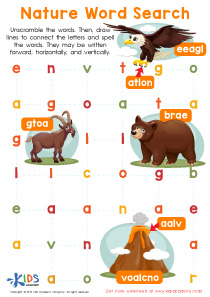
Enhance vocabulary skills Sight Words Worksheets for Ages 3-6
3 filtered results
-
From - To
Enhance vocabulary skills with our engaging Sight Words Worksheets designed for children ages 3-6! These worksheets help young learners recognize and master essential sight words, building a strong foundation for reading success. Each activity is thoughtfully crafted to facilitate learning through fun exercises that boost vocabulary retention and comprehension. With colorful illustrations and easy-to-follow instructions, children will enjoy hours of educational entertainment. Our resources support early literacy by transforming sight word practice into an exciting adventure! Equip your child with the skills they need for a brighter academic future with our expertly designed worksheets. Get started today!
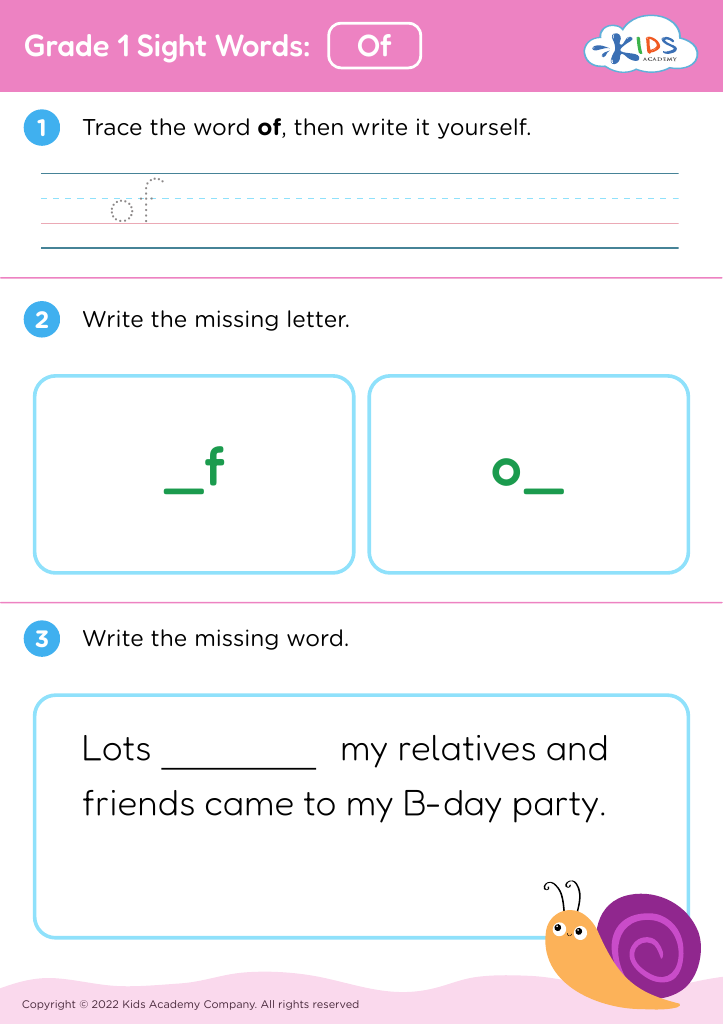







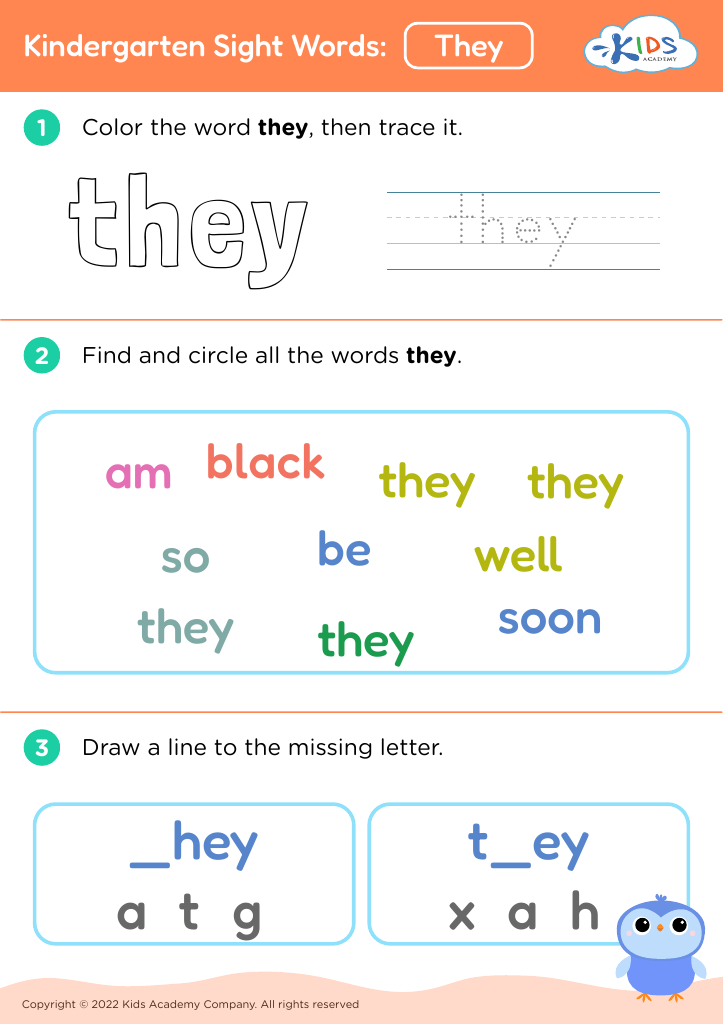
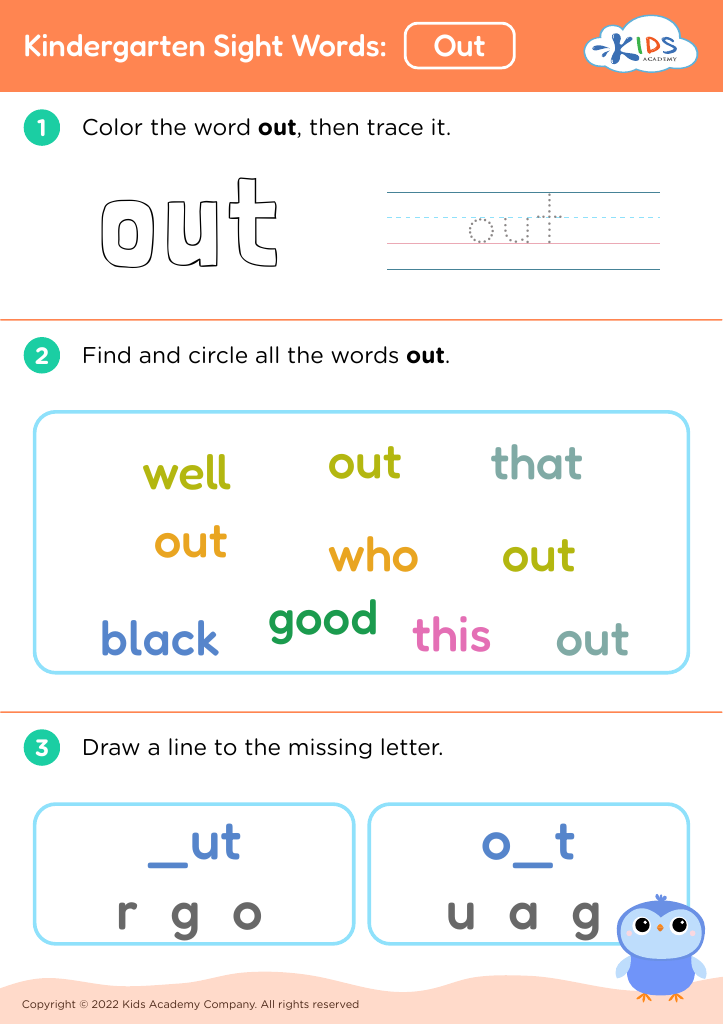








Enhancing vocabulary skills and sight words for children aged 3-6 is crucial for their early reading development and overall communication. During these formative years, children are laying the foundation for language skills that they will build upon throughout their lives.
Sight words, which are frequently used words that children are encouraged to recognize without needing to sound them out, are vital for promoting reading fluency and comprehension. By mastering sight words, young learners can quickly recognize familiar words in texts, allowing them to focus on understanding the meaning rather than decoding sounds. This boosts their confidence and enjoyment in reading.
A rich vocabulary plays a significant role in a child’s ability to express themselves, leading to better interactions with peers and adults. When parents and teachers prioritize vocabulary development, they facilitate cognitive growth and foster critical thinking skills, encouraging curiosity and a love of learning.
Moreover, children with strong vocabulary and sight word skills often perform better academically as they transition to higher grades. Parents and teachers can support this development through engaging activities, read-aloud sessions, and interactive games, ensuring that children are well-equipped for future educational success. Ultimately, nurturing these skills sets the stage for lifelong literacy and communication proficiency.