Improve counting skills Sight Words Worksheets for Ages 3-6
3 filtered results
-
From - To
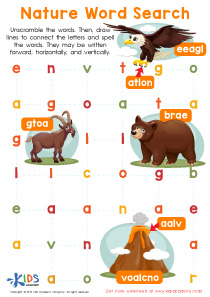
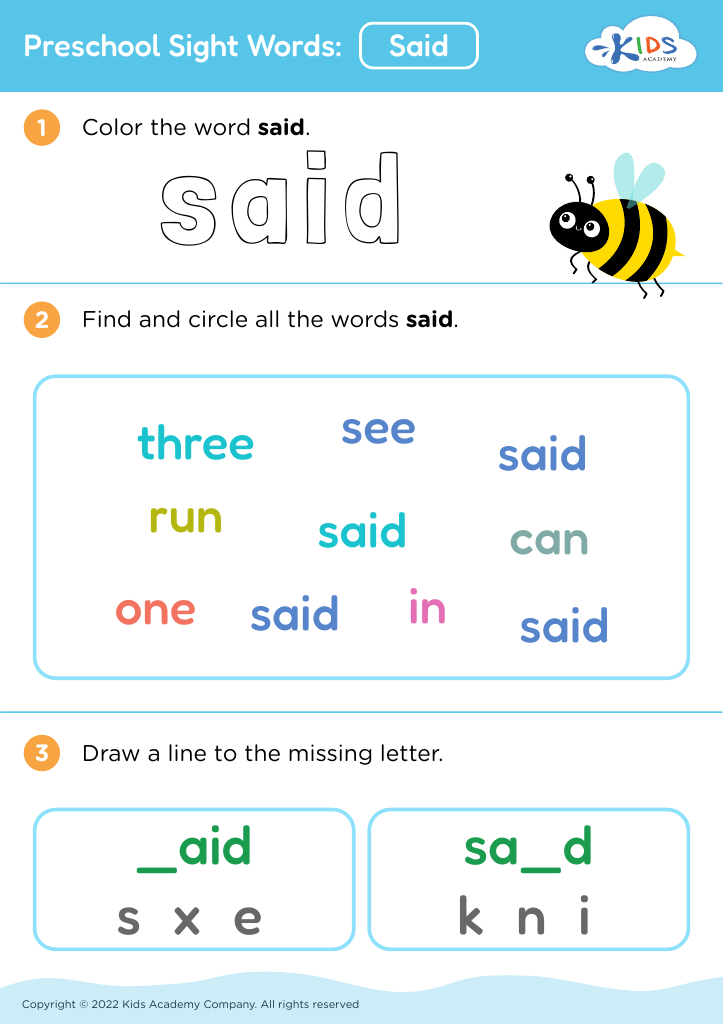
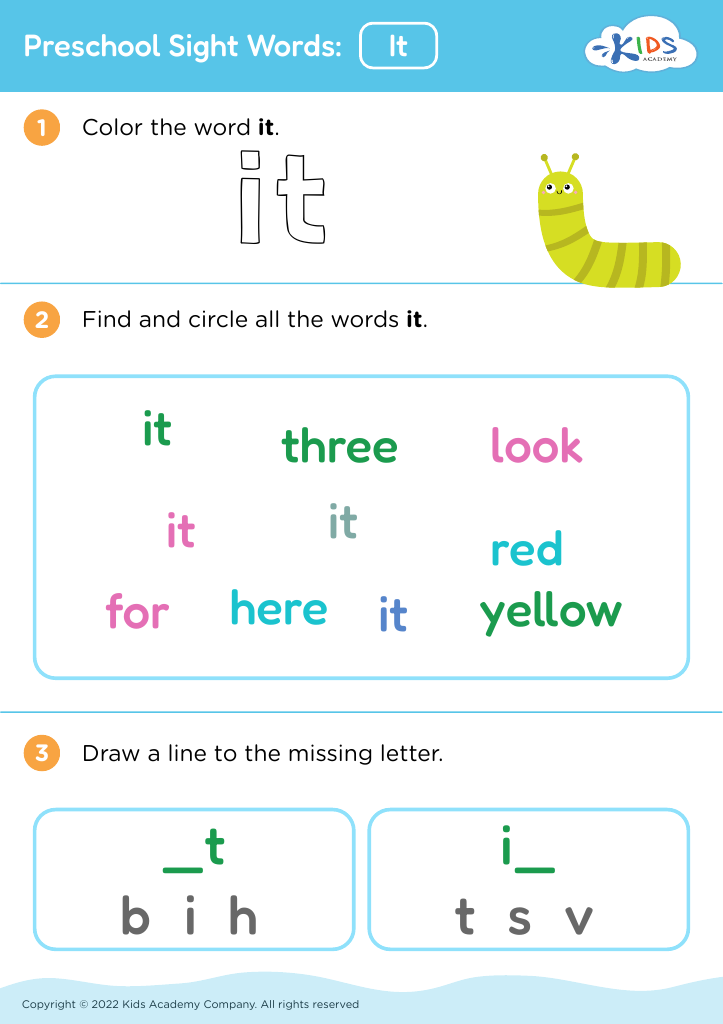
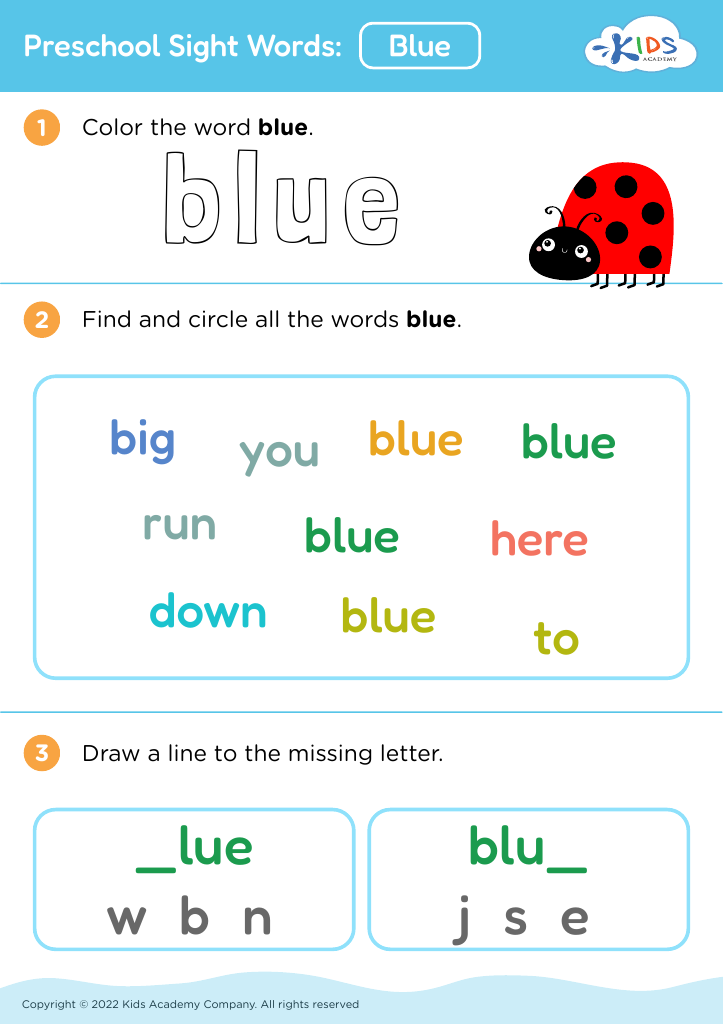
Enhance your child's early numeracy and literacy with our “Improve Counting Skills Sight Words Worksheets” designed for ages 3-6. These vibrant, engaging worksheets blend counting practice with sight word recognition to foster both mathematical and reading development. Each activity is crafted to captivate young learners while reinforcing crucial skills. Ideal for preschool and kindergarten students, our worksheets offer a fun, interactive approach to learning numbers and words, boosting confidence and academic readiness. Perfect for parents and teachers, these printables provide a solid foundation for future success in the classroom. Download now and start the learning adventure!











.jpg)



Parents and teachers should emphasize improving counting skills and sight word recognition for children aged 3-6, as these abilities form foundational building blocks for future academic success. Counting skills are essential for grasping basic math concepts, which underpin more complex mathematical reasoning and problem-solving abilities. Early competence in counting can boost a child's self-confidence and enthusiasm for learning mathematical concepts as they progress in school.
Simultaneously, sight word recognition is crucial for developing reading fluency. Sight words are commonly used words that children need to recognize instantly to improve reading speed and comprehension. As sight words often do not follow standard phonetic rules, memorizing them helps children read more efficiently, allowing them to focus on understanding the content rather than decoding each word. Early reading proficiency fosters a love for reading, enhances vocabulary, and boosts overall language skills.
Together, strong counting skills and sight word recognition equip children with critical early literacy and numeracy skills, setting a solid foundation for lifelong learning. By paying attention to these areas, parents and teachers can better support children's cognitive development, ensuring they are well-prepared for the academic challenges ahead.