Numerical problem solving Sight Words Worksheets for Ages 3-6
3 filtered results
-
From - To
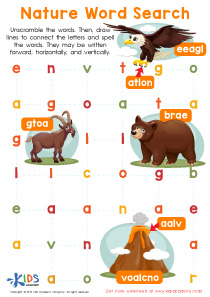
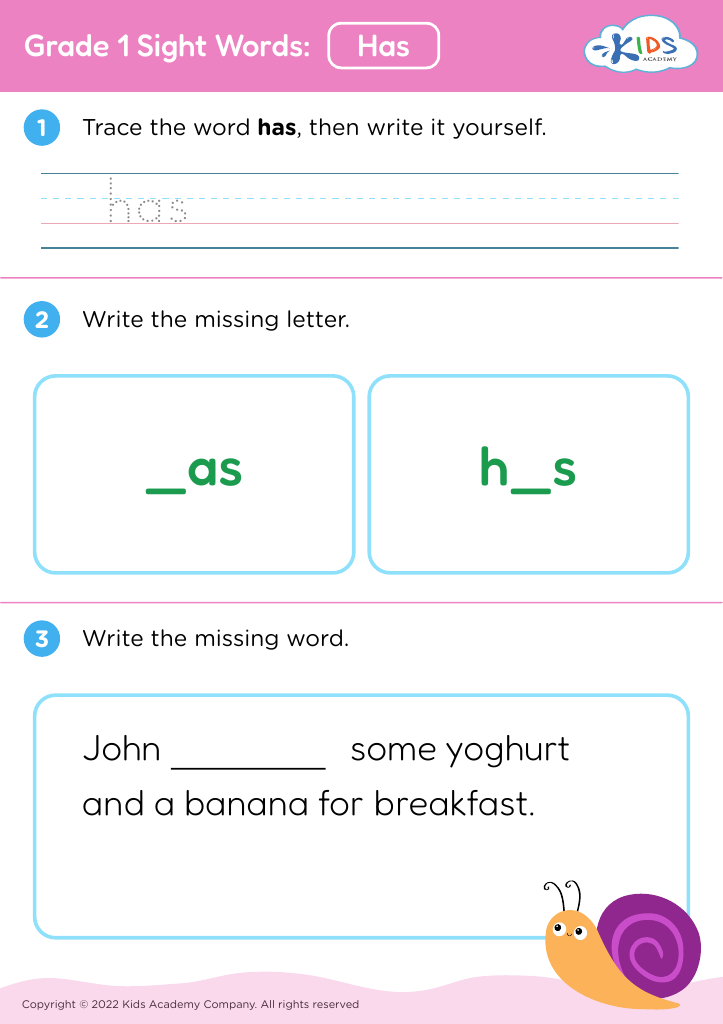
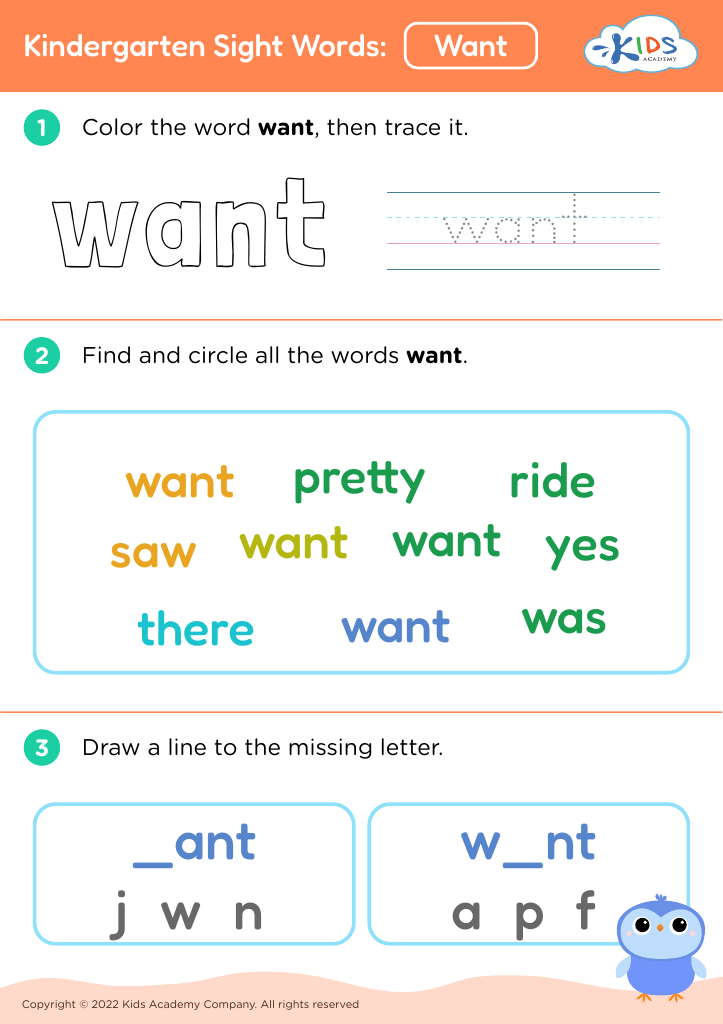
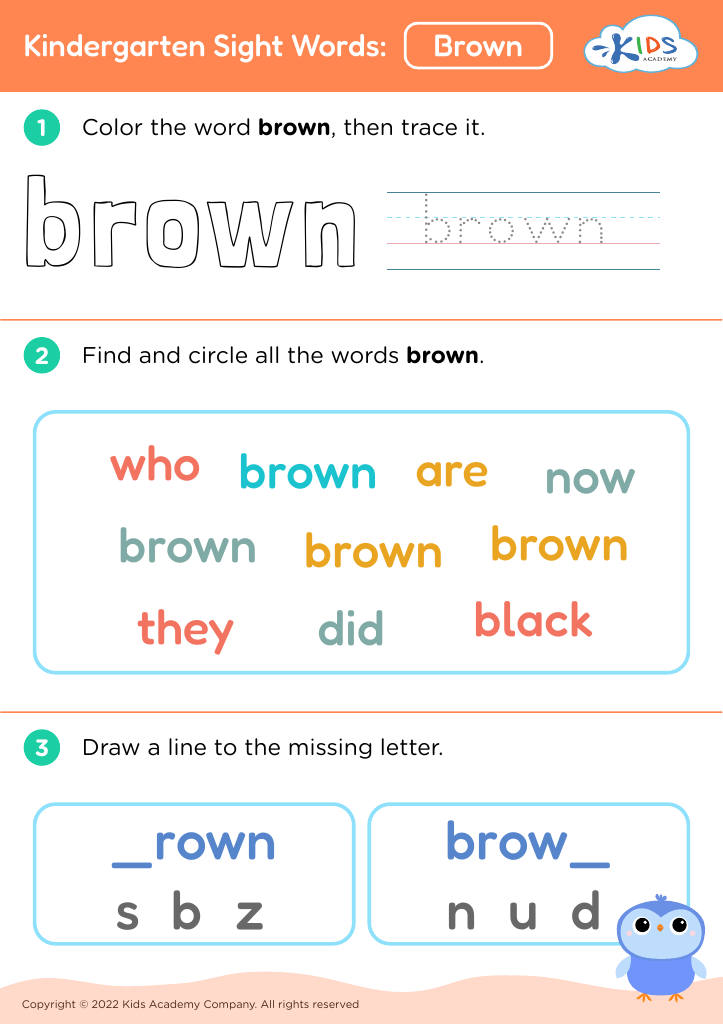
Introduce your young learners to the exciting world of numerical problem-solving with our Sight Words Worksheets for ages 3-6. These engaging, teacher-designed activities help children master essential sight words while tackling basic math problems. By combining reading and arithmetic skills, these worksheets foster cognitive development and word recognition. Vibrant illustrations and fun tasks make learning enjoyable, ensuring your child remains motivated and confident as they progress. Ideal for parents and educators, our worksheets provide a comprehensive, interactive approach to early childhood education. Explore our resources today and set the foundation for your child's future academic success!














Parents and teachers should care about numerical problem-solving and sight words for children ages 3-6 because these foundational skills are crucial for academic success and cognitive development. At this age, children's brains are rapidly developing, making it an optimal time to introduce and reinforce these concepts.
Numerical problem-solving promotes logical thinking, pattern recognition, and basic arithmetic skills. By introducing these concepts early, children can build a strong mathematical foundation that will support more advanced learning in subjects like science, technology, engineering, and math (STEM). Problem-solving activities also enhance critical thinking and persistence, skills valuable for life-long learning and everyday decision-making.
On the other hand, sight words are high-frequency words that appear often in texts but may not follow standard phonetic rules, making them difficult to sound out. Learning sight words is essential for developing reading fluency and comprehension. When children can recognize these words instantly, it boosts their confidence and allows them to read more smoothly, facilitating a better understanding of the text. A strong vocabulary foundation also enables effective communication, critical in social interactions and academic settings.
By supporting children in mastering numerical problem-solving and sight words from a young age, parents and teachers set the stage for successful lifelong learning, equipping them with essential skills to navigate various aspects of their education and daily lives.