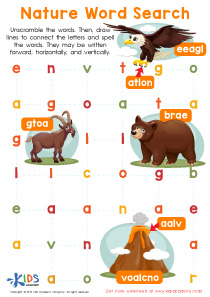
Recognizing numbers Sight Words Worksheets for Ages 3-6
3 filtered results
-
From - To
Discover our engaging "Recognizing Numbers Sight Words Worksheets" tailored for children ages 3-6. These worksheets are designed to make learning fun and interactive, helping young learners identify and recognize numbers as they also familiarize themselves with essential sight words. Our vibrant and creative designs capture children's attention, enhancing their understanding through engaging activities. Perfect for parents, teachers, or caregivers, these resources aid in developing foundational literacy and numeracy skills. Empower your child’s educational journey with our comprehensive worksheets that blend number recognition and sight word practice, fostering confidence and a love for learning from an early age!
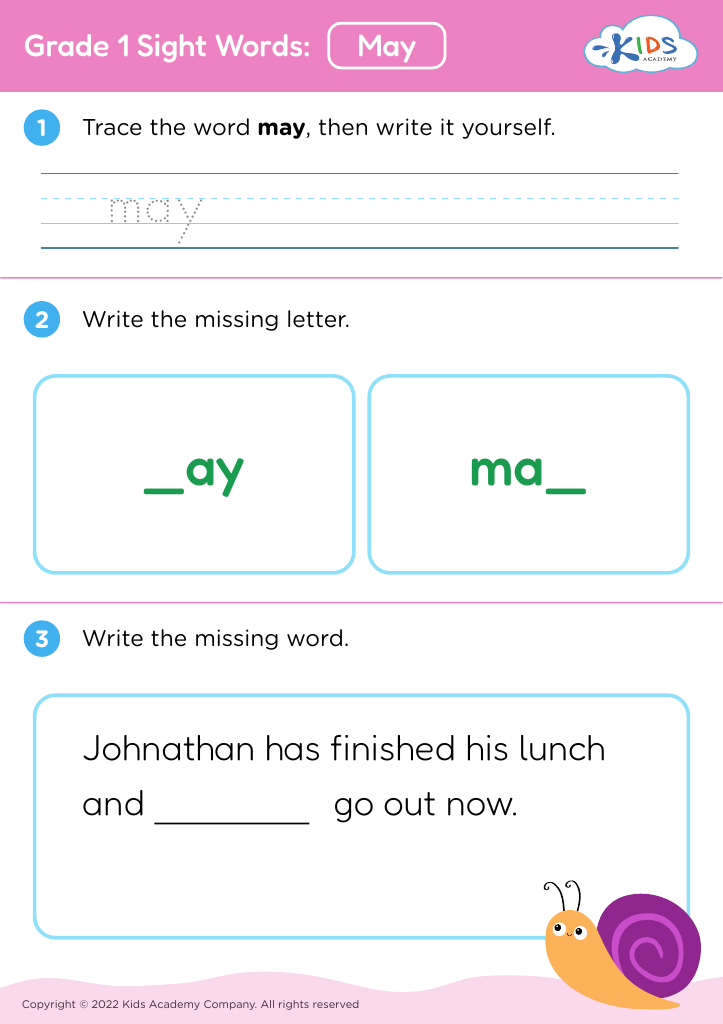







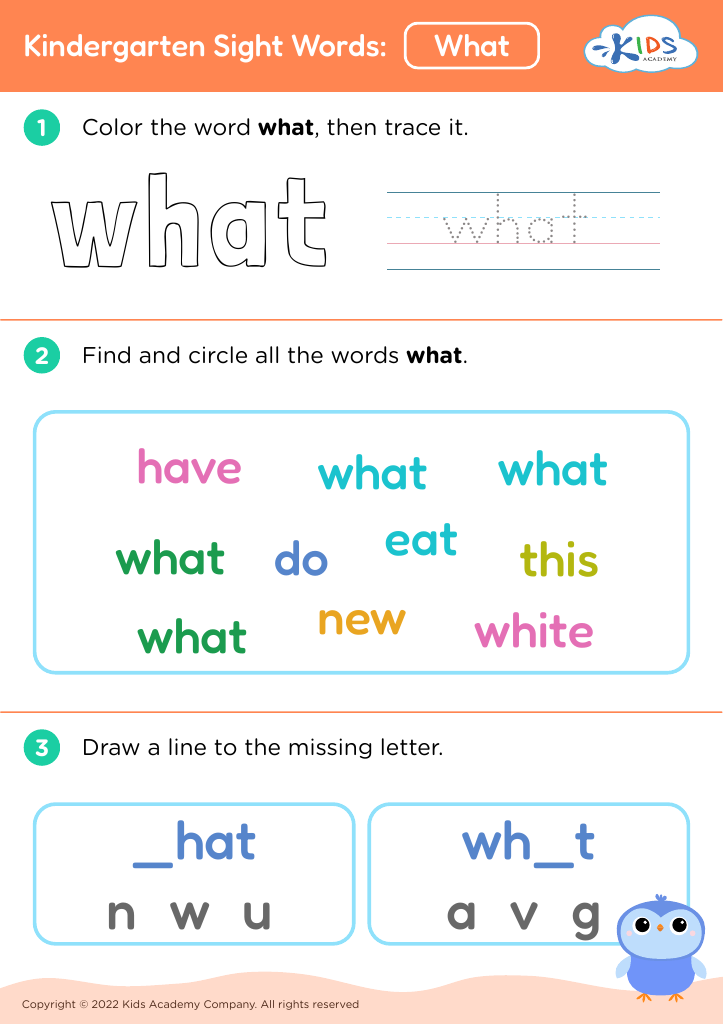
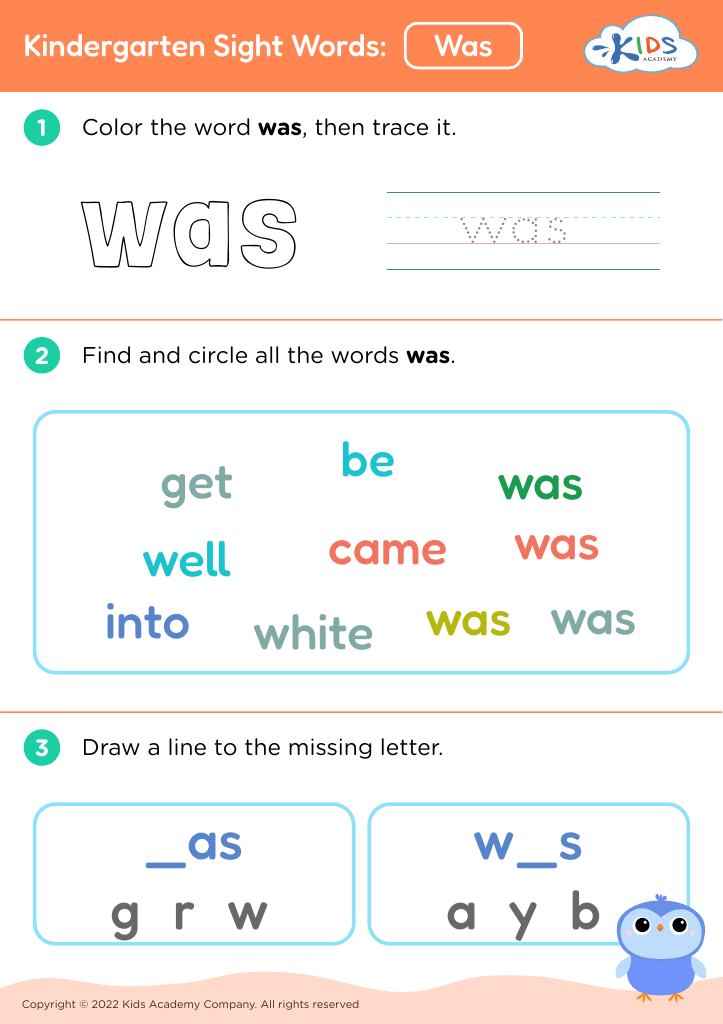








Recognizing number sight words, which involve familiarizing children with the visual representation of numbers, is crucial for early childhood development. For ages 3-6, this skill serves as a foundational element in mathematical understanding and problem-solving. When children learn to recognize number sight words, they can quickly identify quantities, compare amounts, and start developing basic arithmetic skills.
From a literacy perspective, sight word recognition similarly fosters reading proficiency. Just as with common words, familiarizing young learners with number words facilitates smoother reading experiences, allowing them to decode mathematical problems easily. This heightened recognition also boosts confidence in both their reading and mathematical abilities.
Moreover, engaging children in recognizing number sight words fosters cognitive skills like memory and pattern recognition. Parents and teachers can create positive learning environments by incorporating playful activities that involve numbers and literacy, ensuring that children perceive learning as fun.
In summary, recognizing number sight words is vital in developing numeracy and literacy skills, boosting children’s confidence, and laying a strong groundwork for future academic success. By focusing on this essential aspect of early education, parents and teachers play a pivotal role in nurturing well-rounded learners.