Critical Thinking World Around Us Worksheets for Ages 3-6
6 filtered results
-
From - To
Discover our "Critical Thinking World Around Us Worksheets" specially designed for children ages 3-6! These engaging worksheets aim to promote critical thinking skills through fun and interactive activities that explore the world around young learners. Each worksheet encourages observation, problem-solving, and analytical thinking as children engage with themes related to nature, community, and their everyday environment. Perfect for home or classroom settings, our resources help nurture curiosity and inspire a love for learning. Empower your little ones to think critically and develop essential cognitive skills while having fun! Explore our collection today to enhance your child's learning experience.
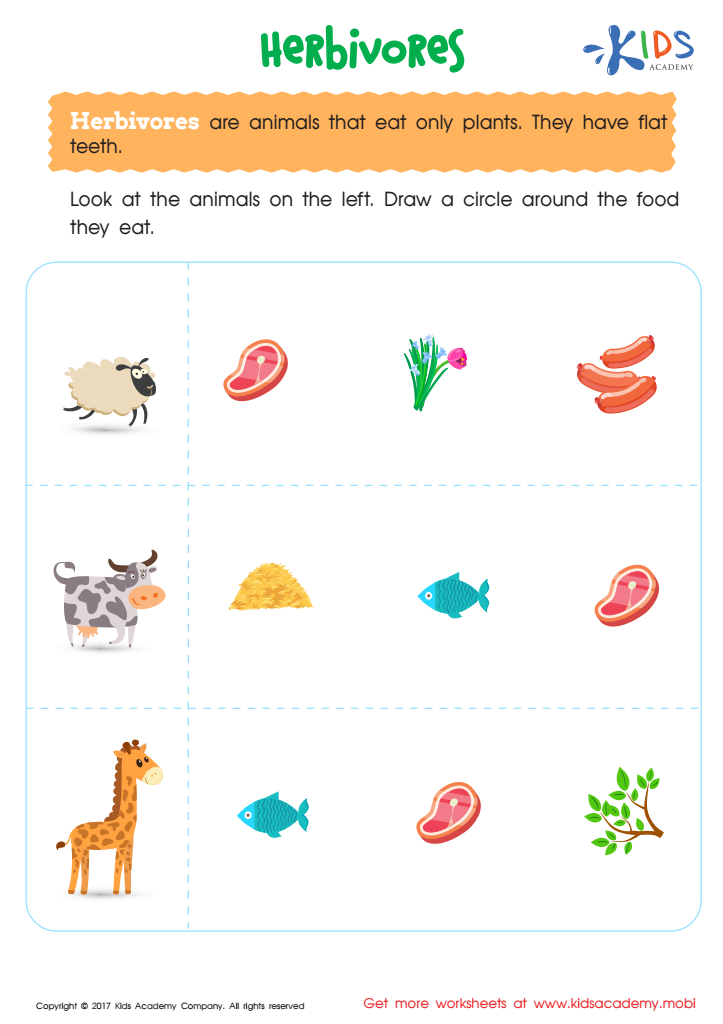
Herbivores Printable
 Assign to My Students
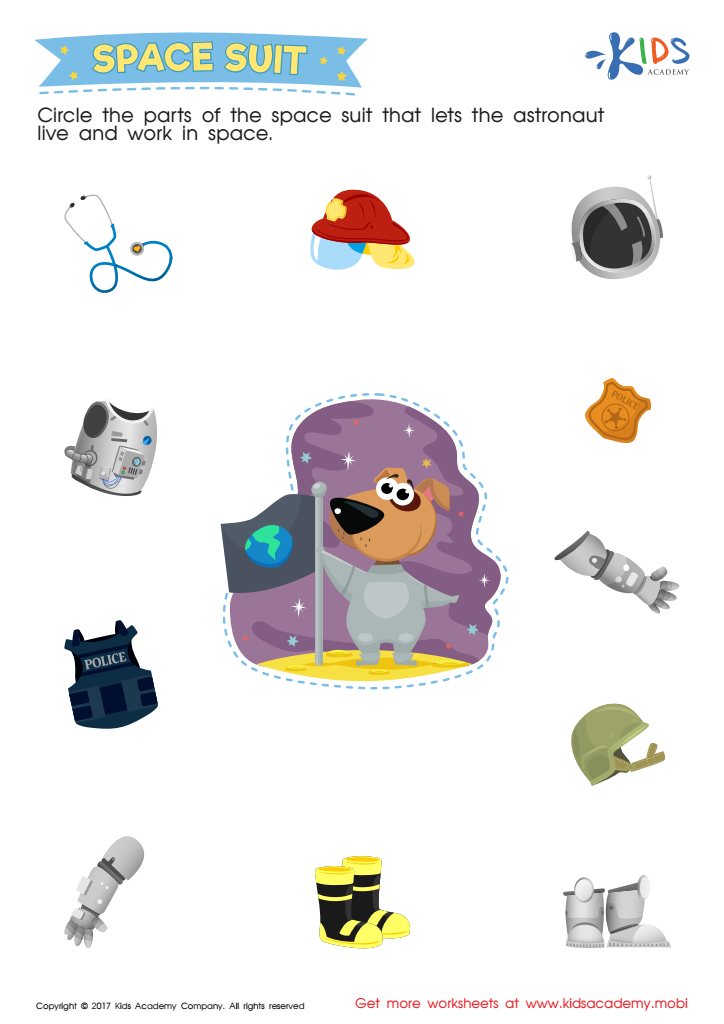
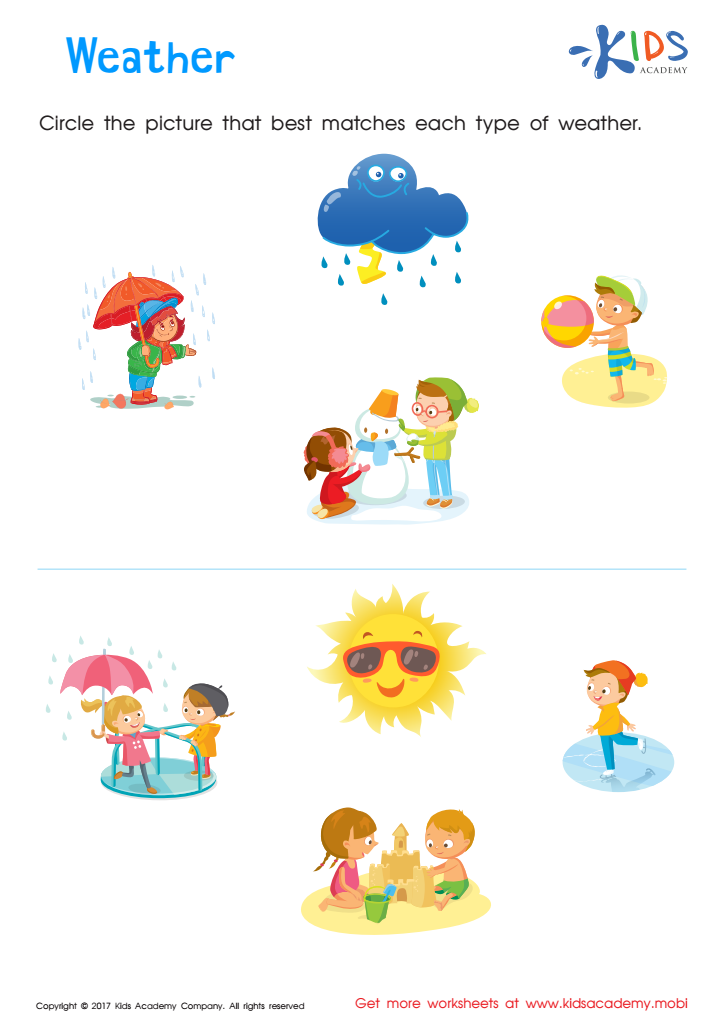
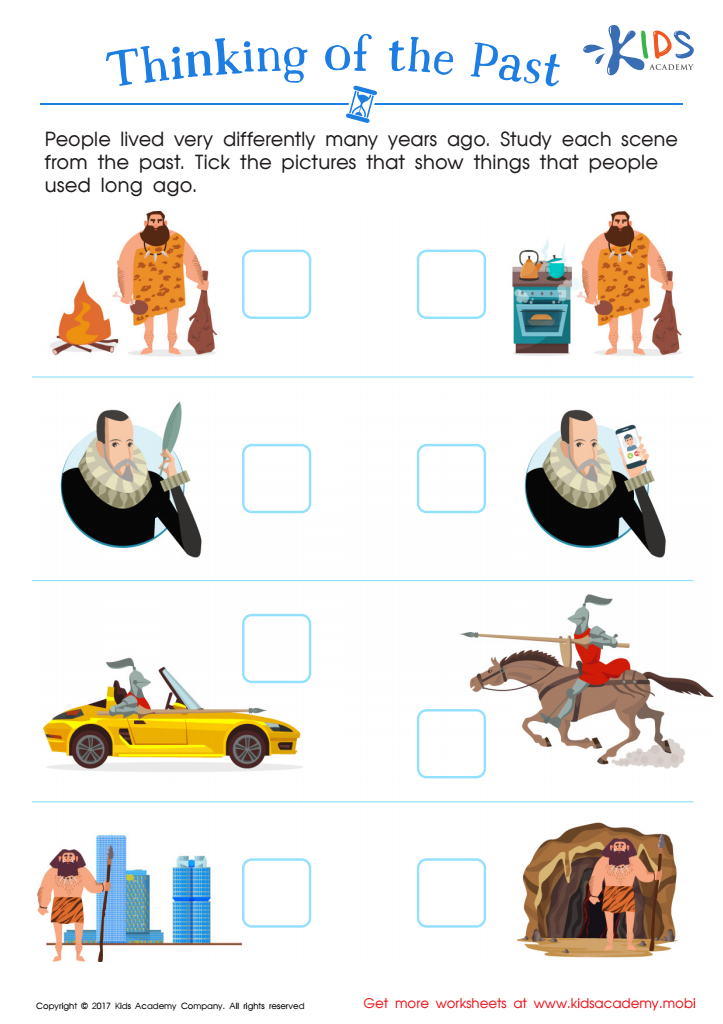
Thinking Past Printable
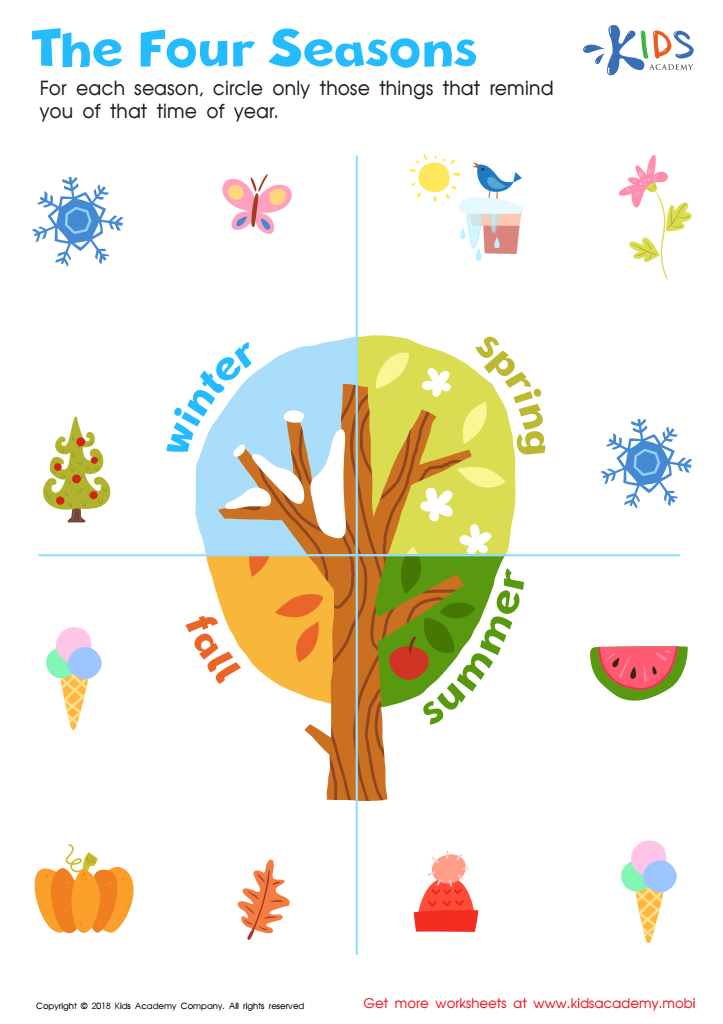
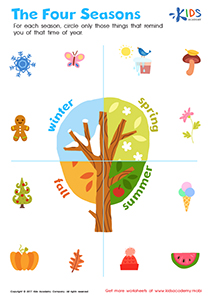
The Four Seasons Worksheet
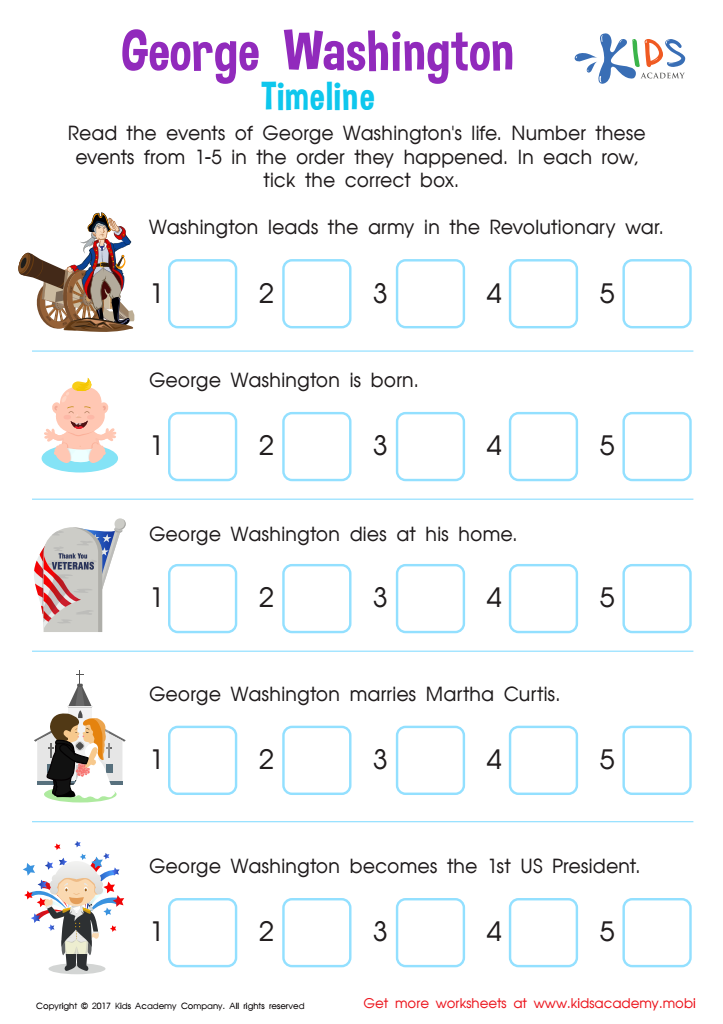
George Washington Timeline Worksheet








Critical Thinking World Around Us for Ages 3-6 is essential for nurturing young minds and fostering essential cognitive skills. At this developmental stage, children are naturally curious, and engaging them through critical thinking activities enhances their ability to observe, analyze, and reason. This program provides age-appropriate strategies that encourage children to explore their environment, ask questions, and think beyond the obvious.
Parents and teachers should care about this initiative because it lays the foundation for lifelong learning. Through critical thinking, children learn to approach problems systematically, which is vital for academic success and everyday decision-making. By helping children make connections between concepts, they develop a deeper understanding of the world around them.
Additionally, critical thinking promotes creativity and innovation, enabling children to express themselves and solve challenges independently. This approach fosters independence and resilience, essential traits in today’s rapidly changing world.
Furthermore, Critical Thinking World Around Us enhances social skills as children collaborate and communicate while engaging in shared activities. Ultimately, supporting critical thinking at this age is an investment in building confident, capable individuals who can engage thoughtfully with the complexities of life as they grow. Thus, parents and teachers play a crucial role in shaping inquisitive, empowered learners.