Vocabulary expansion Two Letter Phonics Worksheets for Ages 3-7
5 filtered results
-
From - To
Enhance your child's vocabulary and phonics skills with our engaging Two Letter Phonics Worksheets, specially designed for ages 3-7. These worksheets provide interactive activities that help young learners become familiar with two-letter combinations, improving their reading and pronunciation. Each activity focuses on expanding vocabulary through fun exercises like matching, filling in blanks, and coloring. Perfect for home or classroom use, these worksheets foster a love for language while building foundational skills. Support your child's educational journey and ensure they start their reading adventure with confidence and excitement. Explore our comprehensive collection today and watch their vocabulary thrive!
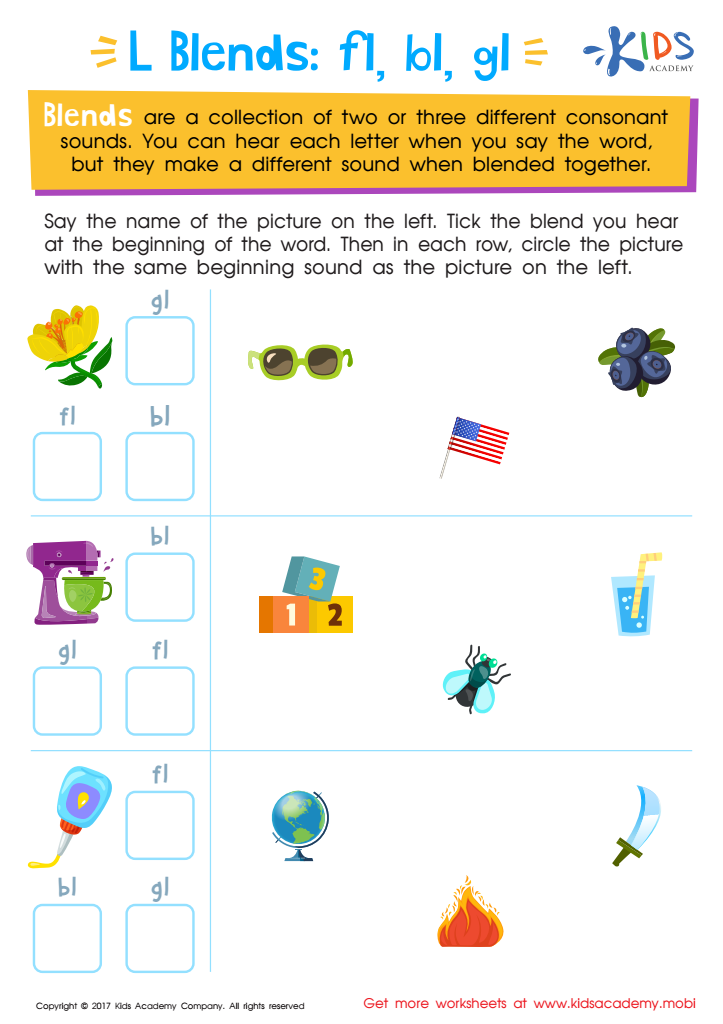
Blending Consonants: "Fl", "Bl" and "Gl" Printable
 Assign to My Students
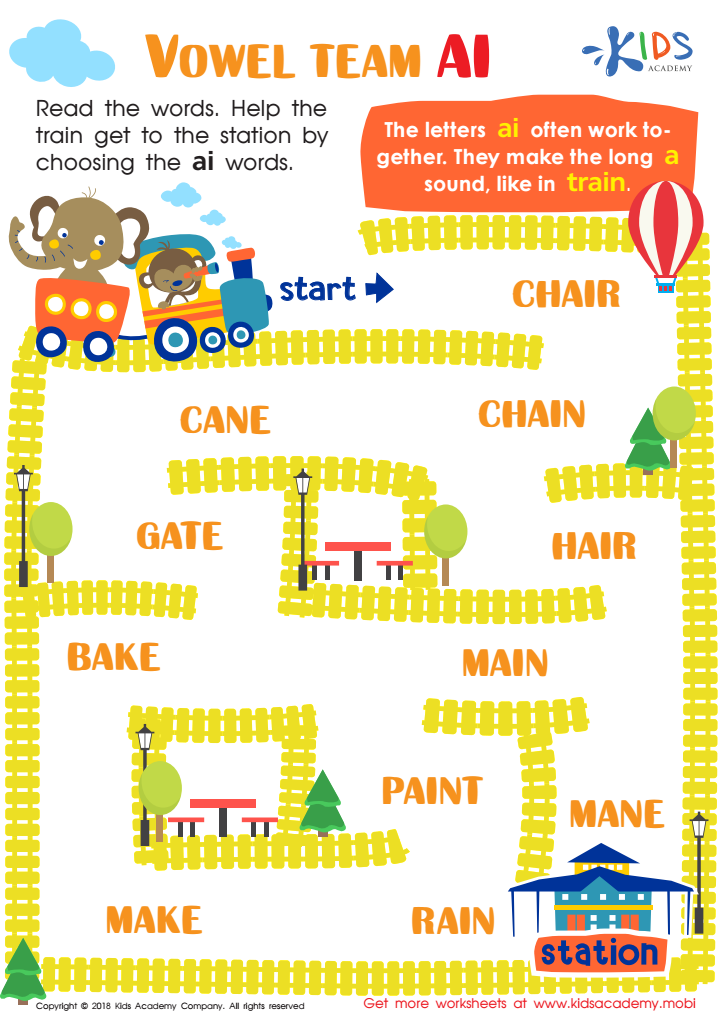
Vowel team ai Worksheet
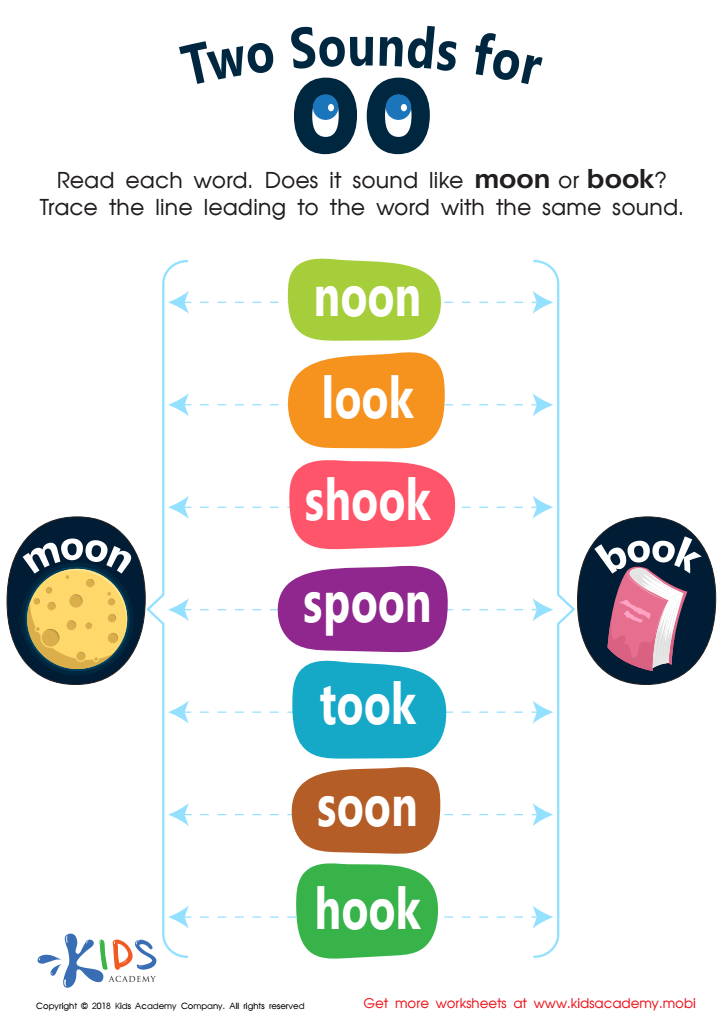
Two Sounds for OO Worksheet
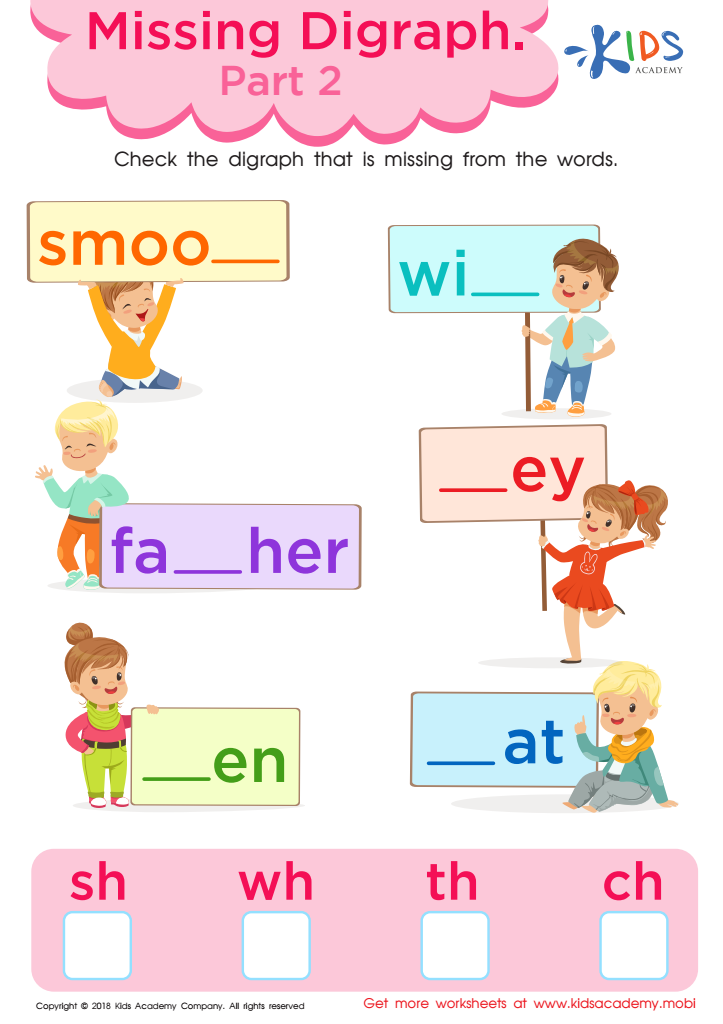
Missing Digraph: Part 2 Worksheet
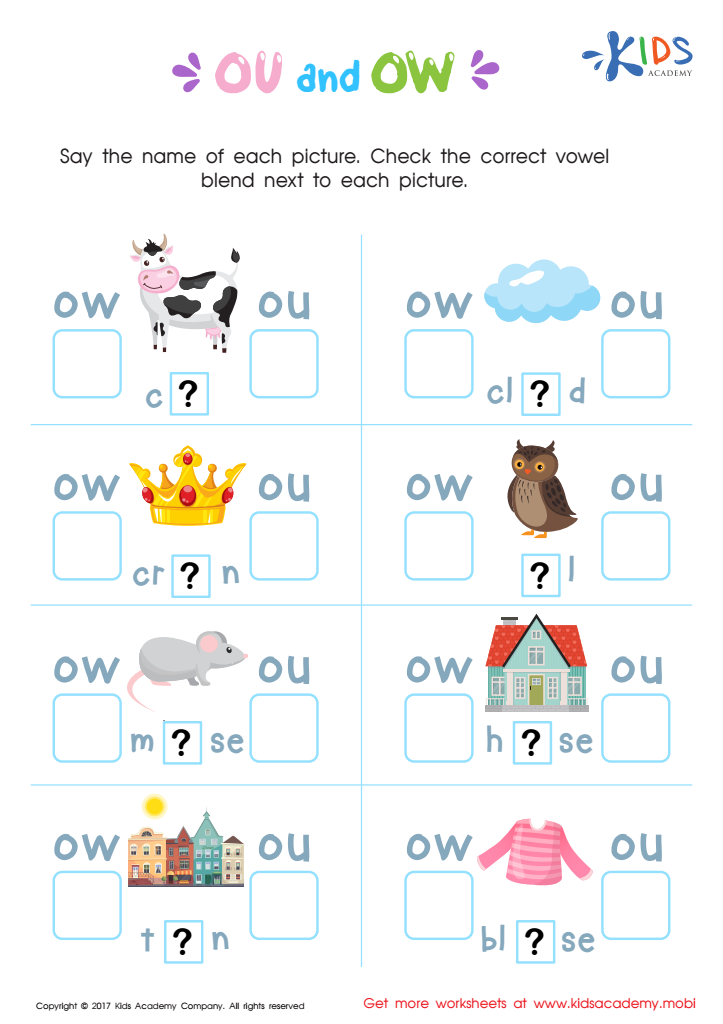
OU and OW Words Worksheet



Vocabulary expansion through two-letter phonics is crucial for young children's literacy development, particularly for ages 3 to 7. This foundational period in a child's life is marked by rapid cognitive growth, where exposure to language greatly influences their communication skills and overall academic success. Two-letter phonics, such as “at,” “to,” and “is,” introduces children to the basic sounds and structures of words, helping them decode, recognize, and eventually spell these essential building blocks of language.
By focusing on vocabulary expansion through simple phonics, parents and teachers can foster confidence and curiosity in reading and writing. Young learners who grasp phonics can better express themselves, understand narratives, and engage with texts in meaningful ways. This skill set promotes critical thinking and nurtures a lifelong love of reading.
Moreover, building a strong vocabulary early on helps bridge gaps in language comprehension, ensuring children are better prepared for more complex language tasks as they progress in their education. Engaging with two-letter phonics not only supports literacy development but also encourages social interaction and emotional expression, making it essential for personal and academic growth. Therefore, parents and teachers should prioritize vocabulary expansion through phonics during these formative years to set the stage for future learning.







