Color recognition Labor Day Worksheets for Ages 3-7
5 filtered results
Difficulty Level
Grade
Age
-
From - To
Subject
Activity
Standards
Discover our engaging Labor Day Color Recognition Worksheets designed specifically for children ages 3 to 7! These fun and interactive activities help young learners explore colors while celebrating Labor Day. Each worksheet features vibrant illustrations and simple exercises that encourage creativity and enhance color identification skills. Perfect for home or classroom use, our worksheets promote cognitive development and provide parents and educators with valuable resources to support early learning. Join in the festive spirit of Labor Day and watch your child's color recognition abilities flourish with our thoughtfully crafted materials. Download now to enjoy a colorful and educational experience!
Favorites
With answer key
Interactive
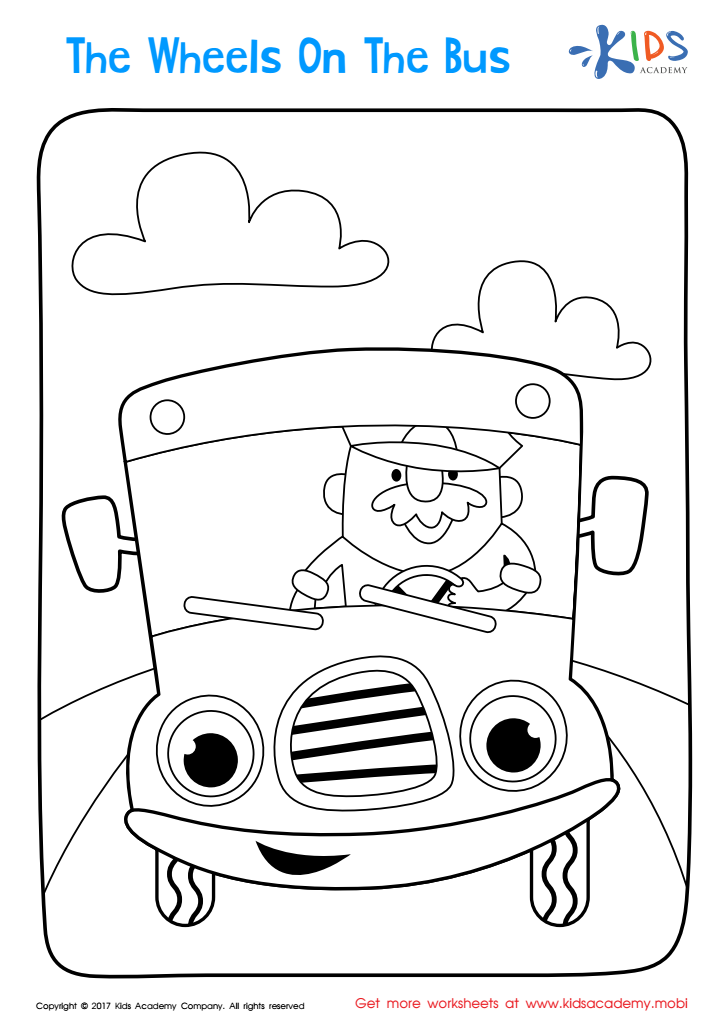
The Wheels on the Bus Coloring Page
Colour and sing with this printable Wheels on the Bus page! Let your child have fun singing the song with you as they colour. It'll make the activity even more entertaining and memorable.
Download (PDF)
 Assign to My Students
Assign to My Students
The Wheels on the Bus Coloring Page
Worksheet
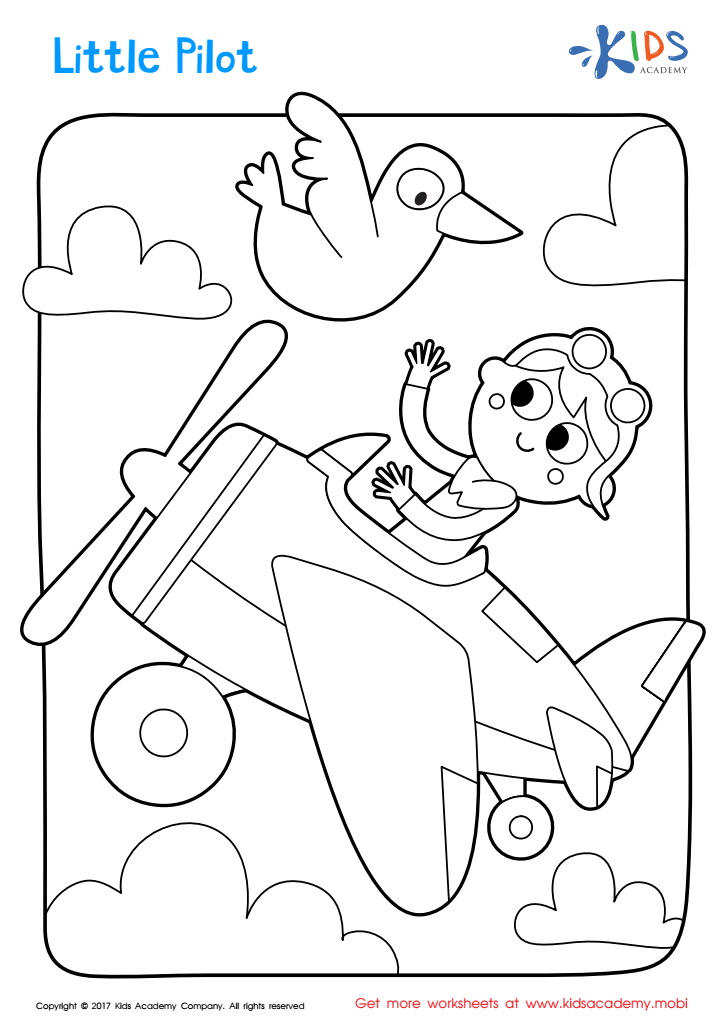
Little Pilot Coloring Page
Let your child's imagination soar with this printable coloring page: Little Pilot! They'll have fun coloring the friendly pilot flying up to greet the cute bird. Inspire creativity by asking them to choose different colors for the plane!
Download (PDF)
Assign to My Students
Assign to My Students
Little Pilot Coloring Page
Worksheet
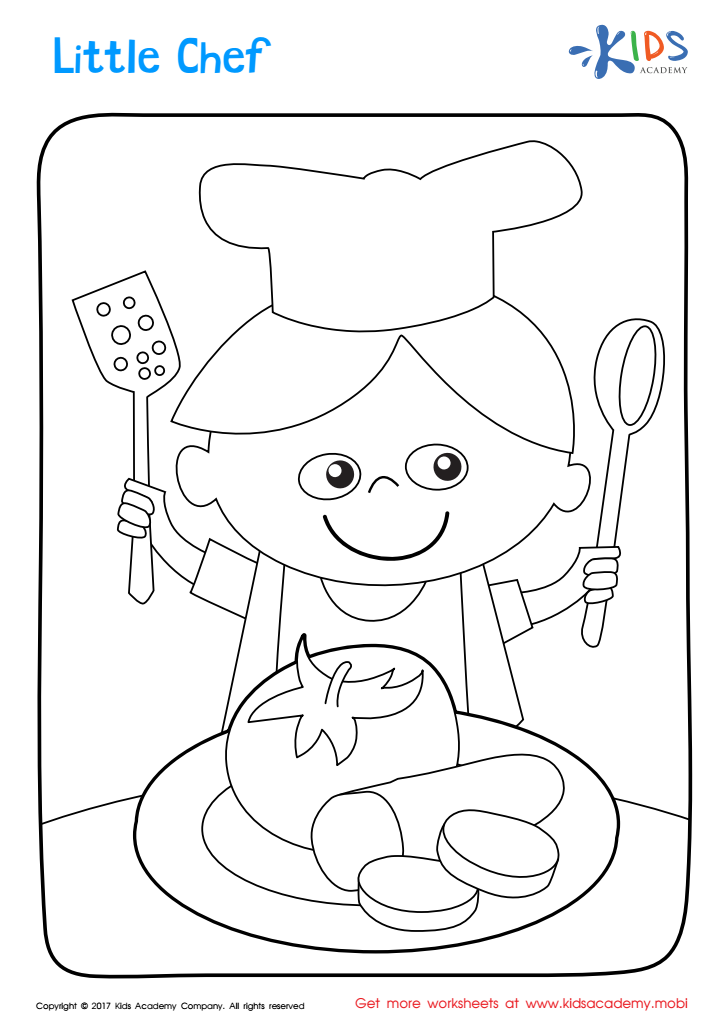
Little Chef Coloring Page
Does your child love to cook? This printable coloring page, Little Chef, is great for encouraging their inner culinary expertise. Talk about the kitchen utensils and veggies to increase their knowledge and love for cooking as they color.
Download (PDF)
Assign to My Students
Assign to My Students
Little Chef Coloring Page
Worksheet
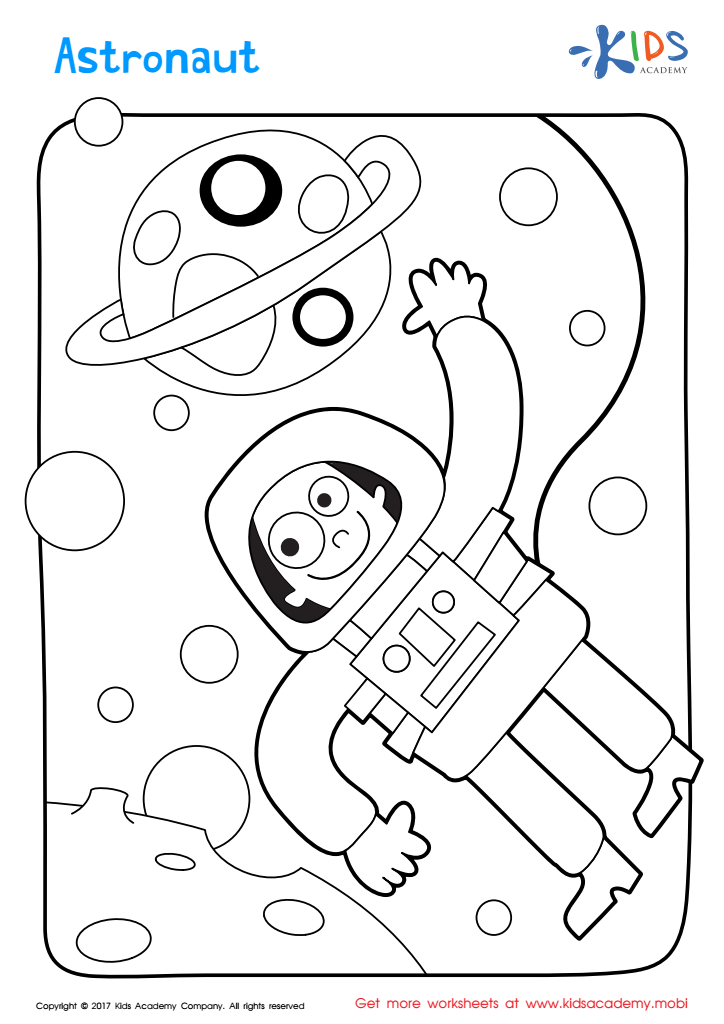
Astronaut Coloring Page
Let your child's creativity soar as they explore outer space with this fun Astronaut coloring page. They can pick the perfect colors to bring the printable to life. Then take it a step further and discuss the adventures of an astronaut.
Download (PDF)
Assign to My Students
Assign to My Students
Astronaut Coloring Page
Worksheet
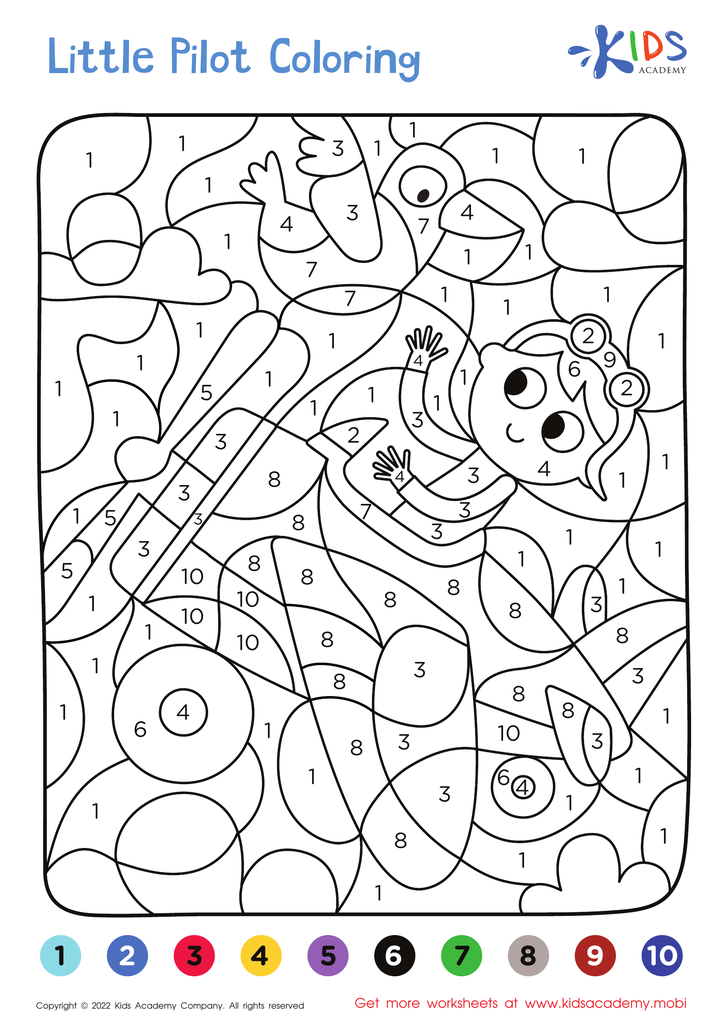
Little Pilot – Coloring by Numbers
Grab your crayons and have fun coloring this free PDF page featuring a pilot. Just match the numbers to the colors and you're ready to go! An excellent activity for young kids and adults alike.
Coloring made easy! Download this free PDF page of a pilot and have fun matching the numbers to the colors. An enjoyable activity for all ages. Get your crayons ready and let the fun begin!
Little Pilot – Coloring by Numbers
Worksheet
Join Kids Academy for Free
Who is primarily going to use this learning content?


Color recognition is a fundamental cognitive skill for children, particularly for ages 3-7, as it lays the groundwork for various aspects of learning and development. First and foremost, color recognition enhances a child's ability to categorize objects, facilitating early math skills such as sorting and grouping. This creates a strong foundation for sorting, counting, and basic problem-solving.
Furthermore, understanding colors aids in language development. When children identify and name colors, they expand their vocabulary and improve their expressive skills. This fosters communication, helping them articulate their thoughts and feelings more effectively.
Celebrating a "Color Recognition Labor Day" would permeate both playful learning and structured education, emphasizing fun activities like art projects, games, and outdoor explorations that promote engagement. Such celebrations allow for hands-on learning and encourage collaboration among children, allowing them to exchange ideas and experiences.
For teachers and parents, supporting color recognition is crucial as it enhances participation in activities, boosts confidence in expression, and overall promotes a love for learning. Embracing color recognition in a dedicated manner underscores its relevance as a key component of early childhood education, making it an exciting focal point for both parents and educators.