Critical Thinking Worksheets for Ages 3-7 - Page 6
132 filtered results
-
From - To
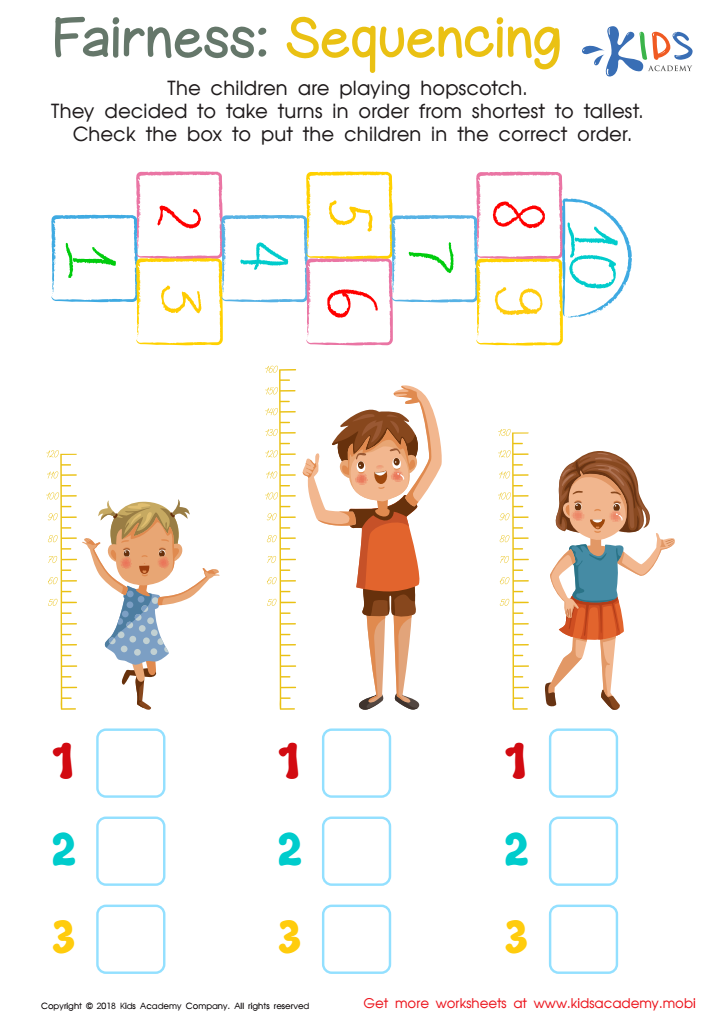
Fairness: Sequencing Worksheet
 Assign to My Students
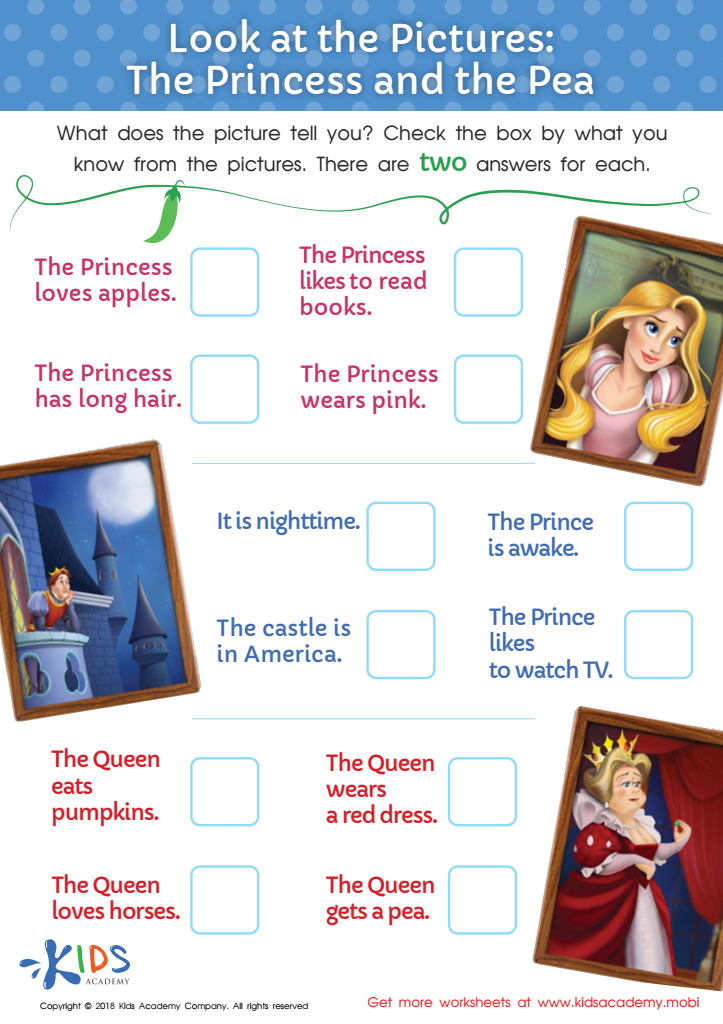
Look at the Pictures: The Princess and the Pea Worksheet
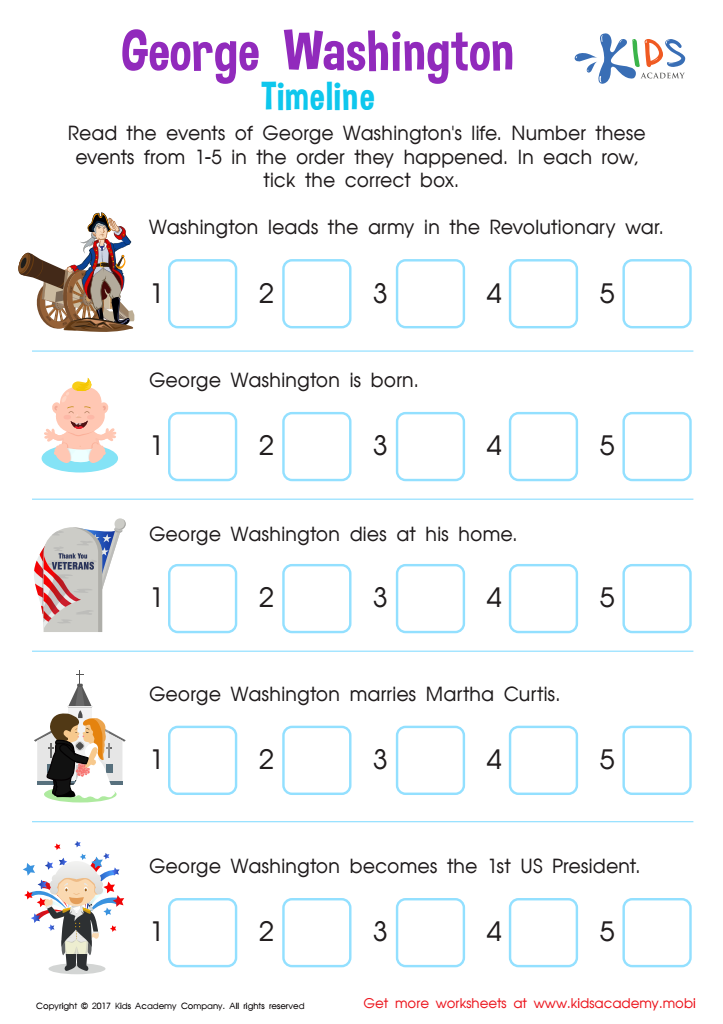
George Washington Timeline Worksheet
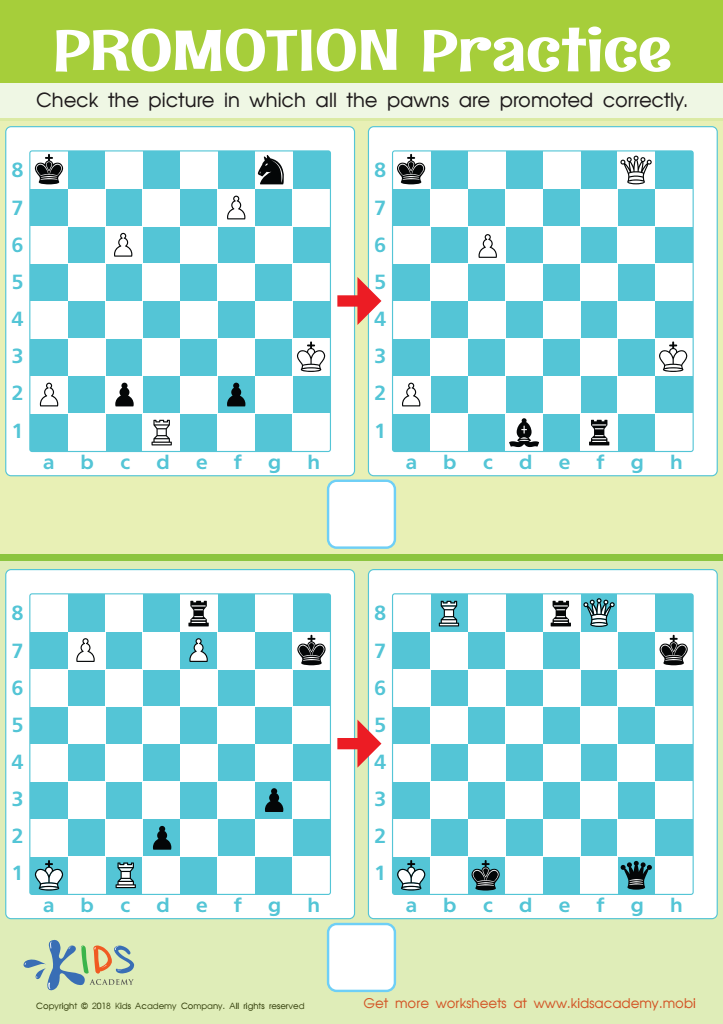
Promotion Practice Worksheet
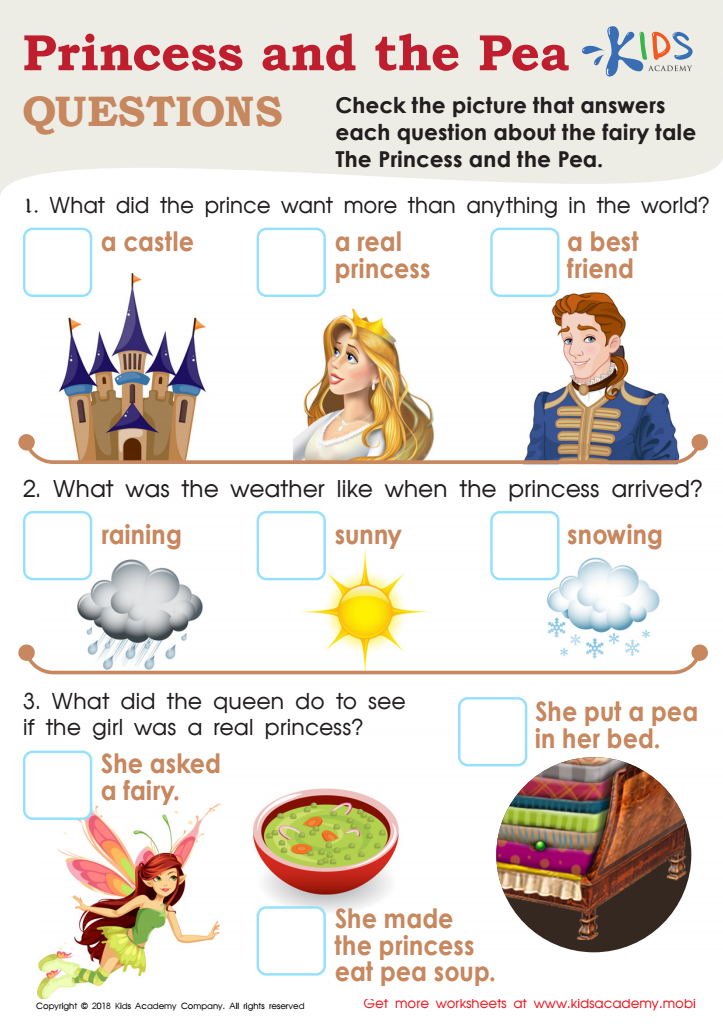
Princess and the Pea Questions Worksheet
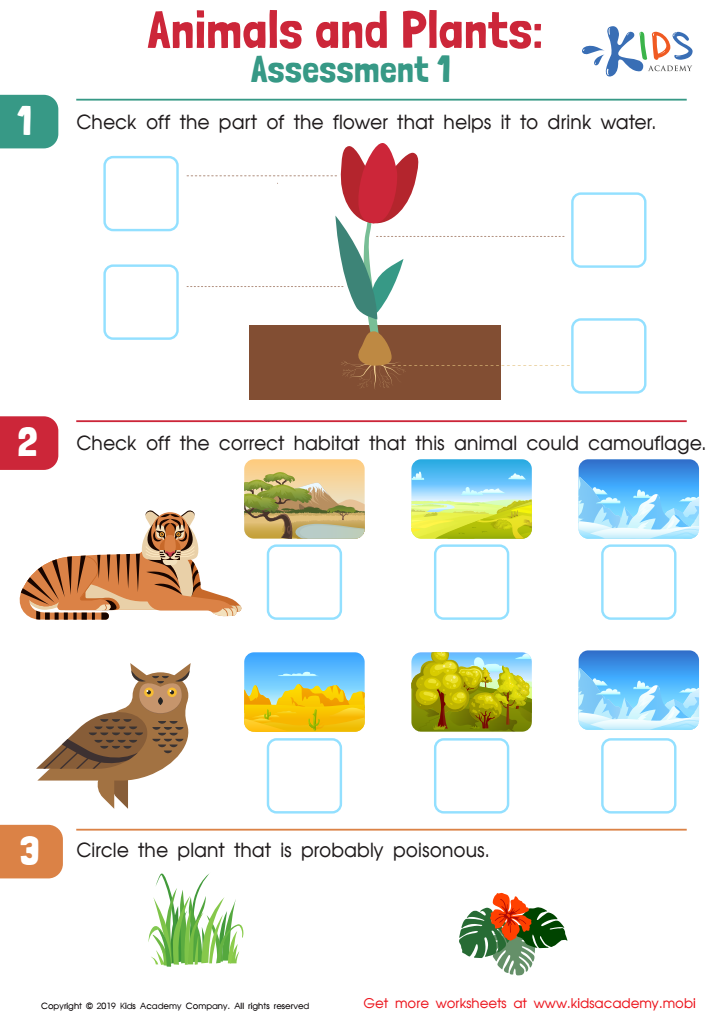
Animals and Plants: Assessment 1 Worksheet
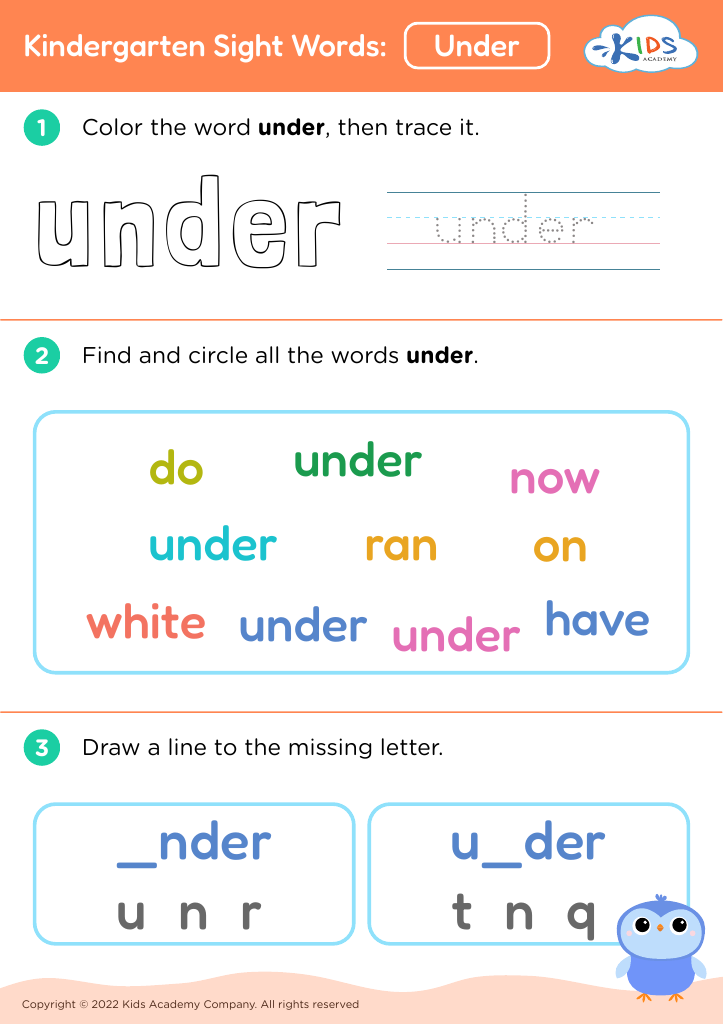
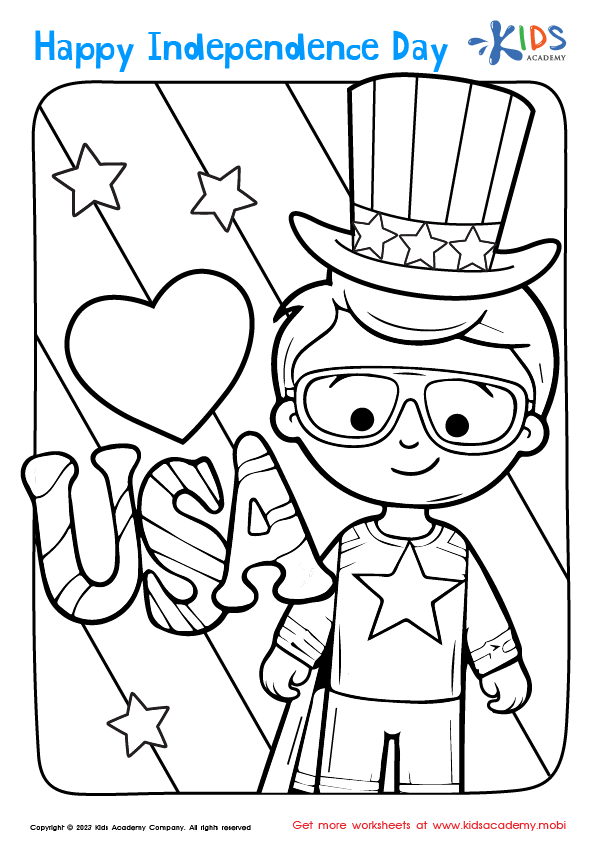





.jpg)



Critical thinking is essential for children aged 3-7 as it lays the foundation for their future learning and decision-making skills. At this age, children are naturally curious and eager to explore their environment. By fostering critical thinking, parents and teachers can equip them with the ability to analyze information, ask questions, and solve problems creatively.
Cultivating these skills helps children develop greater self-confidence and independence, as they learn to make informed choices rather than merely following instructions. For example, critical thinking encourages children to consider multiple perspectives and evaluate different solutions to a problem, enhancing their ability to navigate diverse social situations and challenges.
Moreover, critical thinking supports academic success. It enhances literacy and numeracy skills, as children learn to process information logically. During this developmental stage, children establish key cognitive patterns that will aid in their future education.
In a rapidly changing world filled with information, early critical thinking skills prepare children for lifelong learning and adaptability. Therefore, parents and teachers should prioritize activities and discussions that promote exploration, inquiry, and open-ended thinking, ensuring that children become adept thinkers ready to tackle the complexities of life ahead.








