Geographic knowledge Worksheets for Ages 3-7
3 filtered results
-
From - To
Enhance your child's geographic knowledge with our engaging worksheets designed for ages 3-7! These interactive resources introduce young learners to essential concepts such as maps, continents, and physical features. Each worksheet includes fun activities like identifying landforms and exploring different types of environments, fostering a love for geography from an early age. Perfect for homeschooling, classroom settings, or supplementary learning at home, our worksheets inspire curiosity about the world around them. With vibrant illustrations and easy-to-follow instructions, children will enjoy discovering new places and cultures. Start their geographic adventure today with our educational and enjoyable printable worksheets!
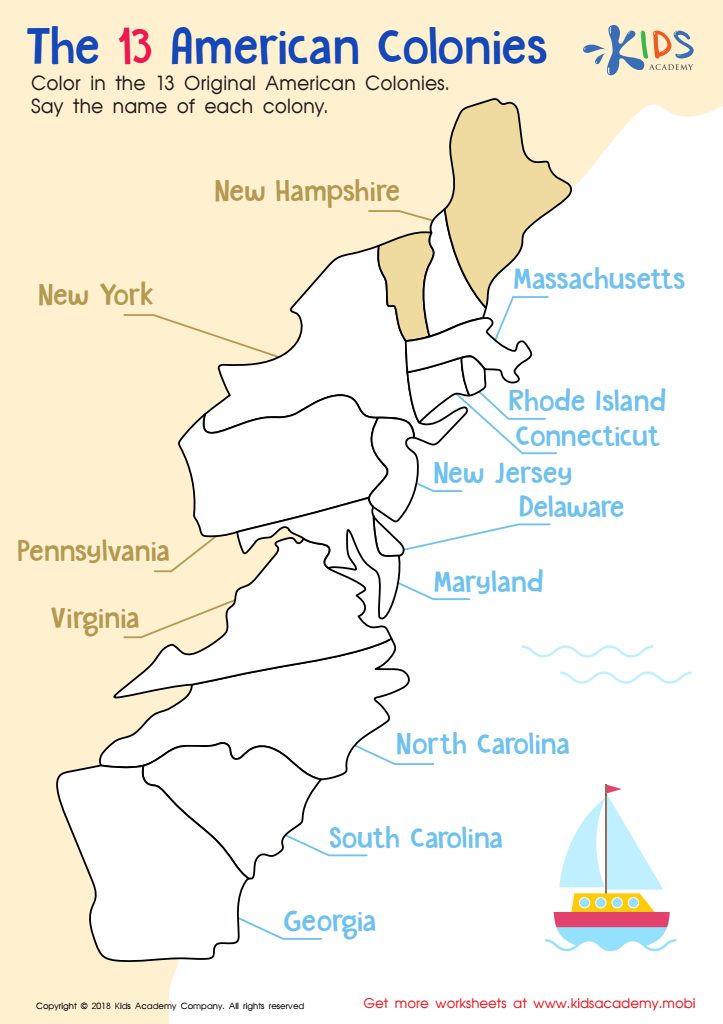
The 13 American Colonies Worksheet
 Assign to My Students
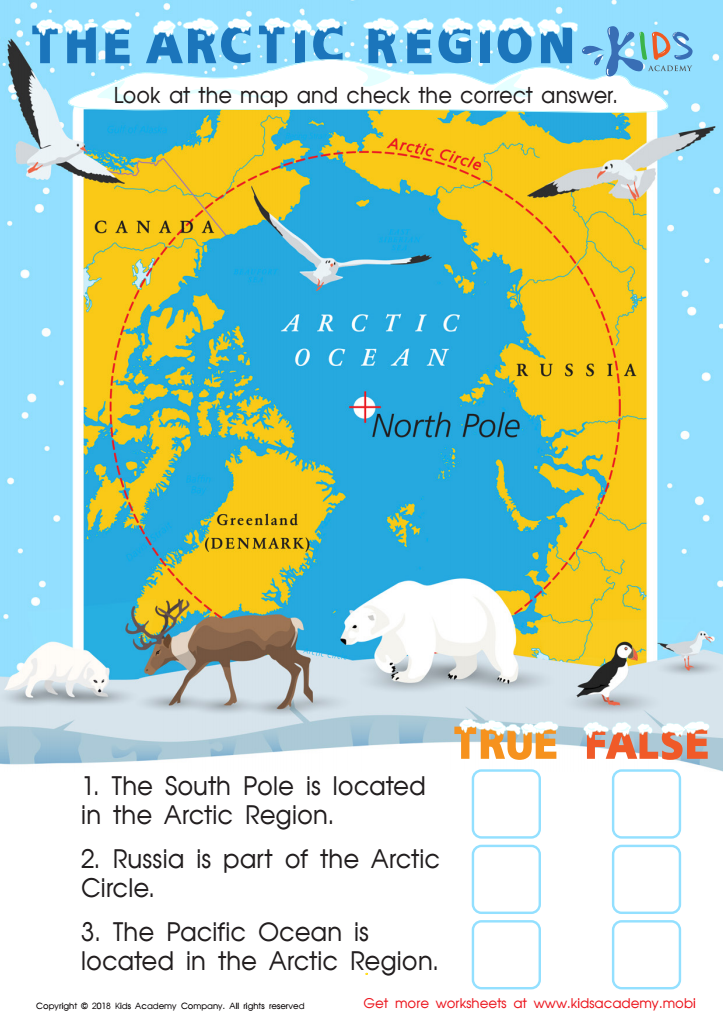
The Arctic Region Worksheet
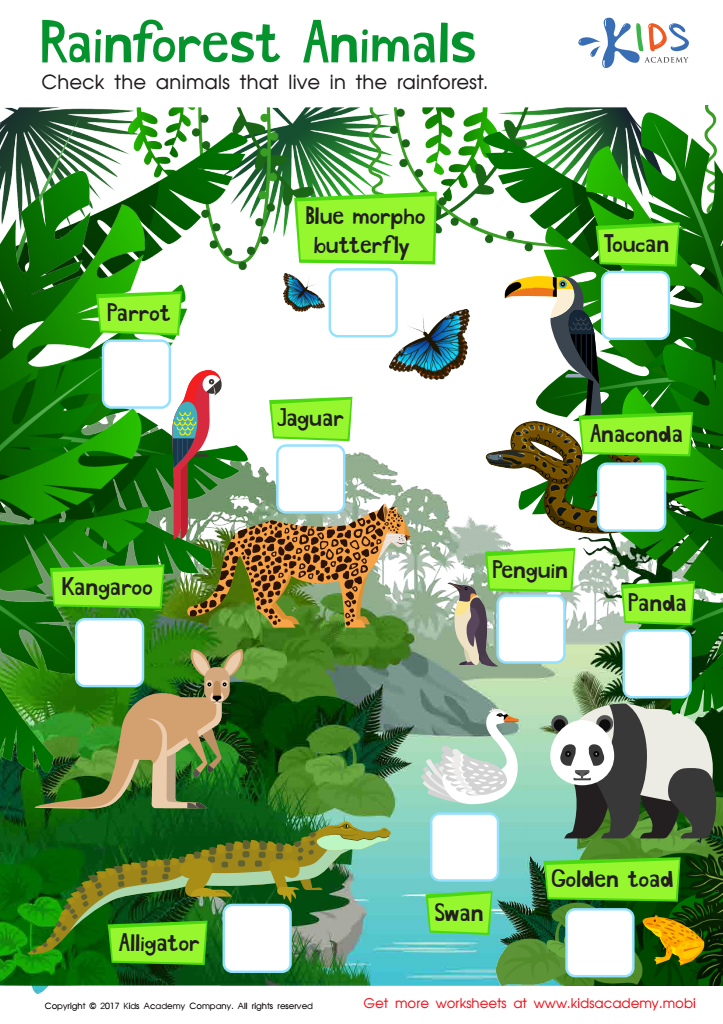
Rainforest Animals Worksheet




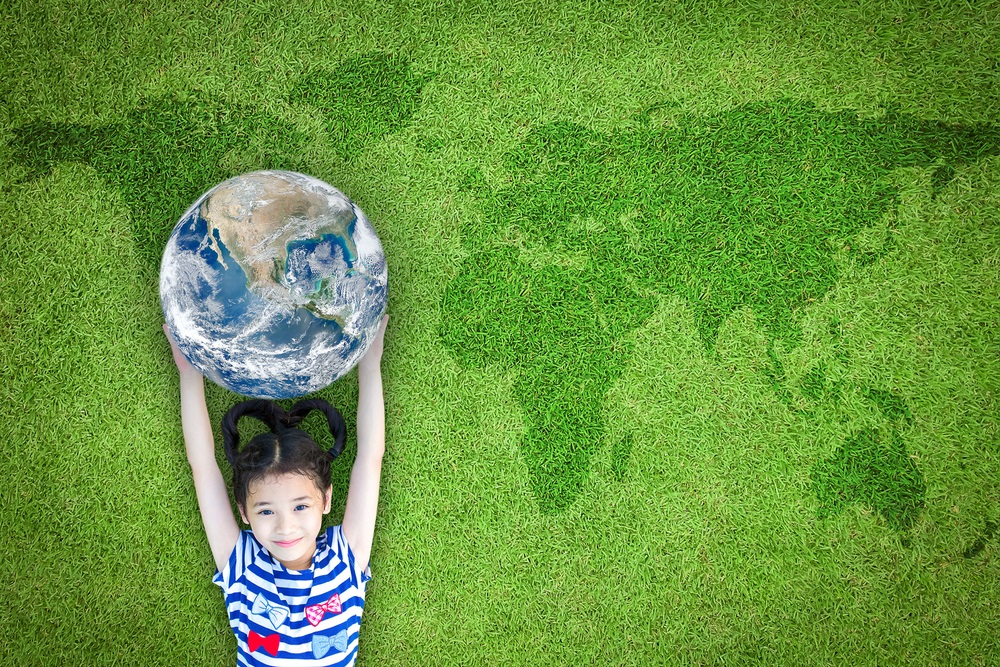
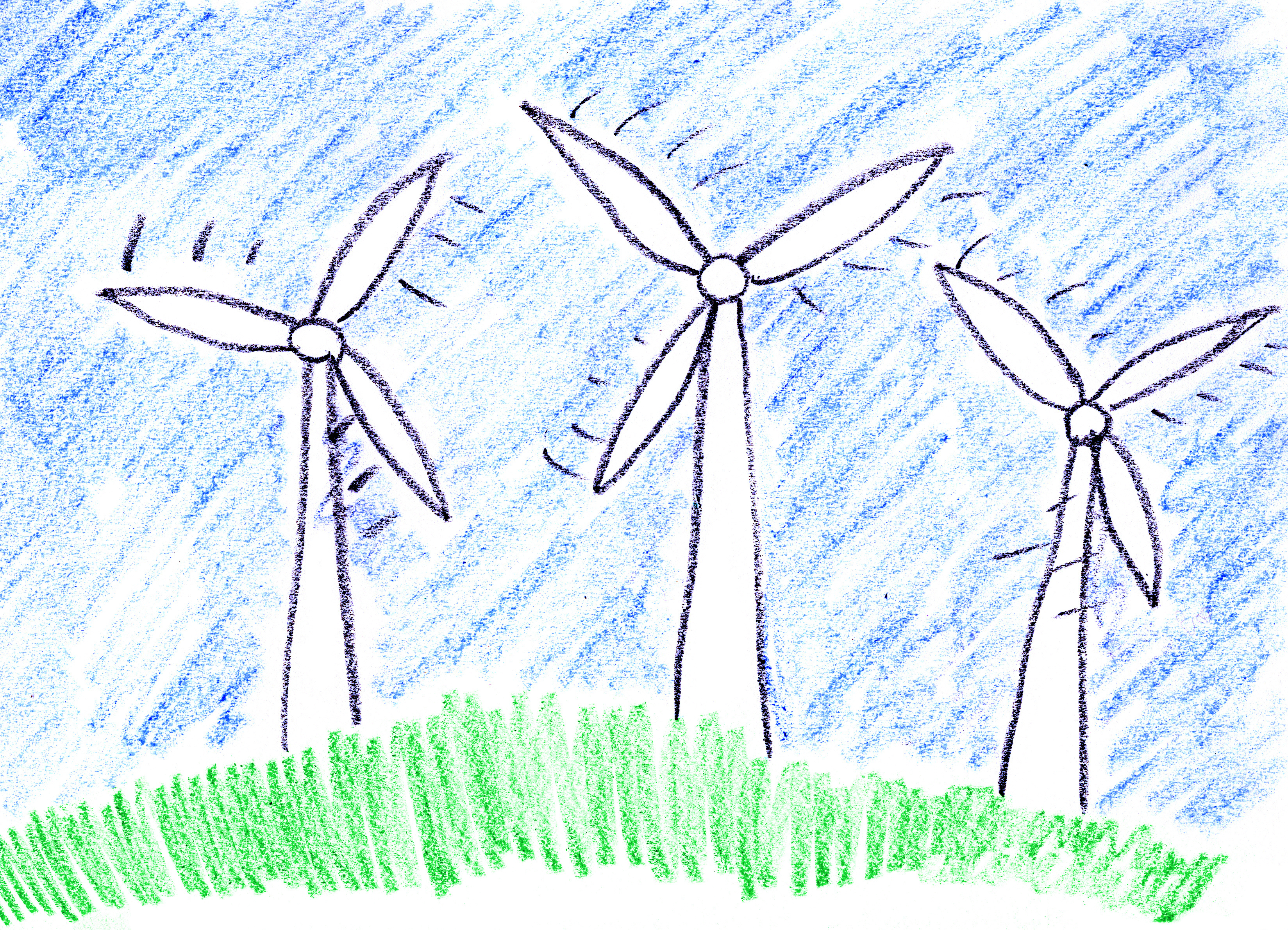

Geographic knowledge is vital for children aged 3-7 as it lays the foundational understanding of the world around them. At this developmental stage, children are naturally curious about their environment, making it an ideal time for them to learn about places, cultures, and the relationships within their communities and the greater world.
By incorporating geography into their education, parents and teachers foster critical thinking skills, help children understand spatial awareness, and encourage them to make connections between diverse cultures. This knowledge promotes empathy and respect for others, essential qualities in an increasingly globalized world. Early geographic education also encourages language development and enhances literacy skills, as children learn to describe places, read maps, and understand geographical terms.
Moreover, understanding basic geographic concepts aids in the appreciation of their own locality, which enhances their sense of belonging and identity. It also prepared them for environmental stewardship by instilling a respect for different ecosystems. Ultimately, investing in geographic knowledge cultivates informed, curious learners and global citizens, prepared to navigate and contribute positively to an interconnected world. Thus, it’s crucial for caregivers and educators to prioritize geographic learning from an early age.








