Hand-eye Coordination Worksheets for Ages 3-7 - Page 5
104 filtered results
-
From - To
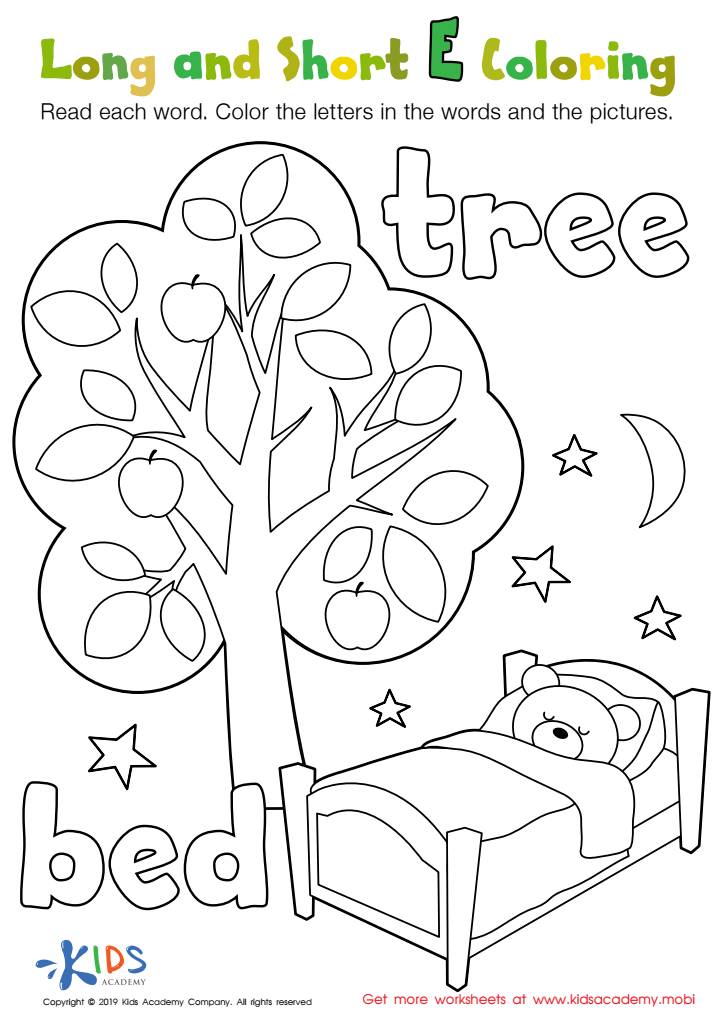
Long and Short E Worksheet
 Assign to My Students
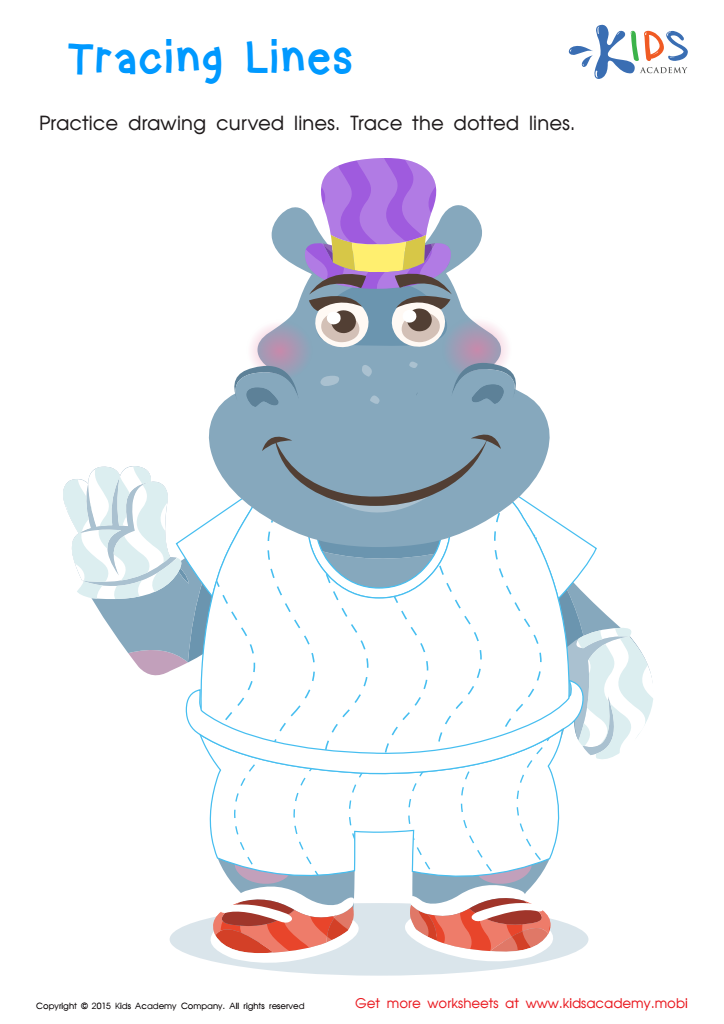
Tracing Lines Worksheet
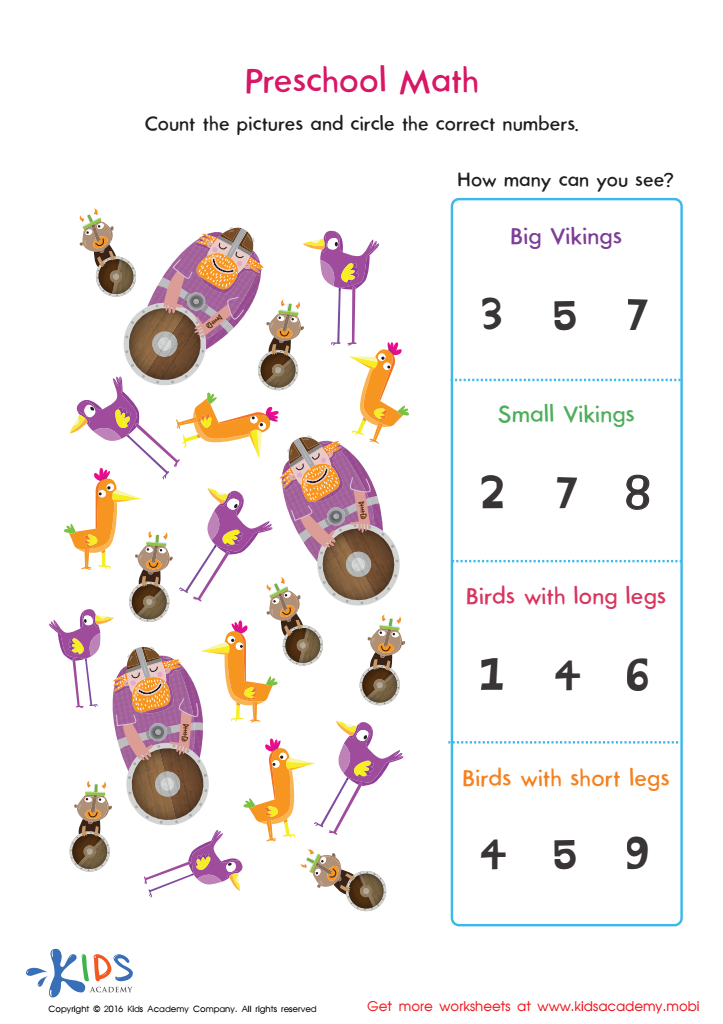
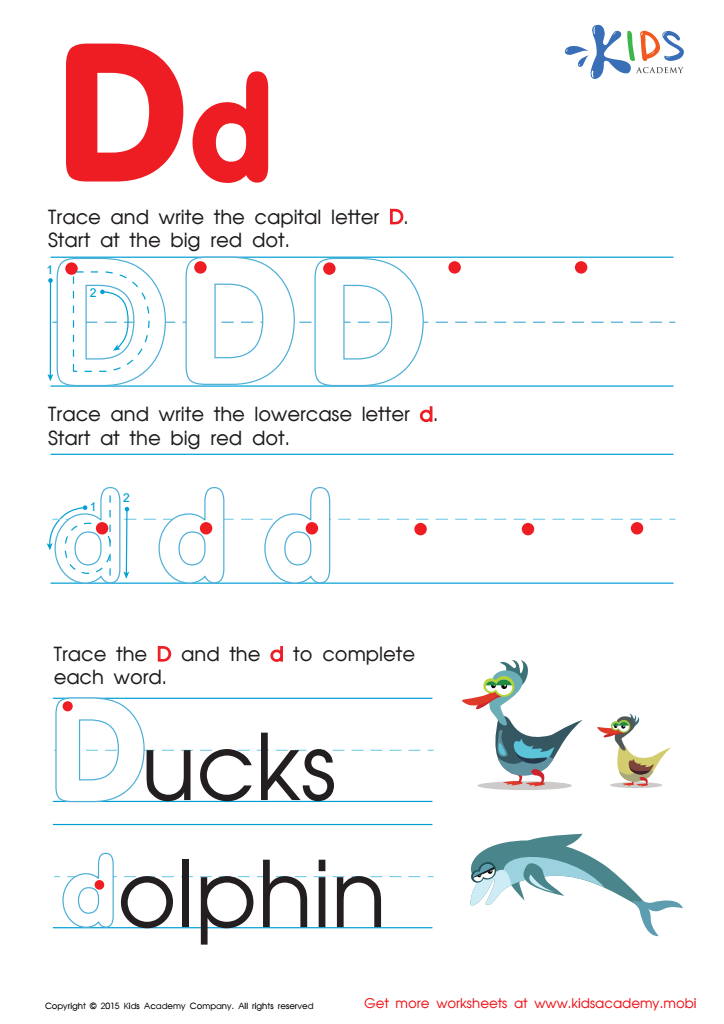
Letter D Tracing Page







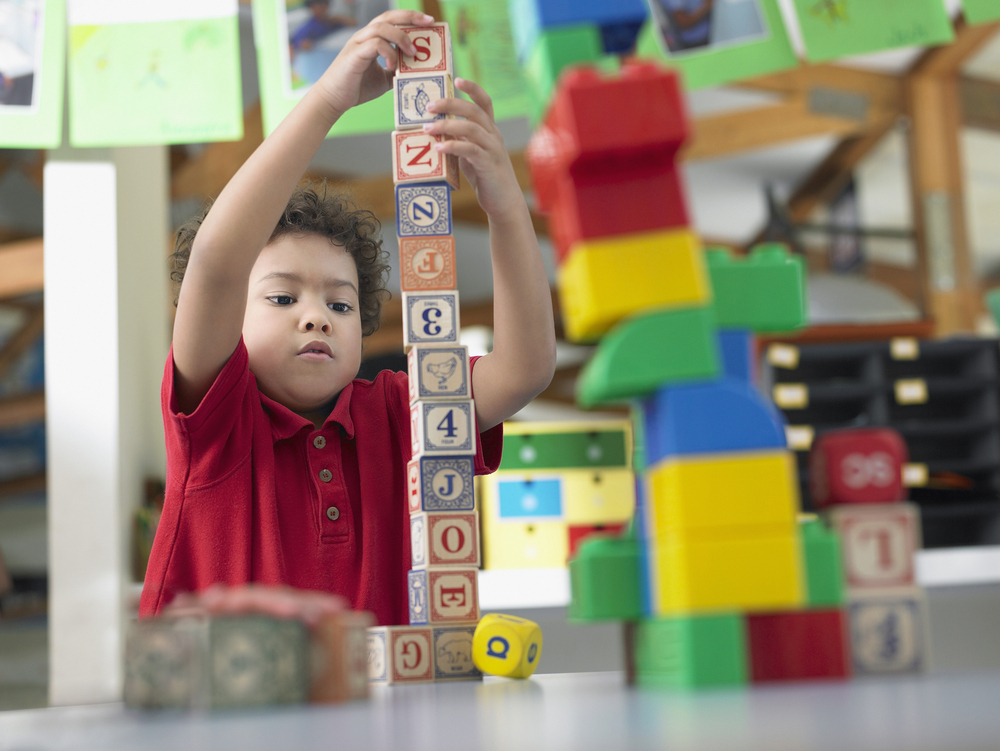
Hand-eye coordination is crucial for children aged 3-7 because it lays the foundation for essential developmental skills and everyday tasks. This ability to coordinate visual input with hand movements helps children perform a variety of activities ranging from simple play to more complex tasks. For instance, drawing, writing, cutting with scissors, and even basic self-care skills like buttoning a shirt or tying shoelaces require good hand-eye coordination. When children practice these skills, they're not just preparing for school-related tasks but also developing spatial awareness, muscle strength, and dexterity.
In addition, hand-eye coordination significantly influences academic success. For young learners, it is vital for reading and writing processes. Proper pen grip, the ability to follow lines and shapes, and the accurate placement of letters and numbers can impact their ability to excel in classroom activities. These foundational skills also contribute to a child's self-esteem and confidence. A child who can effectively interact with their environment is more likely to feel confident and eager to learn new things.
Moreover, games and activities that promote hand-eye coordination often involve crossing the midline, essential for brain development and the growth of neural pathways. By encouraging activities that support this skill, parents and teachers help children set the stage for future academic and life success.








