Number formation Worksheets for Ages 3-7
3 filtered results
-
From - To
Welcome to our engaging Number Formation Worksheets for Ages 3-7! Our carefully designed resources help young learners master the fundamentals of counting and writing numbers. These worksheets provide engaging activities that promote fine motor skills and a strong foundation in mathematics. With colorful illustrations and clear instructions, children will enjoy tracing, writing, and recognizing numbers from 1 to 20. Perfect for preschool and kindergarten, our worksheets are ideal for both classroom settings and at-home learning. Foster a love for numbers early on and set your child on the path to mathematical success with our fun and interactive number formation resources!
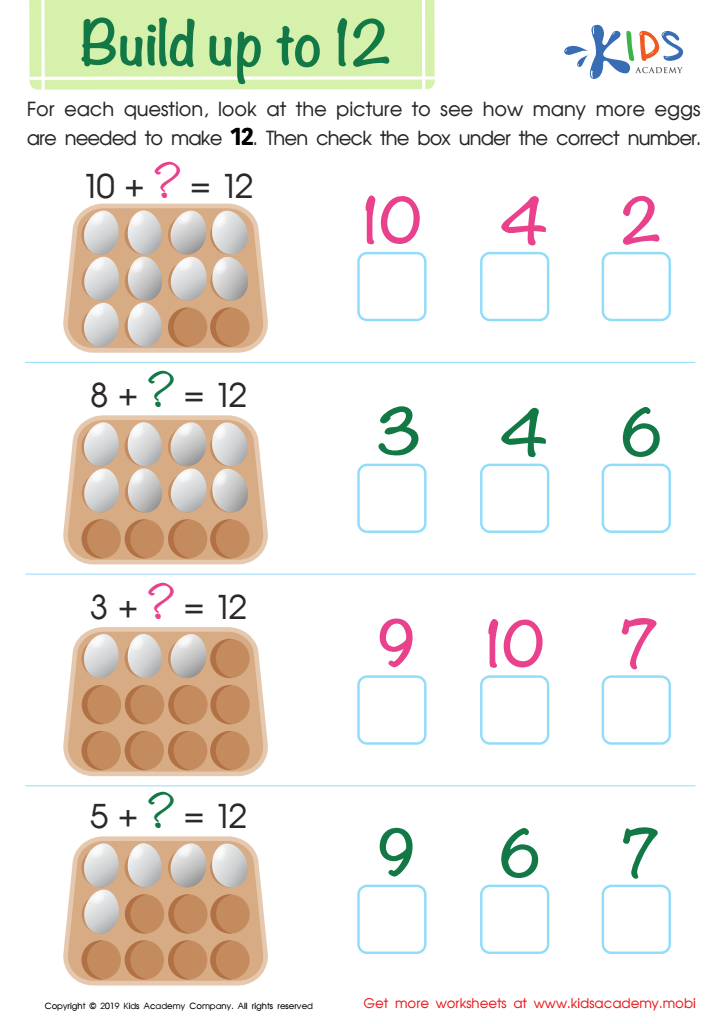
Build up to 12 Worksheet
 Assign to My Students
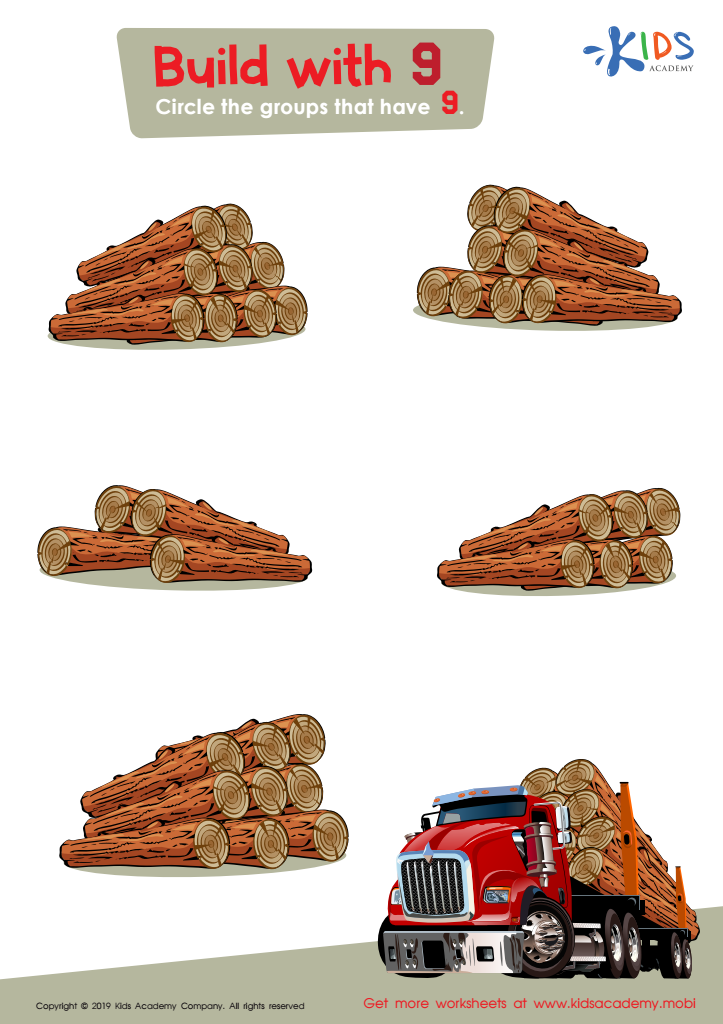
Build with 9 Worksheet
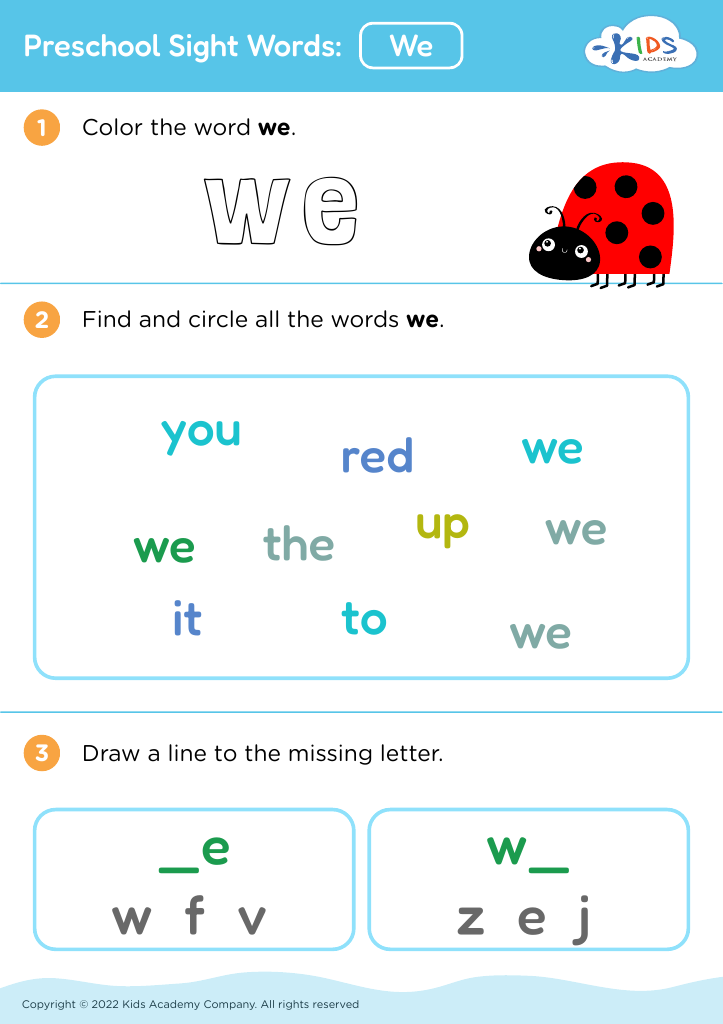








Number formation is a foundational skill for children ages 3-7 and holds significant importance for both parents and teachers. At this developmental stage, children are not only learning to recognize numbers but are also beginning to write them. Proper number formation is essential because it aids in the development of fine motor skills, which are crucial for writing and other coordination-required tasks.
When children learn to form numbers correctly, they build strong numeracy skills, creating a solid foundation for future mathematical concepts. This practice boosts their confidence and fosters a positive attitude towards mathematics, reducing anxiety when faced with numerical tasks later in life.
Additionally, a focus on correct number formation supports consistency in learning; it helps children accurately represent their thoughts and calculations, minimizing misunderstandings in classwork and homework. Parents and teachers play a pivotal role in providing guidance and encouragement, ensuring that number formation becomes an integrated part of early learning.
Moreover, by nurturing this skill early on, adults set children up for success in their educational journey. A strong grasp of number formation not only enhances their immediate learning but also contributes to long-term academic achievement in mathematics and related subjects.








