Phonics Skills Worksheets for Ages 3-7 - Page 4
75 filtered results
-
From - To
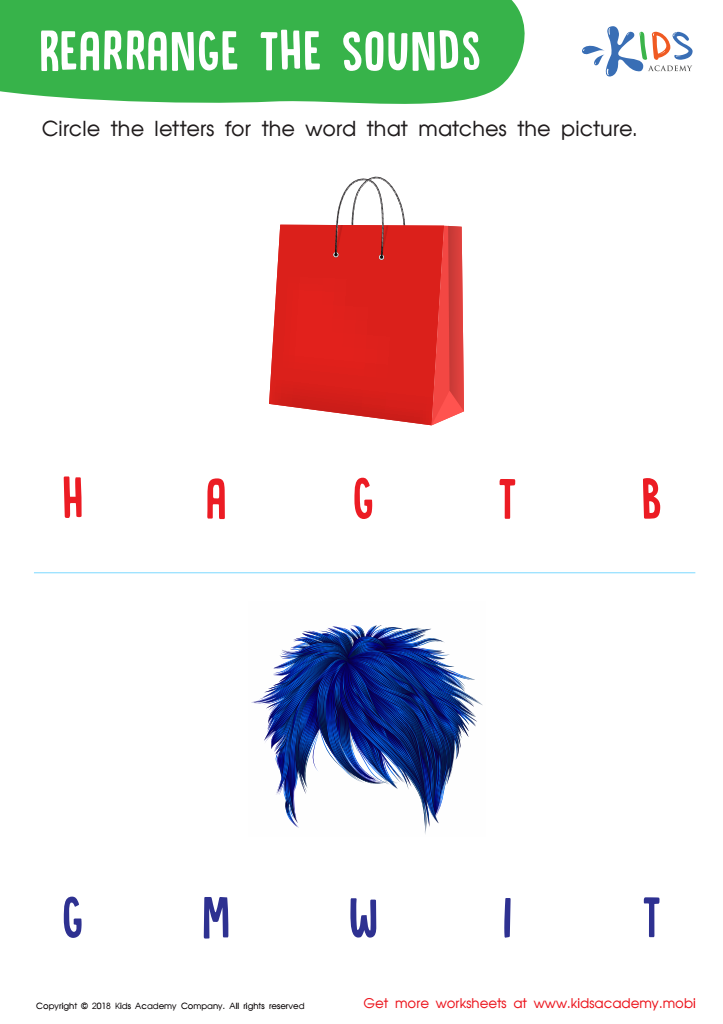
Rearrange the Sounds Worksheet
 Assign to My Students
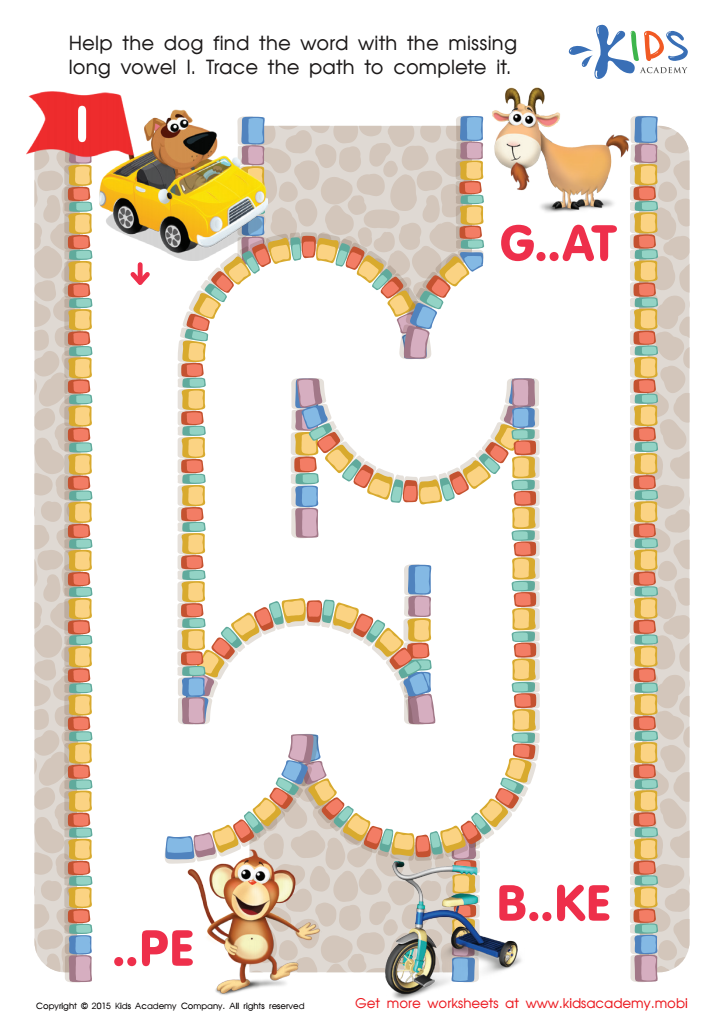
Long Vowel Sound I Worksheet
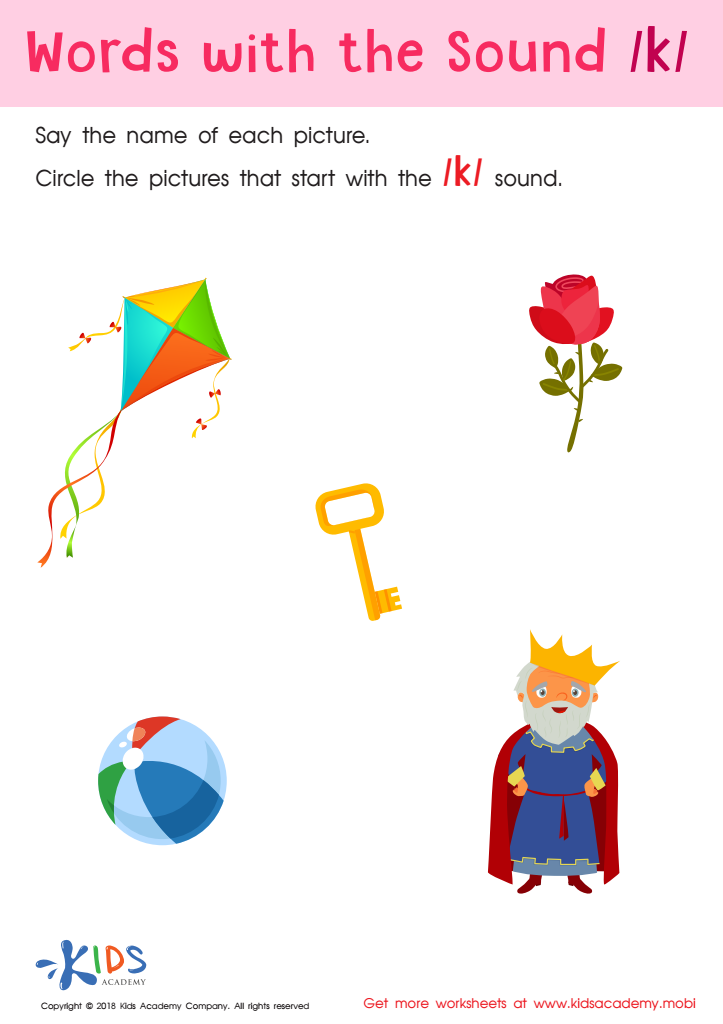
Words with sound k Reading Worksheet





.jpg)
Phonics skills are crucial for children aged 3 to 7 as they lay the foundation for reading and writing, essential components of literacy development. Understanding phonics helps children recognize the relationship between letters and sounds, enabling them to decode words. Early proficiency in phonics fosters independent reading, igniting a love for books and storytelling.
For parents and teachers, promoting phonics skills can significantly enhance a child’s academic success. Research shows that strong phonics instruction improves reading abilities, comprehension, and overall language skills. These competencies are vital not only for academic achievement but also for social integration and self-esteem.
Furthermore, phonics activities are engaging, using games and songs to make learning enjoyable. This approach helps build positive attitudes toward learning, which as children grow can shape their educational journey.
Supporting phonics skills at an early age also identifies and addresses reading difficulties before they escalate. Given that many learning challenges originate in the early years, early intervention is crucial for long-term success.
In summary, nurturing phonics skills in young children is integral to their overall development—educationally, emotionally, and socially—and creates a path toward lifelong literacy.








