Understanding number sequence Worksheets for Ages 3-7
8 filtered results
-
From - To
Discover our engaging Understanding Number Sequence Worksheets designed specifically for children ages 3 to 7. These printable resources help young learners grasp essential math concepts through fun and interactive activities. From filling in the missing numbers to ordering sequences, our worksheets enhance cognitive skills while encouraging a love for numbers. Perfect for classroom use or home learning, these exercises are tailored to suit various learning styles and abilities. Foster early numeracy skills and boost confidence as children explore number relationships and patterns in a playful, supportive environment. Unleash the joy of learning with our colorful and captivating worksheets!
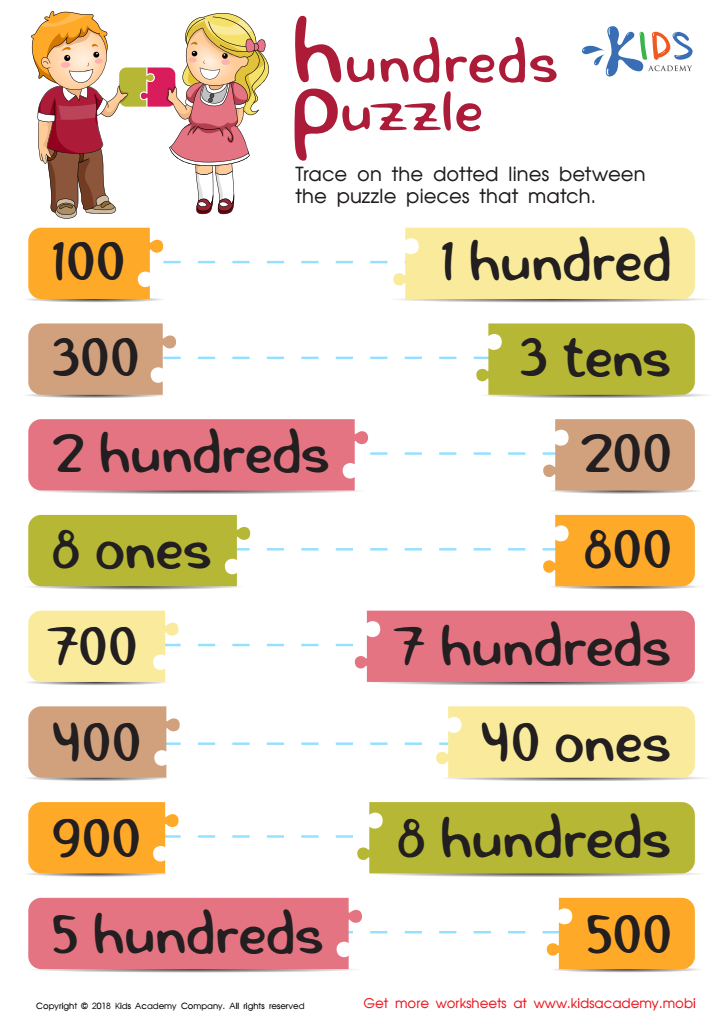
Hundreds Puzzle Worksheet
 Assign to My Students
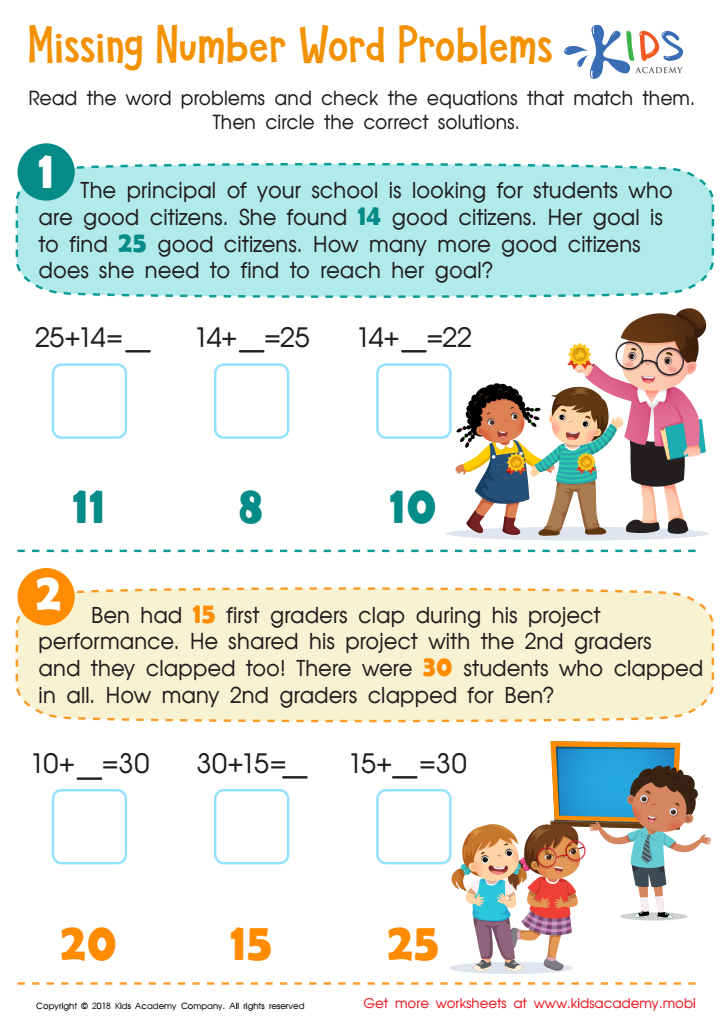
Missing Number Word Problems Worksheet
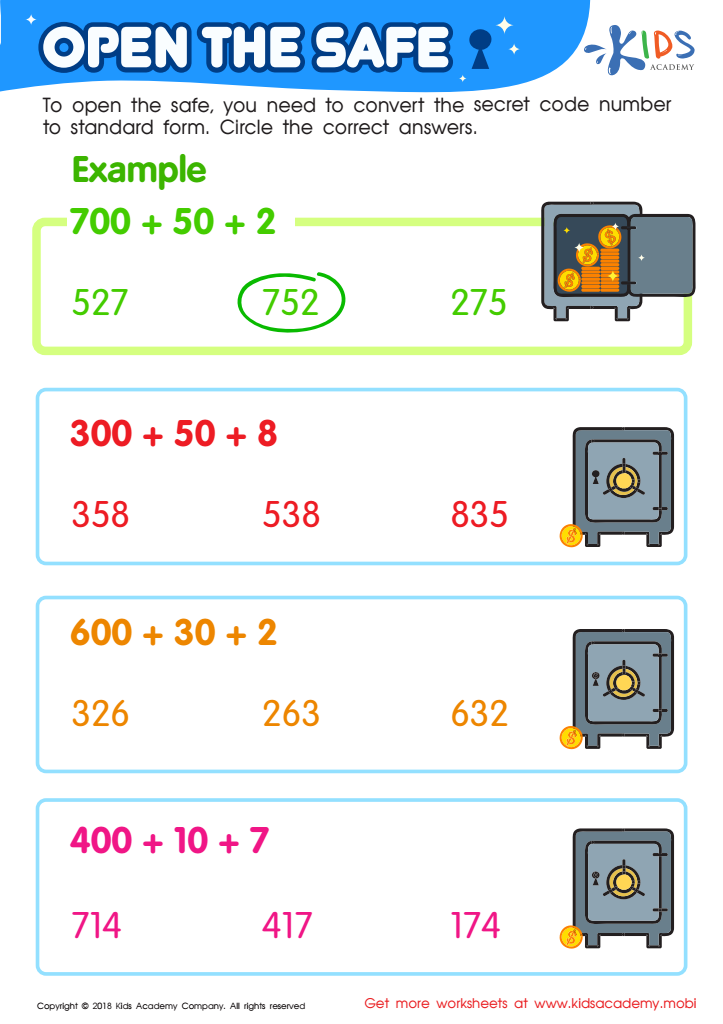
Open the Safe Worksheet
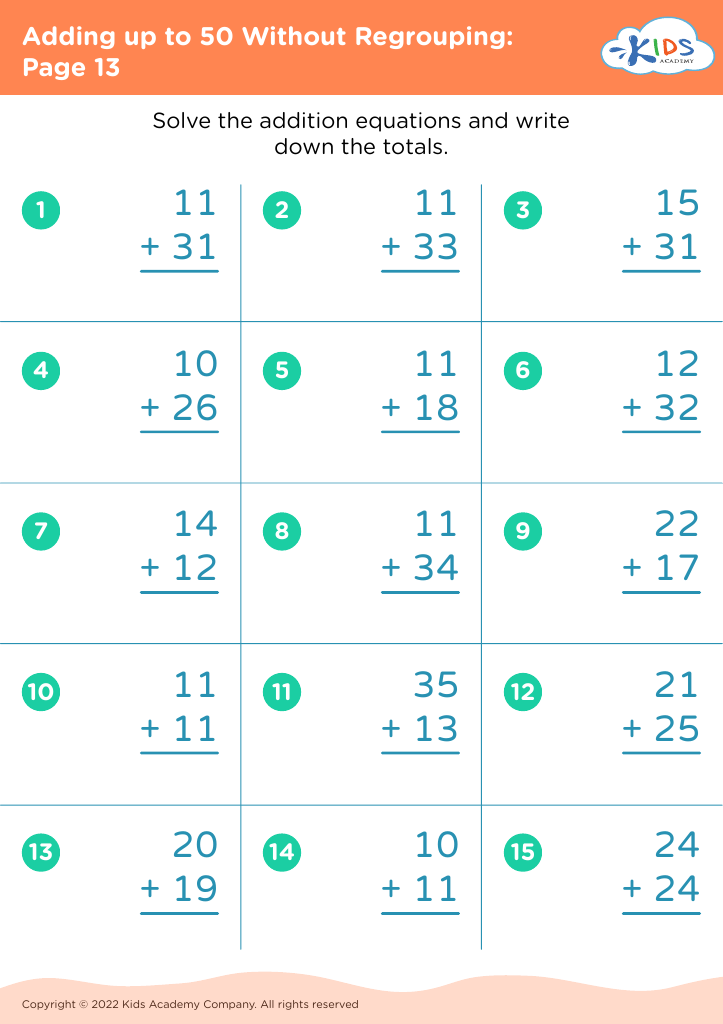
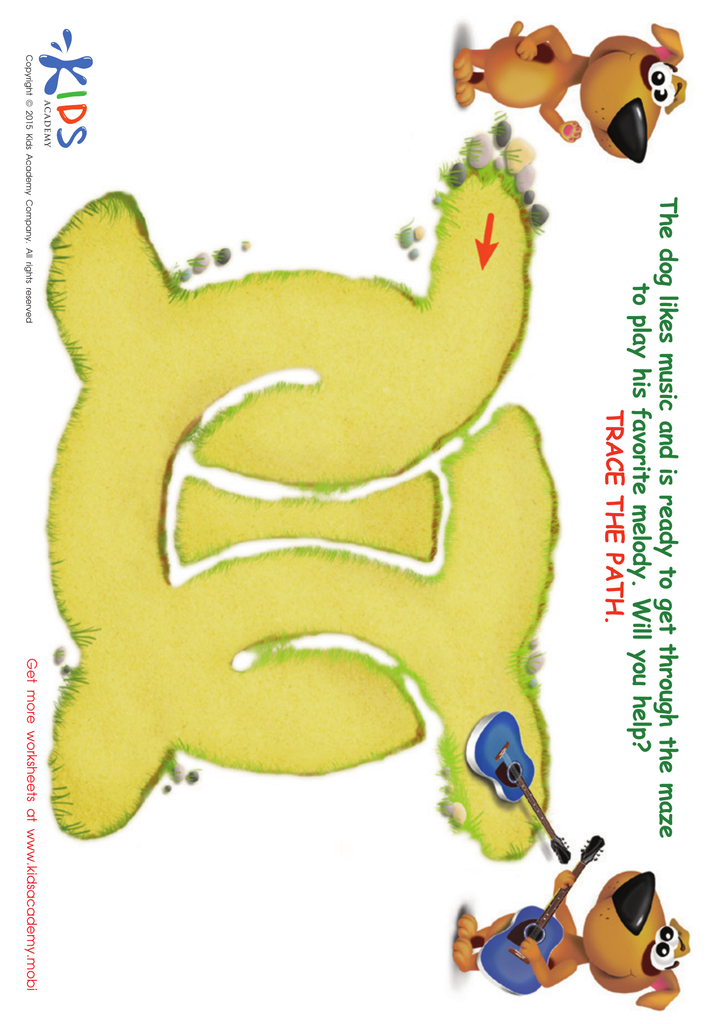
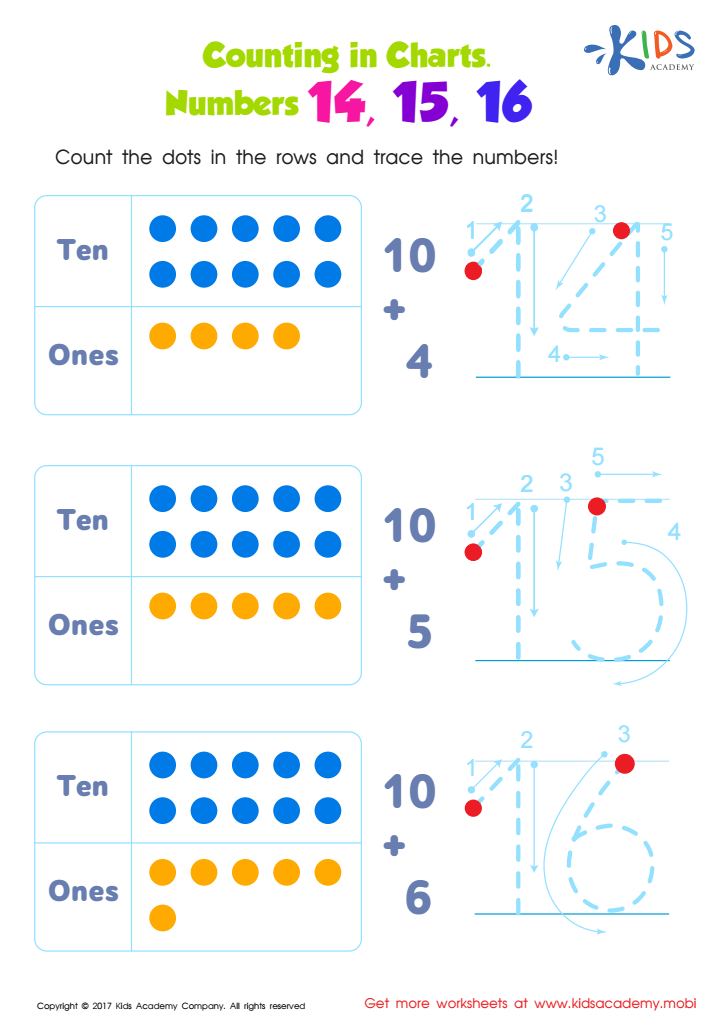
Number Tracing Worksheet








Understanding number sequences is crucial for children aged 3-7 as it lays the foundation for their mathematical skills. At this formative stage, children begin to grasp the concepts of counting, number recognition, and the relationships between numbers. A strong grasp of number sequences enables them to understand patterns and develop critical problem-solving skills.
Parents and teachers play a significant role in nurturing this understanding. By introducing children to sequencing through fun activities—like songs, games, or storytelling—they encourage cognitive development and enhance memory retention. Mastery of number sequences builds confidence, enabling children to tackle more complex mathematical concepts as they grow.
Moreover, this understanding facilitates everyday skills such as telling time, understanding quantities, and making sense of measurements. It also supports skills that are transferable across subjects, particularly in reading where sequences take the form of narrative structures.
Understanding number sequences not only strengthens academic abilities but also lays the groundwork for lifelong learning. By fostering this understanding, parents and teachers equip children with the essential skills necessary for success in school and beyond. Ultimately, a solid foundation in number sequences promotes an early positive attitude towards math, paving the way for future academic success.








