Visual learning stimulation Worksheets for Ages 3-7
4 filtered results
-
From - To
Unlock your child’s potential with our Visual Learning Stimulation Worksheets designed for ages 3-7. At Kids Academy, we provide engaging, interactive sheets that enhance critical visual skills such as pattern recognition, color discernment, and spatial awareness. These printables make learning fun and effective, offering brightly colored activities that capture young learners’ attention. Whether it’s identifying shapes or following sequences, our expertly crafted worksheets help build foundational skills essential for future academic success. Perfect for both classroom and home education, empower your child with tools that support visual learning and make mastering new concepts enjoyable. Explore and watch their confidence soar!
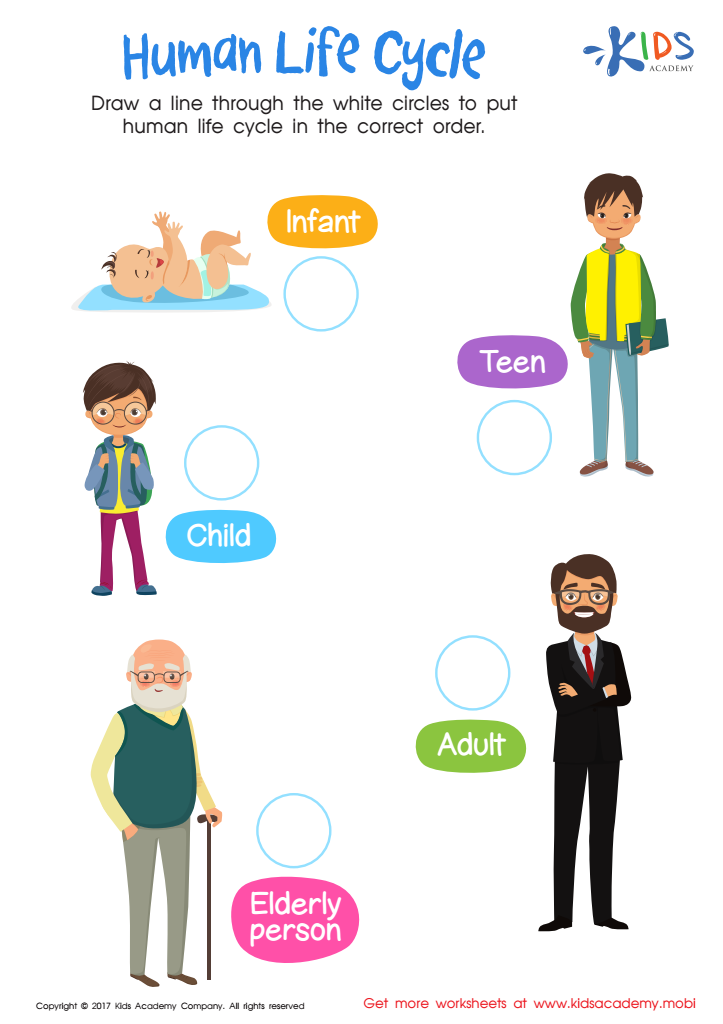
Human Life Cycle Worksheet
 Assign to My Students
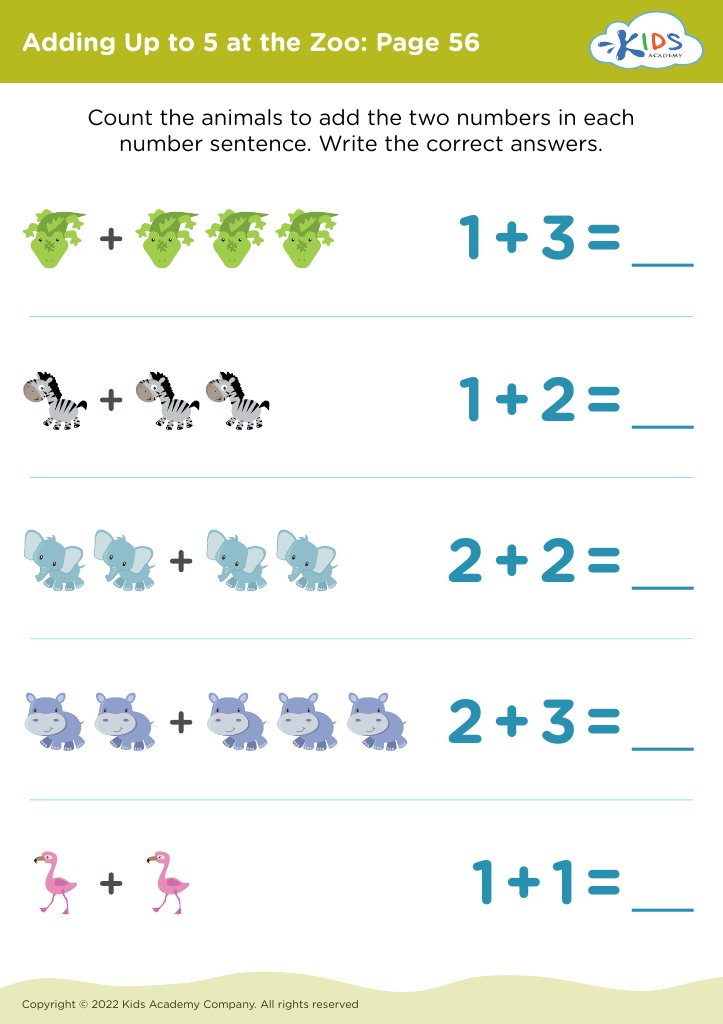
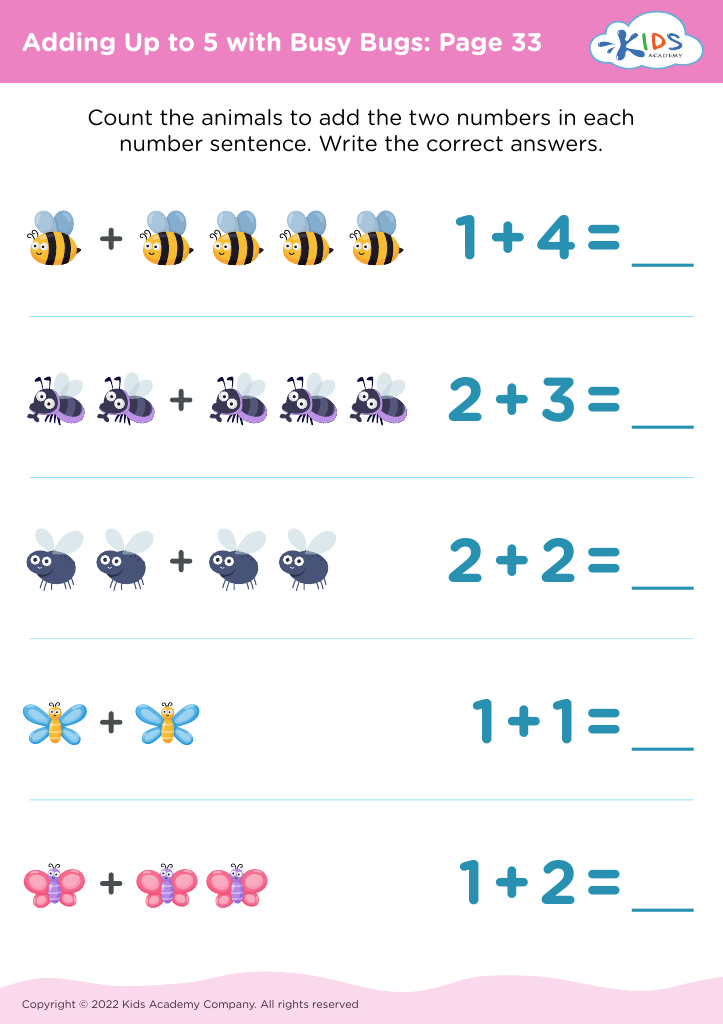
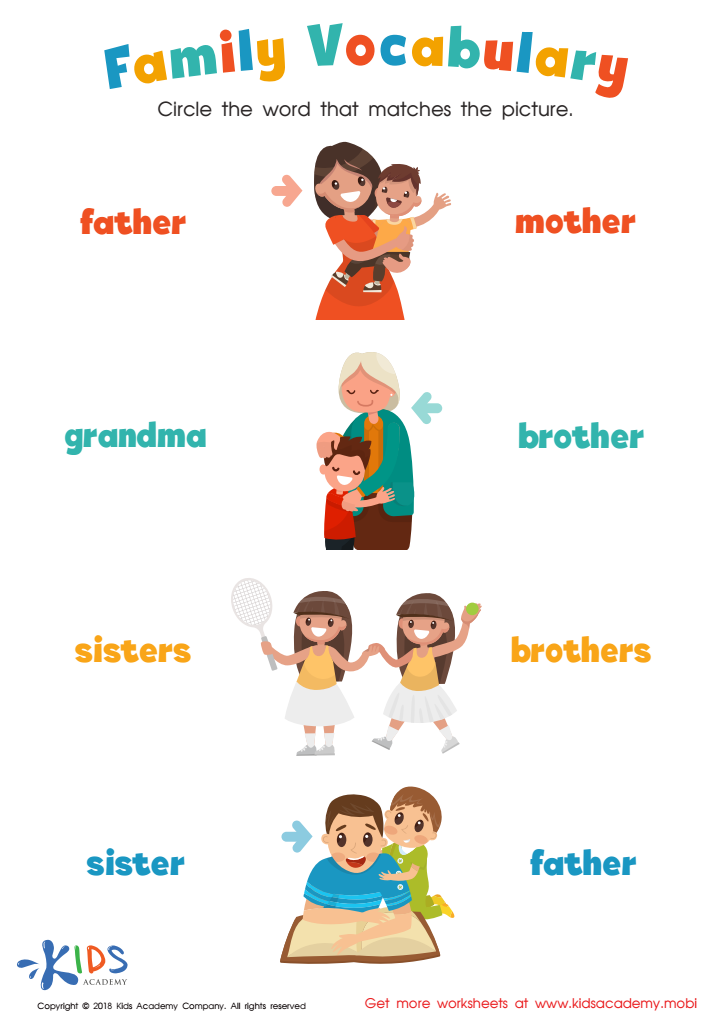
Family Vocabulary Worksheet






Visual learning stimulation is crucial for children aged 3-7 because it significantly enhances their cognitive, linguistic, social, and emotional development during these formative years. At this age, children's brains are highly receptive to visual input, making it a prime time for absorbing and processing new information. By incorporating visual elements such as images, colors, shapes, and spatial arrangements, parents and teachers can make learning more engaging and comprehensible.
For instance, visual aids like picture books, flashcards, and educational videos can help kids understand concepts that might be too abstract when conveyed through words alone. Visual learning also supports the development of literacy skills; children learn to associate words with images, advancing their vocabulary and comprehension. Additionally, it nurtures creativity and imagination, encouraging children to express themselves and solve problems in innovative ways.
Furthermore, visual learning can cater to different learning styles and needs, making education more inclusive. It helps in maintaining attention and focus, which are essential for effective learning at a young age. Overall, by prioritizing visual learning stimulation, parents and teachers can create a rich, dynamic educational environment that lays a strong foundation for a child's future academic and personal success.








