Hand-eye Coordination Mazes Worksheets for Ages 3-7
3 filtered results
-
From - To
Strengthen your child's hand-eye coordination with our engaging Mazes Worksheets designed for ages 3-7! These fun, printable activities offer vibrant illustrations and easy-to-follow paths that challenge young learners while enhancing their fine motor skills. As children navigate through various mazes, they develop crucial cognitive abilities, including problem-solving and spatial awareness. Ideal for home or classroom use, these worksheets provide a hands-on approach to learning that keeps kids entertained and motivated. Perfect for preschoolers and kindergartners, our hand-eye coordination mazes offer a delightful blend of play and education, ensuring children stay excited about their developmental journey. Start exploring today!
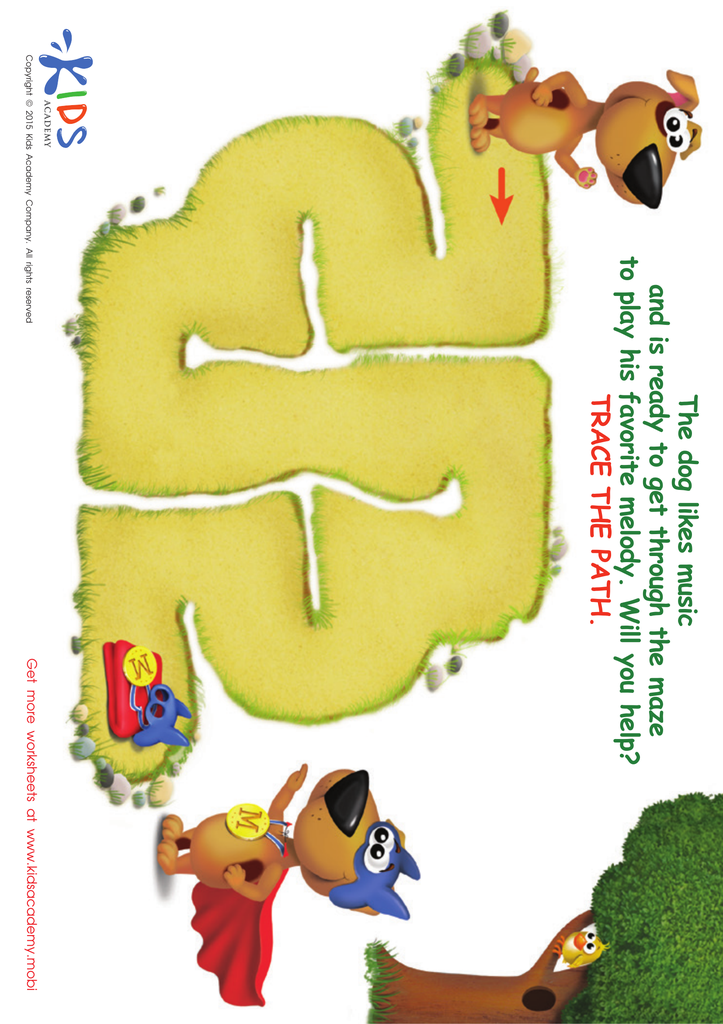
Superman Maze Worksheet
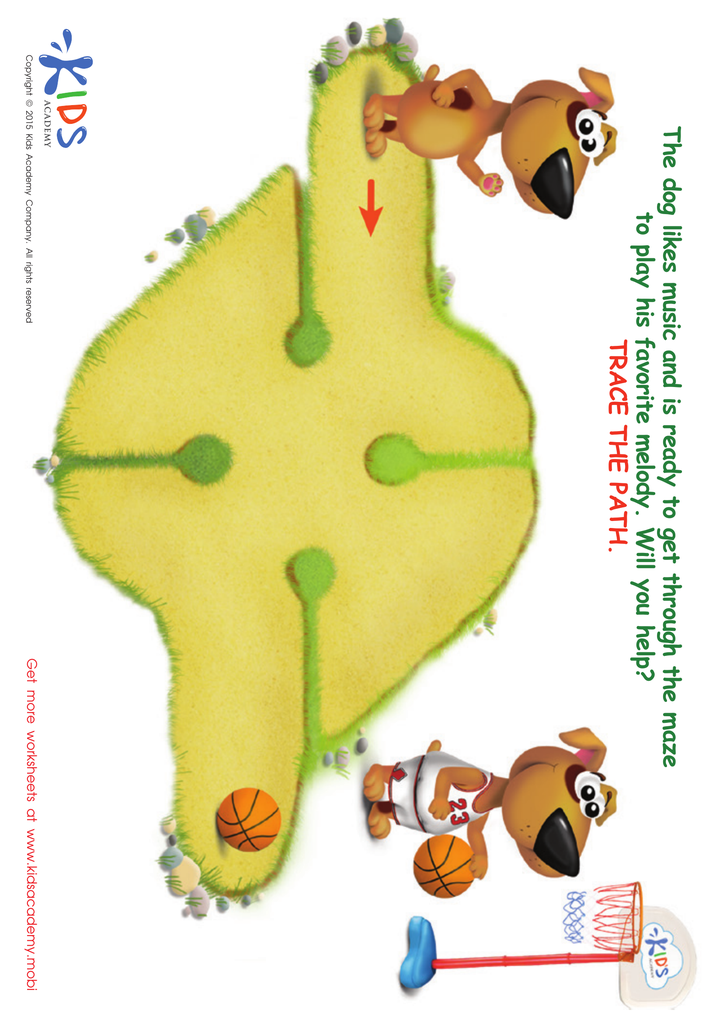
Basketball Player Maze Worksheet
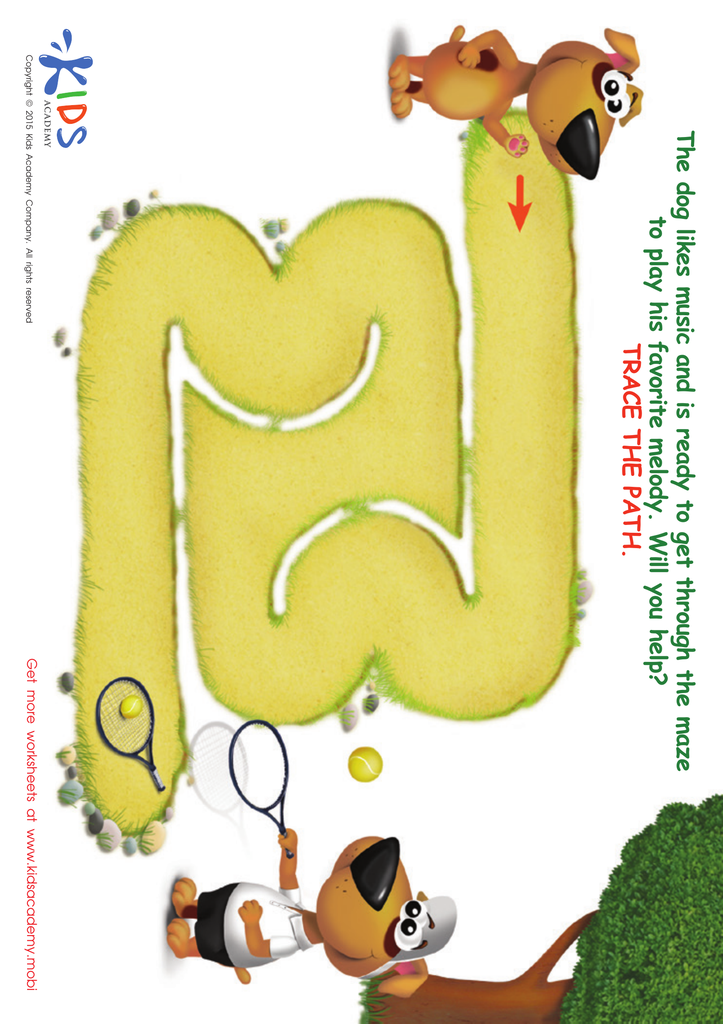
Tennis Player Maze Worksheet


Hand-eye coordination mazes are vital tools for children aged 3-7, as they play a significant role in developing essential motor skills, cognitive abilities, and problem-solving strategies. For parents and teachers, fostering these skills contributes to overall child development and preparedness for future learning experiences.
Engaging with mazes helps improve fine motor skills, as children manipulate crayons or pencils to navigate their path. This practice strengthens hand muscles and refines control, which are critical for more advanced writing tasks in later grades. Additionally, mazes encourage concentration and perseverance, teaching children to focus on a task and overcome challenges when they encounter a wrong turn.
Solving hand-eye coordination mazes also promotes spatial awareness and cognitive development. Children learn to visualize movements, which aids in understanding concepts like direction, distance, and patterns. These abilities have broad applications beyond mazes, influencing skills in both academic and daily life contexts.
Ultimately, by prioritizing hand-eye coordination mazes, parents and teachers provide an engaging and educational tool that supports holistic development. Encouraging children to explore these activities cultivates a sense of achievement and confidence, laying a strong foundation for their future learning journeys.








