Understanding Quantities Adding in the Forest Worksheets for Ages 3-7
6 filtered results
-
From - To
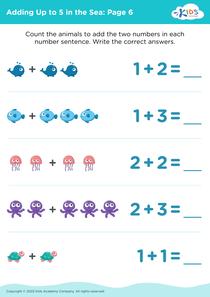
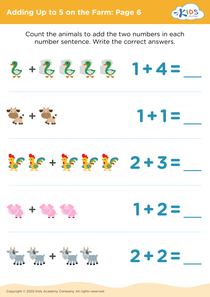
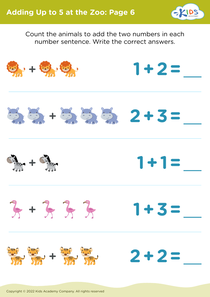
Explore the "Understanding Quantities: Adding in the Forest Worksheets" designed for children ages 3-7. These engaging worksheets are perfect for introducing young learners to basic addition concepts through fun, nature-themed activities. Students will discover how to compare and group quantities in an enchanting forest setting, making math both exciting and interactive. Each worksheet promotes visual learning and critical thinking, allowing children to practice adding in a hands-on way. Ideal for parents and educators, these resources aim to build a strong foundation in arithmetic while fostering a love for learning. Download the worksheets today and ignite your child's mathematical journey!
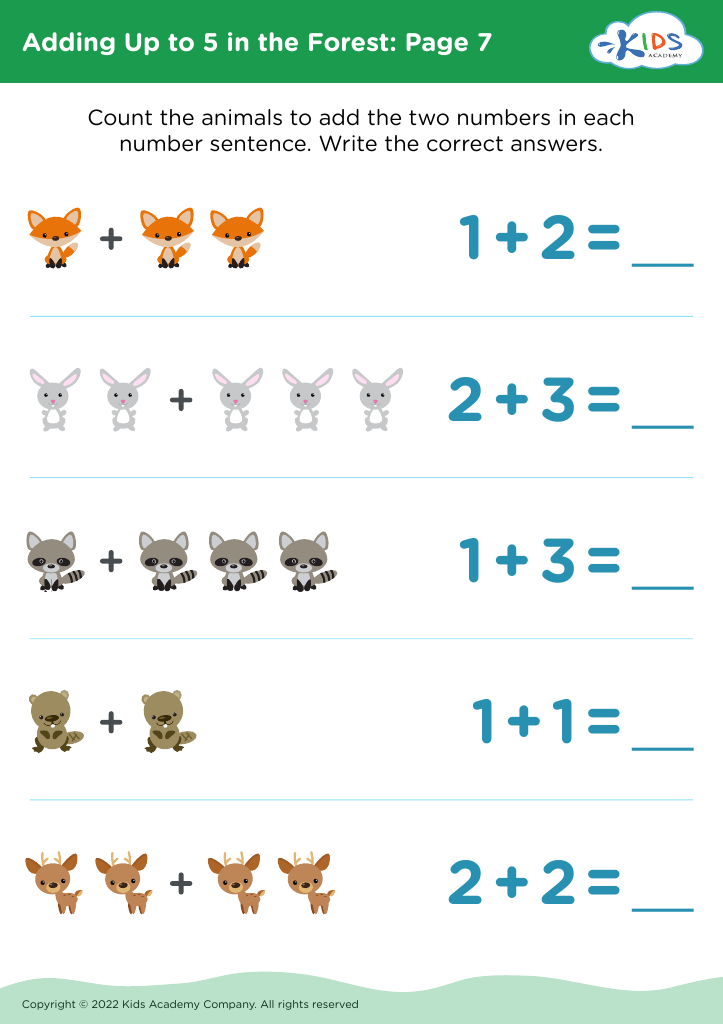
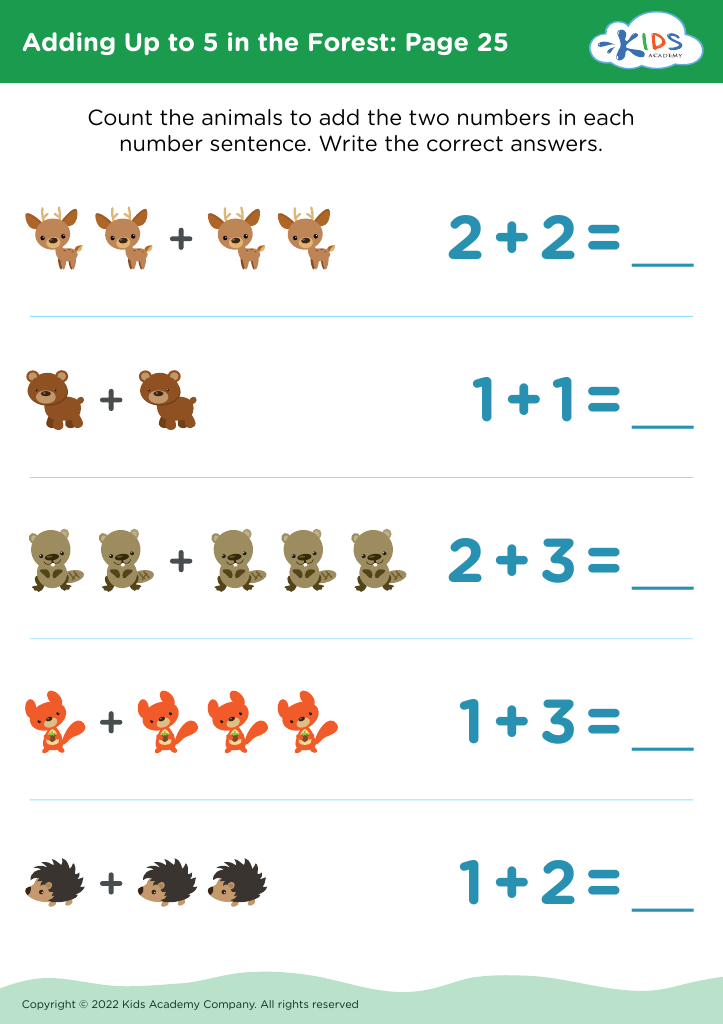
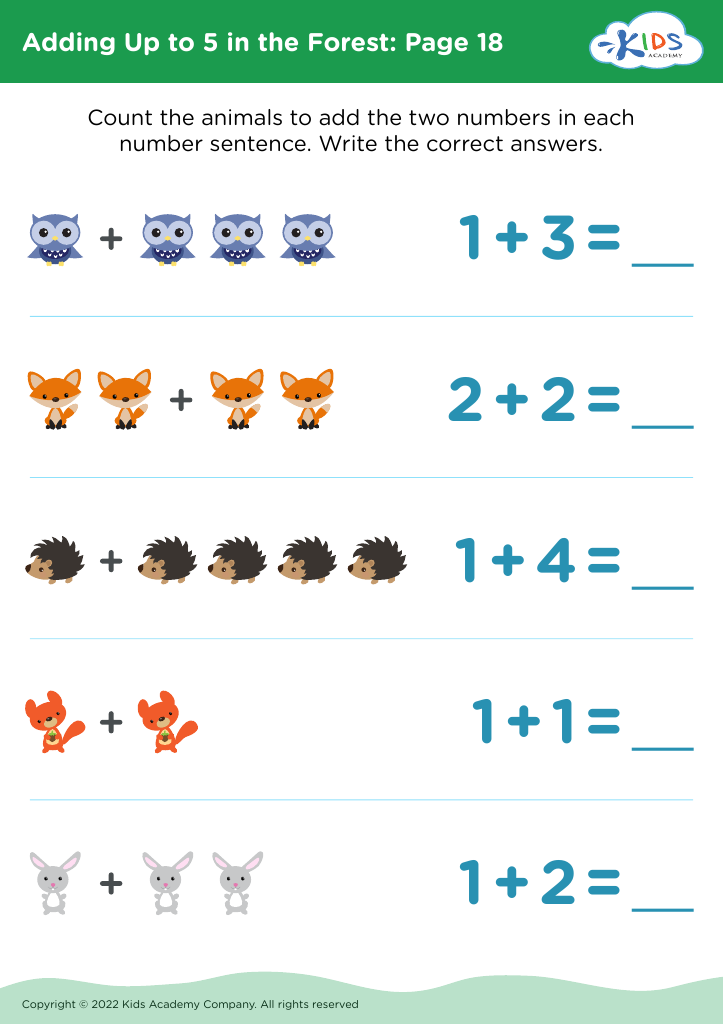
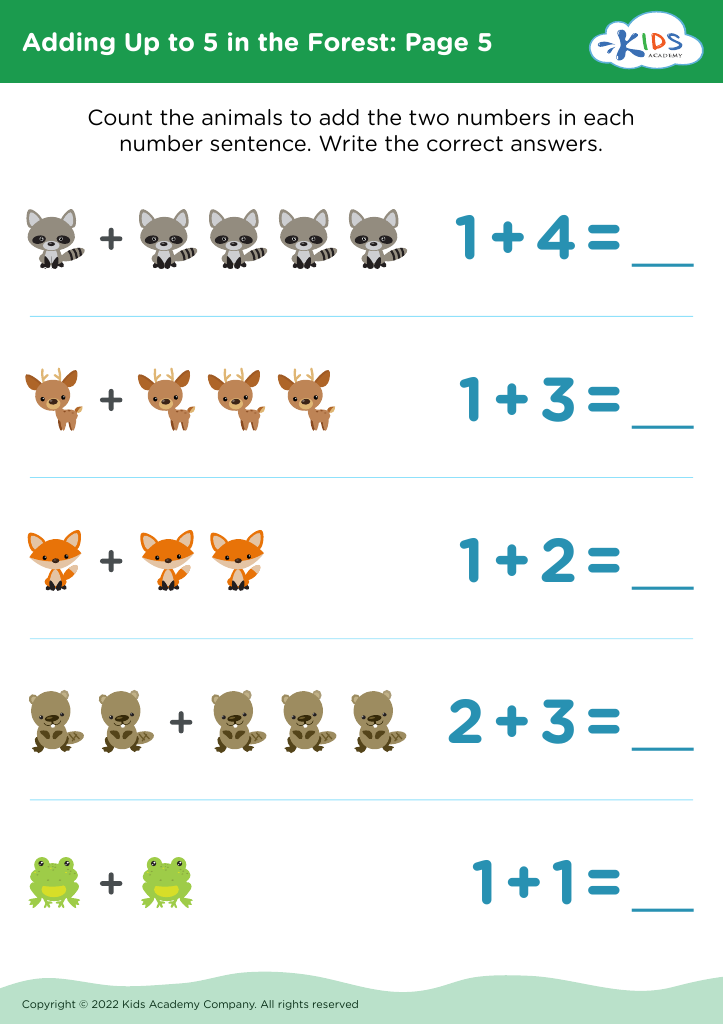
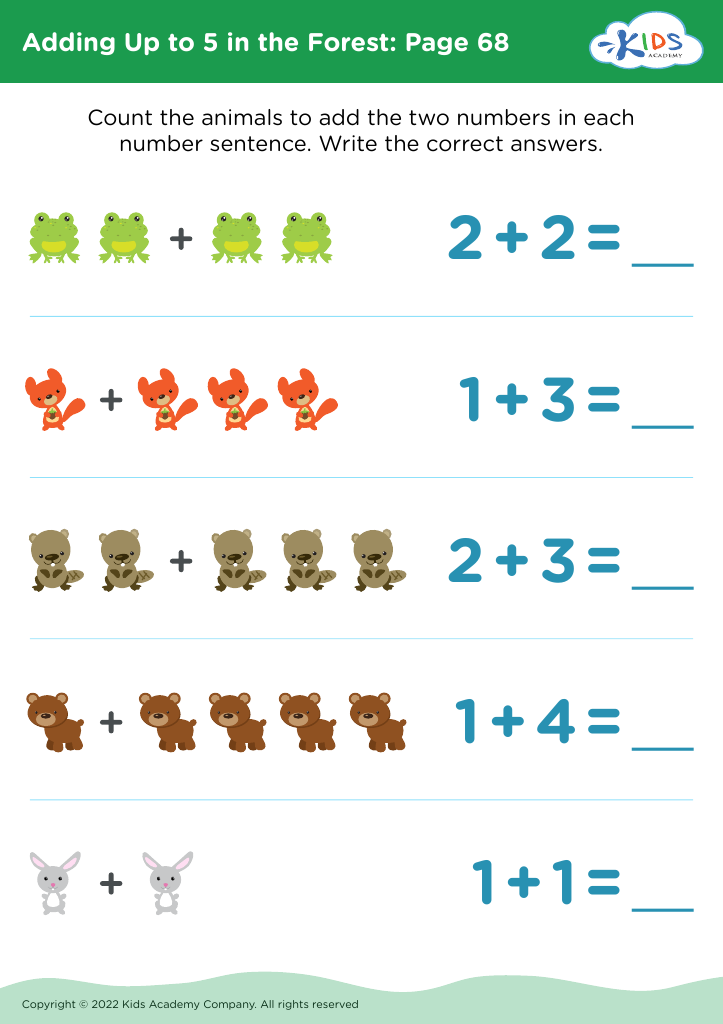
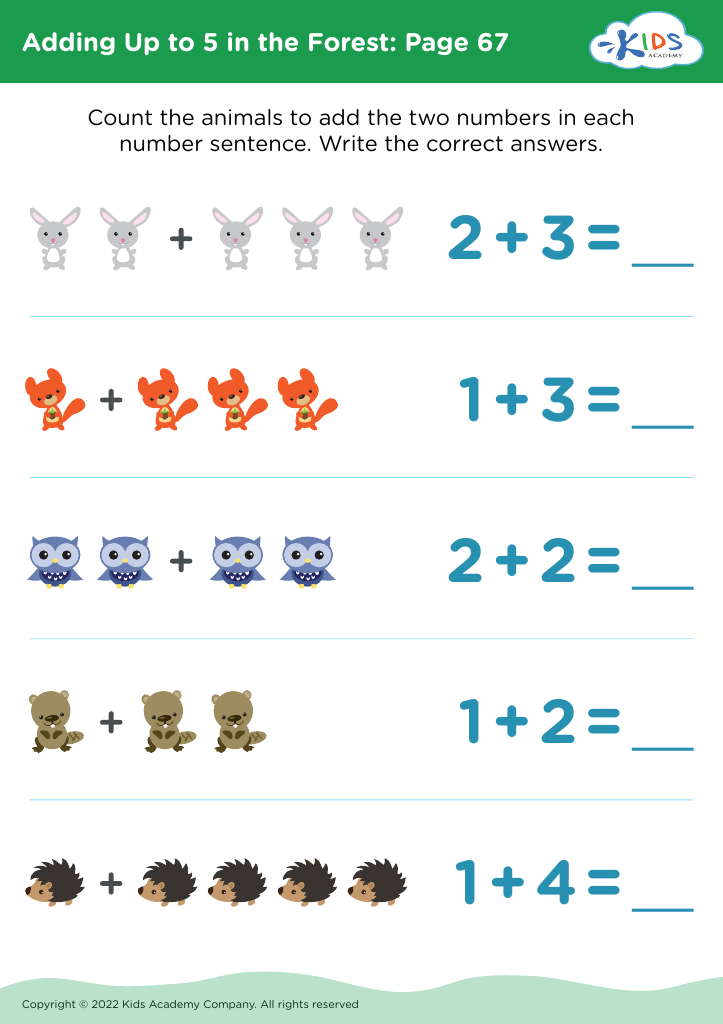



Understanding quantities and the concept of adding is fundamental for children aged 3-7, especially when taught through engaging activities like "Adding in the Forest." Parents and teachers should care about this to foster not only mathematical skills but also critical thinking, problem-solving, and cognitive development.
At this age, children are naturally curious and learn best through experiential, hands-on activities. "Adding in the Forest" can involve counting natural items, like leaves or stones, and creating simple addition problems using those items. This method makes learning relevant and fun while enhancing their spatial awareness and observation skills.
Additionally, engaging with numbers while surrounded by nature improves concentration and memory. It promotes open-ended exploration, where children can make connections between the math they’re learning and the world around them.
Moreover, early mathematical skills lay the foundation for future academic success. Learning to add and understand quantities helps children develop confidence in their abilities and reduces math anxiety in later years. With parents and teachers collaboratively fostering a positive learning environment, children will not only grasp essential math concepts but also develop an enduring love for learning and discovery in both math and their natural surroundings.