Mathematical reasoning Addition Facts Worksheets for Ages 3-7
4 filtered results
-
From - To
Explore our engaging and educational Mathematical Reasoning Addition Facts Worksheets designed specifically for children aged 3-7. These worksheets provide a fun and interactive way for young learners to develop essential addition skills through various activities, puzzles, and games. Each worksheet encourages critical thinking and problem-solving, fostering a deeper understanding of mathematical concepts. With colorful illustrations and age-appropriate challenges, your child will build confidence in their mathematical abilities while mastering addition facts. Perfect for home or classroom use, these worksheets support early math education and help children lay a strong foundation for future learning. Start their math journey today!
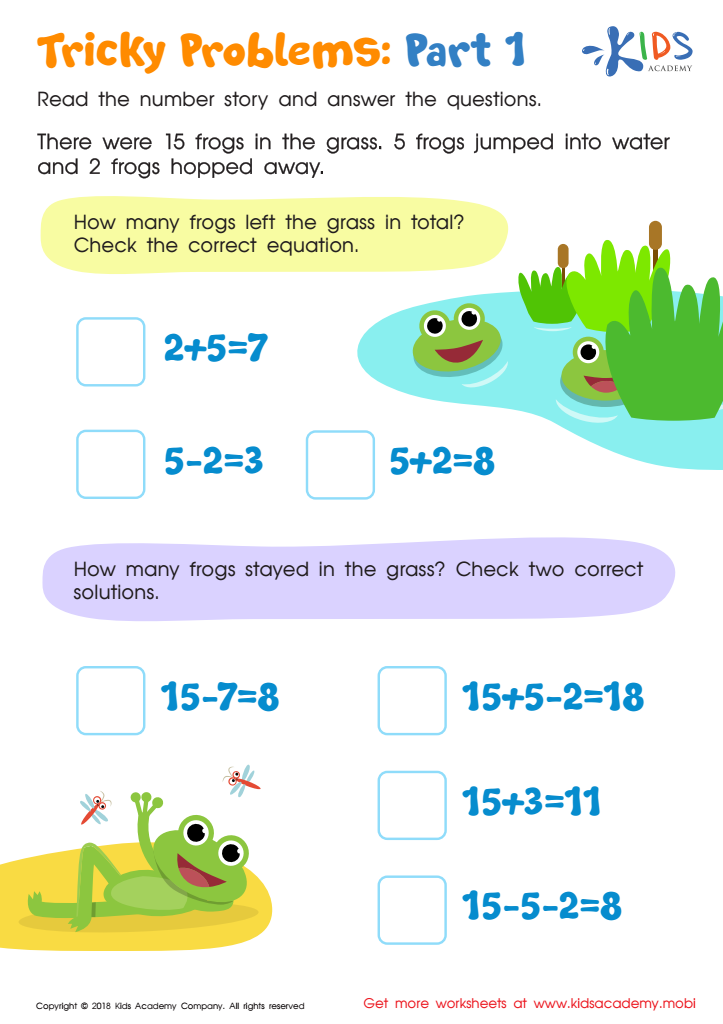
Tricky Problems Worksheet: Part 1
 Assign to My Students
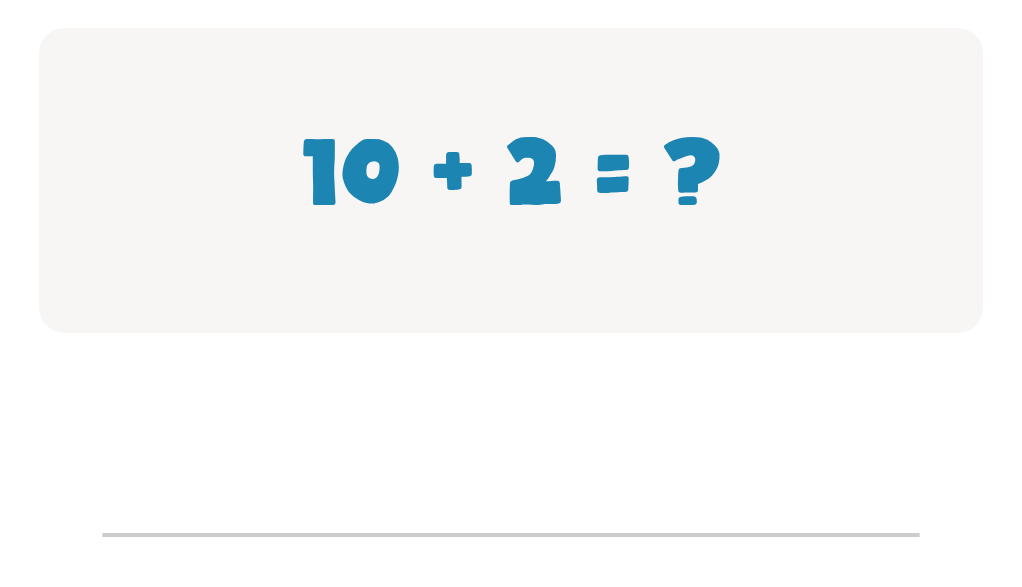

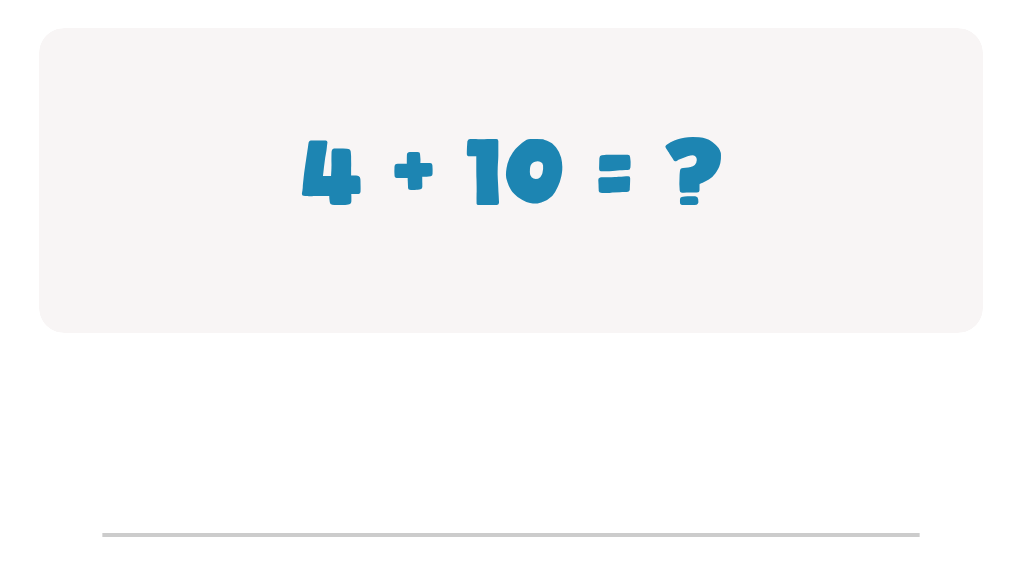
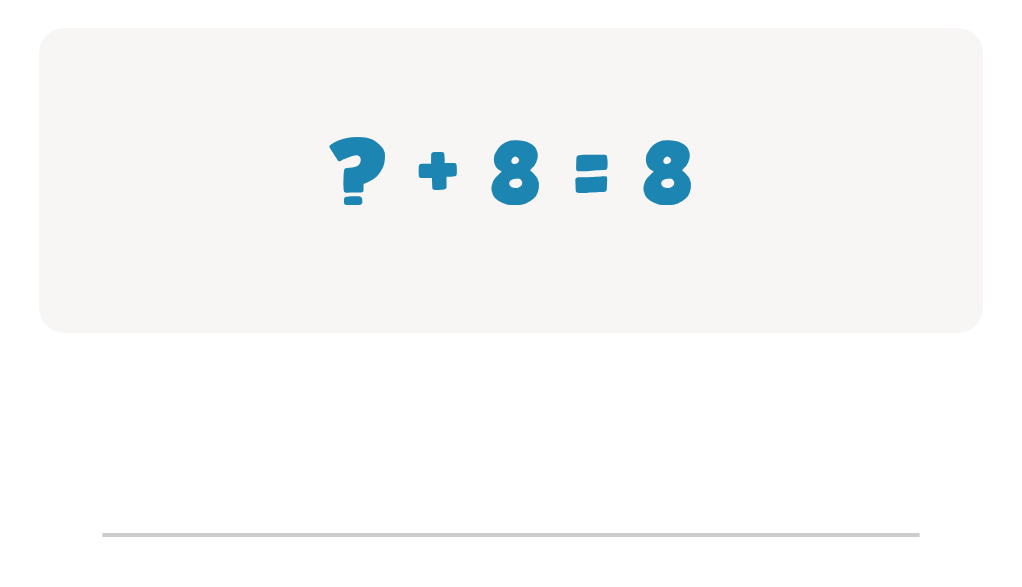

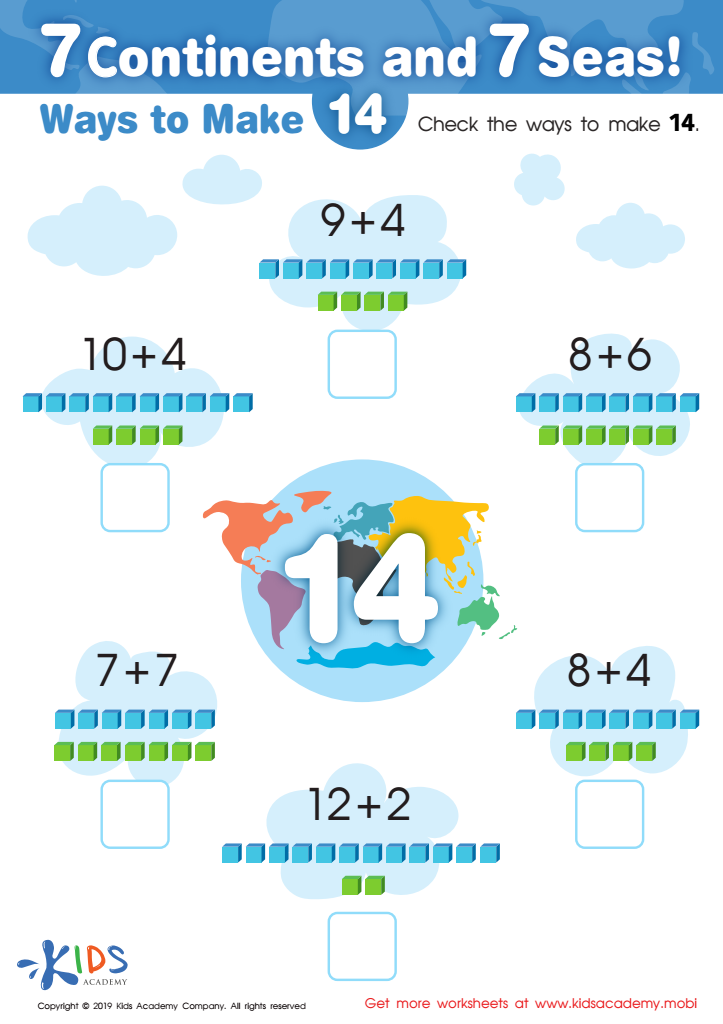
7 Continents and 7 Seas Worksheet
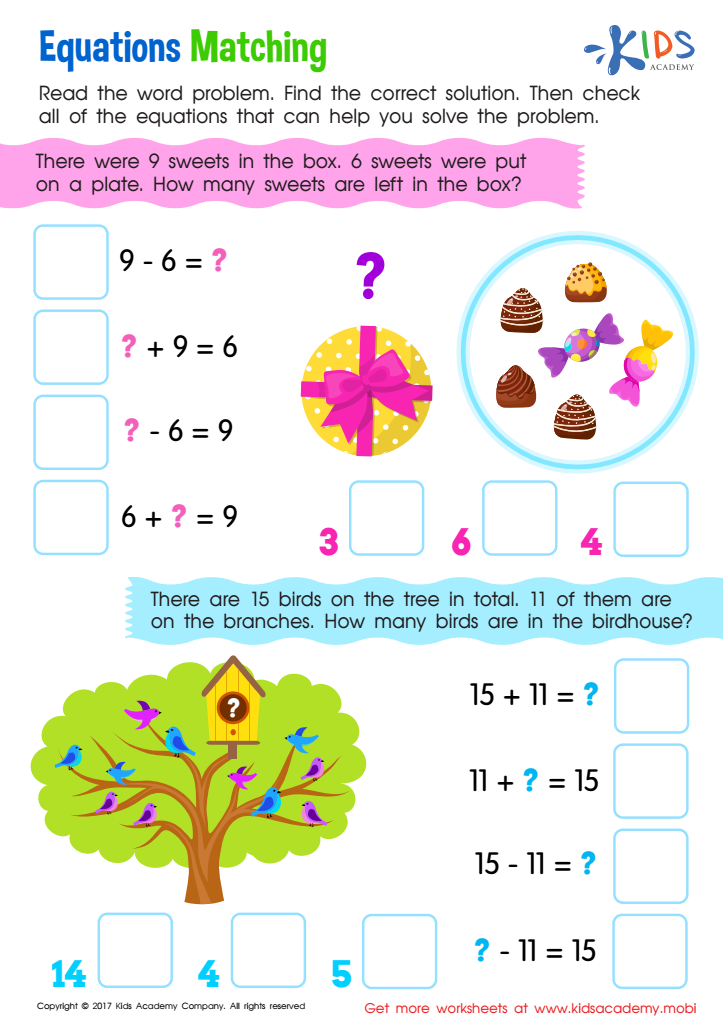
Equations Matching Word Problems Worksheet
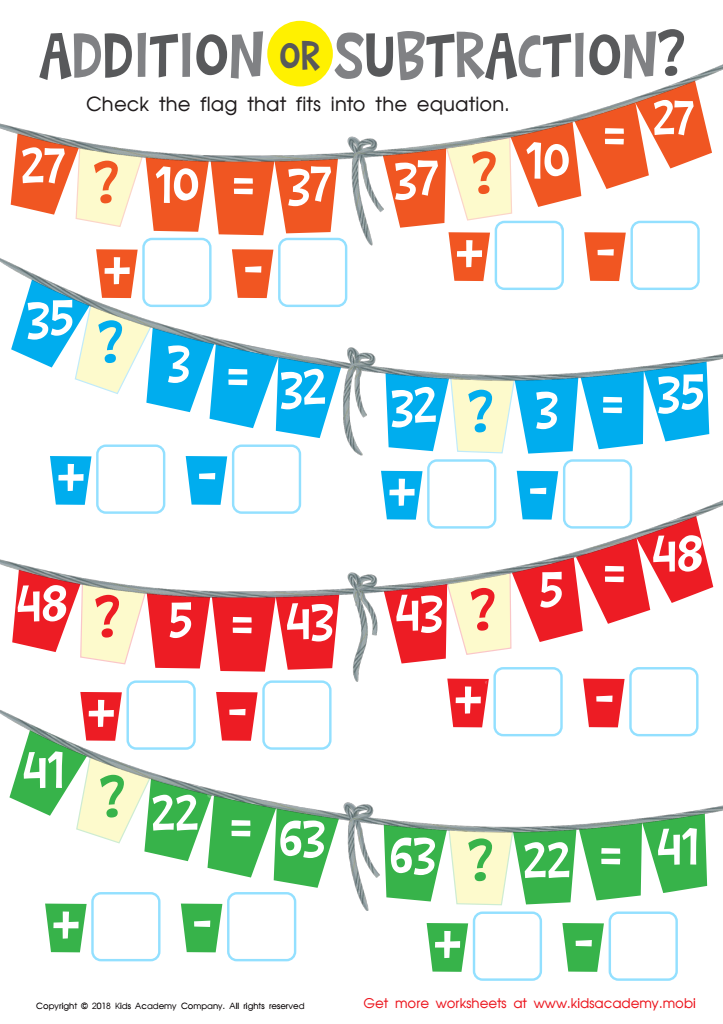
Addition or Subtraction? Worksheet








Mathematical reasoning, specifically addition facts for ages 3-7, is vital for early childhood development and lays the foundation for future learning. At this stage, children begin to see numbers as symbols representing quantities, which is crucial for developing number sense. Understanding addition fosters cognitive skills, such as problem-solving, critical thinking, and logical reasoning.
When parents and teachers emphasize mathematical reasoning for addition, they help children make connections between numbers and real-life situations, enhancing their learning experience. Mastering addition facts encourages fluency, enabling children to perform calculations faster and with more confidence, which is essential for tackling more complex mathematical concepts later on.
Additionally, early mastery of addition helps children develop perseverance and resilience as they learn through trial and error. This process nurtures a positive attitude towards mathematics, reducing anxiety and fostering a lifelong appreciation for the subject.
Furthermore, by engaging in addition activities at home or in the classroom, parents and teachers create opportunities for bonding and communal learning, enhancing social skills. Ultimately, prioritizing mathematical reasoning in addition for young learners cultivates a strong foundation for not only math skills but also overall academic success.








