Compare fractions Addition & Subtraction Worksheets for Ages 3-7
5 filtered results
-
From - To
Our "Compare Fractions: Addition & Subtraction Worksheets" are designed for young learners aged 3-7, blending fun with educational content. These engaging worksheets help children understand how to compare fractions and perform addition and subtraction with fractions through colorful exercises and interactive activities. Tailored to enhance early math skills, they gradually guide kids from basic concepts to more challenging problems, ensuring a strong foundation in fractions. Perfect for classroom or home use, these printable worksheets encourage independent learning while providing essential practice for mastering fraction comparisons, fostering confidence in young mathematicians. Unlock the joy of learning fractions today!
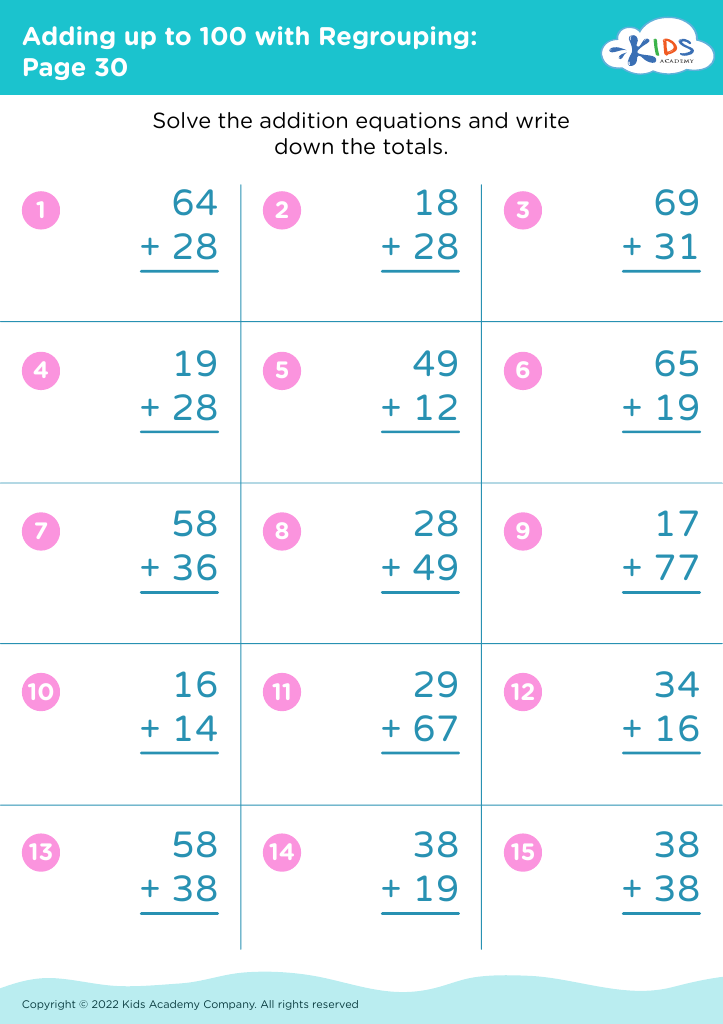
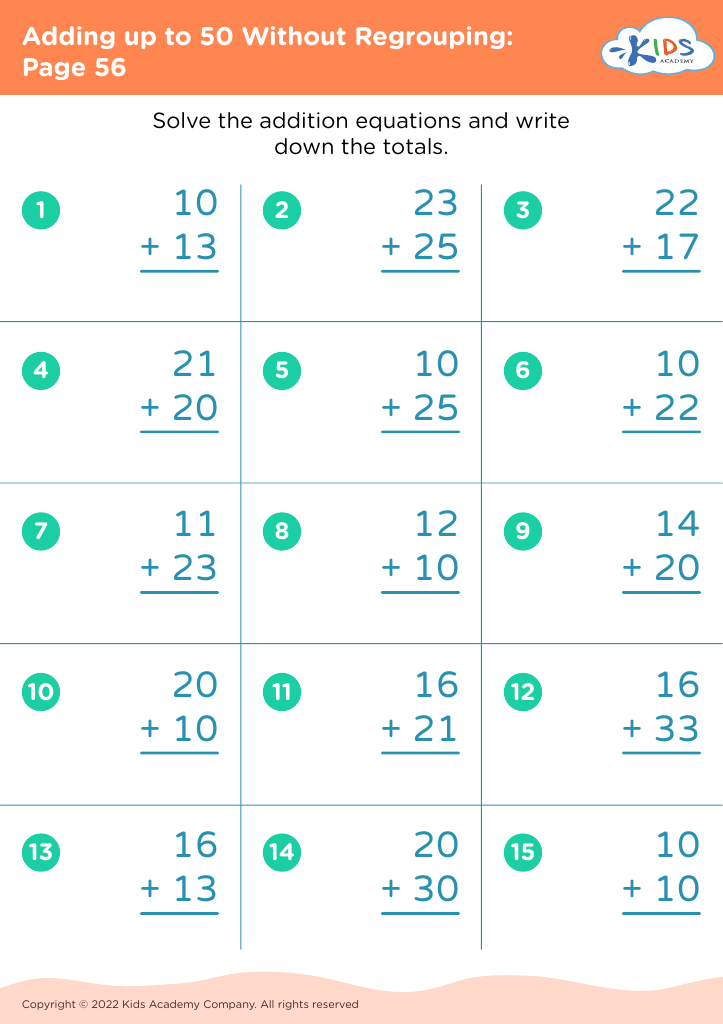
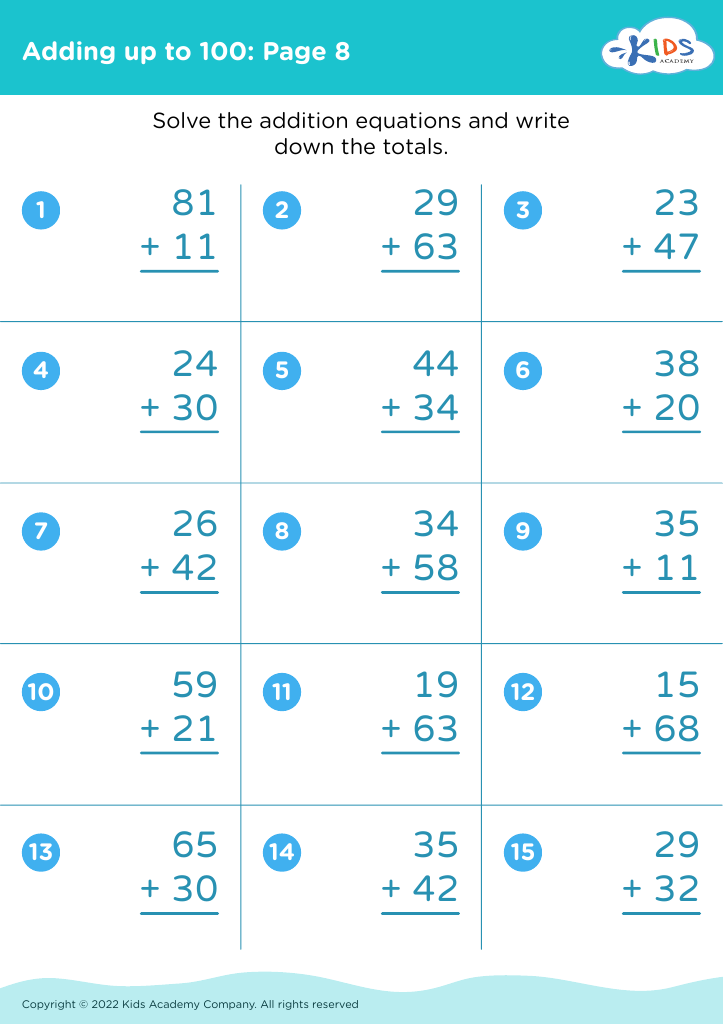
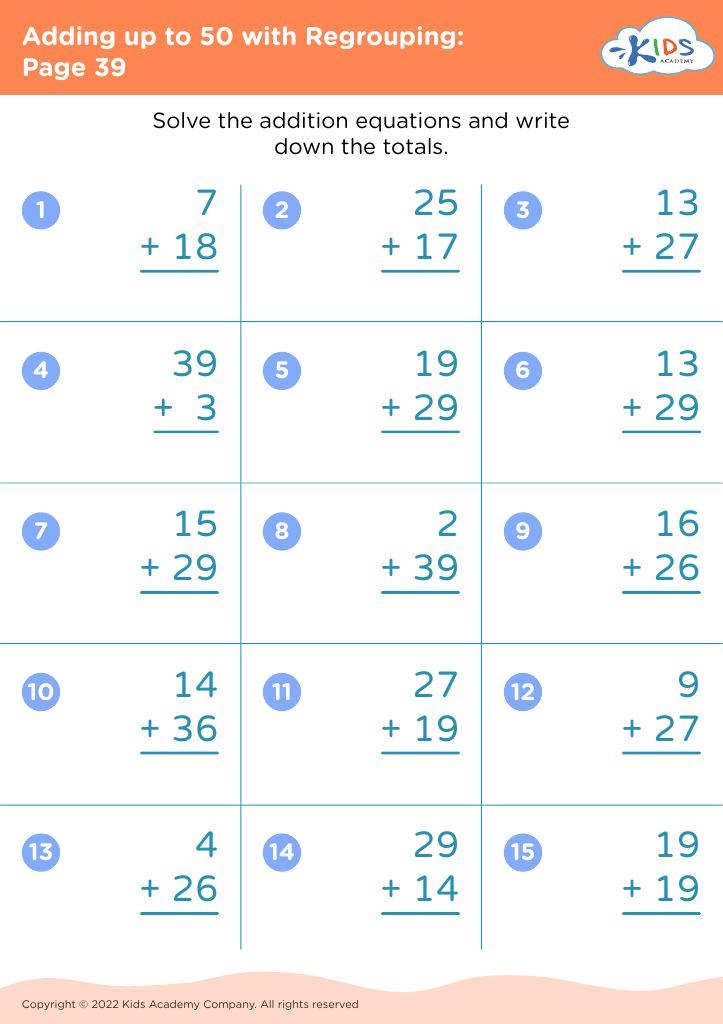
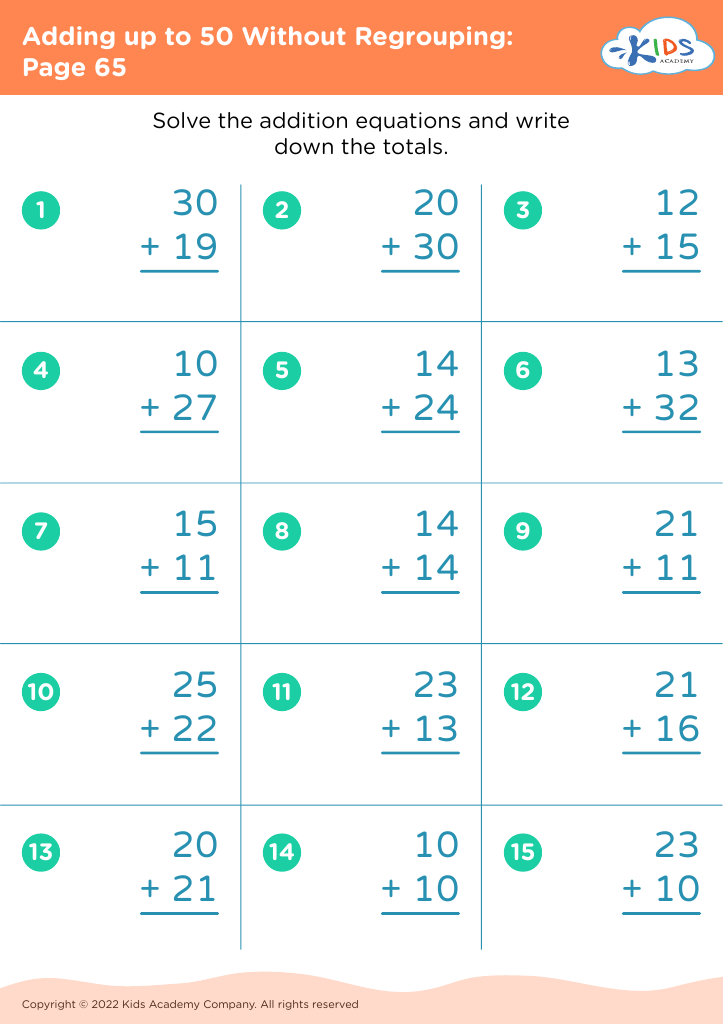








Introducing young children to concepts like comparing fractions, addition, and subtraction is crucial for their foundational mathematical understanding. For ages 3-7, these early lessons help build a strong number sense, which is the basis for all future math learning. Understanding fractions teaches children how to think about quantities and parts of a whole, making them more adept at visualizing complex numbers as they grow older.
Addition and subtraction are fundamental operations that children need to grasp to succeed in more advanced arithmetic and problem-solving scenarios. These skills are not isolated; they are used in everyday life situations, such as dividing toys among friends or understanding the concept of time and money.
When young learners engage with these concepts early on, it can enhance their confidence and curiosity towards mathematics. It lays a proactive foundation, making future math lessons less daunting and more intuitive.
Teachers and parents play a critical role by presenting these concepts in a fun, engaging way— through interactive games, manipulatives, and real-life examples. This support steers children toward a positive relationship with math, ensuring they develop the skills necessary to understand our mathematically-driven world. Fostering these early math skills encourages patience, concentration, and logical thinking, all of which are essential traits for lifelong learning.








