
Fraction Addition Addition & Subtraction Worksheets for Ages 3-7
14 filtered results
Difficulty Level
Grade
Age
-
From - To
Subject
Activity
Standards
Welcome to our engaging and interactive worksheet collection focused on fraction addition and subtraction for children aged 3-7! Our user-friendly worksheets are designed to introduce young learners to essential math concepts in a fun and accessible way. With colorful visuals and age-appropriate challenges, kids can explore fraction skills while building a strong foundation in arithmetic. Each worksheet encourages problem-solving and helps develop critical thinking. Perfect for home or classroom use, these resources empower teachers and parents to support children's math journey, making learning enjoyable. Dive into the world of fractions with our specially designed activities to inspire a love for math!
Favorites
With answer key
Interactive
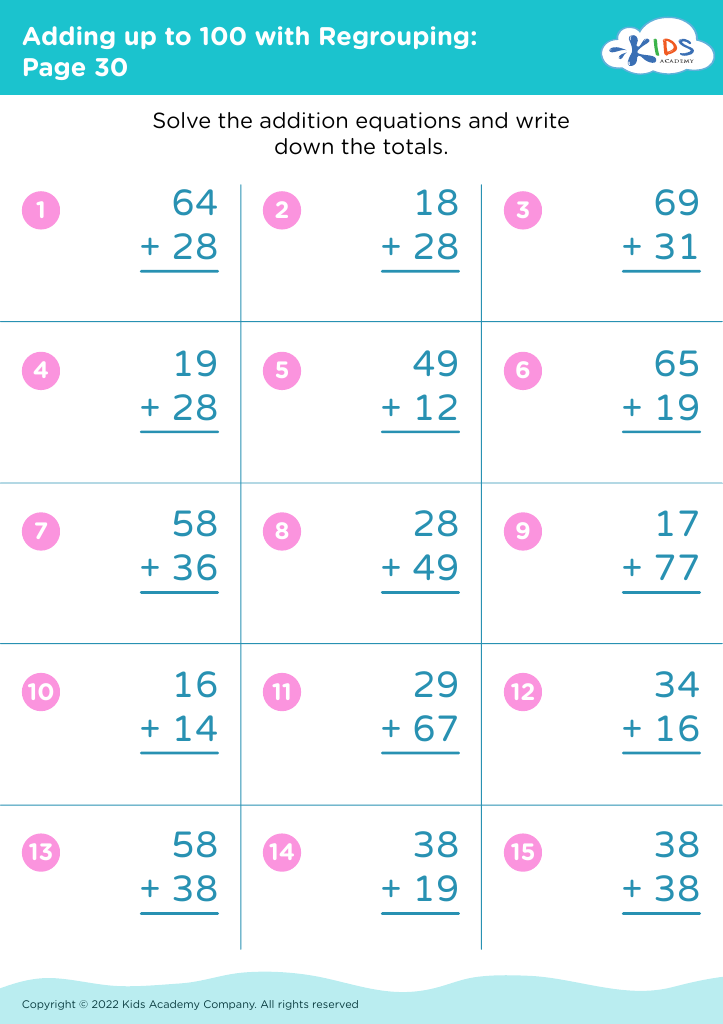
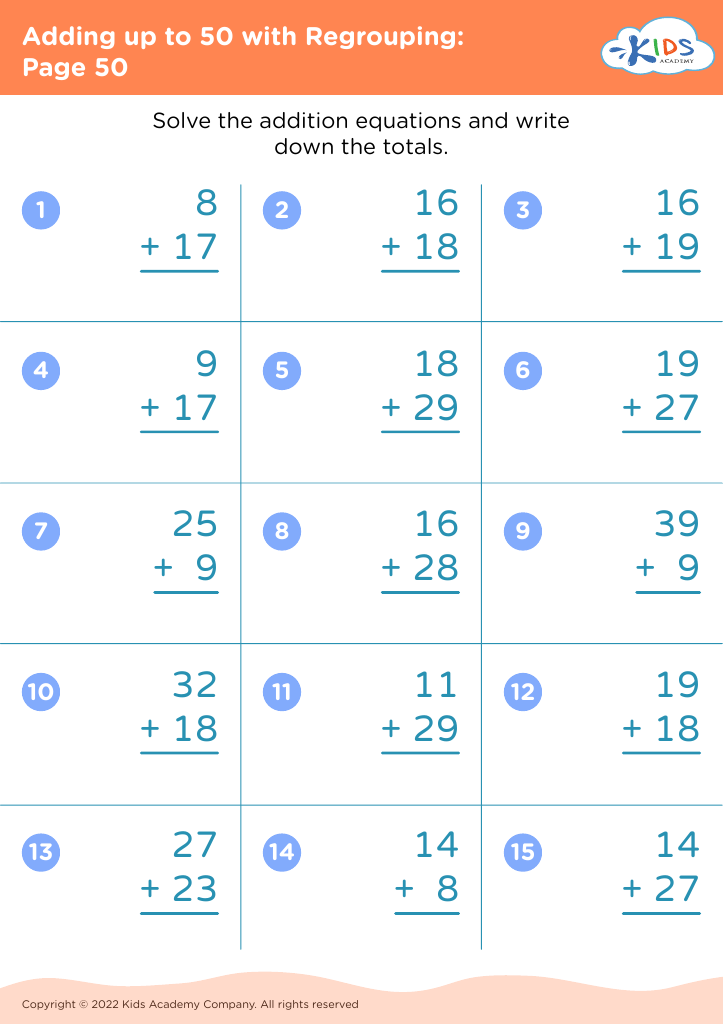
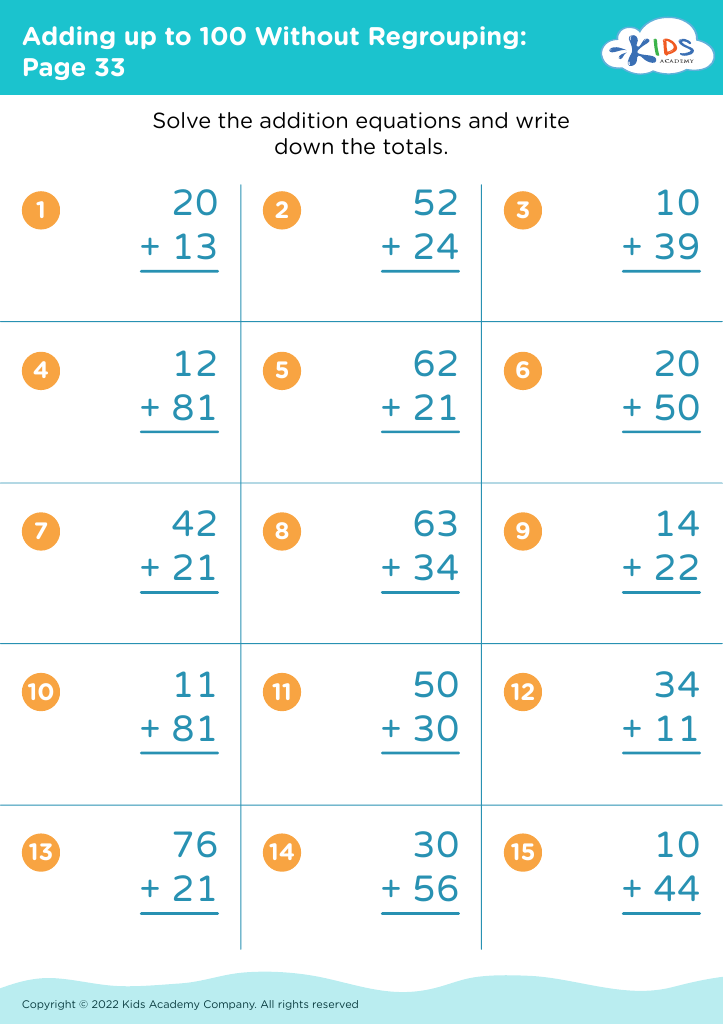
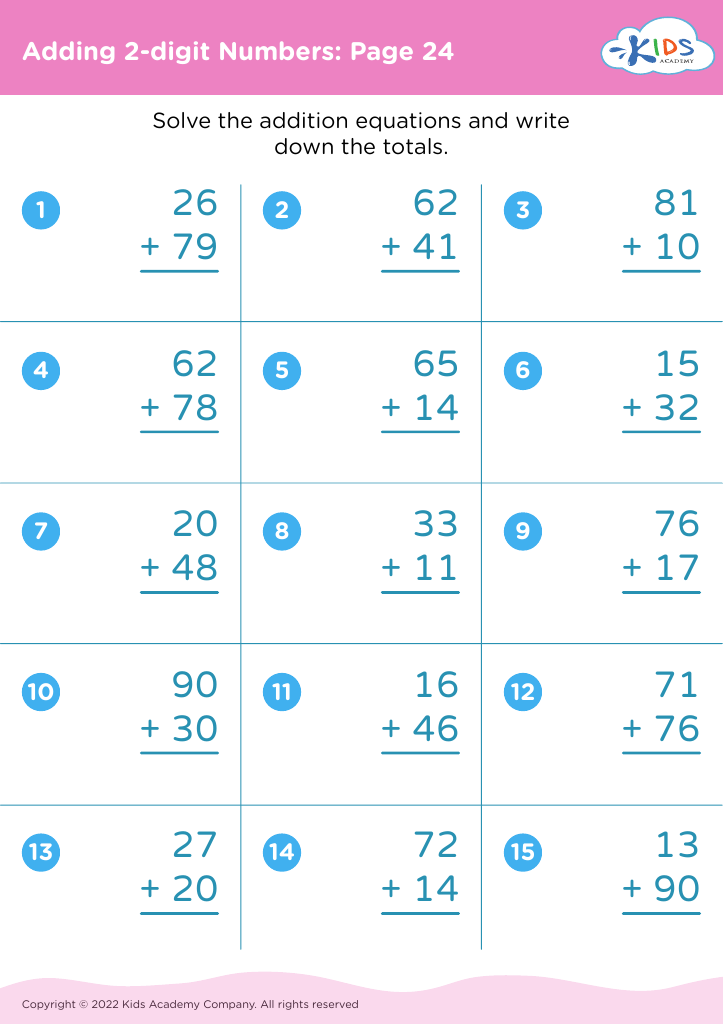
Join Kids Academy for Free
Who is primarily going to use this learning content?








Understanding fraction addition and subtraction is crucial for children aged 3-7 because it lays the foundation for their future math skills and critical thinking. Early math experiences shape attitudes toward learning and build confidence. Introducing fractions at a young age through practical activities, such as sharing pizza or dividing fruit, makes the concepts relatable and enjoyable. Not only do these activities enhance problem-solving skills, but they also foster cooperation and communication among peers.
Moreover, fraction concepts are pervasive in everyday life. By grasping them early, children can better handle situations involving sharing, measuring, and cooking as they grow. This understanding aids their development of number sense and reinforces their ability to recognize patterns and relationships in math.
For parents and teachers, engaging children in fraction activities promotes active learning, encourages curiosity, and provides an opportunity for bonding. Approaching math playfully at this age can demystify the subject, making kids more likely to engage positively in future math lessons. Building a strong foundation in fractions early on can significantly influence a child's academic trajectory, enhancing their overall success and enjoyment of learning. Hence, prioritizing fractions in early education is essential for developing lifelong skills and fostering a positive mindset towards mathematics.








