Fraction conversion Addition & Subtraction Worksheets for Ages 3-7
3 filtered results
-
From - To
Discover engaging Fraction Conversion Addition & Subtraction Worksheets designed specifically for children ages 3-7! These worksheets provide a fun, interactive way to introduce young learners to the essential concepts of fractions. Kids will develop their understanding of fraction addition and subtraction through colorful visuals and relatable examples. Each worksheet is crafted to build confidence and reinforce math skills in a playful environment, making learning enjoyable. Perfect for home or classroom use, our fraction conversion resources help children master foundational math concepts while fostering critical thinking. Start your child’s math journey today with our easy-to-follow, printable worksheets!
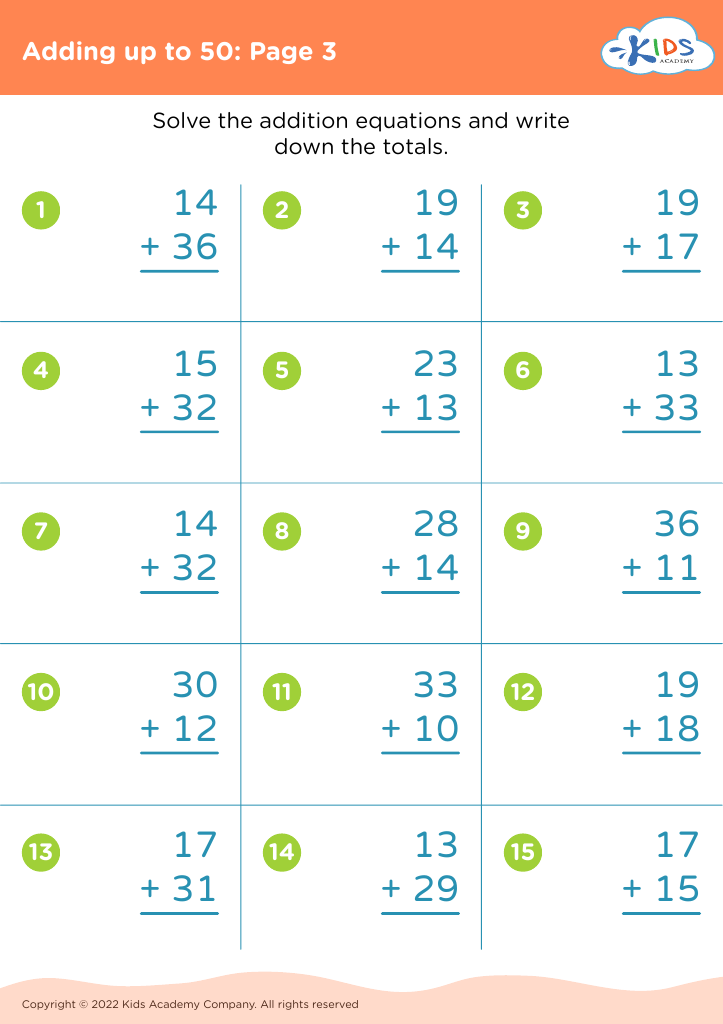
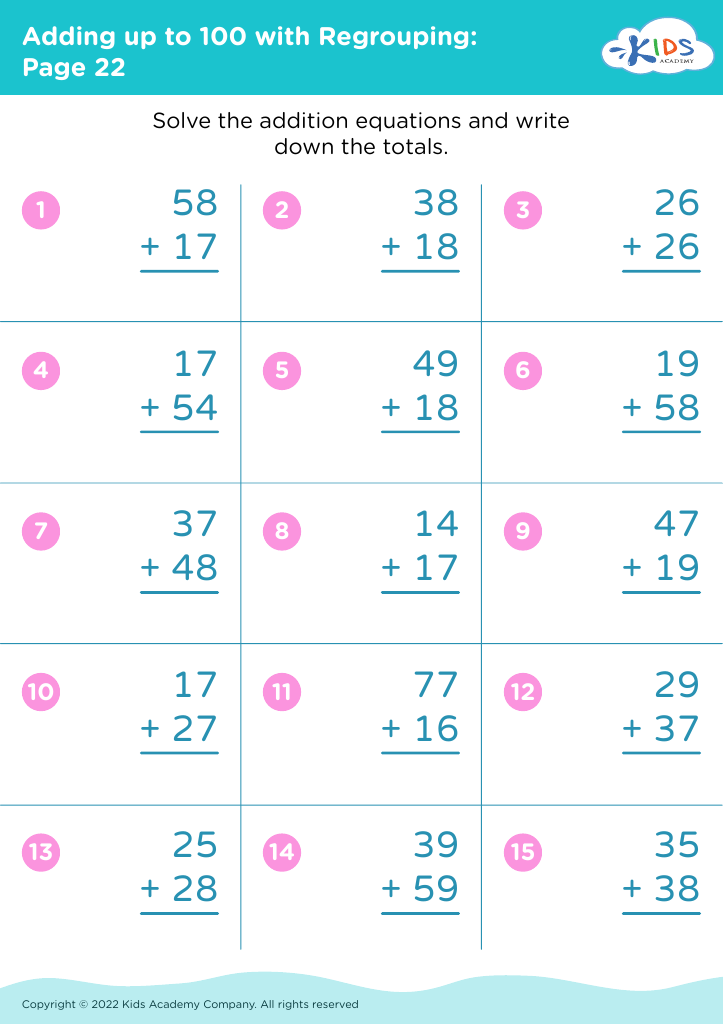
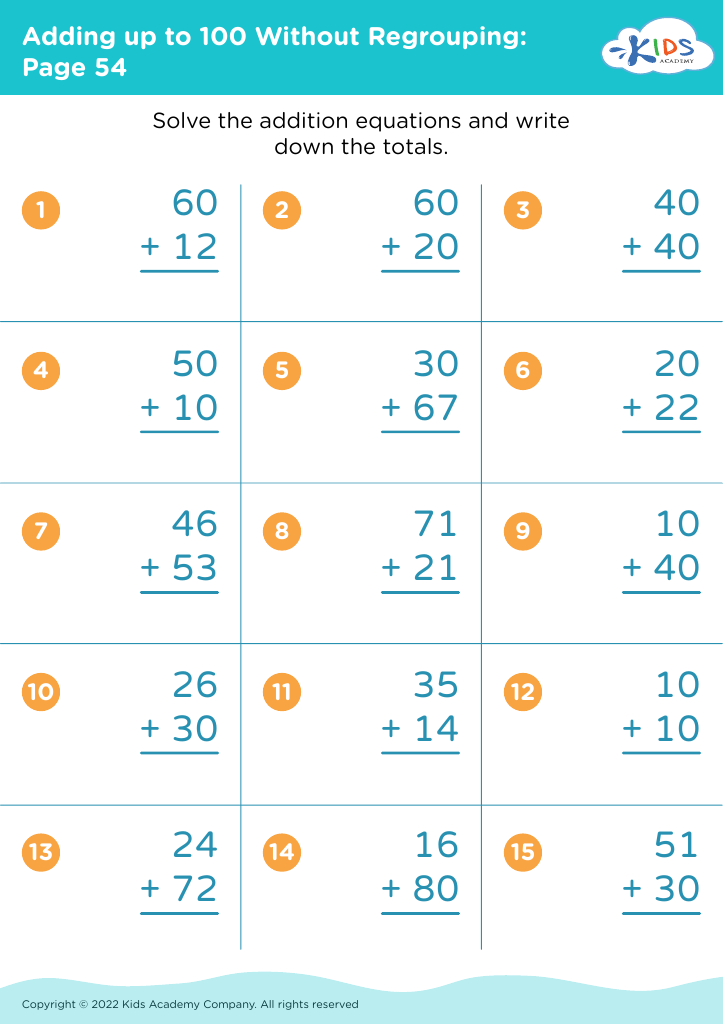








Fraction conversion, addition, and subtraction are fundamental math concepts that lay the groundwork for more advanced mathematical understanding in children ages 3-7. During these formative years, children develop critical cognitive skills, and introducing them to fractions promotes their ability to think abstractly and solve problems.
Understanding fractions helps children gain a grasp of parts-to-whole relationships, a key concept not only in mathematics but also in everyday life. Parents and teachers play an essential role in fostering this understanding. By teaching fractions early, adults can enrich children's language and numeracy skills and enhance their ability to compare quantities and recognize patterns.
Additionally, engaging children with hands-on activities such as cutting shapes or sharing food reinforces the concept of fractions in a tangible way, making learning enjoyable and relatable. This foundational knowledge boosts their confidence and prepares them for future mathematical challenges. When children build skills in fraction addition and subtraction, they are more likely to excel in more complex topics, ensuring a smoother academic journey. Thus, active involvement in teaching fractions can significantly impact a child's overall mathematical literacy, enabling them to tackle various subjects with ease and confidence as they progress through their educational path.








