
Number identification Addition & Subtraction Worksheets for Ages 3-7
5 filtered results
Difficulty Level
Grade
Age
-
From - To
Subject
Activity
Standards
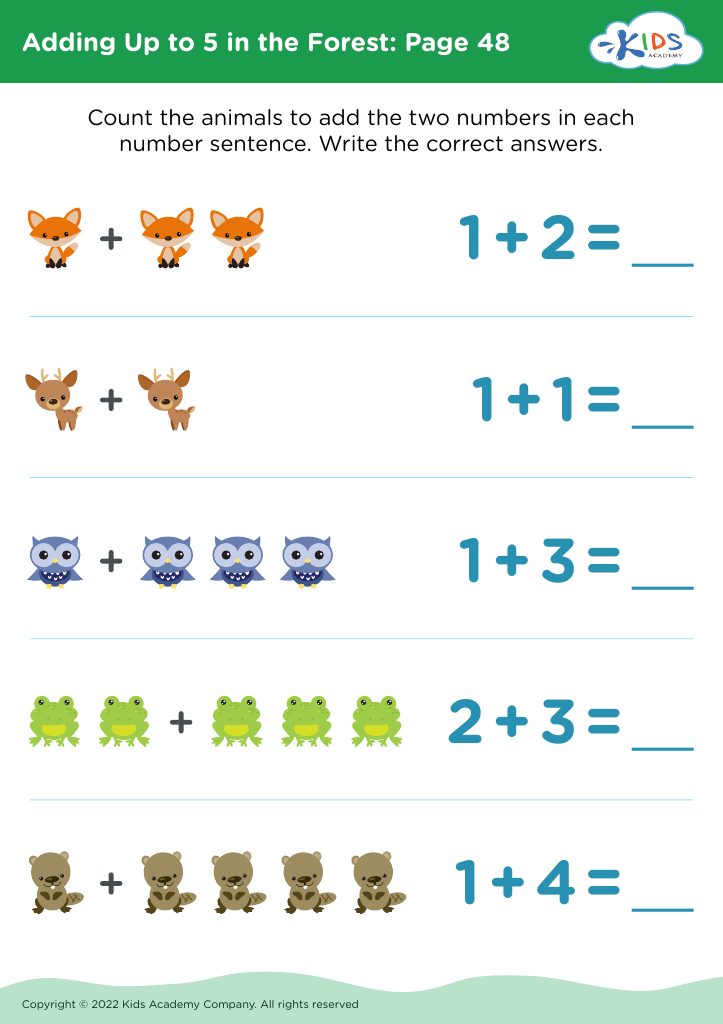
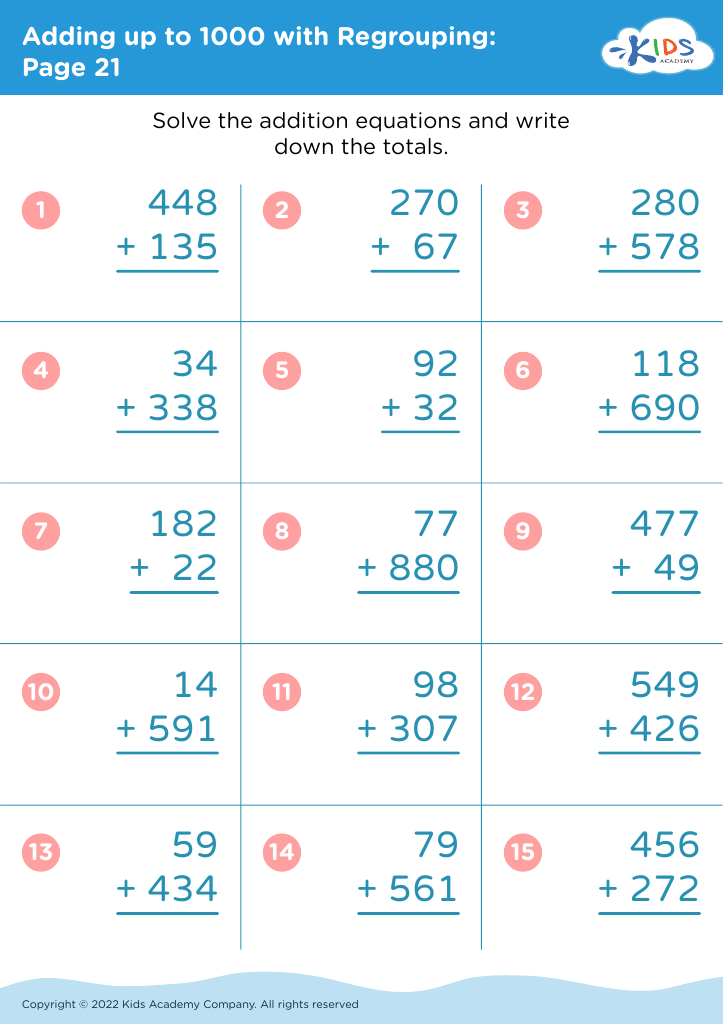
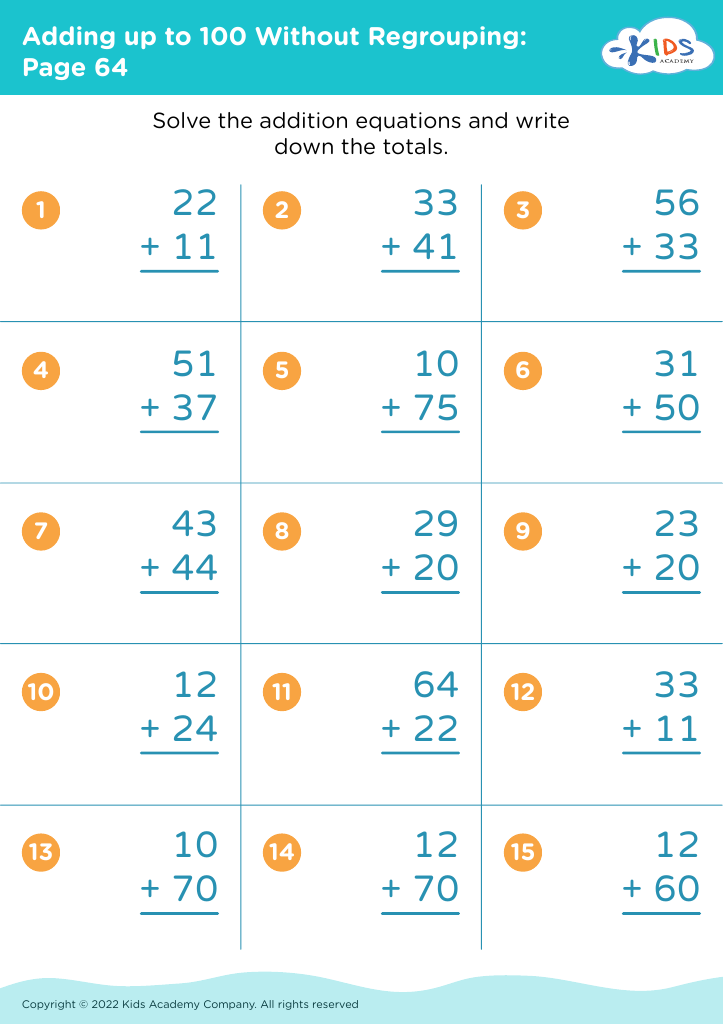
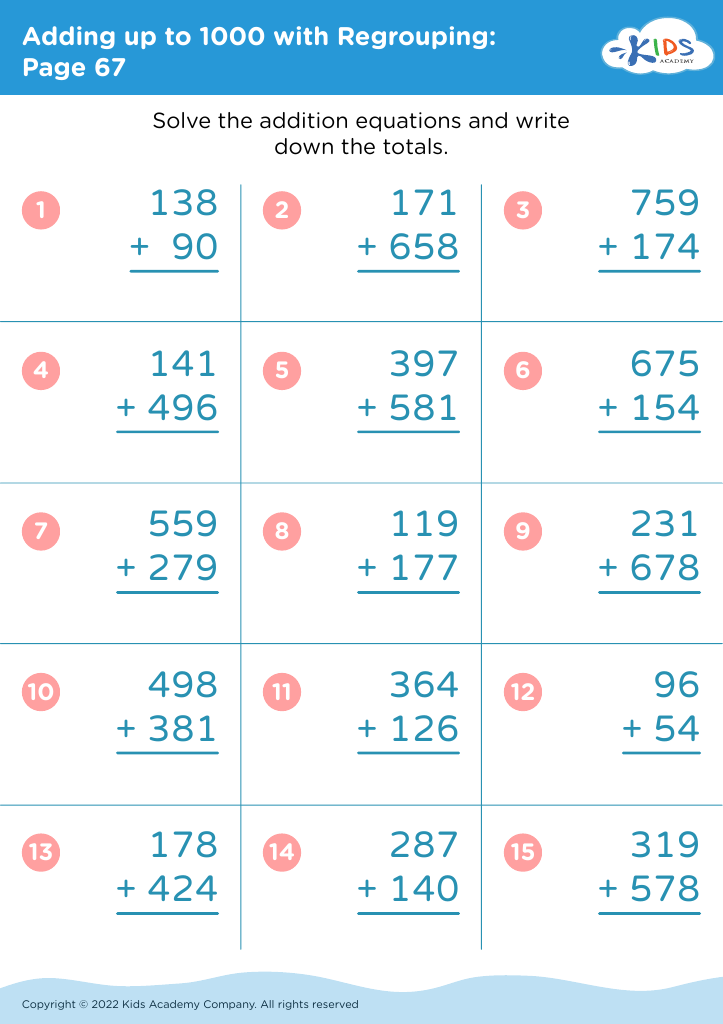
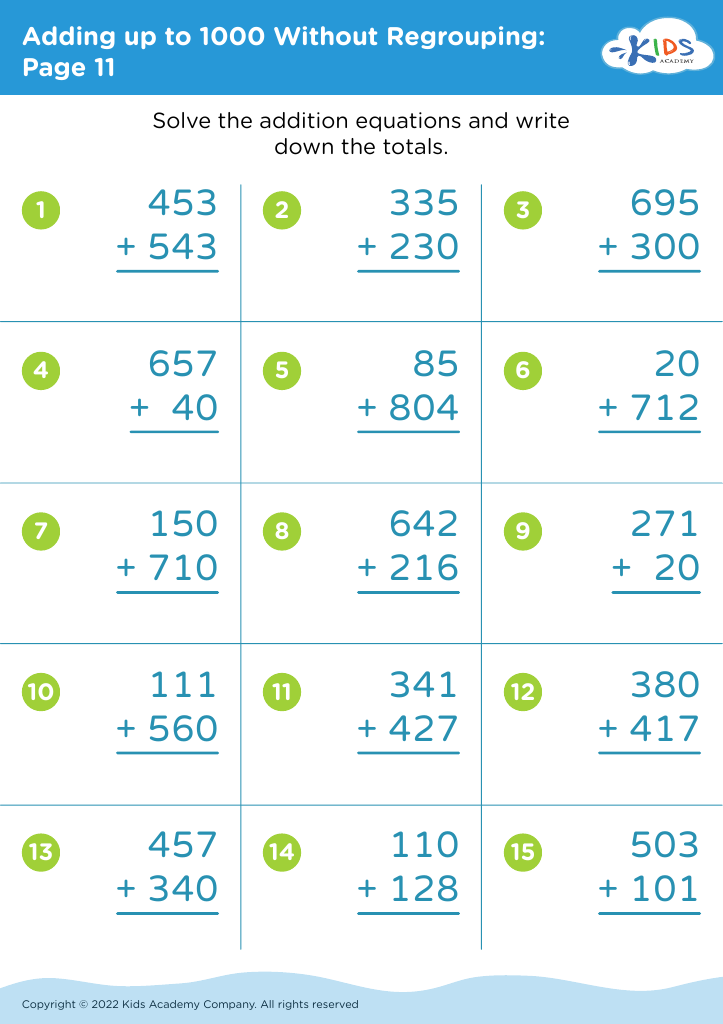
Discover our engaging Number Identification Addition & Subtraction Worksheets, designed specifically for children aged 3-7! These interactive worksheets focus on helping young learners recognize numbers while developing essential addition and subtraction skills. Interactive exercises foster engagement, making math fun and enjoyable. With colorful illustrations and guided activities, children will master number recognition, enhance their problem-solving abilities, and build a solid foundation for future math success. Perfect for homeschool or classroom use, our worksheets cater to different learning styles, ensuring every child can thrive. Encourage a love for math in your little ones and watch them grow in confidence and skill!
Favorites
With answer key
Interactive
Join Kids Academy for Free
Who is primarily going to use this learning content?








Number identification, addition, and subtraction are foundational skills in early mathematics that play a crucial role in a child's cognitive development. For parents and teachers, fostering these skills in children aged 3-7 is essential for several reasons.
Firstly, number identification forms the basis for understanding numerical concepts. When children recognize numbers, they build confidence and set the stage for more complex mathematical operations. Mastery of addition and subtraction helps them comprehend quantity relationships, enabling logical reasoning and problem-solving skills in real-life situations.
Secondly, these skills contribute significantly to a child’s academic success. Early mathematic capabilities are predictors of later achievement in math and related subjects, influencing a child’s future educational and career opportunities.
Additionally, engaging children in number activities cultivates a positive attitude towards learning. Fun, interactive math games and exercises can make the learning process enjoyable, helping to instill a lifelong love for mathematics.
Lastly, number skills promote social interactions. Activities often involve teamwork, encouraging communication and collaboration among peers. Overall, by prioritizing number identification and basic operations, parents and teachers equip children with essential tools for their future, both academically and in their day-to-day lives.








