
Basic Math Skills Addition Worksheets for Ages 3-7
73 filtered results
Difficulty Level
Grade
Age
-
From - To
Subject
Activity
Standards
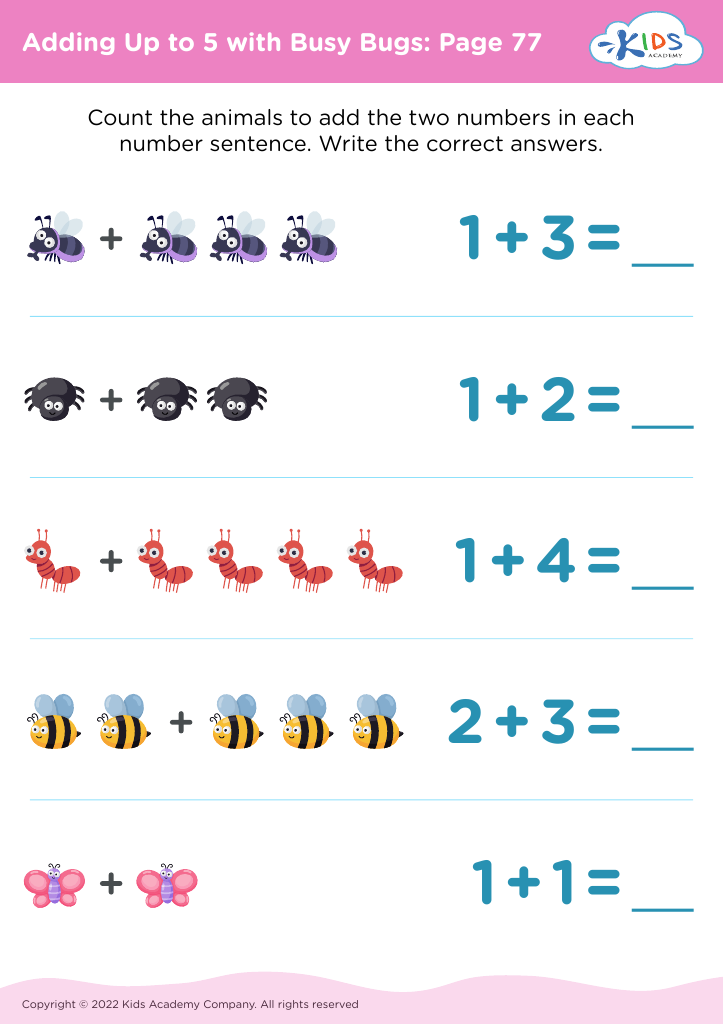
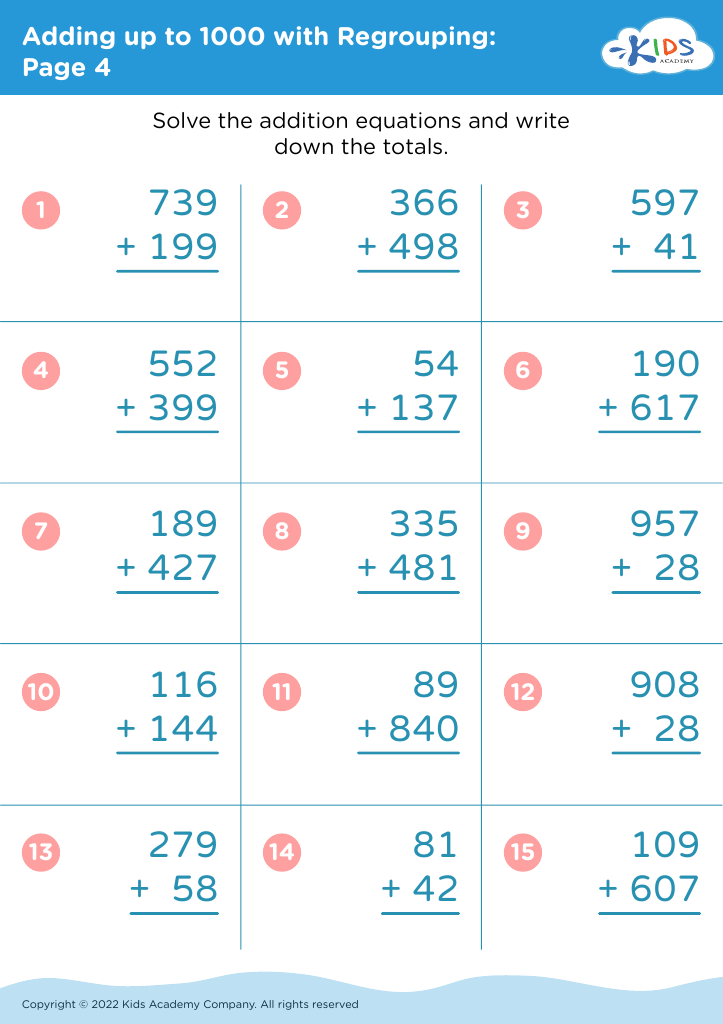
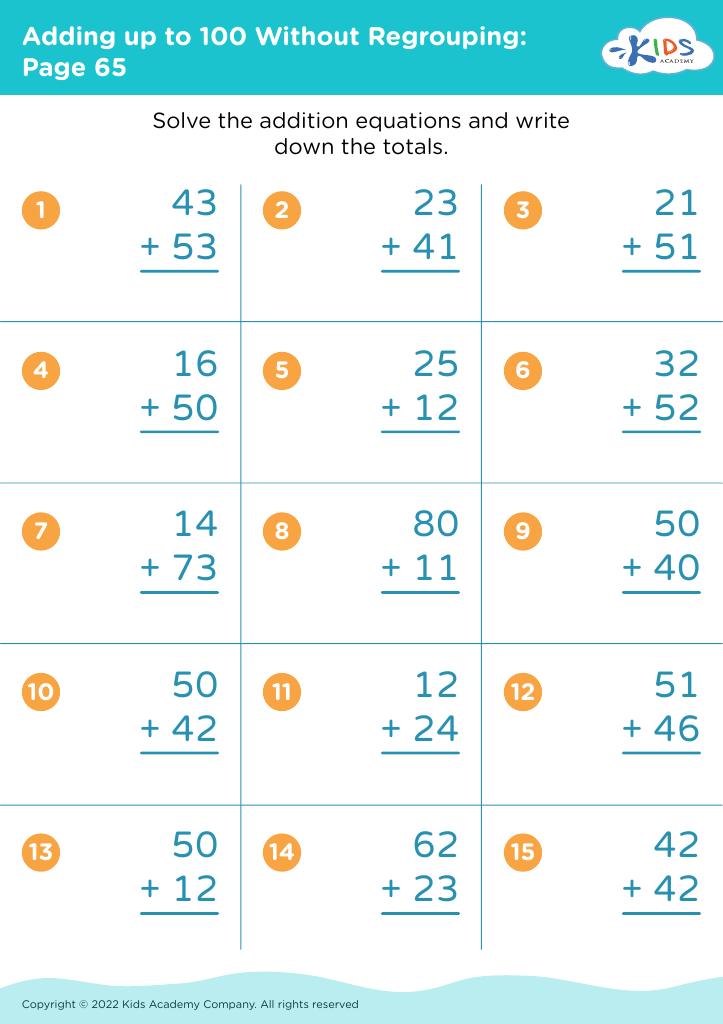
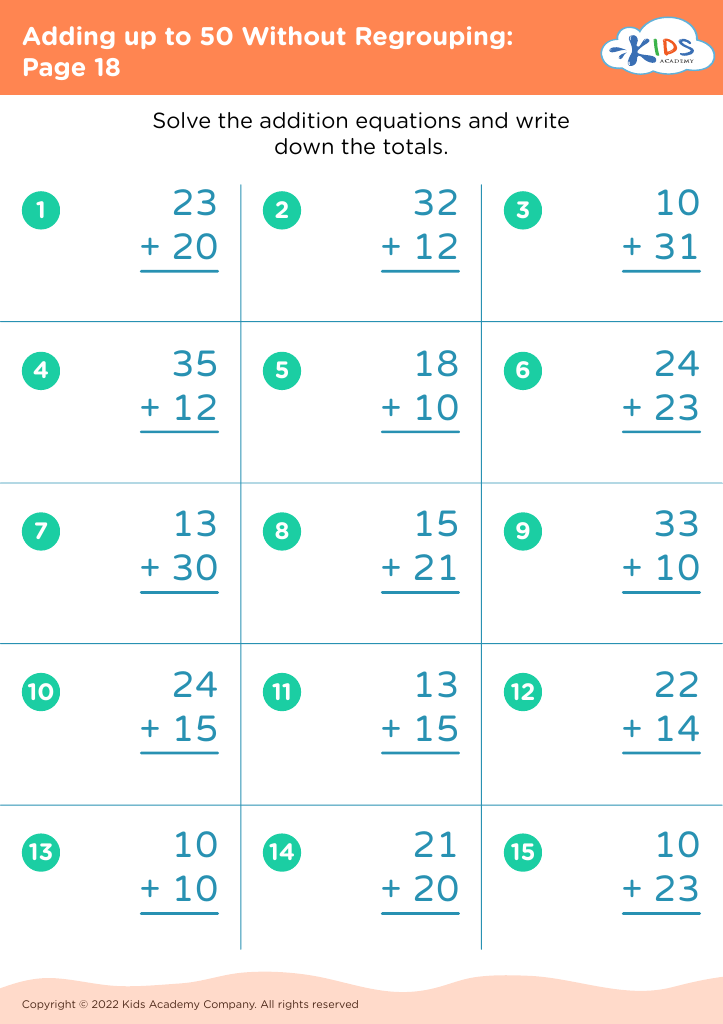
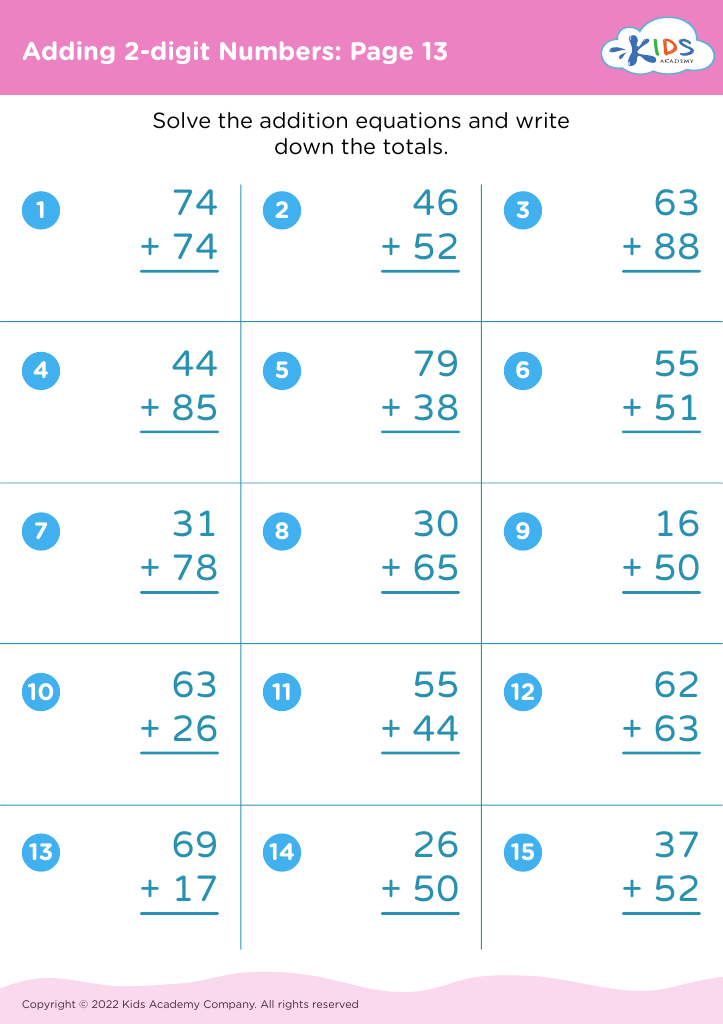
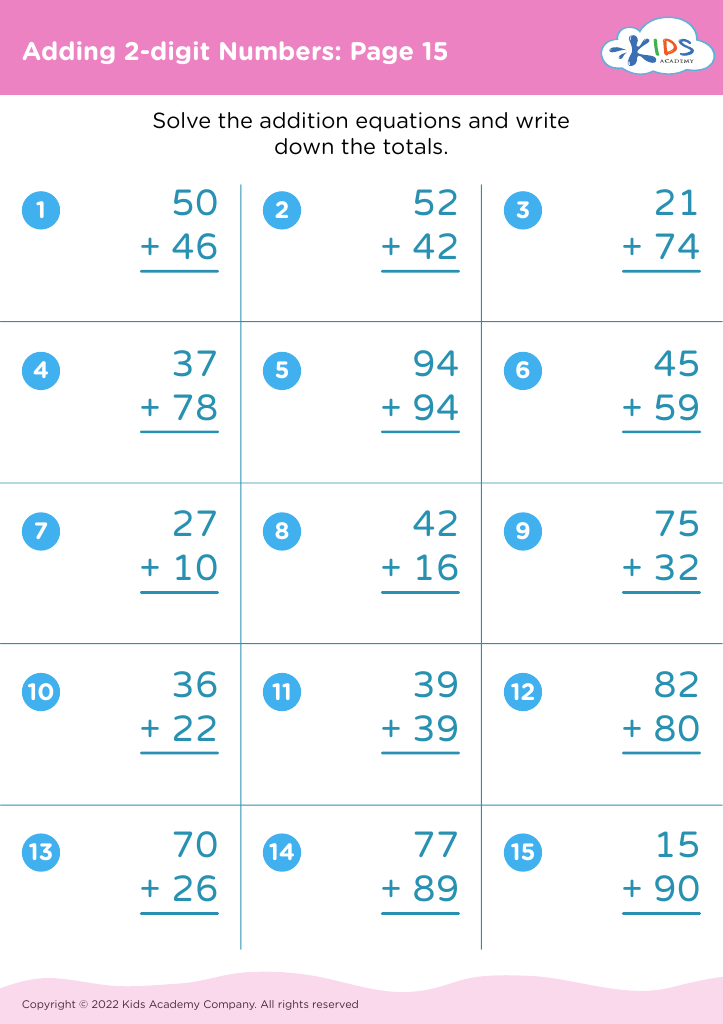
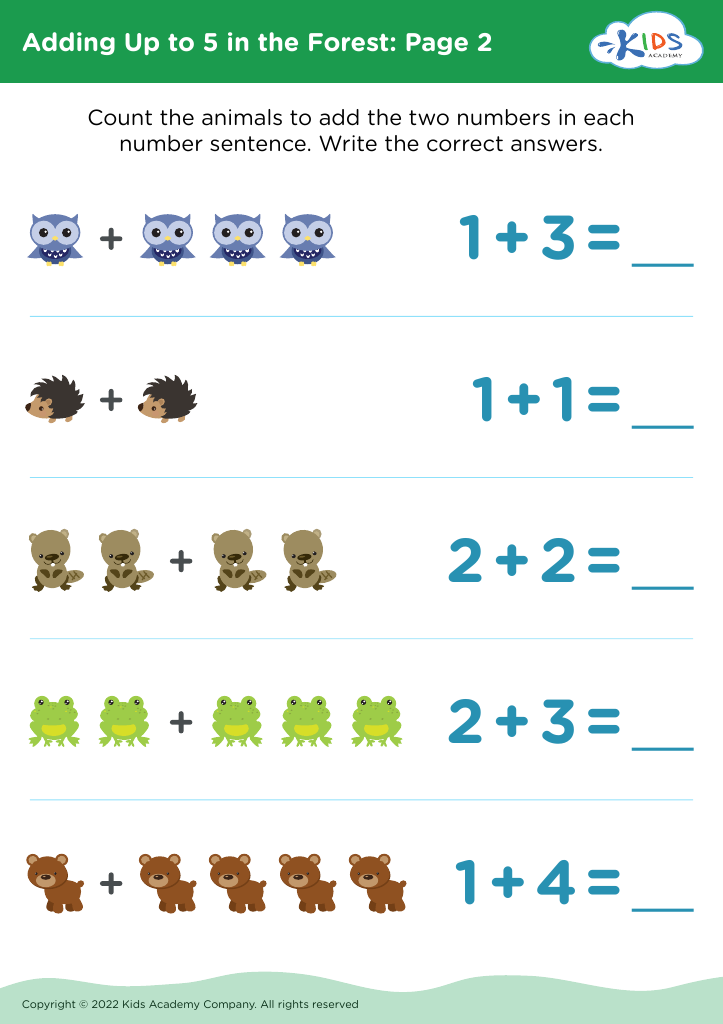
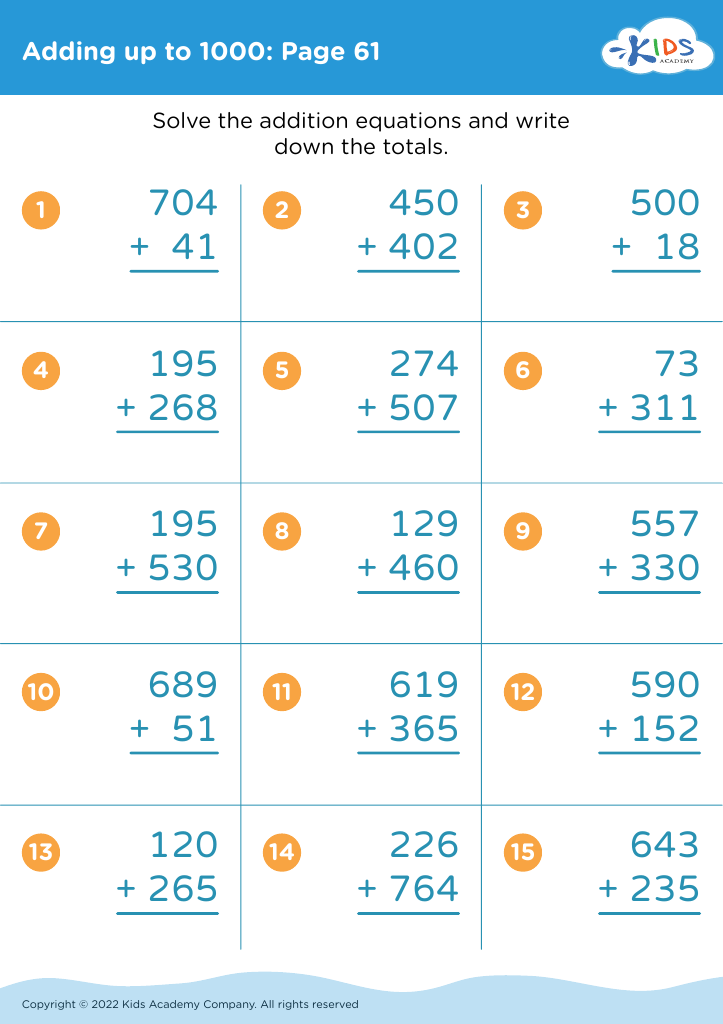
Our Basic Math Skills Addition Worksheets for ages 3-7 provide a fun and engaging way for young learners to master fundamental math concepts. Perfect for preschool and early elementary students, these worksheets help improve counting, problem-solving, and numerical fluency. With colorful designs and a variety of activities, they make learning addition enjoyable, boosting children’s confidence in their math abilities. Ideal for classroom use or home practice, our worksheets also offer step-by-step guidance to ensure each child finds success. Explore our extensive collection to support your child's math journey with confidence today!
Favorites
With answer key
Interactive
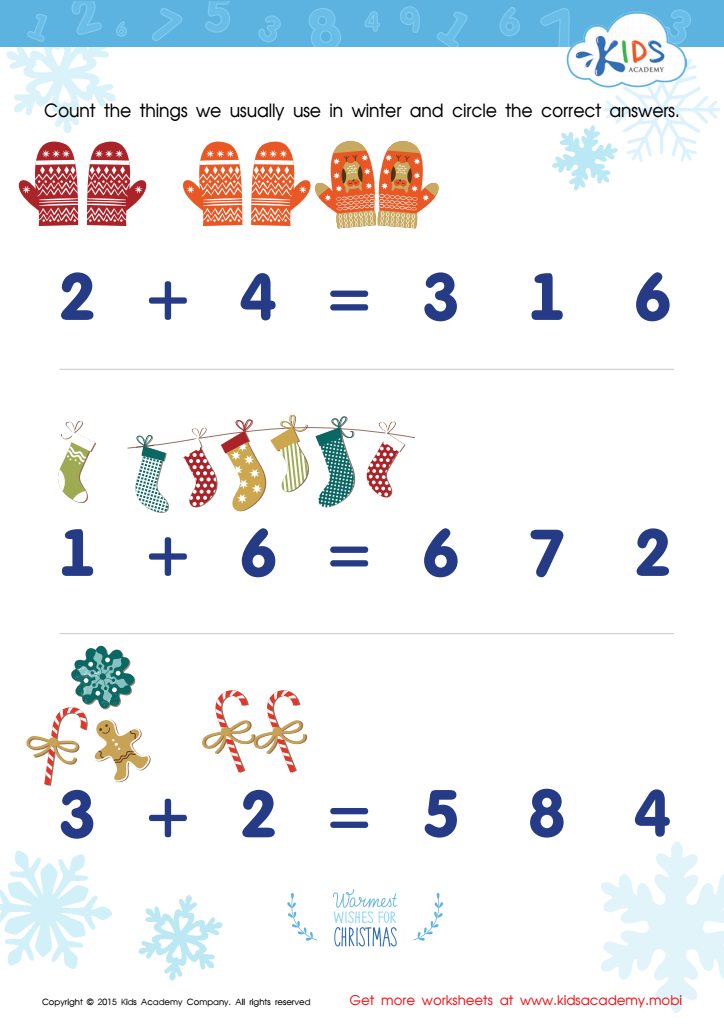
Count Winter Things Worksheet
This chilly winter afternoon, help your kid warm up with Kids Academy's free math worksheet - full of bright pictures and addition practice. Let them count the things and write in the numbers for a great brain training and math head start. Get more free math worksheets here. (80 words)
 Assign to My Students
Count Winter Things Worksheet
Worksheet
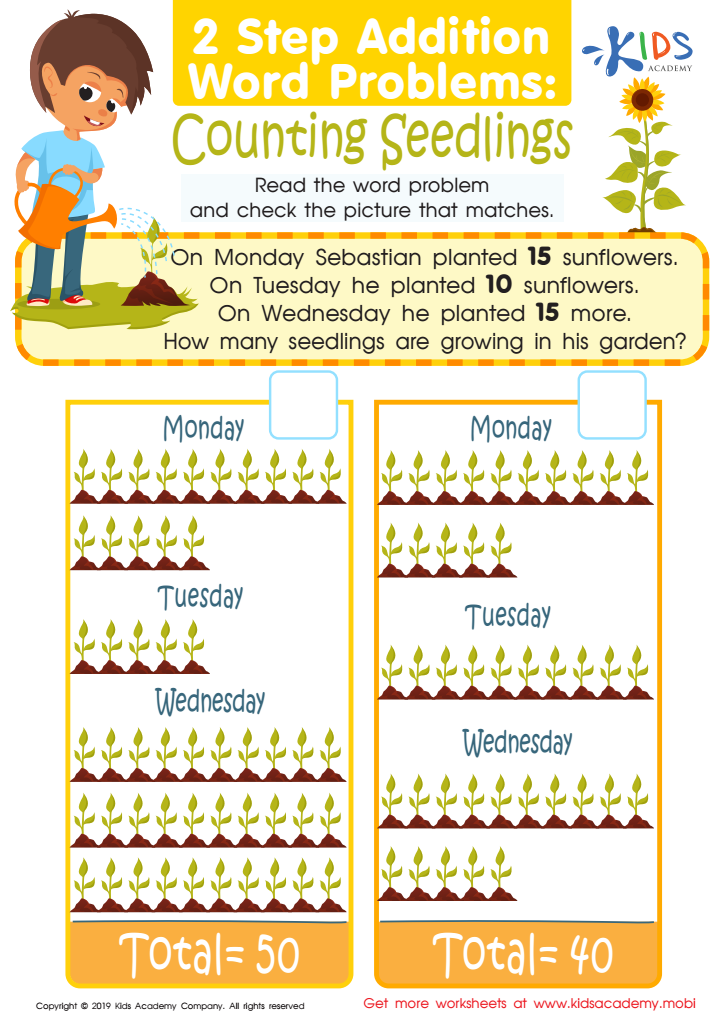
Counting Seedlings Worksheet
Understanding math word problems is key. Multiple steps can prove challenging - this free worksheet provides one-to-one picture representation to help kids solve multi-step addition word problems. Strengthen addition skills by choosing the matching picture to the answer.
Counting Seedlings Worksheet
Worksheet
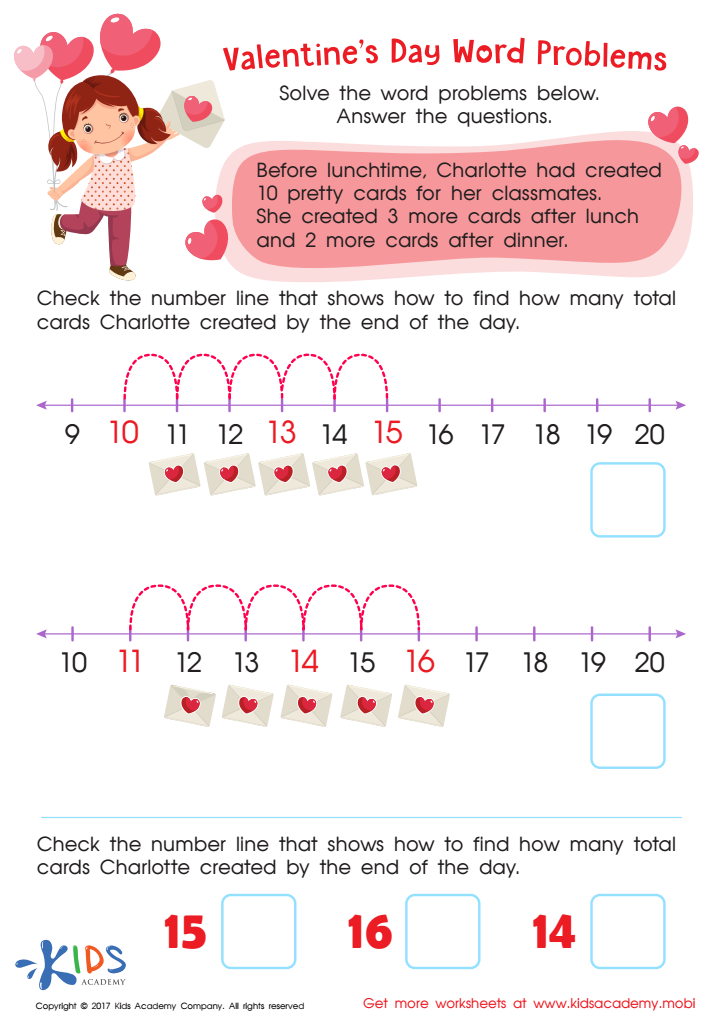
Valentines Day Word Problem Worksheet
This Valentine's Day worksheet will help your child practice using a number line to solve an addition problem. It's a great way to boost confidence and make solving word problems a breeze.
Valentines Day Word Problem Worksheet
Worksheet
Join Kids Academy for Free
Who is primarily going to use this learning content?







.jpg)
Basic math skills, especially addition, are fundamental building blocks for children's cognitive development and future academic success. For children ages 3-7, acquiring early addition skills is crucial for several reasons.
Firstly, mastering addition lays the groundwork for more complex mathematical concepts, such as subtraction, multiplication, and division. Understanding these foundational principles early ensures that students can progress confidently in math as they advance in their education.
Secondly, engaging with addition helps enhance problem-solving skills, logical thinking, and brain development. Young learners who practice addition develop the ability to identify patterns and relationships, which are skills applicable in various aspects of life and learning.
Furthermore, success in early math boosts a child's confidence and fosters a positive attitude toward learning. This encouragement is vital as it sets the tone for future academic endeavors, promoting a growth mindset where children feel competent and motivated to tackle challenging tasks.
Moreover, early proficiency in math, including addition, is linked to better performance in science, technology, engineering, and mathematics (STEM) fields. A solid start in these areas opens doors to a wider range of career opportunities in an increasingly tech-driven world.
Thus, parents and teachers should prioritize basic math skills to ensure holistic development, foster self-assured learners, and set children on a path toward academic and career success.








