
Basic Mathematics Addition Worksheets for Ages 3-7
3 filtered results
Difficulty Level
Grade
Age
-
From - To
Subject
Activity
Standards
Discover our engaging Basic Mathematics Addition Worksheets designed specifically for children ages 3-7! These worksheets provide a fun and interactive way to help young learners build essential addition skills. Featuring vibrant illustrations and age-appropriate exercises, they cater to various learning styles, making math both enjoyable and accessible. Our thoughtfully crafted worksheets promote number recognition, counting, and simple problem-solving capabilities. They are perfect for teachers and parents seeking to reinforce math concepts at home or in the classroom. Dive into our collection today to support your child's early math journey and foster a lifelong love for learning and numbers!
Favorites
With answer key
Interactive
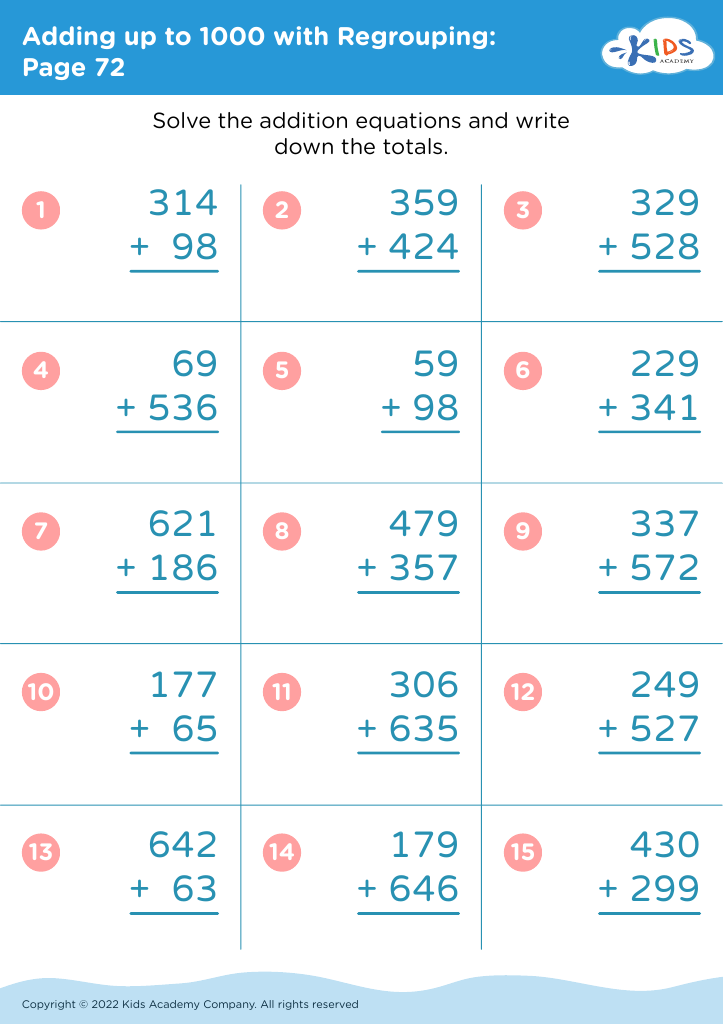
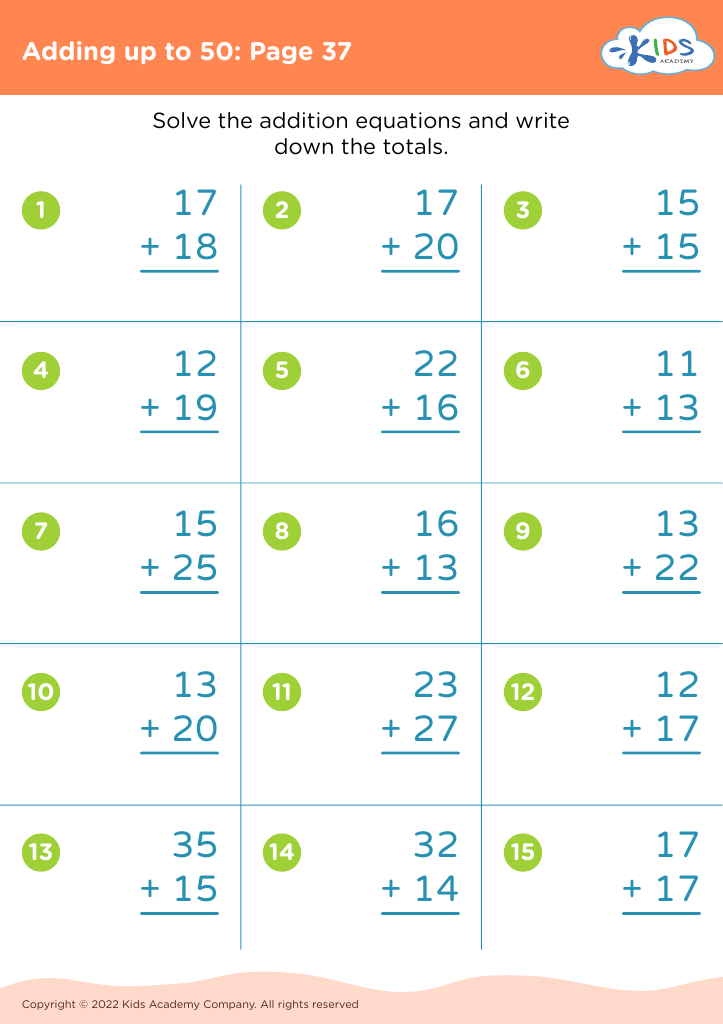
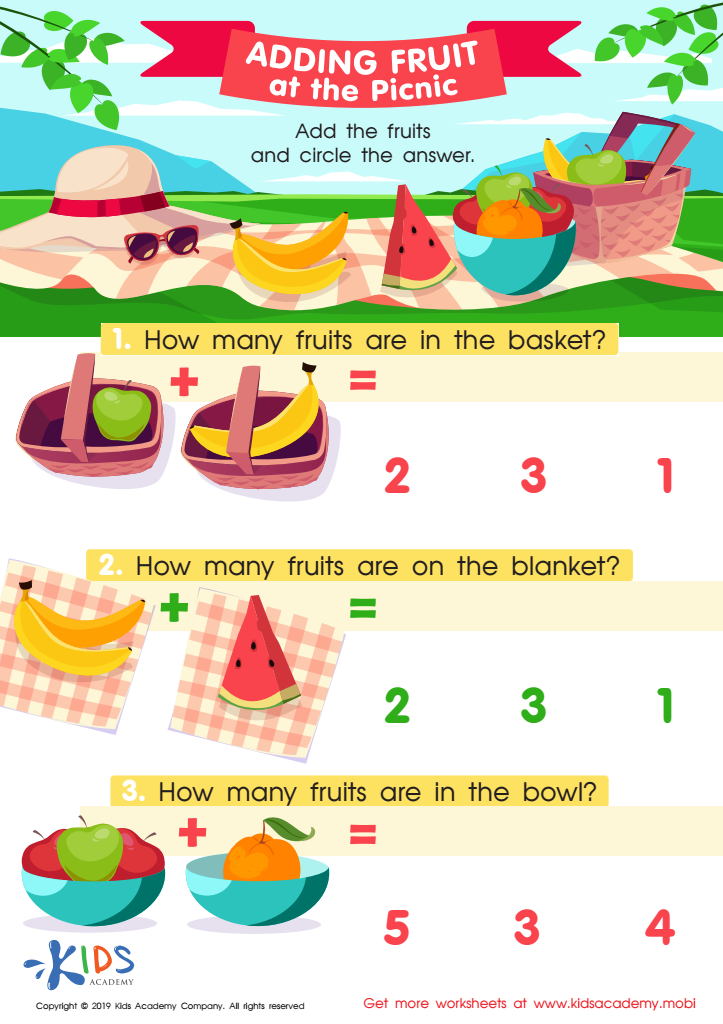
Adding Fruit at the Picnic Worksheet
Picnics are a great way for the family to enjoy a fun day in the sun! Get your kids involved by having them help load the picnic basket and do this worksheet to practice their math skills while they get ready. Identify the fruits in the picture, add them up, and circle the correct answer.
 Assign to My Students
Adding Fruit at the Picnic Worksheet
Worksheet
Join Kids Academy for Free
Who is primarily going to use this learning content?








Basic mathematics addition is a vital skill for children aged 3-7, and both parents and teachers play a pivotal role in its development. Understanding addition lays the foundation for all future math concepts, fostering critical thinking and problem-solving abilities. At this young age, children are particularly receptive, absorbing information through play and interactive learning. Introducing them to addition through engaging activities can enhance their cognitive and social skills, providing them with an essential tool for collaboration and communication.
Additionally, mastering basic addition builds confidence and a positive attitude towards math, countering the common fear many students feel as they progress through school. Early proficiency in math can also lead to better academic performance in other subjects, reinforcing the importance of a well-rounded education. Furthermore, strong foundational skills in mathematics contribute to daily life abilities, such as budgeting, measuring, and time management, preparing children for their future. For parents and teachers, investing time and resources into teaching addition not only fosters a child’s love for learning but also equips them with essential skills that will benefit them throughout their academic journeys and into adulthood. Thus, making math fun and accessible can cultivate a generation of confident, capable individuals.








