Filters

114 filtered results

Clear all filters
Favorites
With answer key
Interactive

114 filtered results

Difficulty Level

Grade


Subject

Check out this FREE Trial Lesson on Addition for age 3-7!

Subtracting with 1's

Favorites
With answer key
Interactive
  • 3-7
  • Cognitive Development
  • Addition
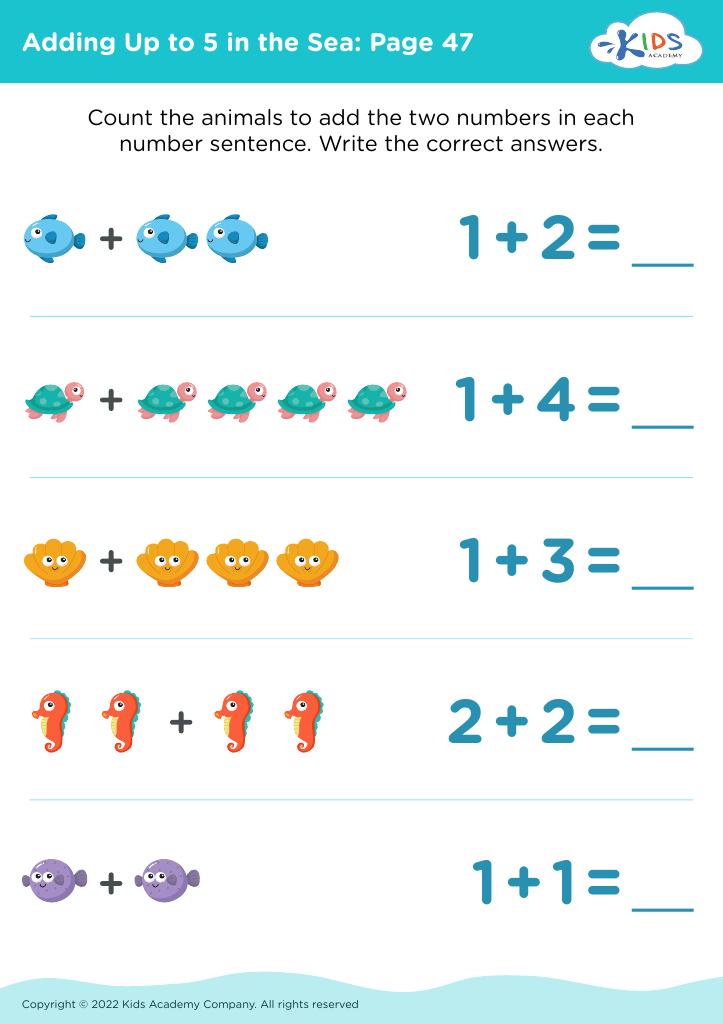
Adding Up to 5 in the Sea: Page 47
Worksheet
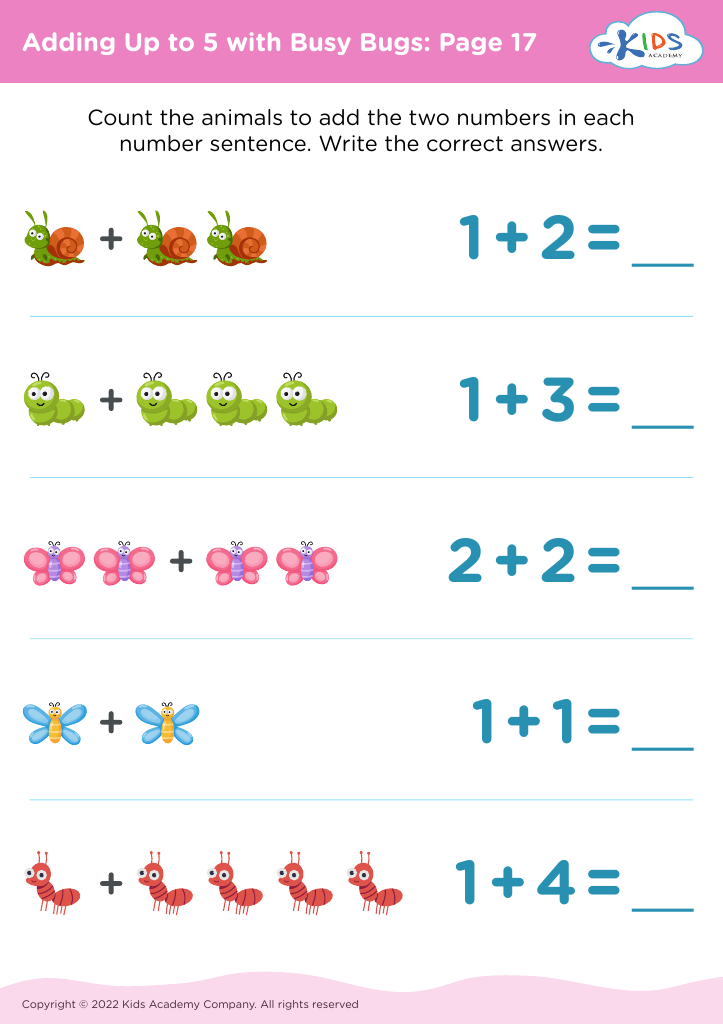
Adding Up to 5 with Busy Bugs: Page 17
Worksheet
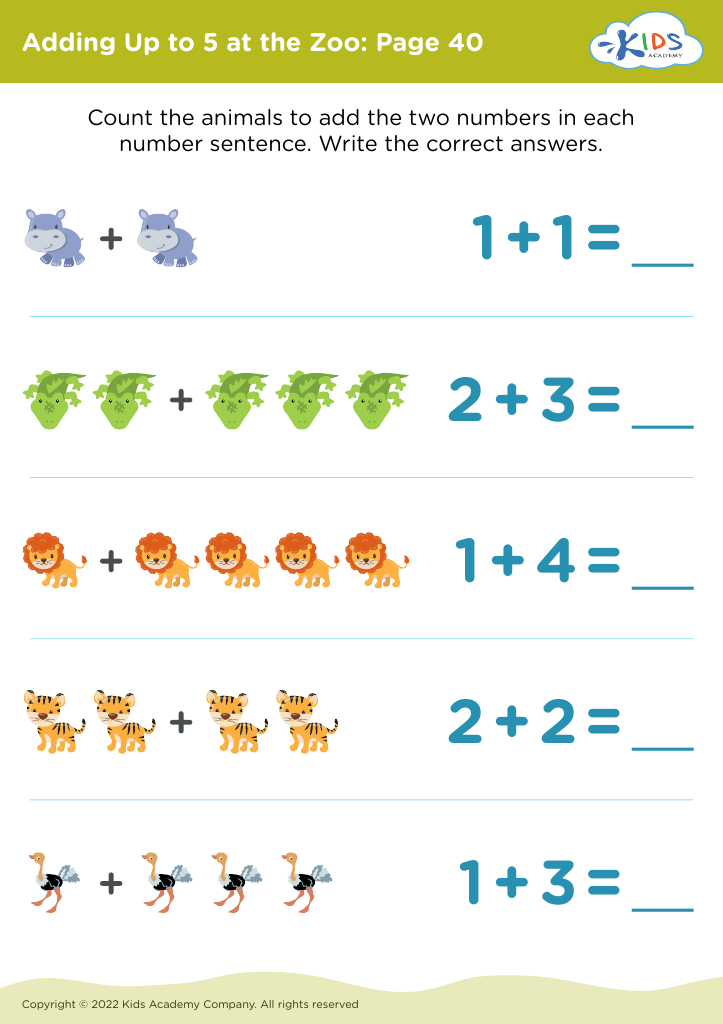
Adding Up to 5 at the Zoo: Page 40
Worksheet
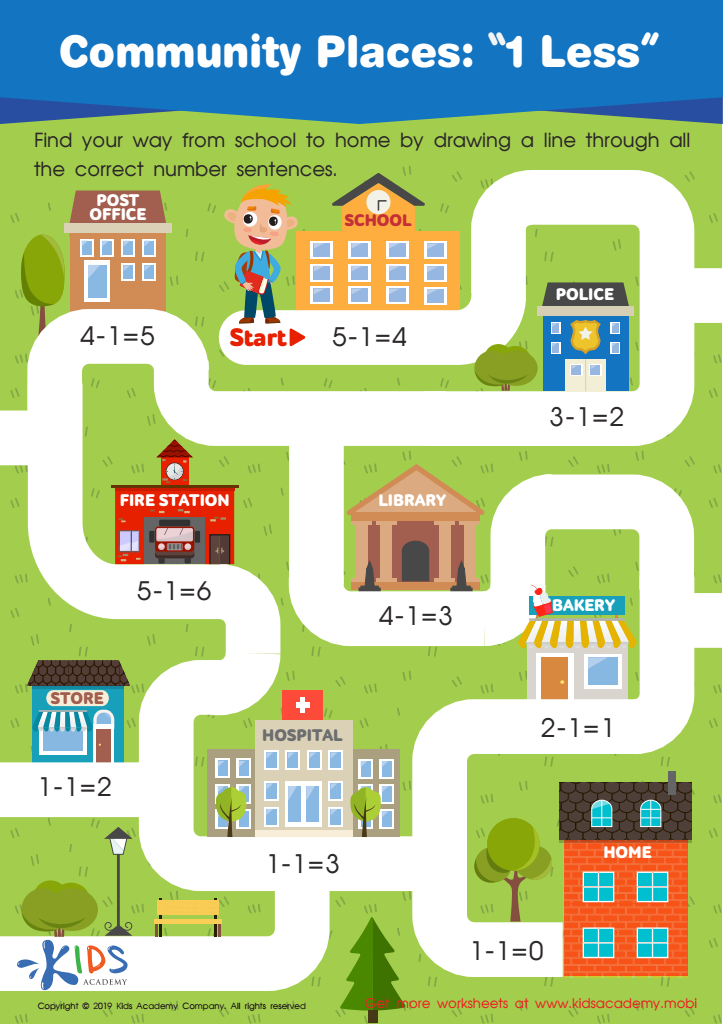
Community Places: 1 Less Worksheet

Community Places: 1 Less Worksheet

Have your kindergarteners draw a line through the correct number sentences as they find their way home from school. Ask them to identify the people, places, and buildings in their community and the jobs they do.
Community Places: 1 Less Worksheet
Worksheet
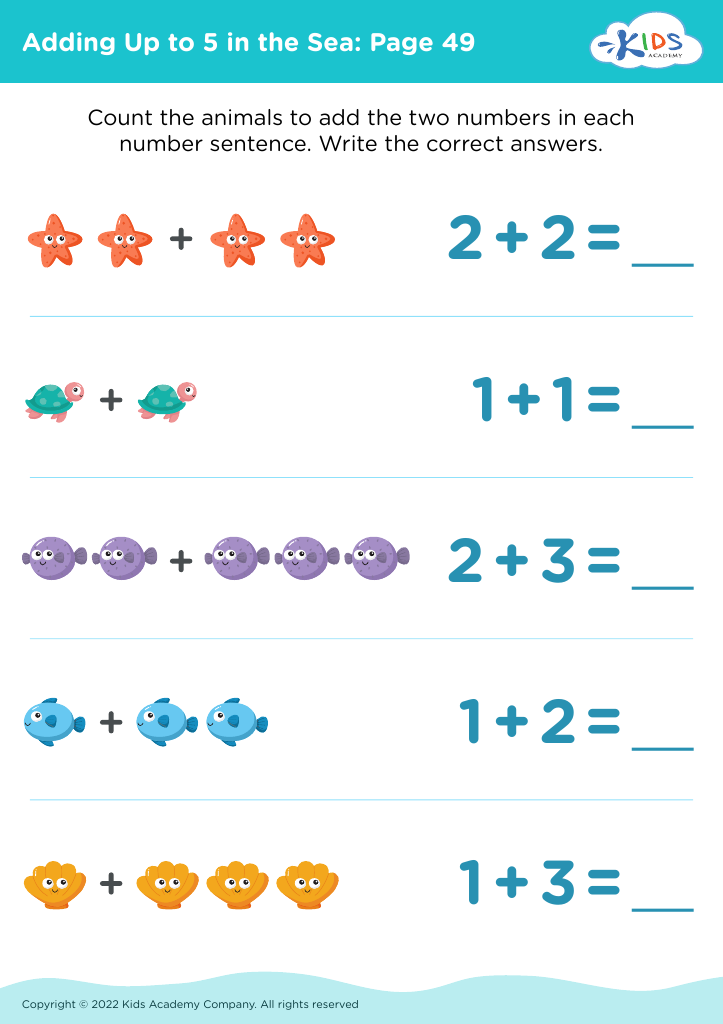
Adding Up to 5 in the Sea: Page 49
Worksheet
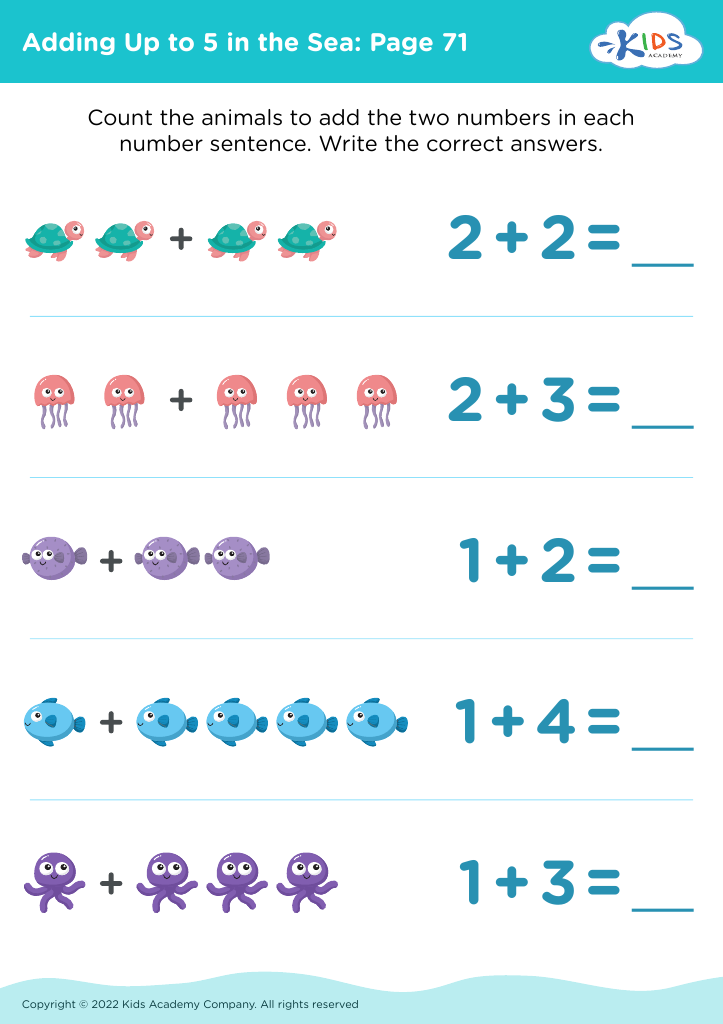
Adding Up to 5 in the Sea: Page 71
Worksheet
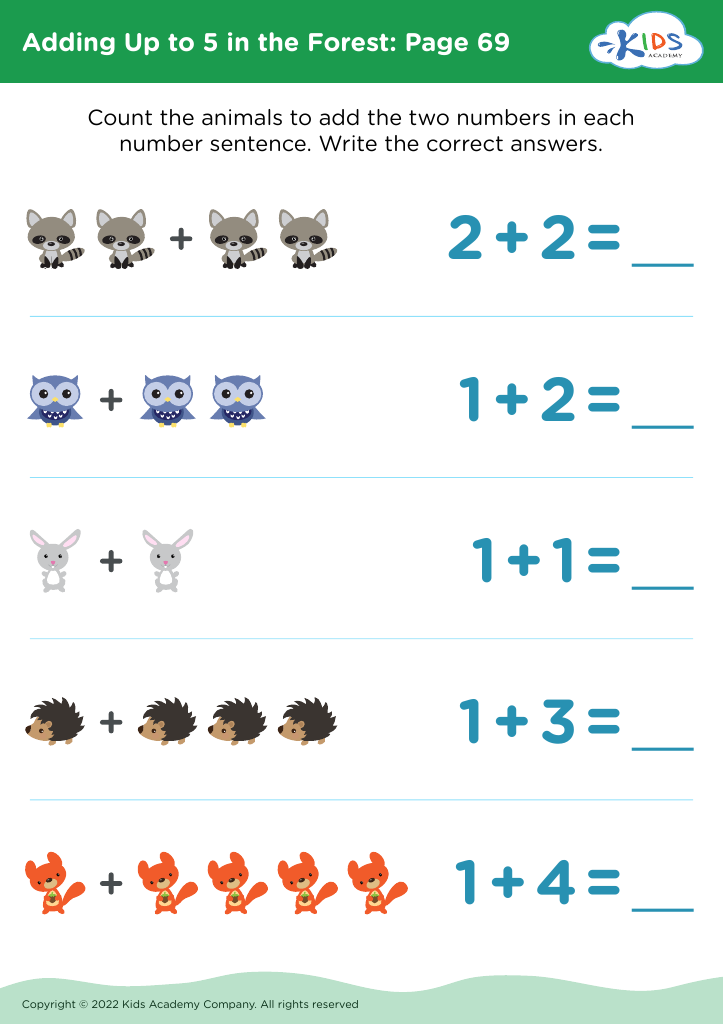
Adding Up to 5 in the Forest: Page 69
Worksheet
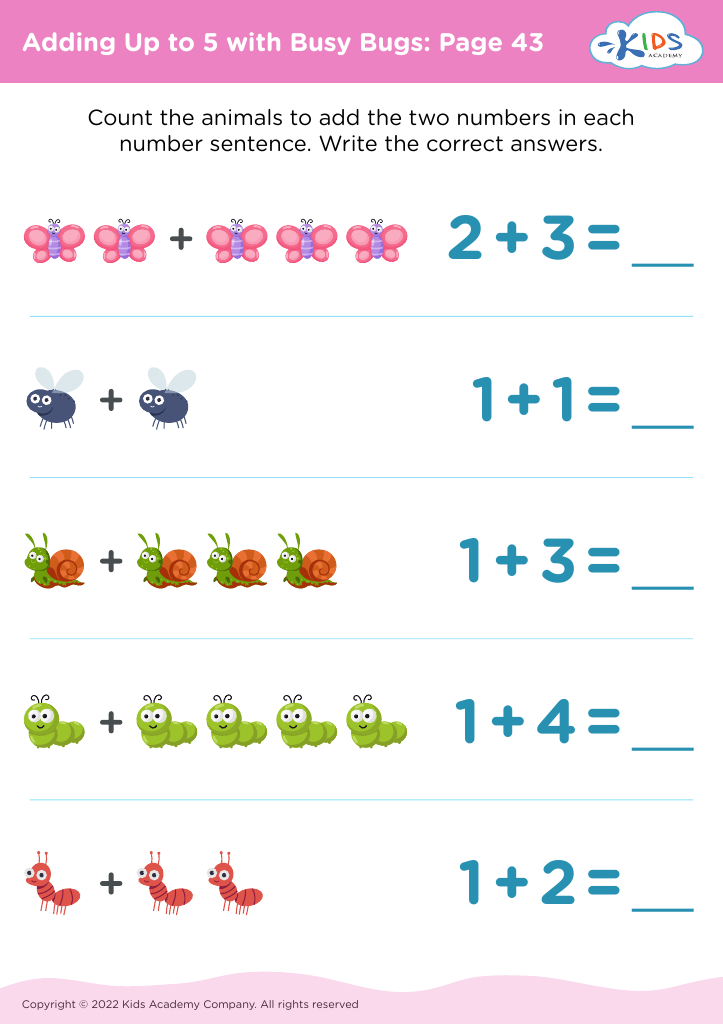
Adding Up to 5 with Busy Bugs: Page 43
Worksheet
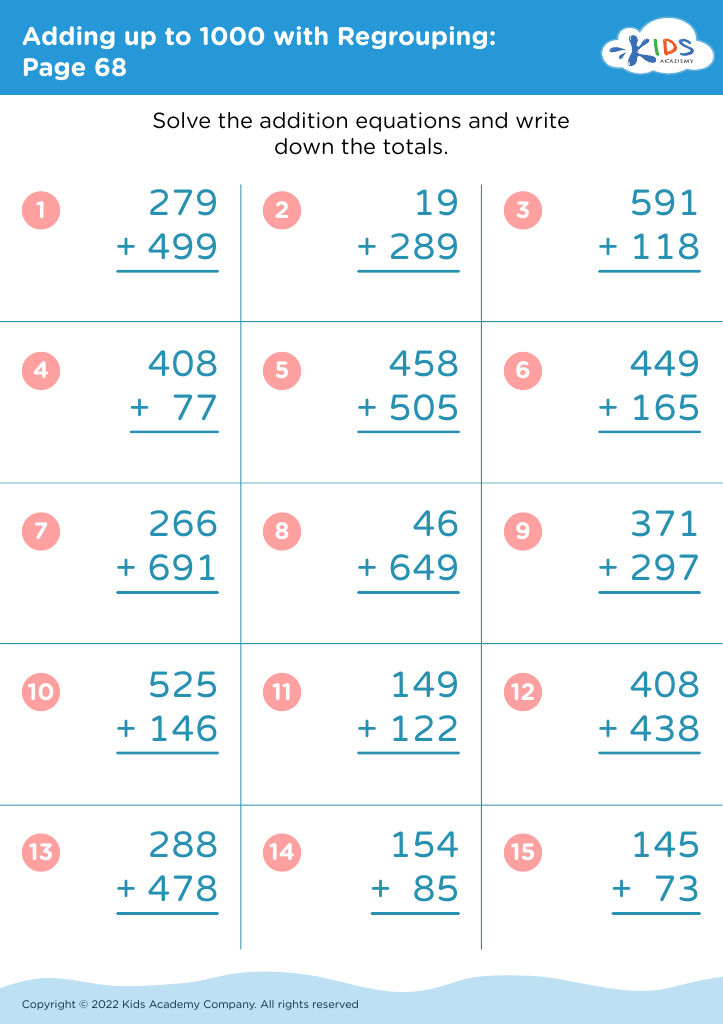
Adding up to 1000 with Regrouping: Page 68
Worksheet
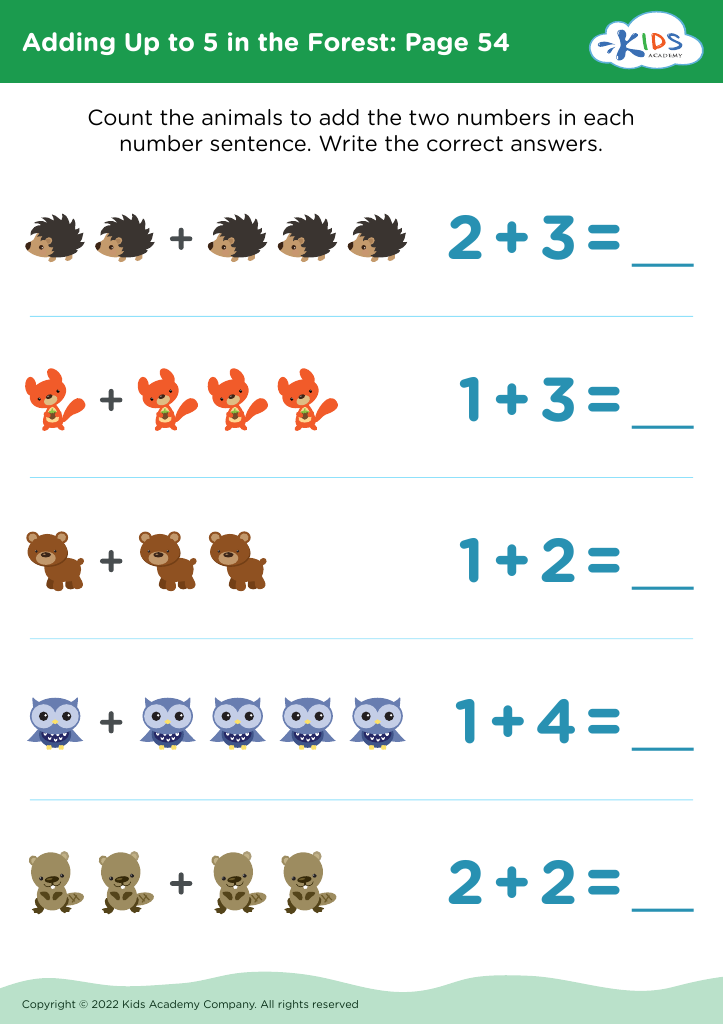
Adding Up to 5 in the Forest: Page 54
Worksheet
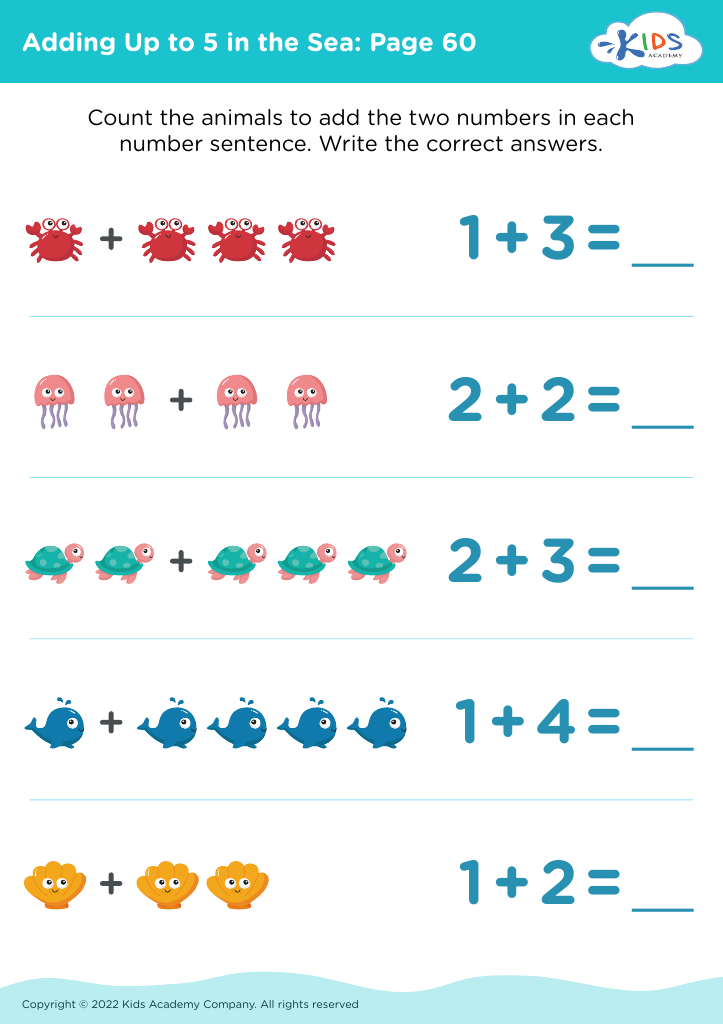
Adding Up to 5 in the Sea: Page 60
Worksheet
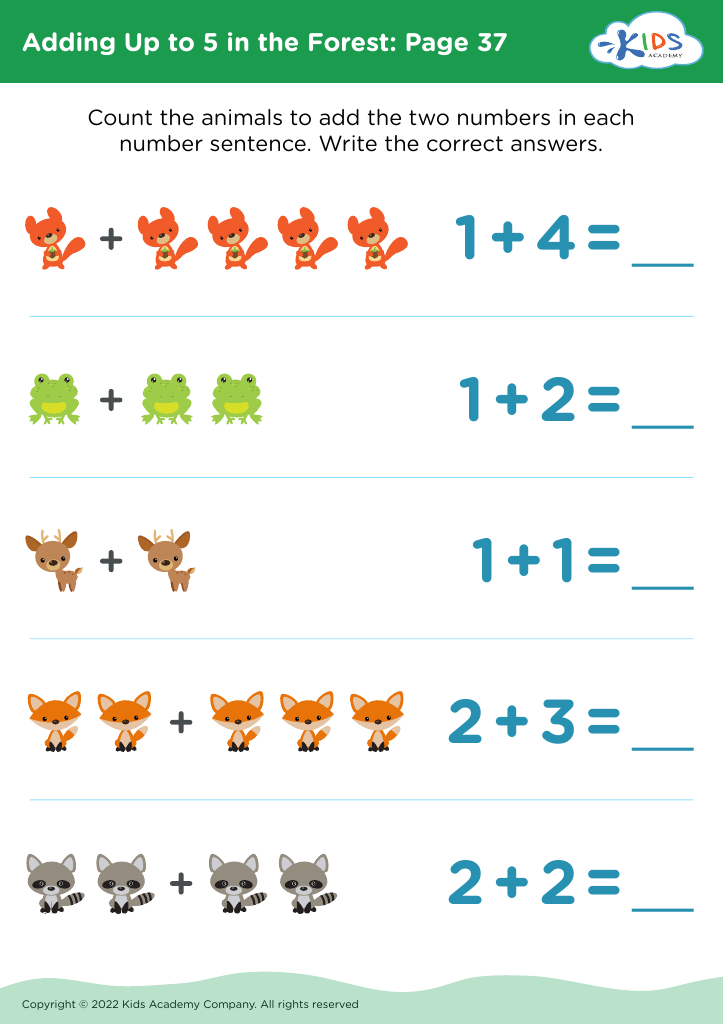
Adding Up to 5 in the Forest: Page 37
Worksheet
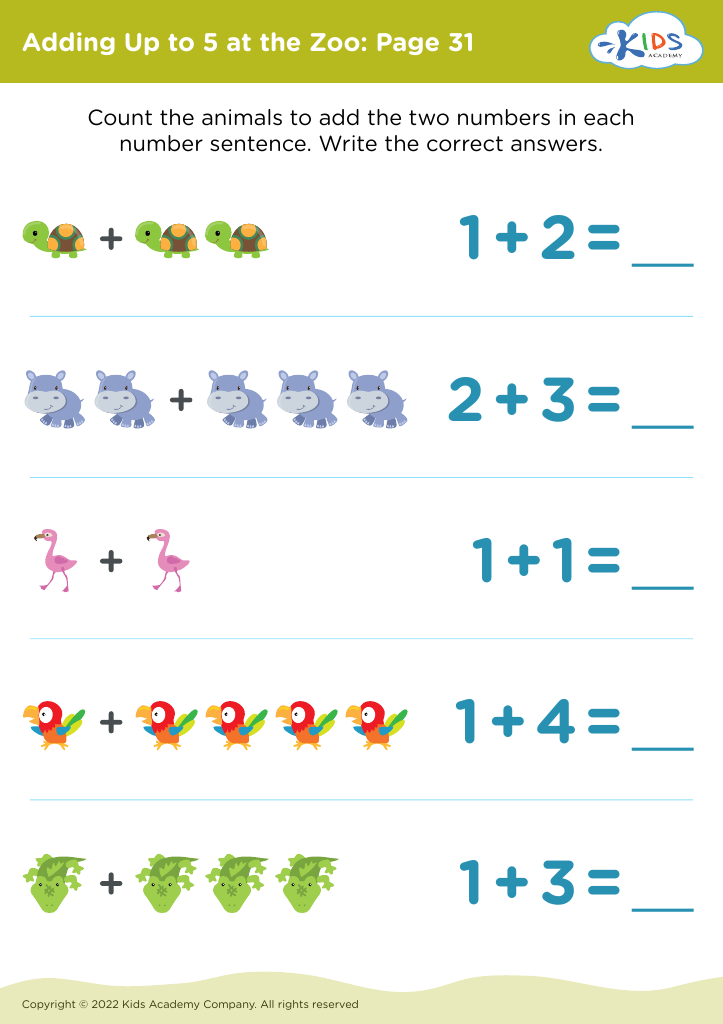
Adding Up to 5 at the Zoo: Page 31
Worksheet
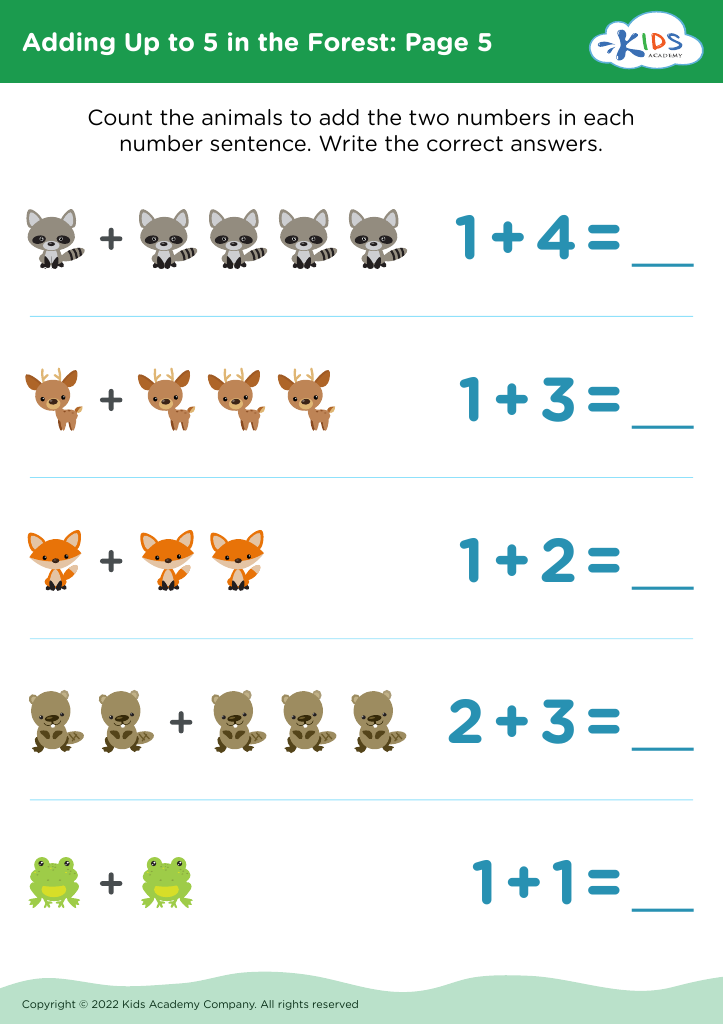
Adding Up to 5 in the Forest: Page 5
Worksheet
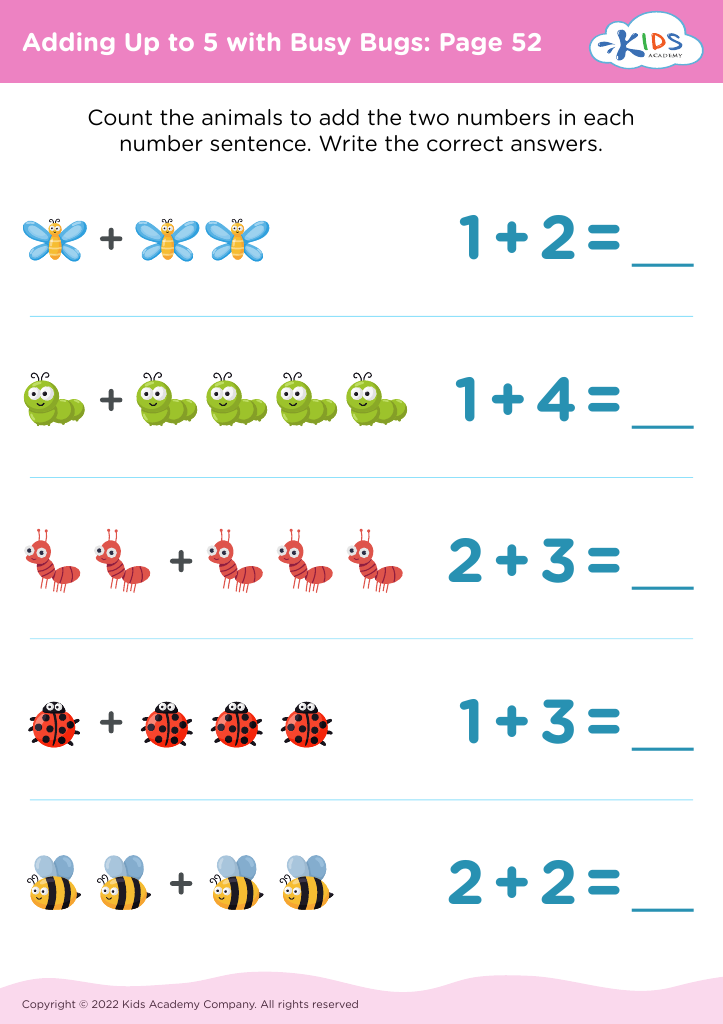
Adding Up to 5 with Busy Bugs: Page 52
Worksheet
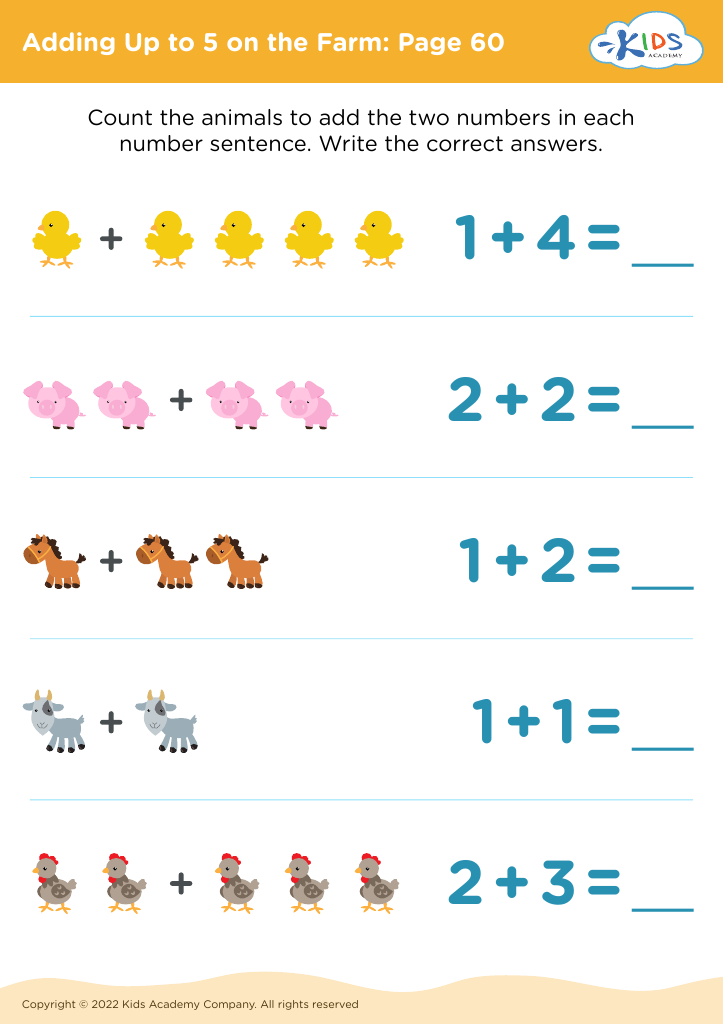
Adding Up to 5 on the Farm: Page 60
Worksheet
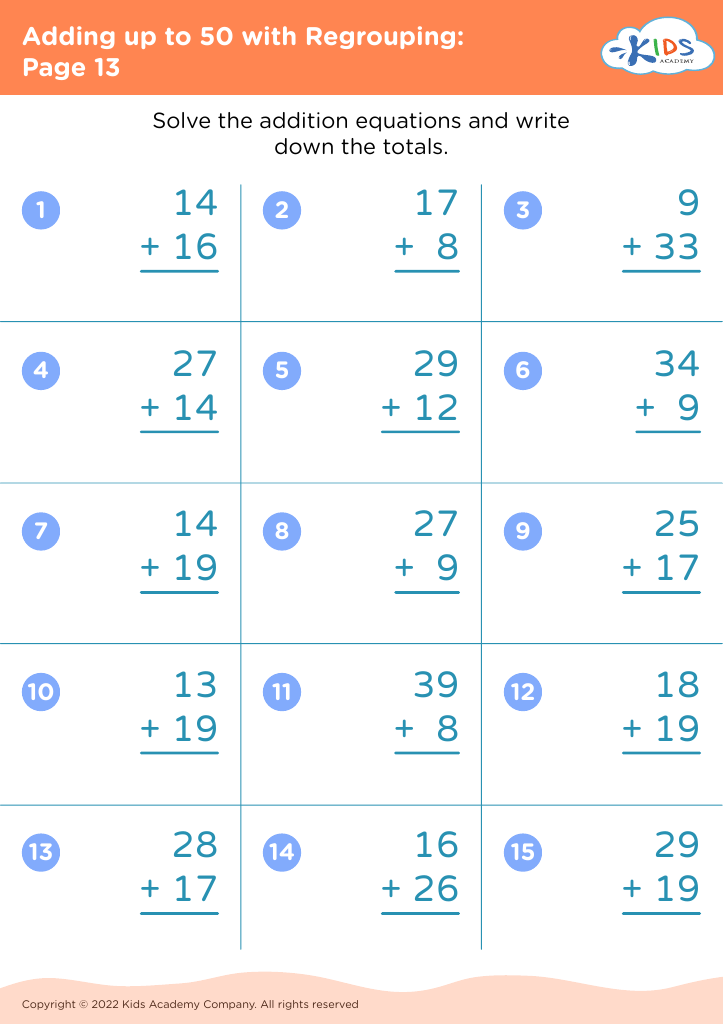
Adding up to 50 with Regrouping: Page 13
Worksheet
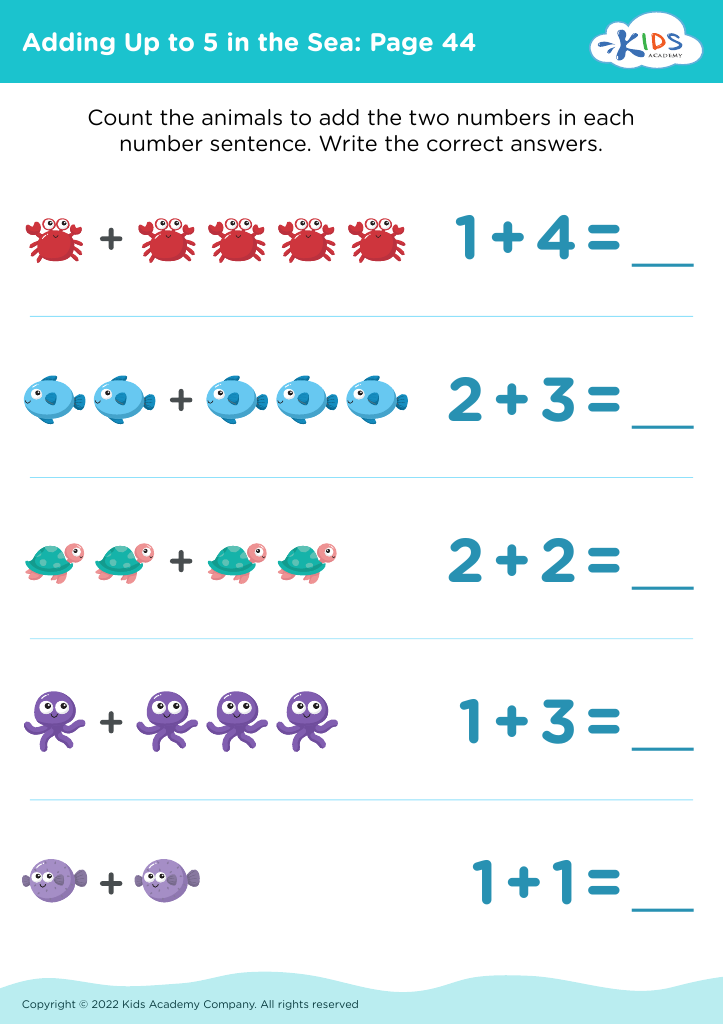
Adding Up to 5 in the Sea: Page 44
Worksheet


... 4 5

Cognitive development between ages 3-7 is crucial for a child’s future learning and success. During this formative period, children's brains are rapidly growing, and their ability to think critically, solve problems, and understand the world expands dramatically. Focusing on cognitive development activities, such as simple addition, fosters not only mathematical skills but also promotes memory, attention, and overall intellectual growth.

Parents and teachers play a vital role in enriching this developmental phase by providing engaging and age-appropriate experiences. Incorporating fun addition games helps children grasp foundational math concepts while enhancing their ability to visualize numbers and quantities. Beyond immediate academic benefits, these activities nurture a love for learning, encouraging curiosity and resilience.

Additionally, cognitive development impacts social skills. As children engage in group activities that involve math challenges, they learn to share, communicate, and cooperate with peers.

Moreover, investing in cognitive growth aligns with preparing children for future school challenges. Strong mathematical fundamentals are essential for success in more advanced subjects, making early intervention vital. Therefore, fostering cognitive development through addition activities not only equips children with essential skills but also supports their overall emotional and social development, ensuring they are well-rounded, confident learners.