Identifying fractions Addition Worksheets for Ages 3-7
4 filtered results
-
From - To
Explore our engaging "Identifying Fractions Addition Worksheets" designed specifically for children ages 3-7! These fun and interactive worksheets help young learners grasp the concept of fractions while developing their addition skills. Through colorful visuals and relatable scenarios, kids will identify and add fractions with confidence. Perfect for home or classroom use, our worksheets promote foundational math skills, fostering a love for learning in early education. With easy-to-follow instructions and age-appropriate challenges, these resources ensure that children enhance their understanding of fractions in a playful and enjoyable way. Start your child's math journey today with our thoughtfully crafted worksheets!
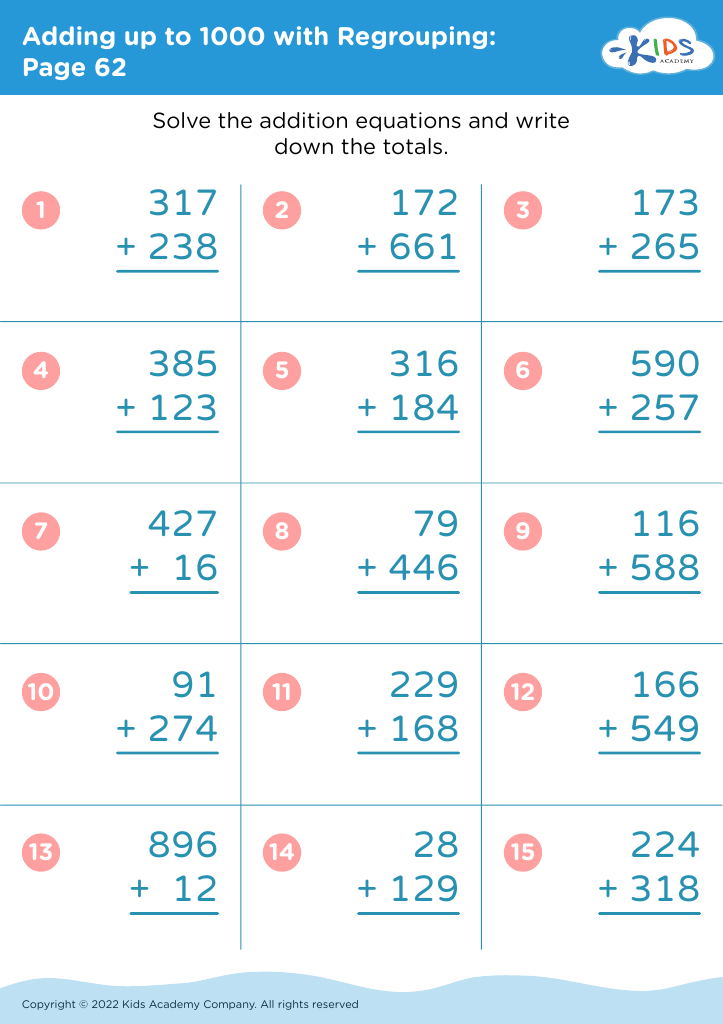
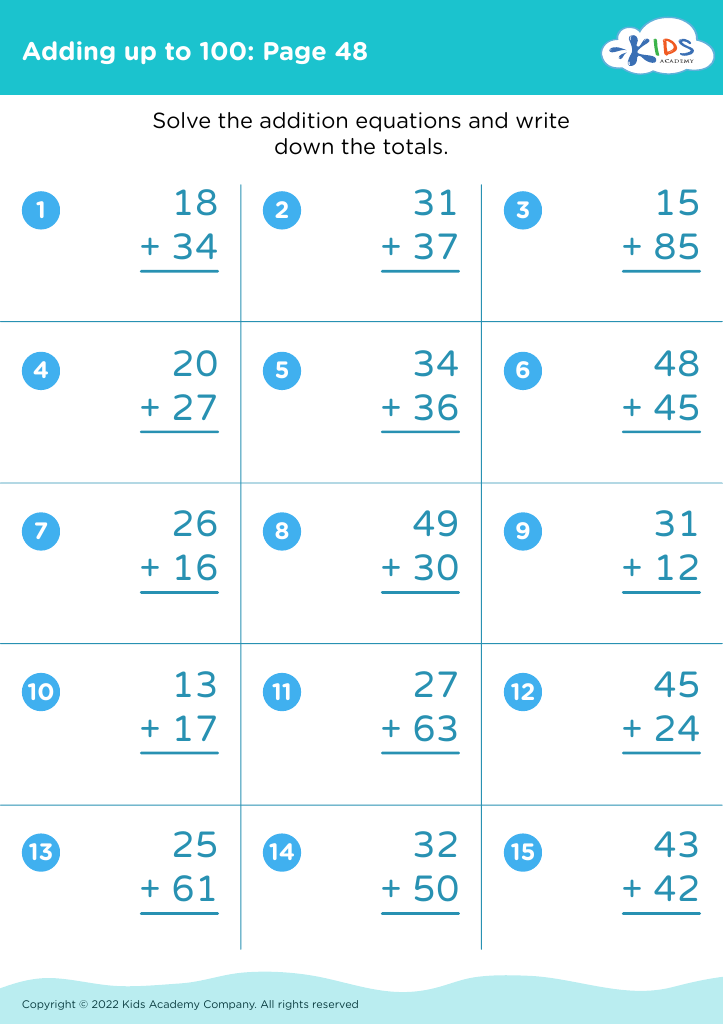
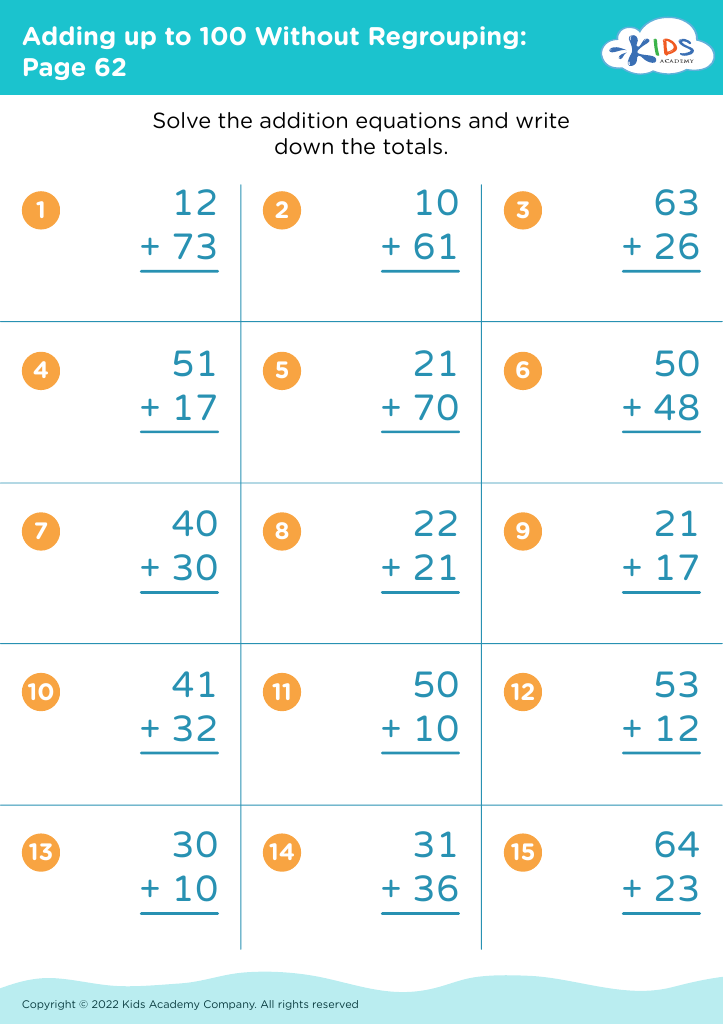
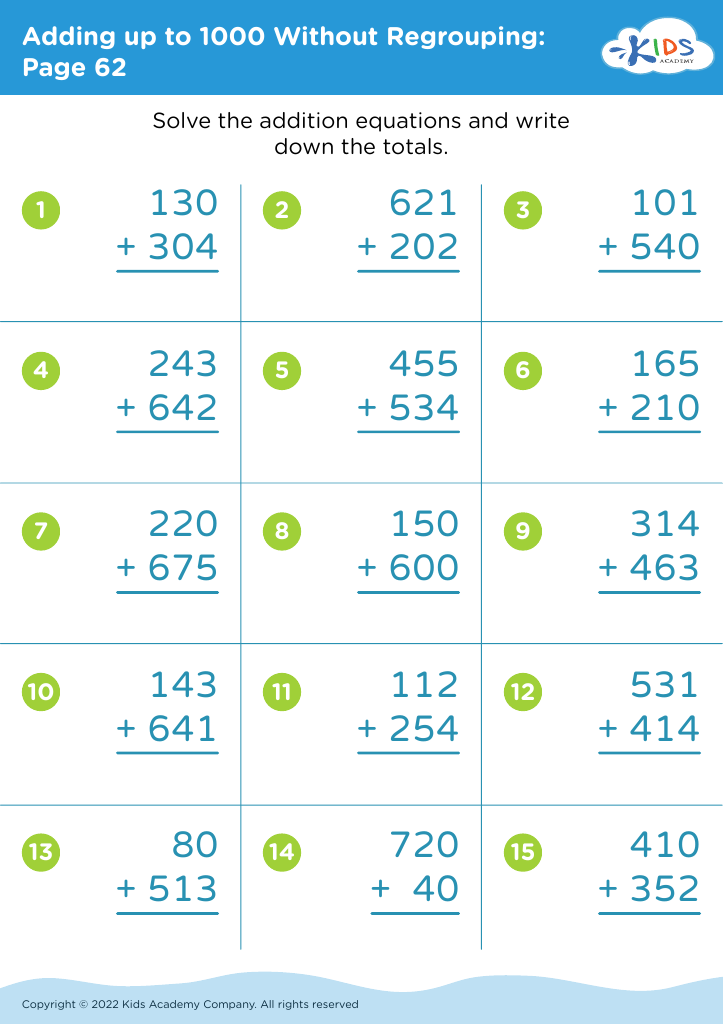








Identifying fractions and understanding addition is fundamental for children ages 3-7, laying the groundwork for their mathematical development. At this early age, children are naturally curious and eager to learn, making it an ideal time to introduce concepts like fractions. Understanding fractions, even in simple terms like halves or quarters, helps children grasp part-whole relationships crucial for their cognitive development.
For parents and teachers, fostering a grasp of fractions encourages problem-solving and critical thinking skills. These concepts are not merely abstract numbers; they appear in everyday life—sharing food, dividing toys, or measuring ingredients—making mathematics relatable and practical. When children add fractions, they learn to synthesize parts into wholes, enhancing their addition skills and creating a deeper understanding of numbers.
Additionally, early exposure to fractions can diminish math anxiety. When children are comfortable with these ideas, they will be better equipped to tackle more complex arithmetic in later years, smoothing their educational journey. The collaborative effort combined with engaging activities can create a solid foundation in mathematics, ultimately benefiting children in school and life. In summary, early engagement with identifying fractions and addition is crucial to developing foundational math skills and better preparing children for future challenges.








