Learn subtraction Addition Worksheets for Ages 3-7
4 filtered results
-
From - To
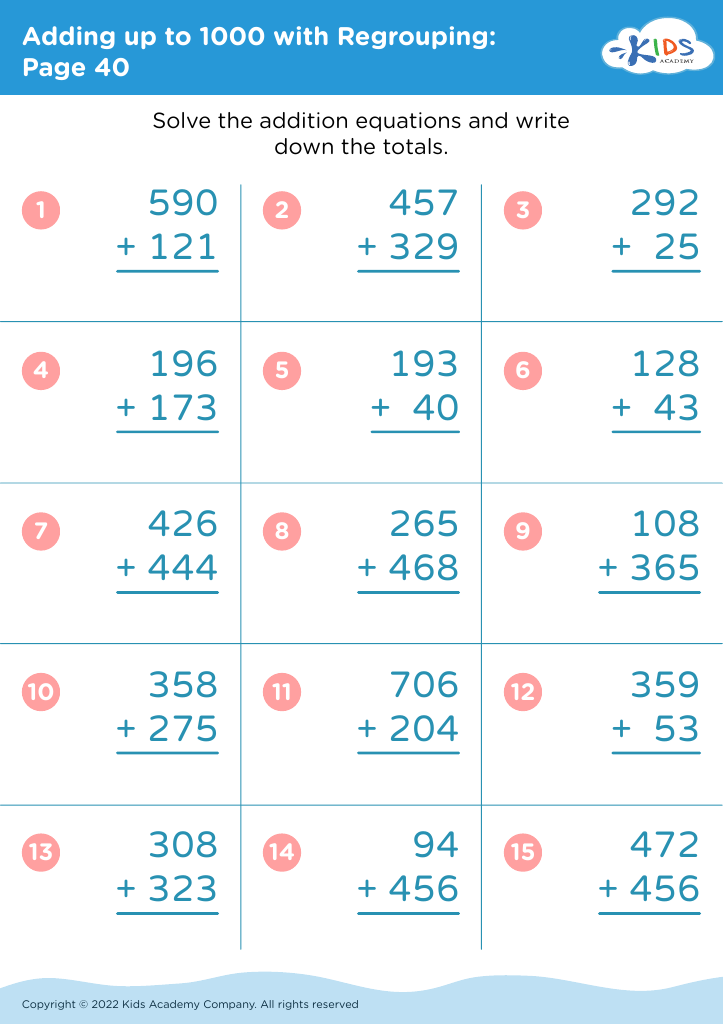
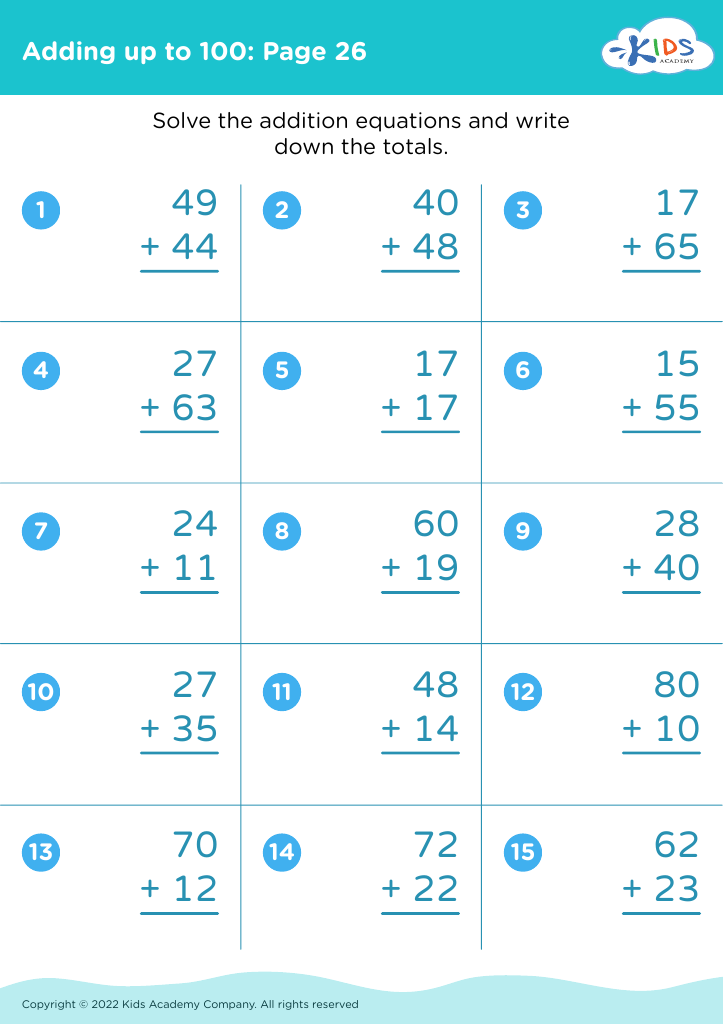
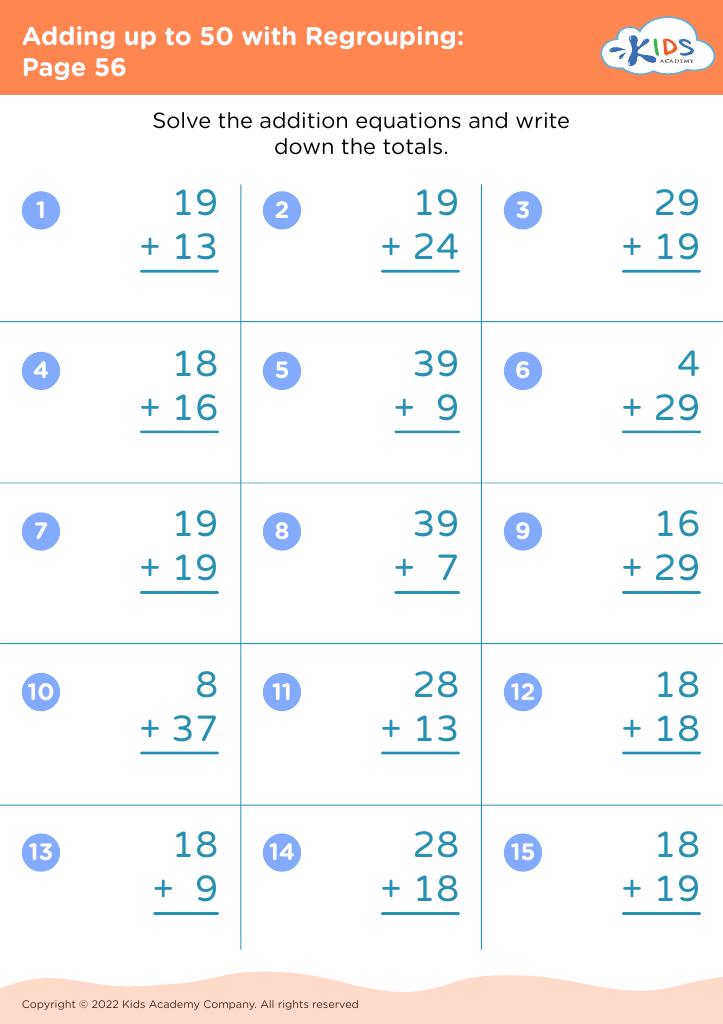
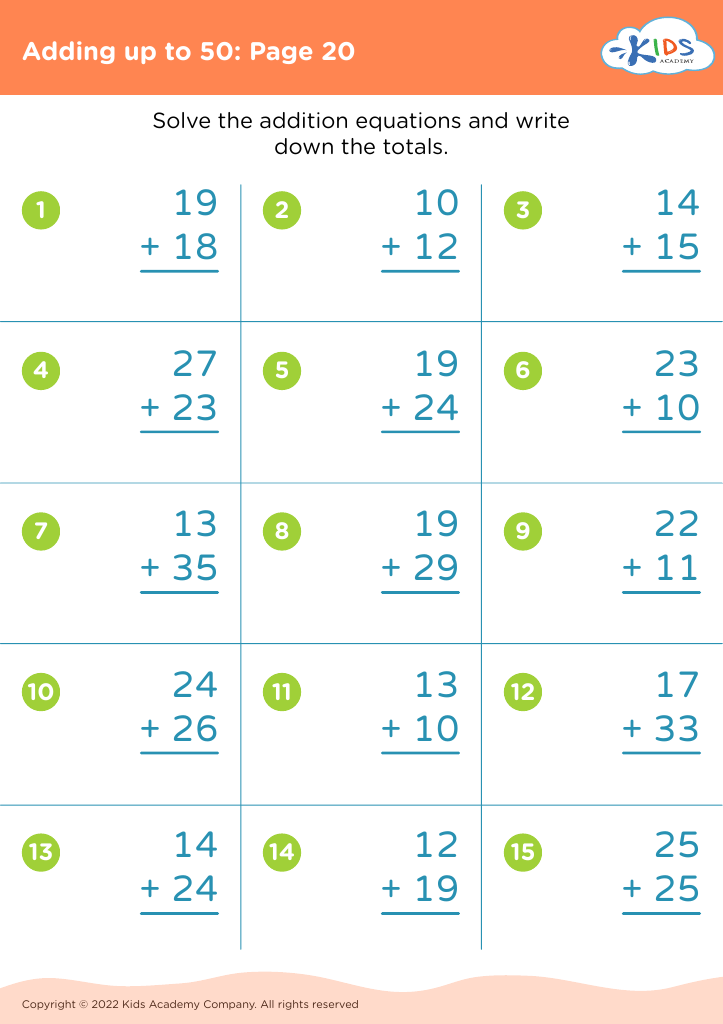
Discover our engaging "Learn Subtraction Addition Worksheets" designed specifically for children aged 3-7! These worksheets provide a fun and interactive way to introduce fundamental math concepts. Tailored for young learners, they promote understanding of addition and subtraction through vibrant illustrations and simple problems. Our resources emphasize hands-on learning, making it easy for kids to grasp the basics of arithmetic while enjoying the process. Perfect for parents and educators alike, these worksheets help build essential math skills, boost confidence, and prepare children for future math challenges. Start your child’s mathematical journey today with our thoughtfully crafted worksheets!


.jpg)





Learning subtraction and addition during the ages of 3-7 is crucial for a child's cognitive development and foundational math skills. At this age, children are like sponges, absorbing information and patterns that will shape their understanding of the world. Mastering these basic skills not only sets the groundwork for more complex mathematical concepts later on but also develops critical thinking and problem-solving abilities.
Engagement in hands-on activities, like counting objects or using visual aids, makes learning exciting and helps solidify these concepts. Parents and teachers play a pivotal role in creating a positive learning environment that fosters curiosity and strengthens these skills. Early mastery of addition and subtraction can boost a child's confidence, making them more willing to tackle challenges in the future.
Moreover, this knowledge extends beyond math; it helps children develop language skills, improve memory, and cultivate focus. By investing time and resources into teaching these fundamentals, parents and educators can ensure that children have the necessary tools to succeed academically and in their everyday lives. Ultimately, early math education supports a lifelong journey of learning and cognitive growth, setting the stage for future academic achievements.








