Logical Reasoning Addition Worksheets for Ages 3-7
7 filtered results
-
From - To
Introducing our Logical Reasoning Addition Worksheets for Ages 3-7, designed to boost young learners' arithmetic skills while fostering critical thinking. These engaging, age-appropriate worksheets focus on simple addition problems enriched with reasoning challenges. Perfect for early learners, these printables help children develop a strong foundation in math through fun, interactive exercises. Ideal for both home and classroom use, our worksheets are crafted to make learning addition enjoyable while enhancing problem-solving abilities. Make math more accessible and exciting for your little ones with our expertly-designed resources. Start building your child's logical thinking and addition skills today!
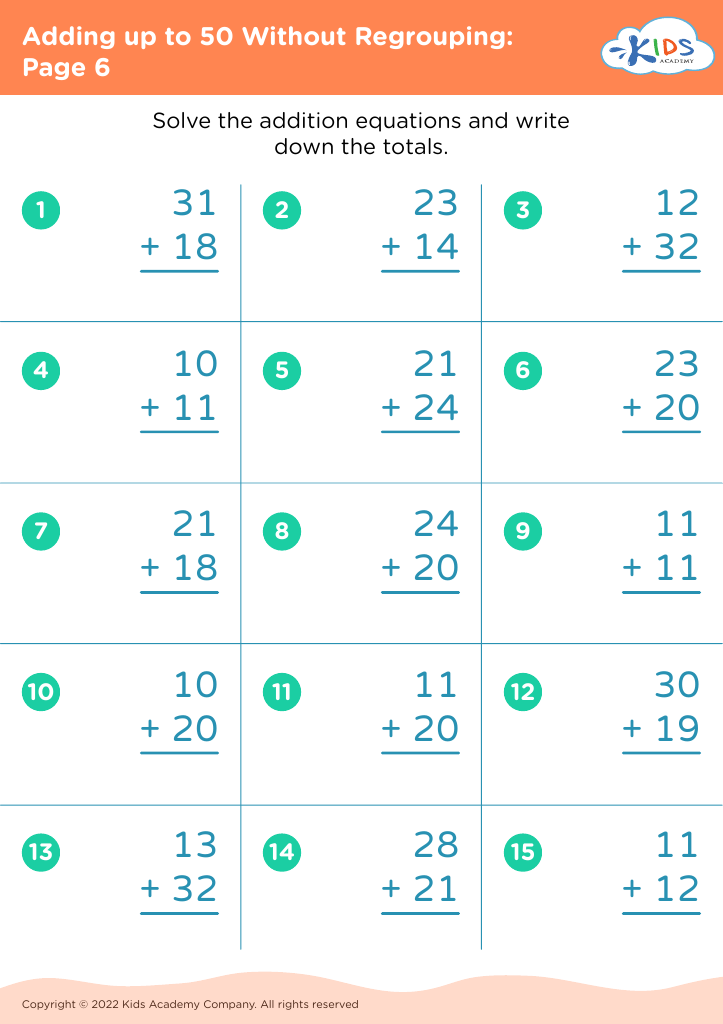
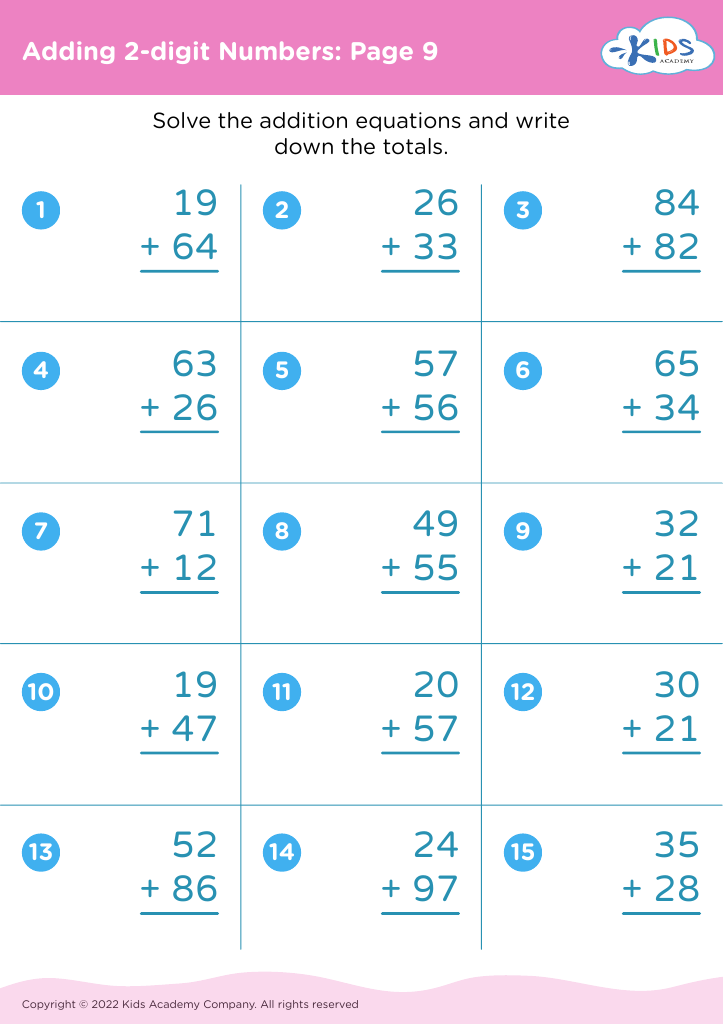
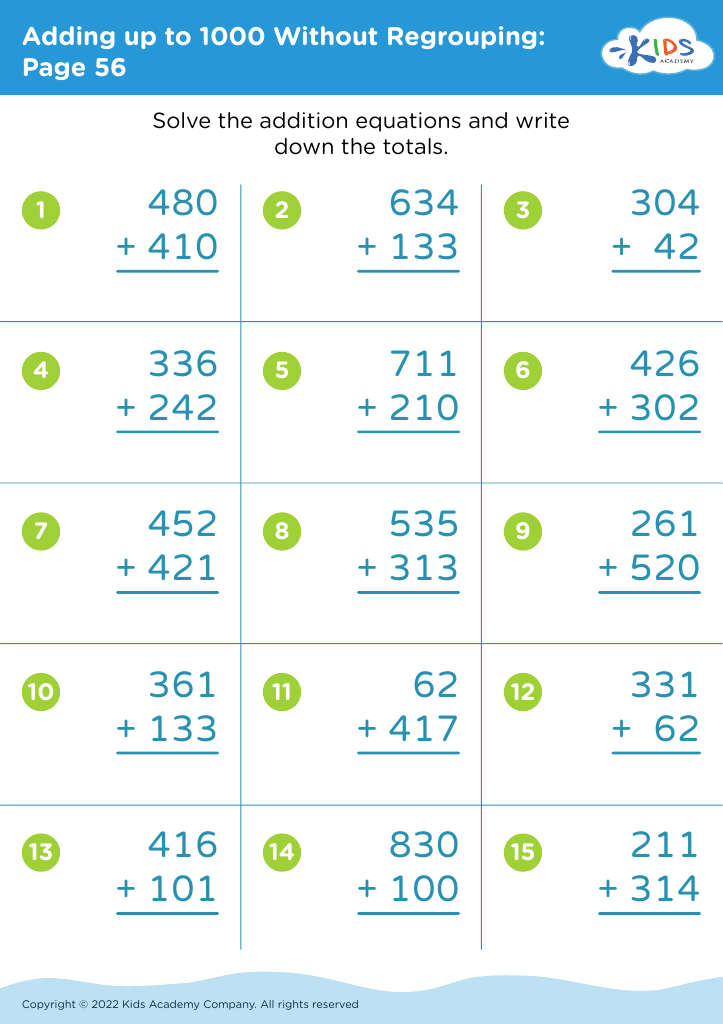
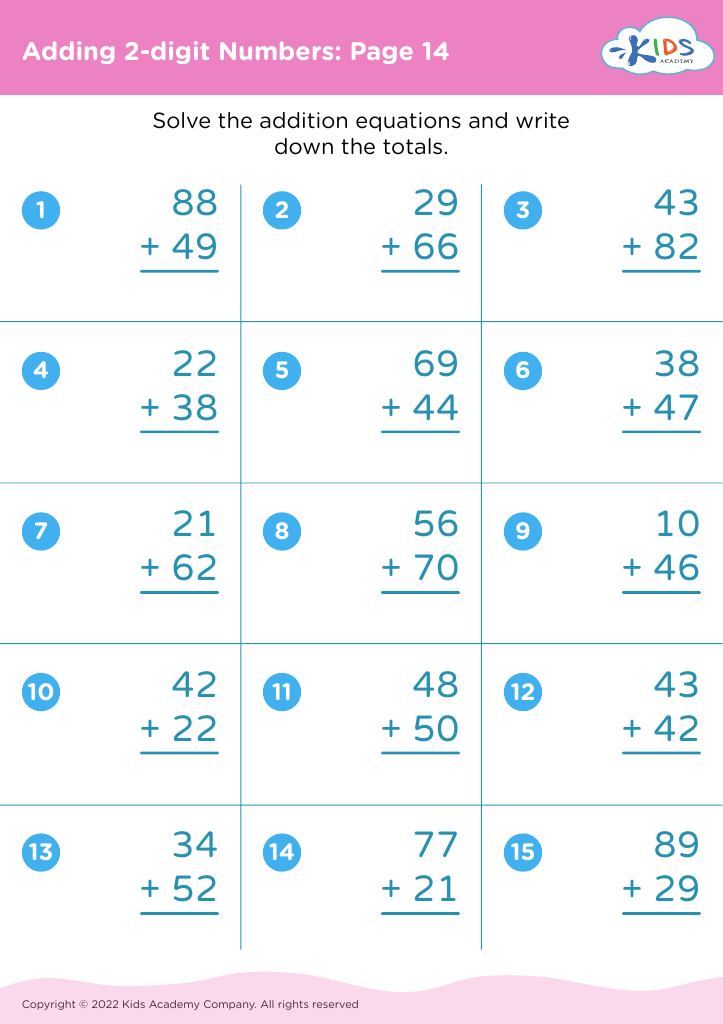
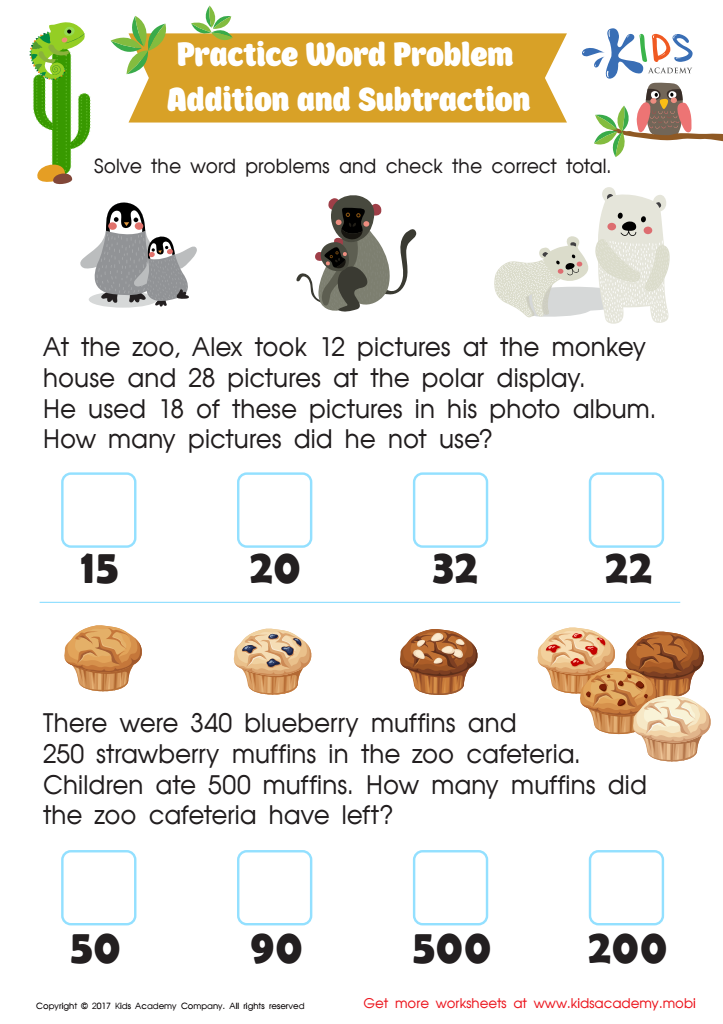
Addition and Subtraction: Word Problems Worksheet
 Assign to My Students
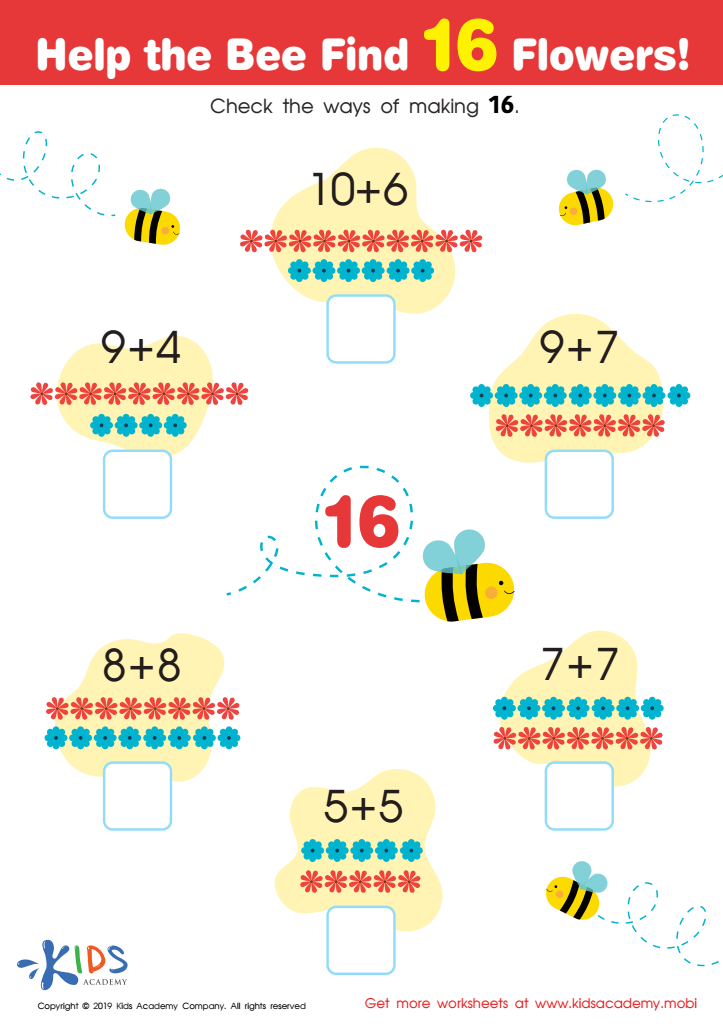
Help the Bee Find 16 Flowers Worksheet
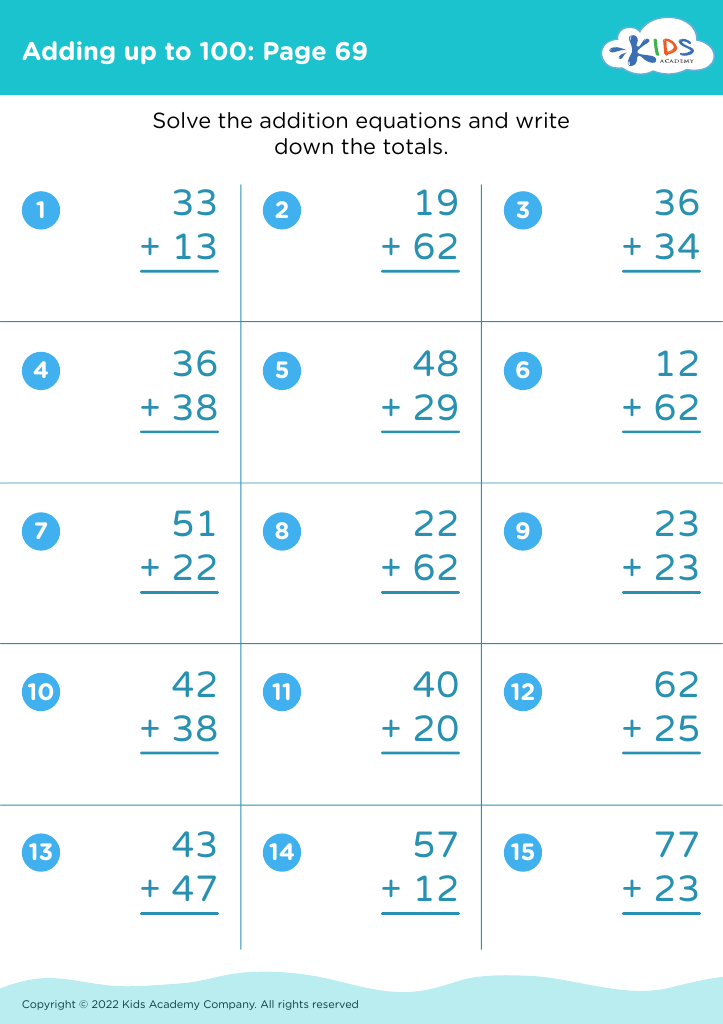








Parents and teachers should care about logical reasoning addition for children ages 3-7 because it is foundational for developing critical thinking and problem-solving skills. At this age, children's brains are exceptionally receptive to new concepts, making it an ideal time to introduce activities that foster logical reasoning. Mathematical skills, such as basic addition, are not just about calculations; they teach children to understand relationships and patterns. This can improve their ability to make sense of the world around them.
Introducing logical reasoning addition at an early age helps to build a child's confidence and enthusiasm for learning math, which is crucial for their future academic success. It lays the groundwork for more advanced mathematical concepts they will encounter later. Moreover, logical reasoning exercises promote cognitive development, helping children to enhance their attention, memory, and the ability to follow complex instructions.
Additionally, engaging in activities that merge fun with learning can create positive associations with math. Games and puzzles involving addition can stimulate curiosity and encourage kids to think outside the box. Thus, nurturing logical reasoning and addition skills in young children not only equips them with essential mathematical abilities but also contributes to their overall intellectual growth and problem-solving capabilities.








