Shape Recognition Addition Worksheets for Ages 3-7 - Page 2
31 filtered results
-
From - To
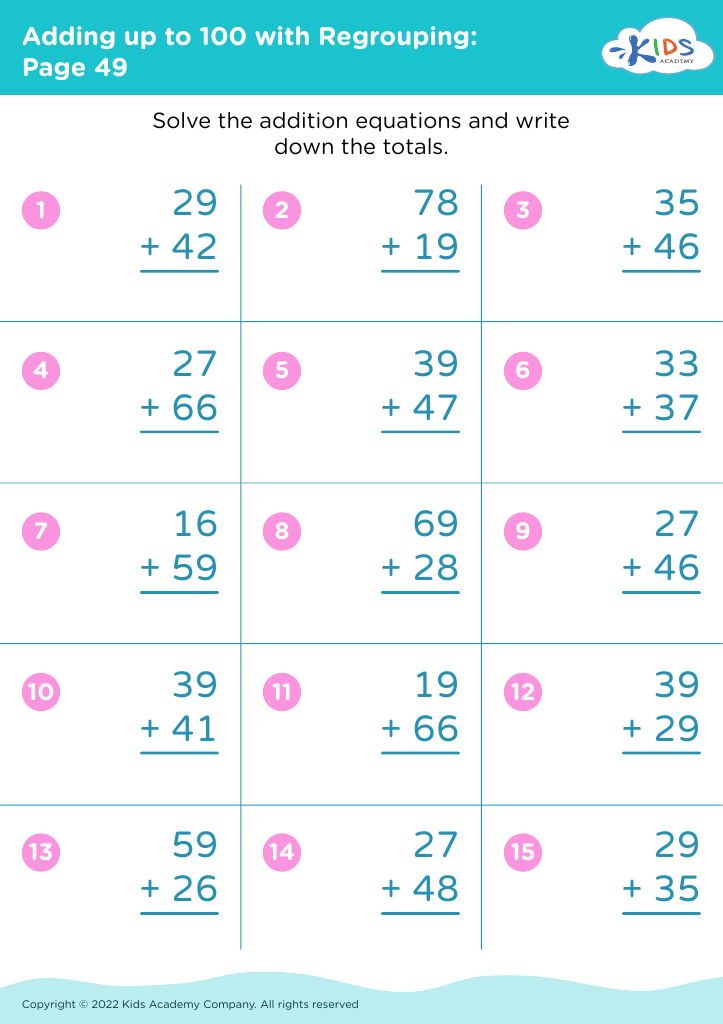
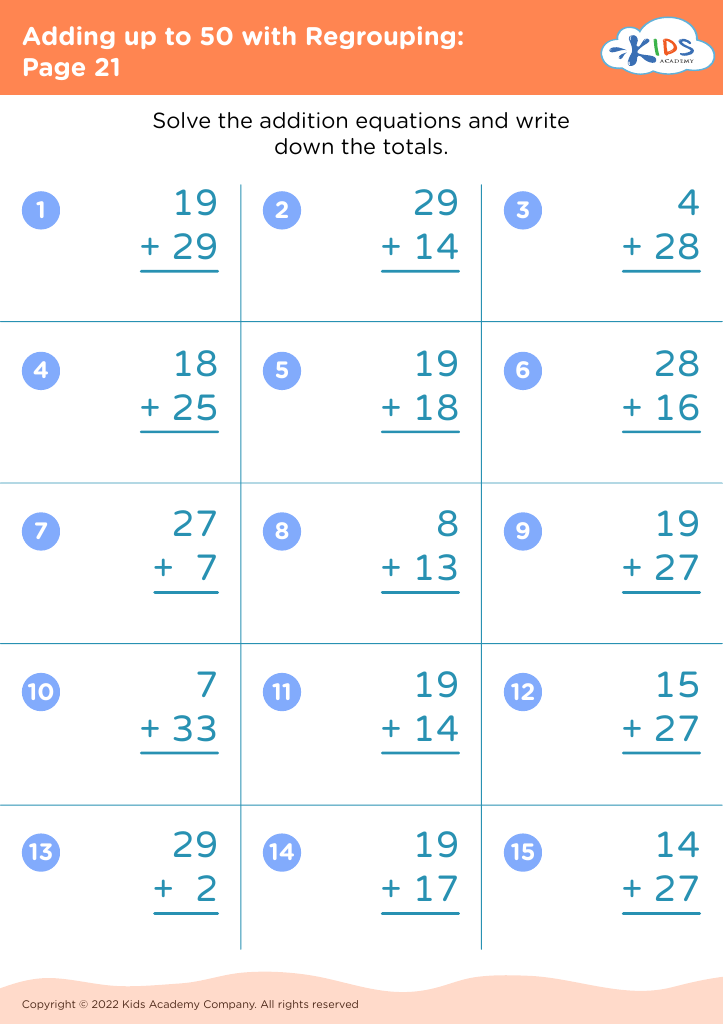
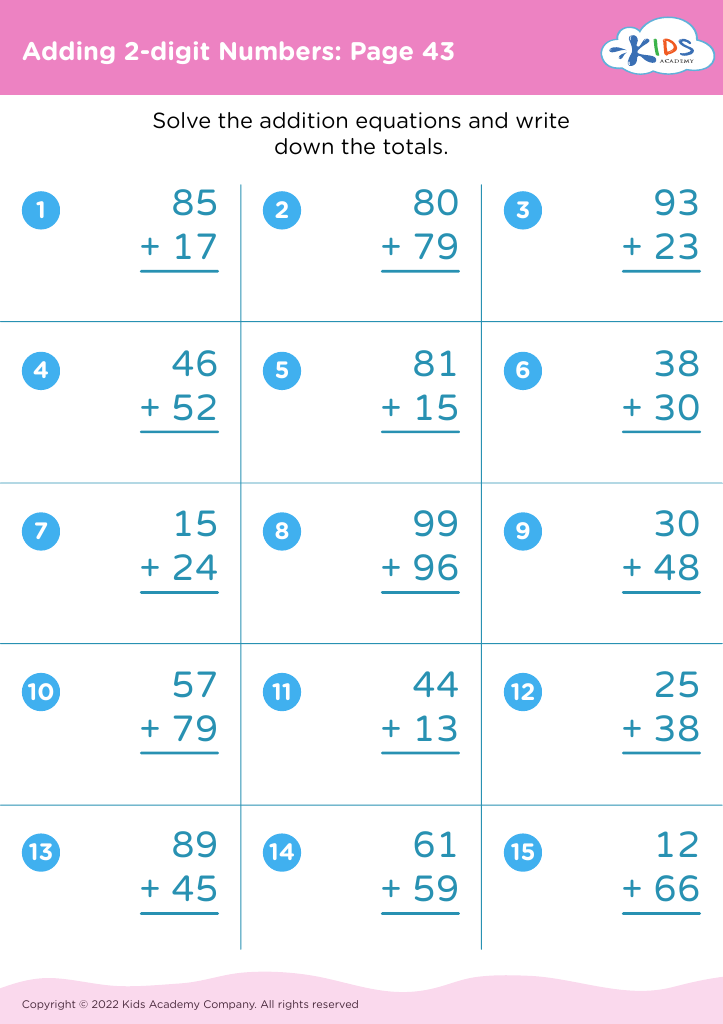
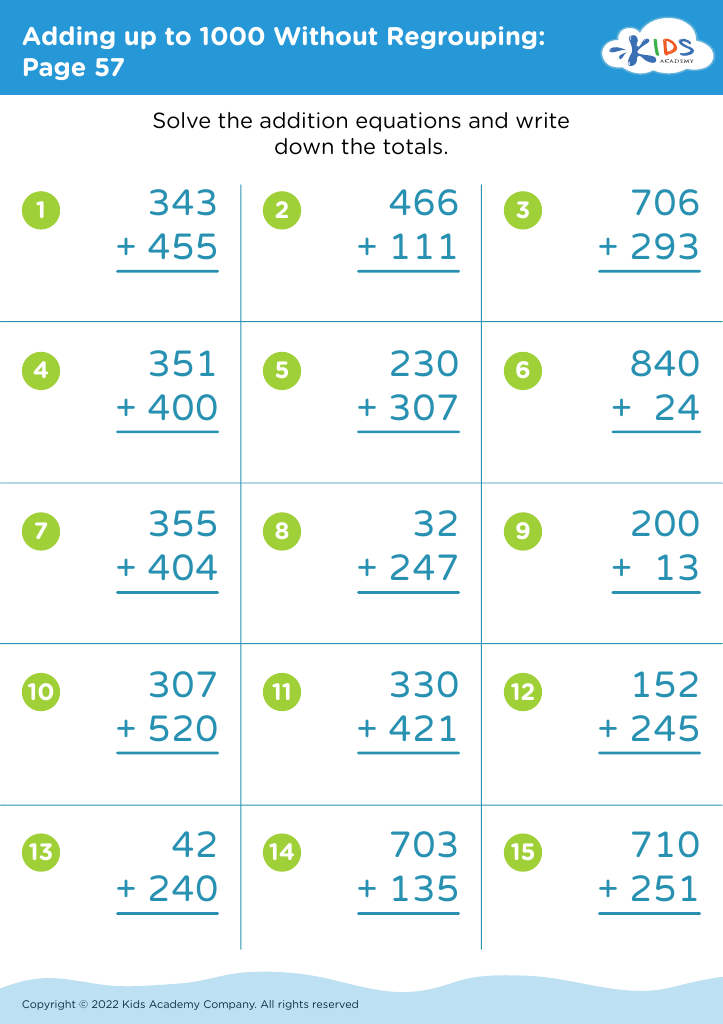
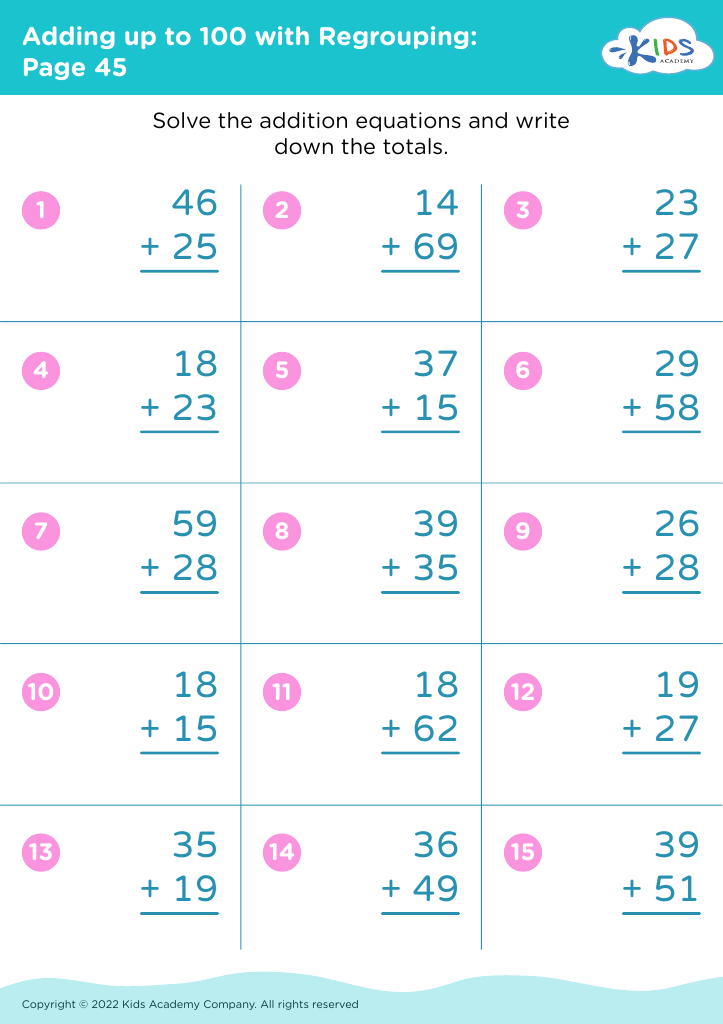
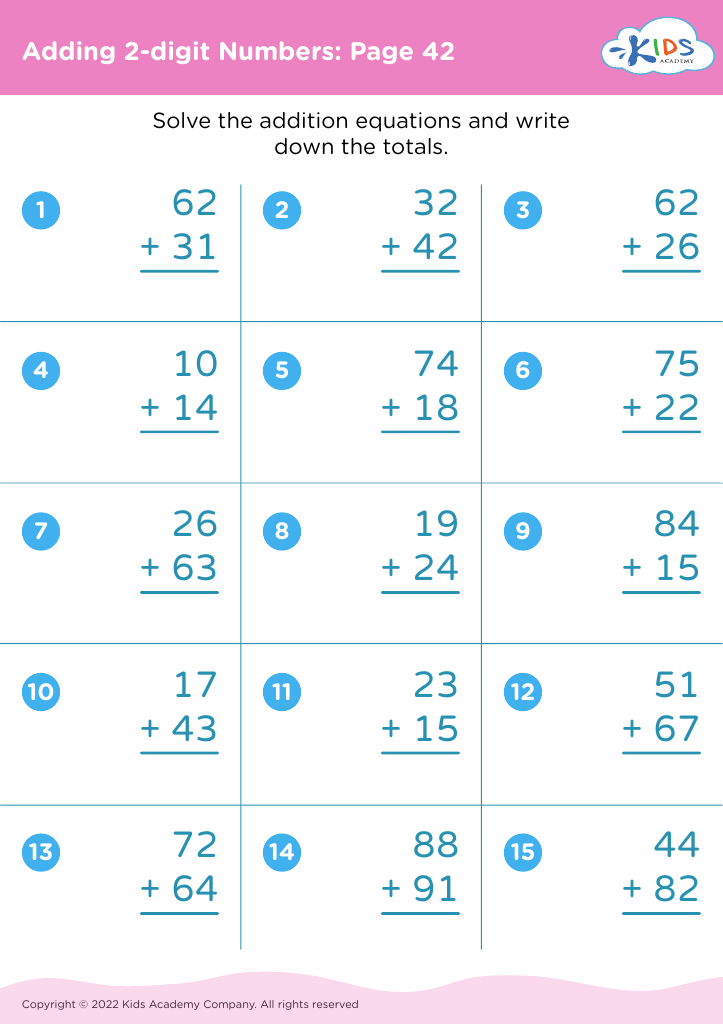
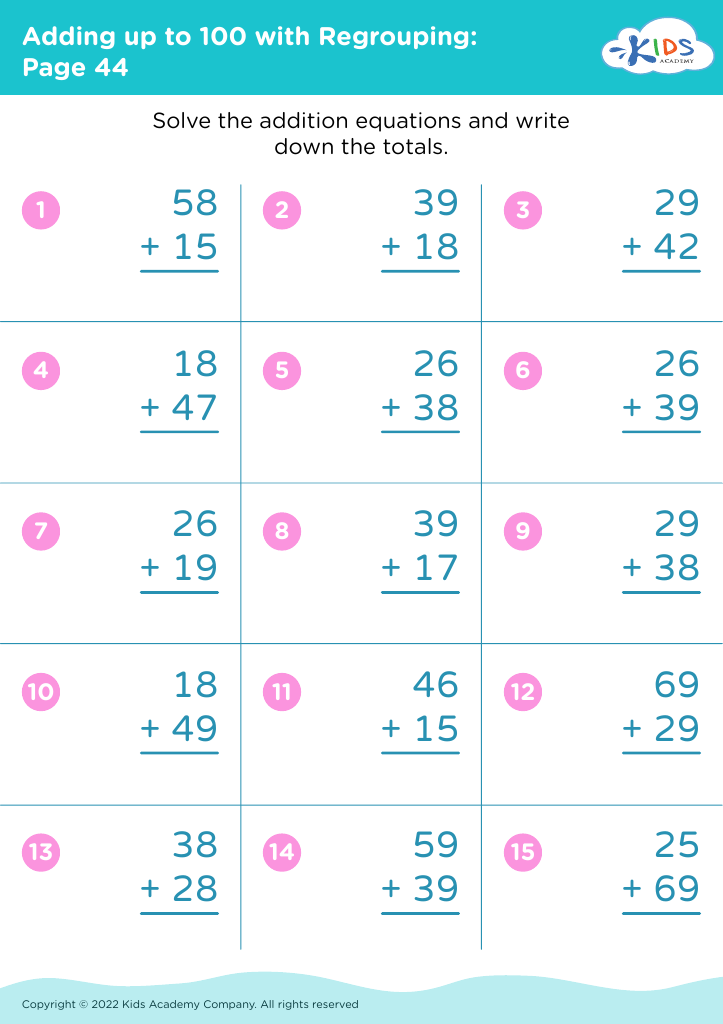








Shape recognition and addition are foundational skills for children aged 3-7 that play a crucial role in their overall cognitive development. Parents and teachers should prioritize these competencies because they help build the child's mathematical and spatial awareness. Recognizing shapes lays the groundwork for geometry, a vital component of mathematics. It helps children understand how different forms and structures work in both theoretical and real-world contexts. By identifying shapes and naming them—like circles, squares, and triangles—young learners develop the ability to classify objects, which enhances organizational and reasoning skills.
Combining shape recognition with addition exercises introduces basic arithmetic concepts in a fun and engaging manner, setting the stage for more complex mathematical learning. For example, counting sides or angles of shapes reinforces number recognition and basic counting skills. Moreover, these activities often involve hands-on learning, which boosts fine motor skills and hand-eye coordination.
Integrating these fundamental skills early makes math less intimidating for children and kindles a love for learning. Therefore, making time for activities involving shape recognition and addition isn’t merely about learning math—it's about nurturing an all-rounded intellect that will benefit children in every academic endeavor they undertake.








